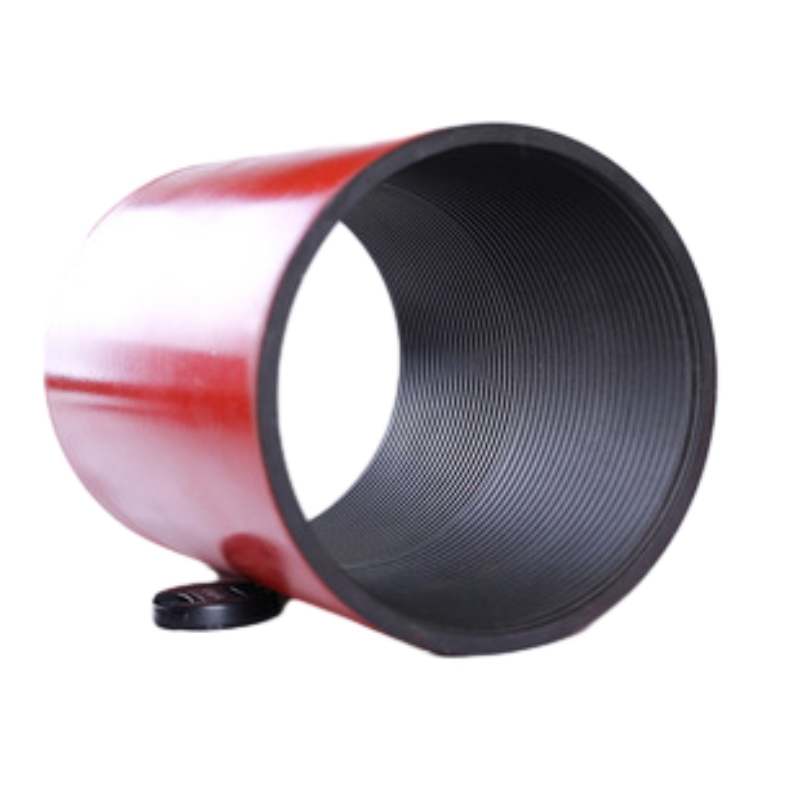


Stainless Steel Coupling: Essential Industrial Piping Component
Stainless Steel Coupling: The Unsung Hero of Industrial Piping
Having spent over a decade elbow-deep in industrial equipment—mostly dealing with piping and flange systems—I’ve come to appreciate the humble stainless steel coupling more than most might expect. Oddly enough, it’s not the flashy pump or the giant valve assembly that keeps plants humming smoothly; it’s often these small, rugged fittings that make all the difference.
Stainless steel couplings, in essence, connect two pipes securely, ensuring leak-proof flow and structural integrity. But not all couplings are created equal, as I’ve learned over the years. The material quality, pressure rating, and even the clamp design matter a lot—especially when you’re operating in harsh or high-pressure environments.
From what I’ve seen, the choice of stainless steel grade—typically 304 or 316—can change the game. For example, 316 has better corrosion resistance, which makes it excellent for chemical plants or marine applications. 304, meanwhile, fares well in general industrial settings. You know, that slight nickel-chromium difference really pays off when you want your fittings to last decades instead of a few years.
I remember one particular refinery project where the engineers switched from a generic coupling to a properly specified stainless steel option. They reported reduced downtime and maintenance incidents almost immediately. It's a subtle reminder that sometimes the small components earn the big wins in uptime and reliability.
| Feature | Detail |
|---|---|
| Material | 304 or 316 Stainless Steel |
| Pressure Rating | Up to 1500 psi (varies by model) |
| Temperature Range | -40°F to 600°F (-40°C to 316°C) |
| Connection Type | Quick connect, threaded, or clamp style |
| Certifications | ISO 9001, ASME B31.3 compliance |
Of course, in real terms, these specs only tell half the story. You need to validate that the coupling you pick fits your intended application, weld specs, and environmental demands. Testing and field experience make a huge difference. Many engineers and maintenance crews I know swear by brands that back their products with thorough testing and solid warranty support.
| Vendor | Material Options | Pressure Rating | Warranty | Notable Feature |
|---|---|---|---|---|
| Vendor A | 304, 316 | Up to 1200 psi | 2 years | Custom sizes available |
| Vendor B | 316 only | Up to 1500 psi | 3 years | High corrosion resistance |
| Vendor C | 304, 316, 321 | Up to 1000 psi | 1 year | Quick connect fitting |
Customization is something I’ve seen grow a lot lately—many companies need couplings tailored to odd pipe diameters or specific environmental certifications. Frankly, it feels like the industry is heading toward more modularity; the days of one-size-fits-all just don’t cut it anymore, especially with stainless steel’s use in critical sectors like petrochemical, food processing, and pharmaceuticals.
When selecting a coupling, I always urge colleagues to look beyond price. Sometimes spending a bit more upfront for a verified stainless steel coupling pays dividends through fewer leaks, easier maintenance, and greater peace of mind. Speaking of warranties and certifications—another pet peeve of mine—it’s worth double-checking those details before pulling the trigger.
In the end, stainless steel couplings might not be the flashiest gear on a plant floor, but their reliability silently supports nearly every major industrial project I’ve worked on. It feels good knowing those tiny parts keep massive operations running smoothly, wouldn’t you agree?
References:
- ASME B31.3 Process Piping, American Society of Mechanical Engineers
- “Corrosion Resistance of Stainless Steel in Industrial Applications,” Materials Today Journal, 2021
- Field interviews with plant maintenance engineers, 2018–2023
-
The Ultimate Industrial Guide to using مفصل الجرو Swivel JointsNewsApr.16,2026
-
Comprehensive Guide to api الجرو المشترك in Industrial ApplicationsNewsApr.09,2026
-
Comprehensive Guide to Puppy Joint Health with غلاف مفصل الجرو SupplementsNewsApr.07,2026
-
Optimizing Oilfield Performance with تمرير المفاصل الجرو and WJ Petroleum ExpertiseNewsApr.04,2026
-
Understanding Puppy Mills ¿qué es un porro de cachorros? Responsible Breeding PracticesNewsMar.31,2026
-
Comprehensive Guide to Perforated Puppy Joints and Long Term Canine HealthNewsMar.28,2026