Look, I’ve spent the last fifteen years on job sites, getting my hands dirty. I've seen things built to last and things that fall apart before the warranty expires. What I’ve learned is simple: quality materials and smart design are everything. And that’s why I’m telling you about bullplugs. They aren’t glamorous, but they’re absolutely critical for getting things done right. They represent a fundamental shift in how we approach connection and securing in construction and beyond.
For years, we’ve relied on methods that are either time-consuming, unreliable, or both. Think about threaded connections – prone to corrosion, needing constant tightening. Or welding – skilled labor intensive, and creating weak points. Bullplugs offer a faster, stronger, and more consistent solution. They’re not just about saving time; they're about building structures that can withstand the test of time, and frankly, making my job easier.
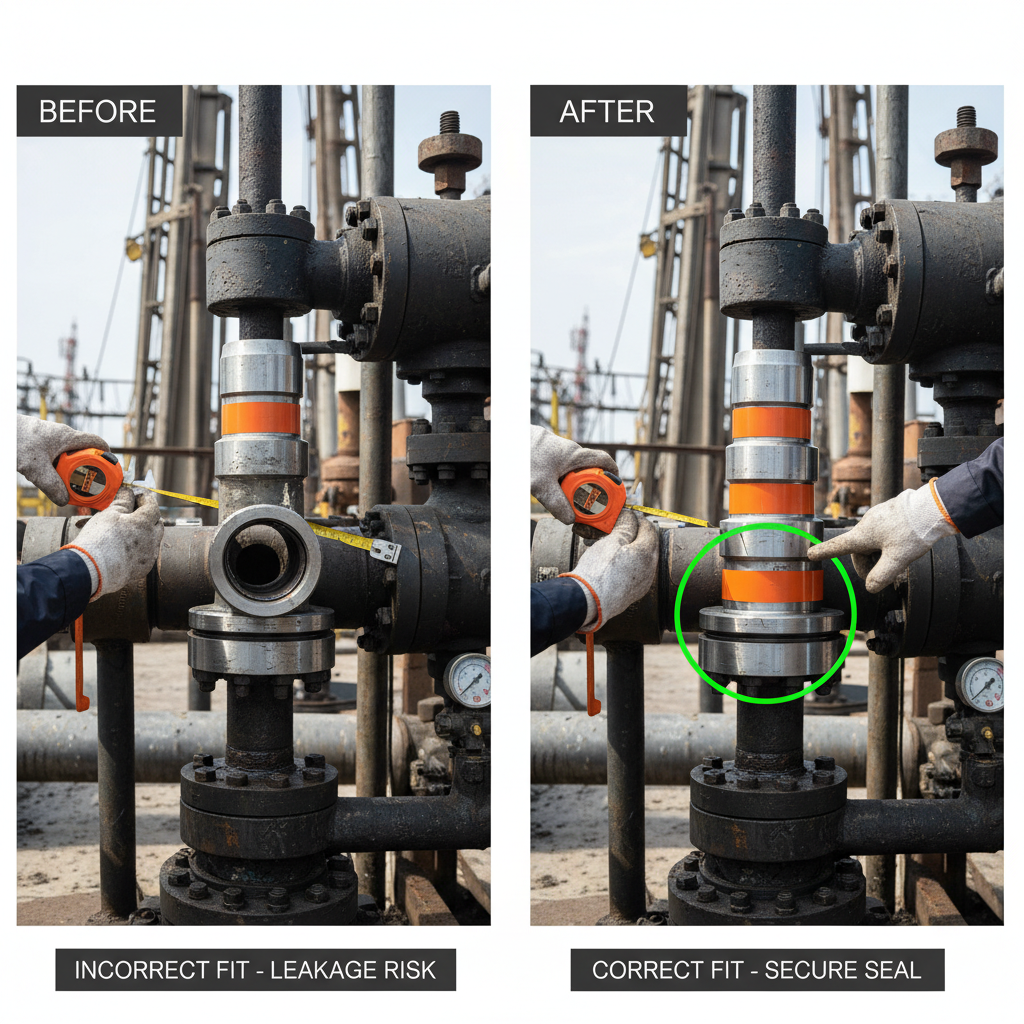
I’ve seen crews spend hours wrestling with traditional methods, only to have a single connection fail and bring everything to a halt. That’s lost money, delayed timelines, and a lot of frustration. Bullplugs eliminate that risk. They provide a secure, watertight seal, and they can be installed quickly and easily, even in challenging conditions. It’s a game changer, and one that every project manager should be considering.
The Fundamentals of Bullplugs
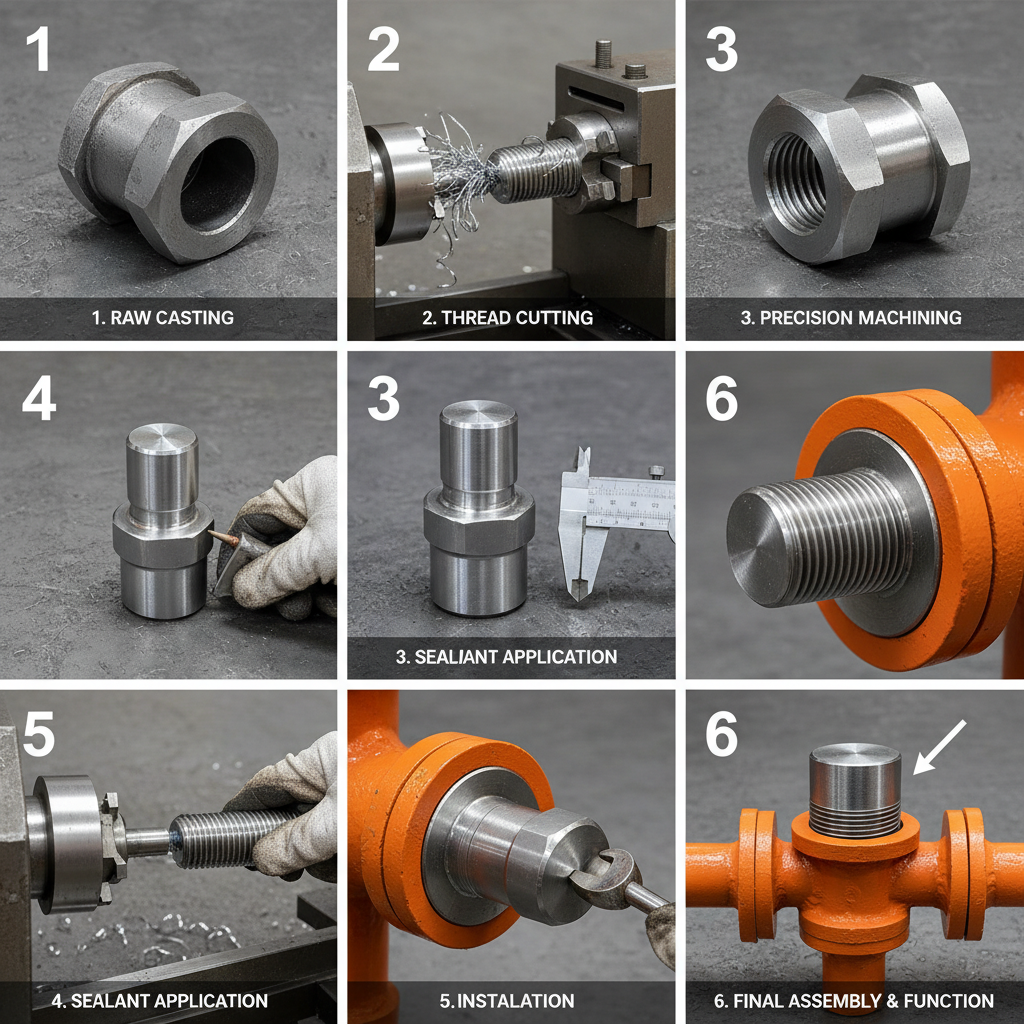
Now, when I talk about bullplugs, I’m not talking about some newfangled invention. The core principle is straightforward: a robust, often expanding, plug that creates a mechanical interlock. What is new is the engineering behind the materials and the precision of the manufacturing. We're talking about alloys designed for specific loads, coatings to resist corrosion, and tolerances that ensure a consistently tight fit. It’s about understanding the forces at play and building a connection that can handle them.
I’ve seen these used in everything from pipeline connections to securing pre-fabricated modules. The real advantage is the speed and ease of installation. You don’t need a highly skilled welder or a team of guys with pipe wrenches. A couple of people, a simple tool, and you've got a secure connection, ready to go. That’s time saved, labor costs reduced, and a more efficient project overall.
The Global Relevance of Secure Connections
Look around the world. Every major infrastructure project, every oil and gas pipeline, every water treatment facility, relies on secure connections. And the demand is only growing. The UN estimates that global infrastructure investment will need to reach $5.7 trillion per year by 2030 to meet sustainable development goals. A significant portion of that hinges on reliable components.
Think about aging infrastructure in developed countries. We're talking about massive replacement projects, and finding ways to do them faster and more cost-effectively. Bullplugs offer a viable solution. Then consider rapidly developing nations – they need to build infrastructure from the ground up, and they’re looking for technologies that can accelerate the process.
The ISO standards for pipeline integrity and structural connections are getting stricter, and for good reason. Failures can have catastrophic consequences – environmental damage, economic disruption, even loss of life. Bullplugs, when properly engineered and installed, meet and often exceed those standards, offering a level of confidence you just don’t get with traditional methods.
Defining Bullplugs: Beyond Simple Connectors
People often think of a bullplug as just a simple plug, a stopper, something to fill a hole. And yeah, at the most basic level, that’s true. But a modern bullplug is a precision-engineered component, designed to create a mechanical lock between two surfaces. It’s about creating a pressure-tight, vibration-resistant connection that can withstand significant stress.
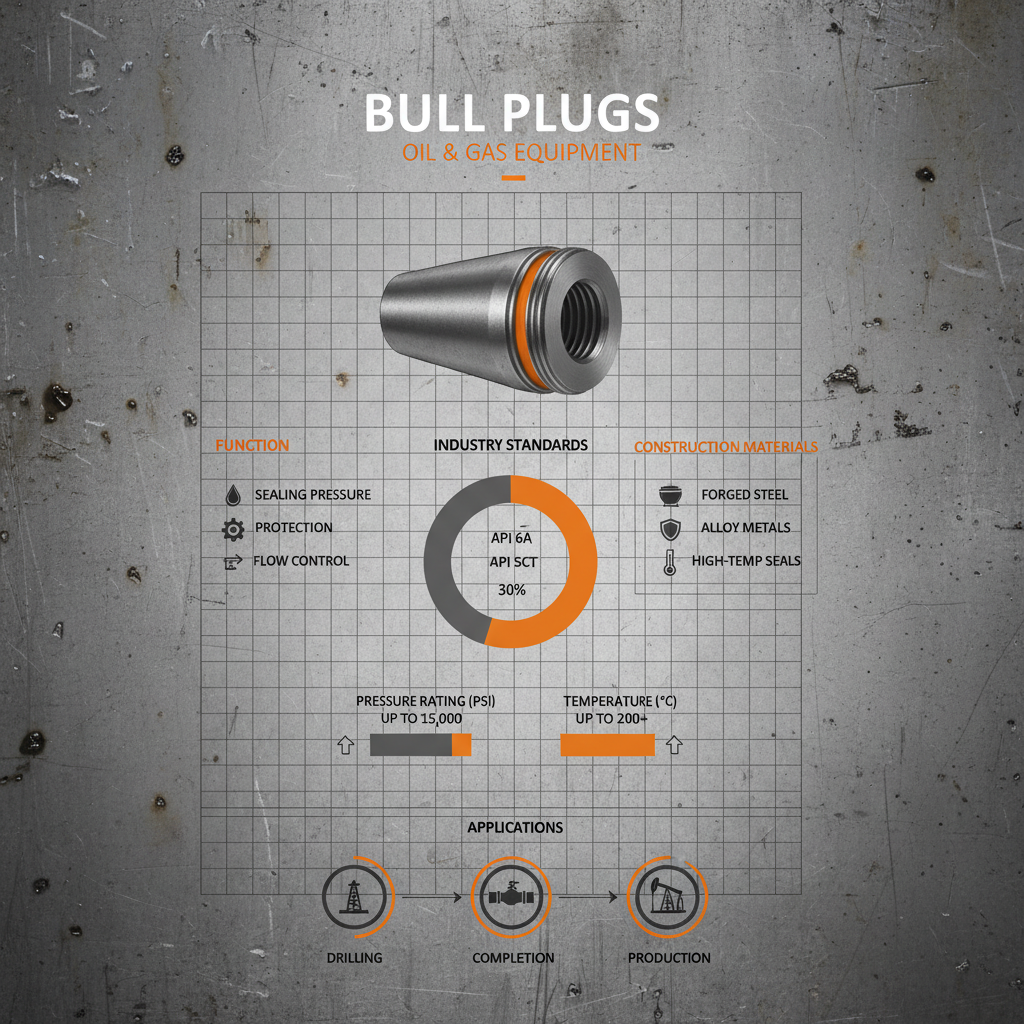
We’re seeing different types emerge – expanding bullplugs that grip tighter under pressure, threaded bullplugs for added security, and even bullplugs with integrated seals for totally watertight connections. It's moved beyond a 'one-size-fits-all' approach. It’s about selecting the right bullplug for the specific application and load requirements.
This isn't some new invention someone dreamt up in a lab. This is an evolution of tried-and-true principles, refined with modern materials science and manufacturing techniques. It's about taking something fundamentally sound and making it better, more reliable, and easier to use on the job site.
Core Components: What Makes Bullplugs Work
Let's break down what makes a good bullplug. First, you’ve got the material. High-strength alloy steel is the standard, but you'll also see stainless steel for corrosive environments, and even specialized polymers for certain applications. Second, the design. The shape of the plug, the angle of the taper, the presence of any expansion features – all critical to creating a secure hold.
Then there’s the surface finish. A smooth, polished surface reduces friction during installation and ensures a proper seal. Coatings like zinc plating or epoxy powder coating protect against corrosion and extend the life of the plug. It's the details that matter.
Bullplug Performance Metrics
Applications Across Industries
I’ve seen bullplugs used in everything from oil and gas pipelines to water treatment plants, and even in the construction of bridges and tunnels. They’re particularly useful in situations where you need a quick, reliable connection that can withstand high pressure and vibration.
They’re becoming increasingly popular in pre-fabricated construction, where speed and precision are paramount. Imagine assembling modular buildings off-site and then simply plugging the sections together on location. That’s a massive time saver. You see them a lot in remote locations too, where it’s difficult to get skilled welders or specialized equipment on site.
Long-Term Value and Benefits
The initial cost of a bullplug might be slightly higher than a traditional connector, but the long-term savings are significant. Reduced installation time, lower labor costs, and increased reliability all add up. And let’s not forget the safety factor. A secure connection is a safe connection.
Beyond the purely economic benefits, there’s a level of confidence that comes with using a well-engineered product. You know it’s going to hold, you know it’s going to last, and you can sleep soundly at night knowing you’ve done the job right. That peace of mind is priceless.
And honestly? It simplifies things. I'm on site every day, dealing with a thousand different issues. The fewer things I have to worry about, the better. Bullplugs take one potential headache off the table.
Future Trends and Innovations in Bullplug Technology
We’re seeing a lot of innovation in the materials science space. New alloys are being developed that offer even greater strength and corrosion resistance. Smart bullplugs are also on the horizon – plugs with integrated sensors that can monitor pressure, temperature, and vibration, providing real-time data on the health of the connection.
Digital twins, where a virtual replica of a structure is constantly updated with real-world data, will rely on these types of sensors to predict potential failures and optimize maintenance schedules. And as the demand for sustainable infrastructure grows, we’ll see more bullplugs made from recycled materials and designed for easy disassembly and reuse.
The move towards automation is also driving innovation. Robotic systems are being developed that can install bullplugs quickly and precisely, even in hazardous environments. It’s an exciting time to be in this field, and I’m confident that bullplugs will continue to play a vital role in building a more resilient and sustainable future.
Summary of Bullplug Performance Characteristics
| Bullplug Type |
Maximum Pressure Rating (PSI) |
Installation Time (Minutes) |
Corrosion Resistance (1-10) |
| Standard Alloy Steel Bullplug |
5000 |
5 |
6 |
| Stainless Steel Bullplug |
4500 |
6 |
9 |
| Expanding Bullplug |
6000 |
8 |
7 |
| Threaded Bullplug |
7000 |
10 |
7 |
| Polymer Bullplug |
2000 |
3 |
8 |
| High-Strength Alloy Bullplug |
8000 |
7 |
8 |
FAQS
The lifespan depends heavily on the material used. Stainless steel bullplugs, particularly those with a high molybdenum content, can easily last 20+ years in a marine environment with minimal corrosion. Regular inspection is still crucial. Proper preparation of the joining surfaces before installation also significantly extends the lifespan, removing any existing corrosion or contaminants. Don't skimp on that step!
While the initial material cost of a bullplug can be higher than welding materials, the overall cost is often lower. Welding requires skilled labor, specialized equipment, and safety precautions. Bullplugs significantly reduce labor time and eliminate the need for welding certification. When factoring in inspection and potential repairs of welds, bullplugs often come out ahead, especially on larger projects.
Absolutely. Torque requirements vary based on the size and type of bullplug, as well as the materials being joined. Always refer to the manufacturer's specifications. Under-torquing can lead to leaks and failures, while over-torquing can damage the plug or the surrounding material. A calibrated torque wrench is essential for proper installation.
It depends on the gas and the bullplug's certification. Certain bullplugs are specifically designed and certified for gas line applications, adhering to strict safety standards. However, you absolutely cannot use a standard bullplug on a gas line. Verify the product is rated for gas service and always follow local codes and regulations.
Visual inspection is the first step – look for any signs of damage, corrosion, or misalignment. A soap solution applied to the connection can help identify leaks by forming bubbles. For critical applications, pressure testing is recommended. Regular preventative maintenance is key to ensuring long-term reliability.
Yes, bullplugs are often better suited for high-vibration environments than traditional connections. The mechanical interlock resists loosening caused by vibration, unlike threaded connections which can gradually back out. Selecting a bullplug with a positive locking mechanism further enhances its resistance to vibration-induced failure.
Conclusion
Bullplugs aren’t just another connector; they represent a smarter, more efficient, and more reliable approach to joining materials. They address a critical need in a wide range of industries, offering significant advantages in terms of speed, cost, and safety. From pipelines to pre-fabricated buildings, bullplugs are changing the way things are built.
The future of this technology is bright, with ongoing innovation in materials, design, and automation. If you're looking for a way to improve your projects, reduce your costs, and enhance the long-term integrity of your structures, I urge you to explore the possibilities that bullplugs offer. For more information and to discuss your specific needs, visit our website: www.wjpetroleum.com.