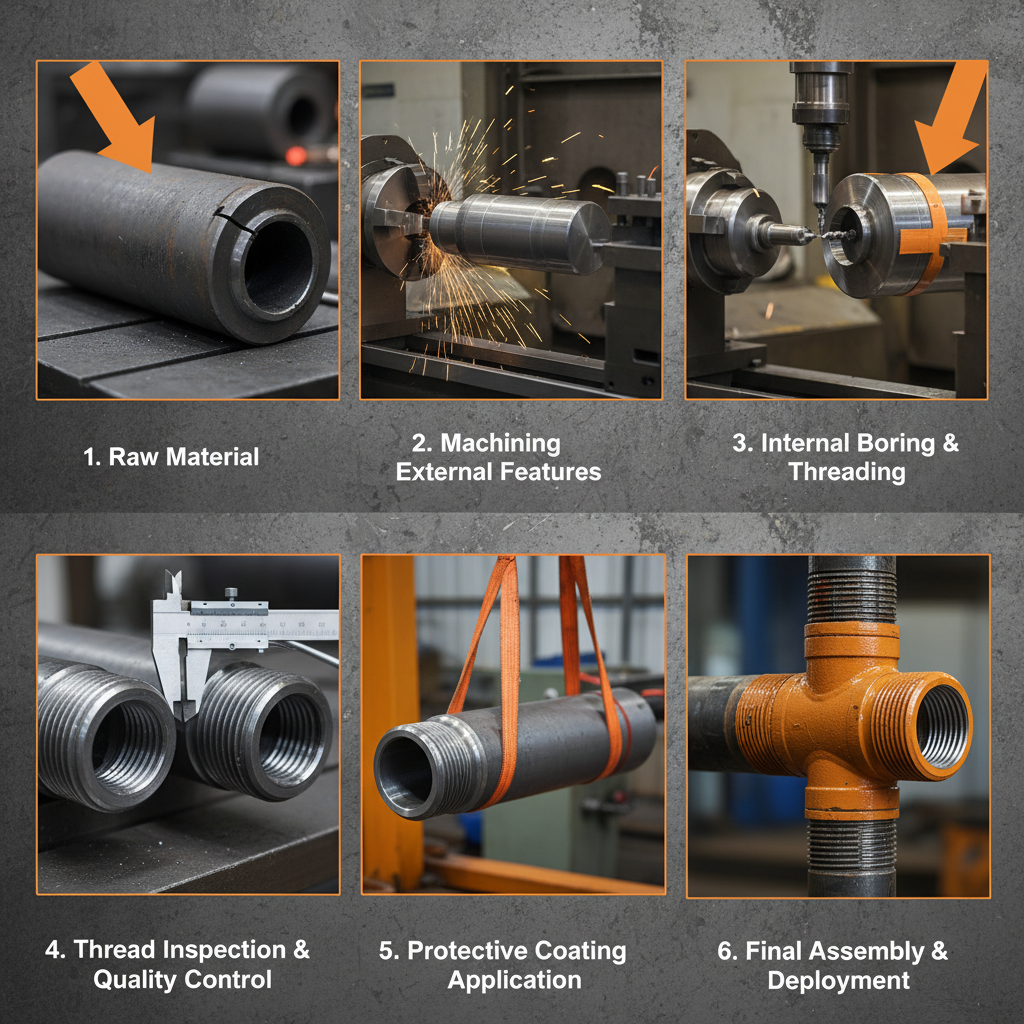
Understanding the precise bull plug dimensions is fundamental for ensuring the integrity of high-pressure piping systems in the oil and gas industry. These specialized components serve as the final seal for a pipeline, preventing leaks and protecting internal system components from contamination during transport or standby phases. Without strict adherence to dimensional standards, the risk of catastrophic failure in volatile environments increases significantly.
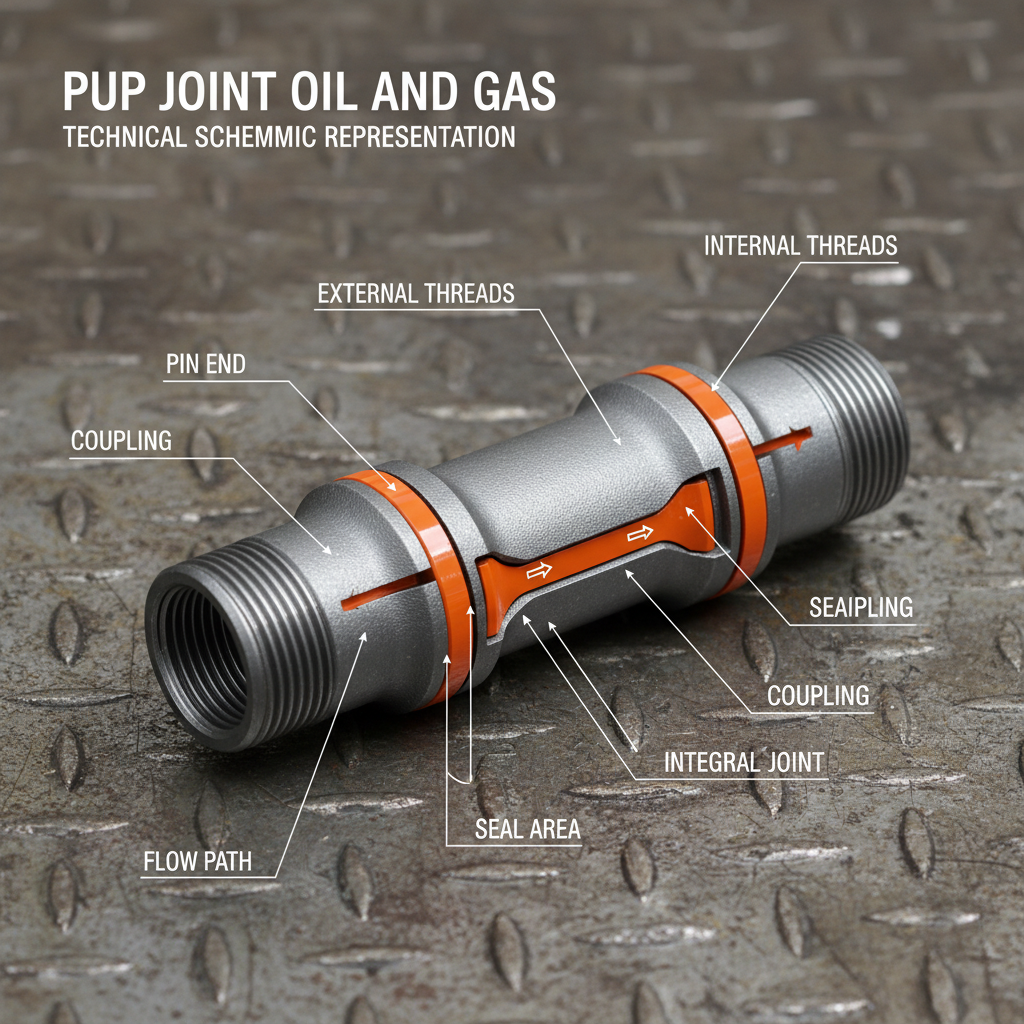
Across the global energy sector, the standardization of bull plug dimensions allows for seamless interoperability between different manufacturers of Casing Pup Joints and Tubing Couplings. Whether operating in the Permian Basin or the North Sea, engineers rely on these specifications to ensure that seals are airtight and capable of withstanding extreme subterranean pressures. Precise measurements are not merely a technical requirement but a critical safety protocol.
By optimizing the fit and tolerance of these components, operators can significantly reduce downtime and maintenance costs. When the bull plug dimensions align perfectly with the female thread of a coupling, it creates a reliable barrier that sustains the operational lifespan of the entire drilling assembly. This guide explores the technical nuances, global standards, and practical applications of these essential oilfield tools.
Global Standards for Bull Plug Dimensions
The global oil and gas industry operates under strict regulatory frameworks such as API (American Petroleum Institute) and ISO standards to ensure that bull plug dimensions are consistent worldwide. These standards define the nominal diameter, thread pitch, and length required to maintain a hermetic seal under extreme thermal expansion and contraction. Adhering to these global benchmarks prevents the costly mistake of mismatching components during critical field operations.
In an era of globalized supply chains, the ability to order a component based on a standardized set of bull plug dimensions ensures that a project in the Middle East can utilize parts manufactured in Asia or North America without compromising safety. This universality is essential for the rapid deployment of Crossover and Tubing Coupling assemblies in high-stakes drilling environments.
Technical Breakdown of Threading and Tolerances
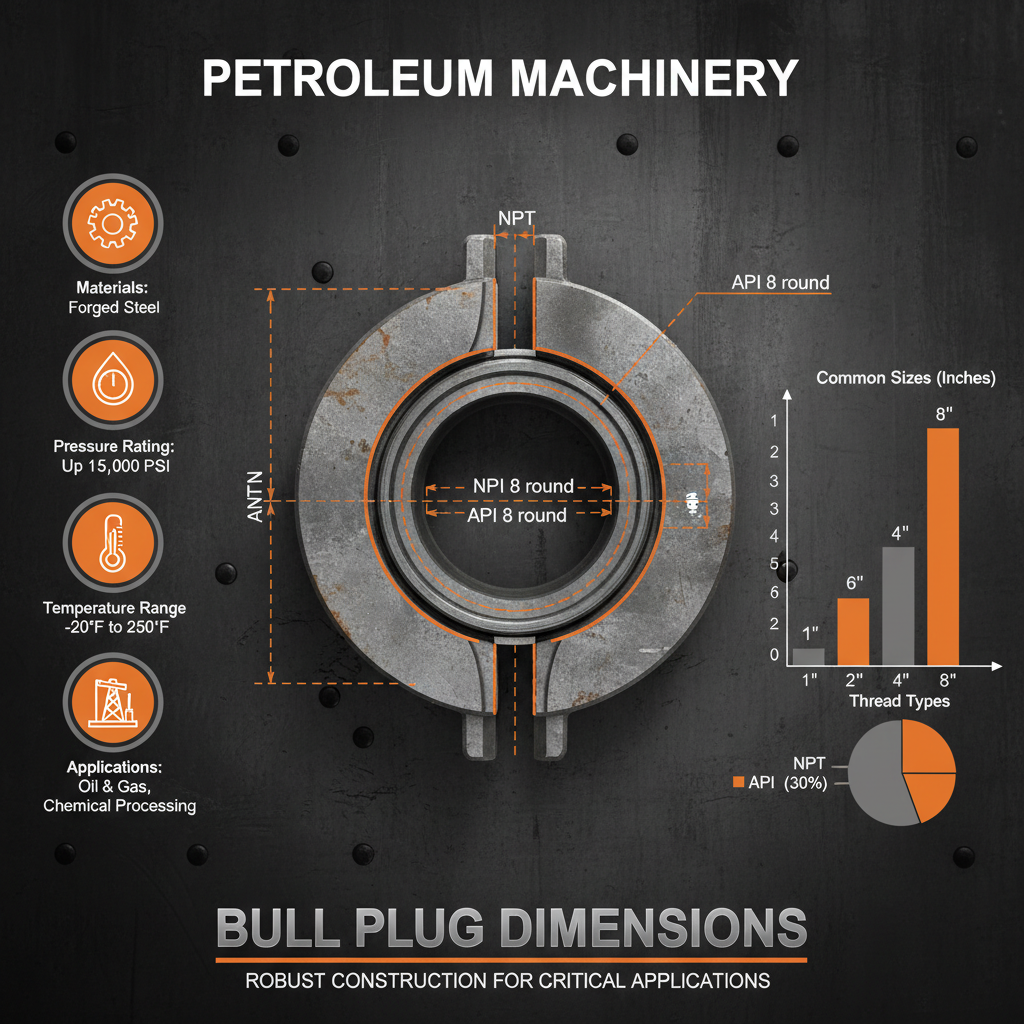
The core of bull plug dimensions lies in the precision of the threading, typically utilizing NPT (National Pipe Tapered) or API premium connections. The taper is critical because it allows the plug to wedge tighter into the female port as torque is applied, creating a mechanical seal. Even a deviation of a few thousandths of an inch in the thread profile can lead to "gas migration" or catastrophic blowouts in high-pressure wells.
Tolerances for these components are categorized into "tight" and "loose" fits, depending on the intended application. For permanent installations, tighter bull plug dimensions are preferred to minimize the reliance on chemical sealants. Conversely, for temporary capping during maintenance, a slightly more flexible tolerance allows for easier removal without damaging the receiving thread of the Casing Coupling.
Furthermore, the hexagonal head dimension of the bull plug is standardized to ensure that common industrial wrenches can be used for installation. This synergy between the thread dimensions and the external drive dimensions ensures that field technicians can achieve the required torque specifications without stripping the hardware.
Material Influence on Dimensional Stability
Selecting the right metallurgy is just as important as the bull plug dimensions themselves. For instance, carbon steel offers excellent strength, but in corrosive H2S (Sour Gas) environments, Chrome-moly or Stainless Steel is required to prevent pitting. Corrosion can effectively change the "actual" dimensions of a plug over time, leading to seal failure.
The interaction between thermal expansion coefficients and bull plug dimensions is a critical engineering consideration. In deep-water drilling, where temperatures can fluctuate wildly, the material must be chosen so that the plug expands and contracts at a rate similar to the Casing Pup Joint it is sealing, maintaining a constant pressure barrier.
Ultimately, the dimensional integrity of a bull plug is only as good as the heat treatment it receives. Improper quenching can lead to internal stresses that cause the plug to warp, subtly altering the bull plug dimensions and rendering the component useless for high-pressure applications.
Performance Metrics Across Pressure Grades
Different pressure ratings—ranging from 3,000 to 15,000 PSI—require specific adjustments in bull plug dimensions, particularly regarding the wall thickness of the plug body. A higher pressure rating generally necessitates a more robust "shoulder" to prevent the plug from being pushed out of the coupling under extreme axial force.
When analyzing the reliability of these components, engineers often compare the performance of various dimensional profiles. The balance between the thread engagement length and the overall length of the plug determines the safety factor of the seal.
Pressure Resistance based on Bull Plug Dimensions
Application in Remote Industrial Zones
In remote industrial zones, such as the Arctic or deep-desert oil fields, the logistics of replacing faulty equipment are nightmarish. In these contexts, over-specifying the bull plug dimensions to ensure a "fail-safe" fit is a common strategy. Having plugs that exceed the minimum wall thickness requirements provides an extra margin of safety against unforeseen geological pressures.
Furthermore, in these isolated regions, the use of standardized bull plug dimensions allows local teams to utilize generic capping tools. This reduces the need for specialized equipment shipments, ensuring that a leak can be plugged in minutes rather than days, which is critical for both environmental protection and worker safety.
Risk Mitigation through Precision Fitting
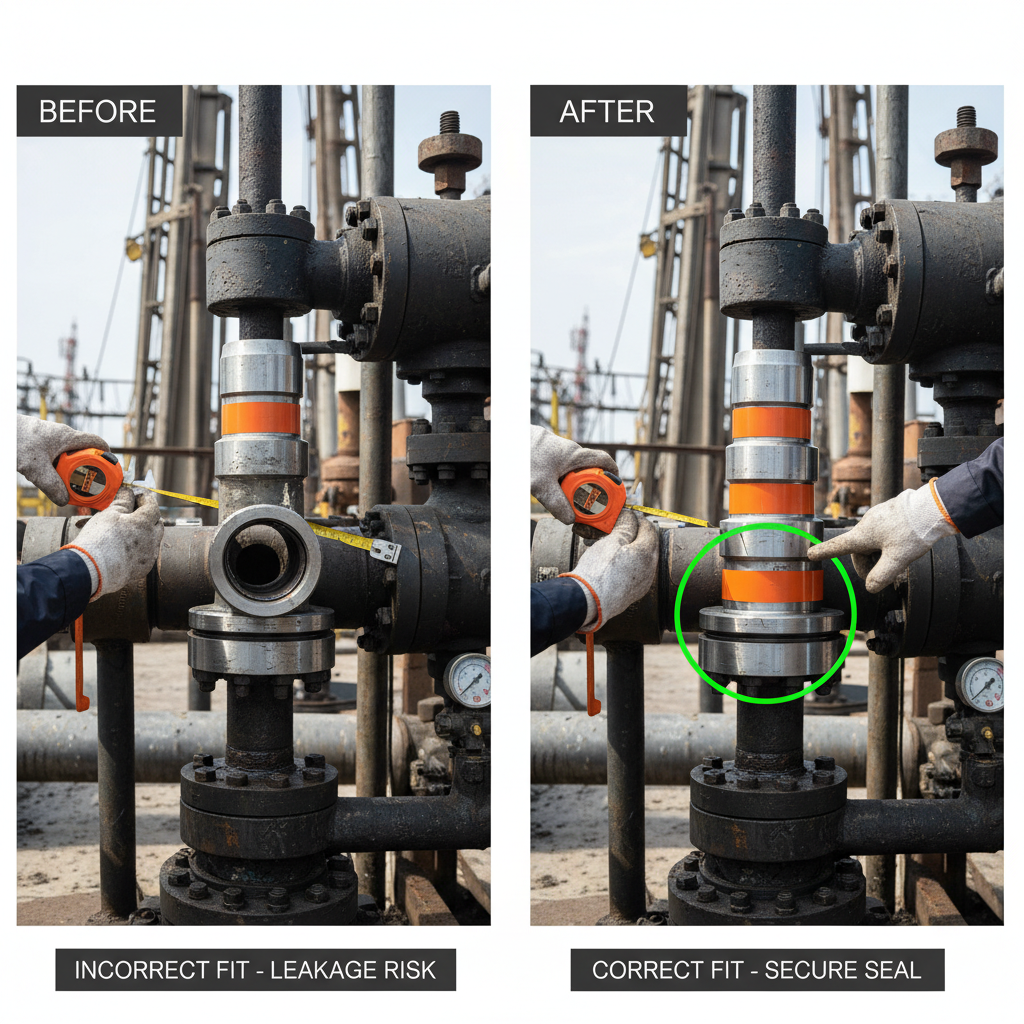
The primary risk associated with incorrect bull plug dimensions is the creation of a "micro-gap." Even if a plug feels tight, a dimensional variance of 0.01mm can allow high-pressure gas to seep through. Over time, this creates "erosion-corrosion" channels in the thread, which eventually leads to a sudden and violent failure of the seal.
To mitigate this, advanced manufacturers employ CNC grinding and laser measurement systems to verify bull plug dimensions before shipping. By utilizing a 100% inspection rate on critical dimensions, companies can guarantee that their Tubing Pup Joints and couplings will interface perfectly with the plugs.
Moreover, the implementation of "torque-turn" monitoring during installation ensures that the dimensions of the plug are properly engaged. If the torque is reached too early, it indicates a dimensional mismatch or a burr in the thread, alerting the operator to a potential failure before the system is pressurized.
Comparative Analysis of Plug Design Variations
Not all plugs are created equal. While the basic bull plug dimensions follow a standard, variations such as "flush-fit" versus "protruding head" designs serve different purposes. Flush-fit designs are essential in tight spaces where other equipment might bump into the plug, whereas protruding heads are designed for high-torque applications.
Another variation is the "tapered-shoulder" design, which distributes the sealing force more evenly across the female thread. This design optimizes the effective bull plug dimensions to reduce the stress concentration at the first thread engagement, significantly increasing the fatigue life of the connection.
Ultimately, the choice between these variations depends on the specific operational environment. For heavy-duty casing operations, a robust, heavy-duty dimensional profile is non-negotiable, whereas for light-duty tubing, a more streamlined approach is sufficient.
Comparative Specifications of Bull Plug Dimensional Variations
| Design Type |
Dimensional Focus |
Pressure Suitability |
Application Area |
| Standard API |
Nominal Taper |
Medium (5k-10k PSI) |
General Casing |
| Heavy Duty |
Increased Wall Thickness |
High (10k-15k PSI) |
Deep-well Drilling |
| Flush Fit |
Minimal Head Projection |
Low-Medium (3k-5k PSI) |
Compact Manifolds |
| Premium Taper |
Precision Angle |
Ultra High (15k+ PSI) |
HPHT Wells |
| Corrosion Resistant |
Tight Tolerance Fit |
Medium (5k-10k PSI) |
Sour Gas Fields |
| Extended Shoulder |
Wide Load Distribution |
High (10k-12k PSI) |
Axial Stress Zones |
FAQS
Precise dimensions ensure a perfect mechanical interface between the plug and the coupling. In high-pressure environments, even a microscopic gap can lead to "gas migration," where pressurized fluids carve paths through the threads, eventually causing a blowout. Correct dimensions ensure that the taper wedges perfectly, creating a gas-tight seal.
While both use tapers, API standards for oilfield equipment often have different thread profiles and tolerance bands compared to general industrial NPT. API-specific bull plug dimensions are designed to handle the extreme axial loads and corrosive environments found in oil wells, whereas NPT is more common in general plumbing and low-pressure industrial piping.
Yes, thermal expansion and contraction can alter dimensions. In extreme heat, materials expand, which can either tighten the seal or, if the expansion is uneven, create gaps. This is why engineers select materials with thermal coefficients that match the surrounding casing or tubing to maintain dimensional stability.
If a plug is oversized, it may not engage enough threads to provide a secure seal, or it may require excessive torque to install. This can lead to "thread galling" or cracking the female coupling, which permanently damages the piping system and requires an expensive replacement of the entire joint.
Dimensions should be verified during the Quality Control (QC) phase before shipping and again upon arrival at the rig site using calibrated gauges. For critical high-pressure zones, it is recommended to perform a "fit-check" on a sample of the couplings to ensure there have been no manufacturing deviations.
The nominal dimensions remain the same to ensure compatibility, but the "actual" tolerances may vary slightly depending on the machining process of the material. For example, stainless steel requires different cutting speeds and tolerances than carbon steel to achieve the same precise final bull plug dimensions.
Conclusion
In summary, bull plug dimensions are far more than simple measurements; they are the cornerstone of safety and operational efficiency in oil and gas extraction. From the adherence to API global standards to the careful selection of metallurgy and the implementation of rigorous QC checks, every millimeter counts. Ensuring that these components interface perfectly with Casing Pup Joints and Tubing Couplings is the only way to guarantee a leak-free system in the world's most demanding environments.
As the industry moves toward ultra-deepwater drilling and higher-pressure reservoirs, the demand for even more precise dimensional tolerances will grow. Investing in high-quality, precision-engineered components today prevents the catastrophic failures of tomorrow. To ensure your operations are backed by the highest standards of dimensional accuracy and material integrity, we invite you to explore our professional solutions. Visit our website: www.wjpetroleum.com