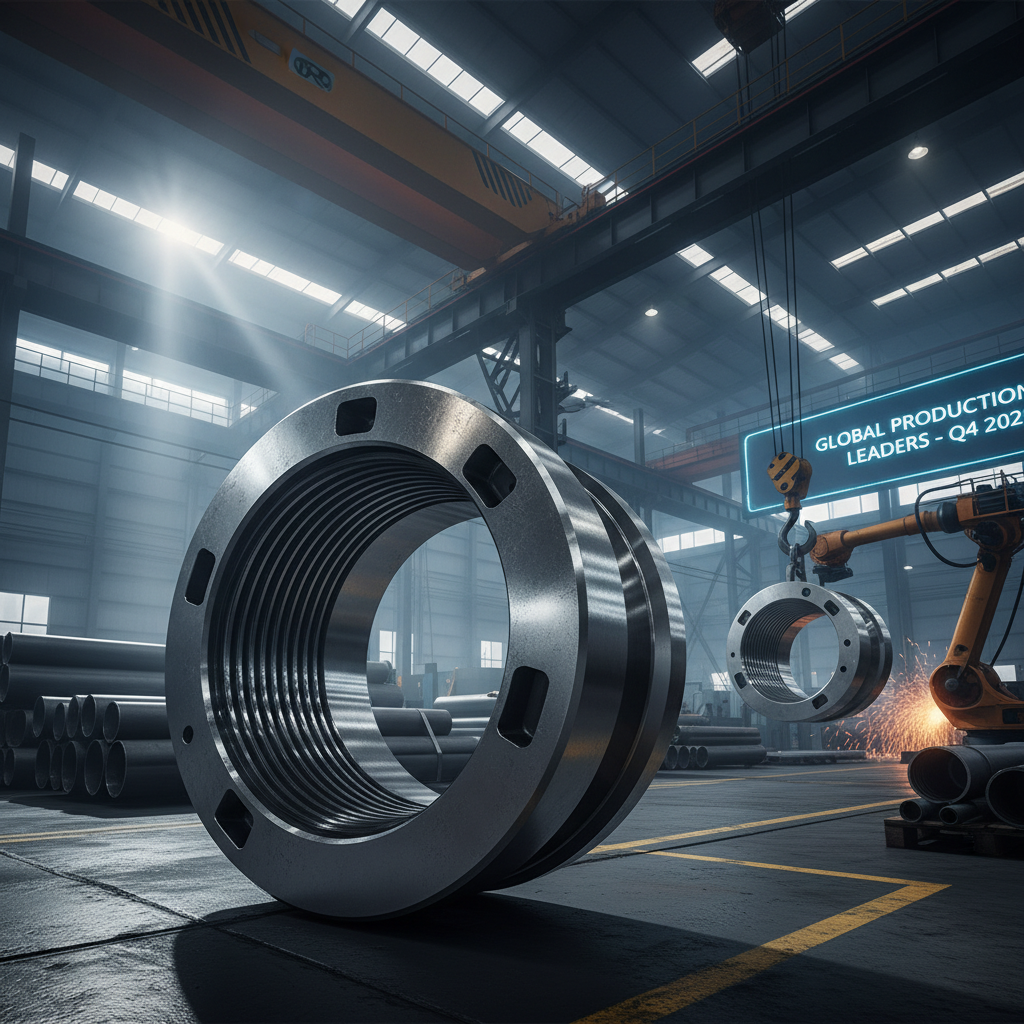
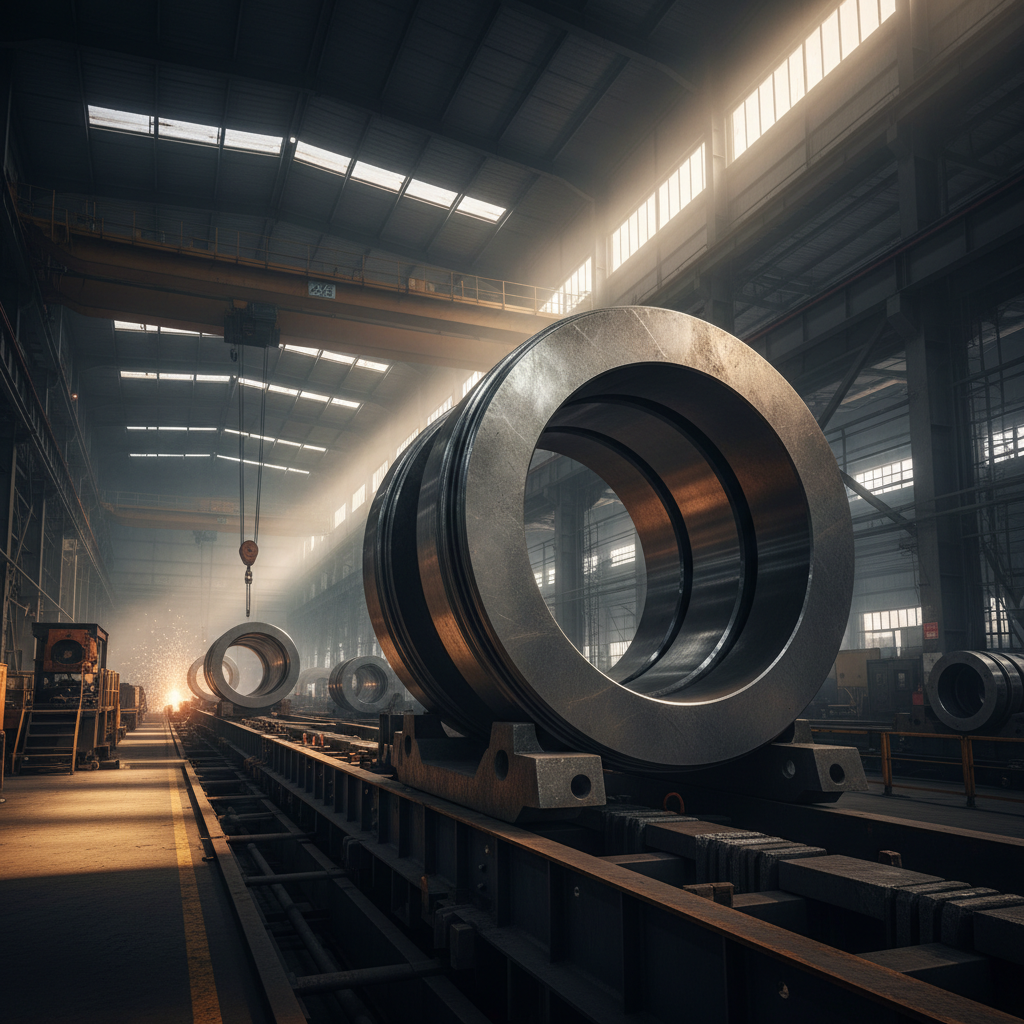
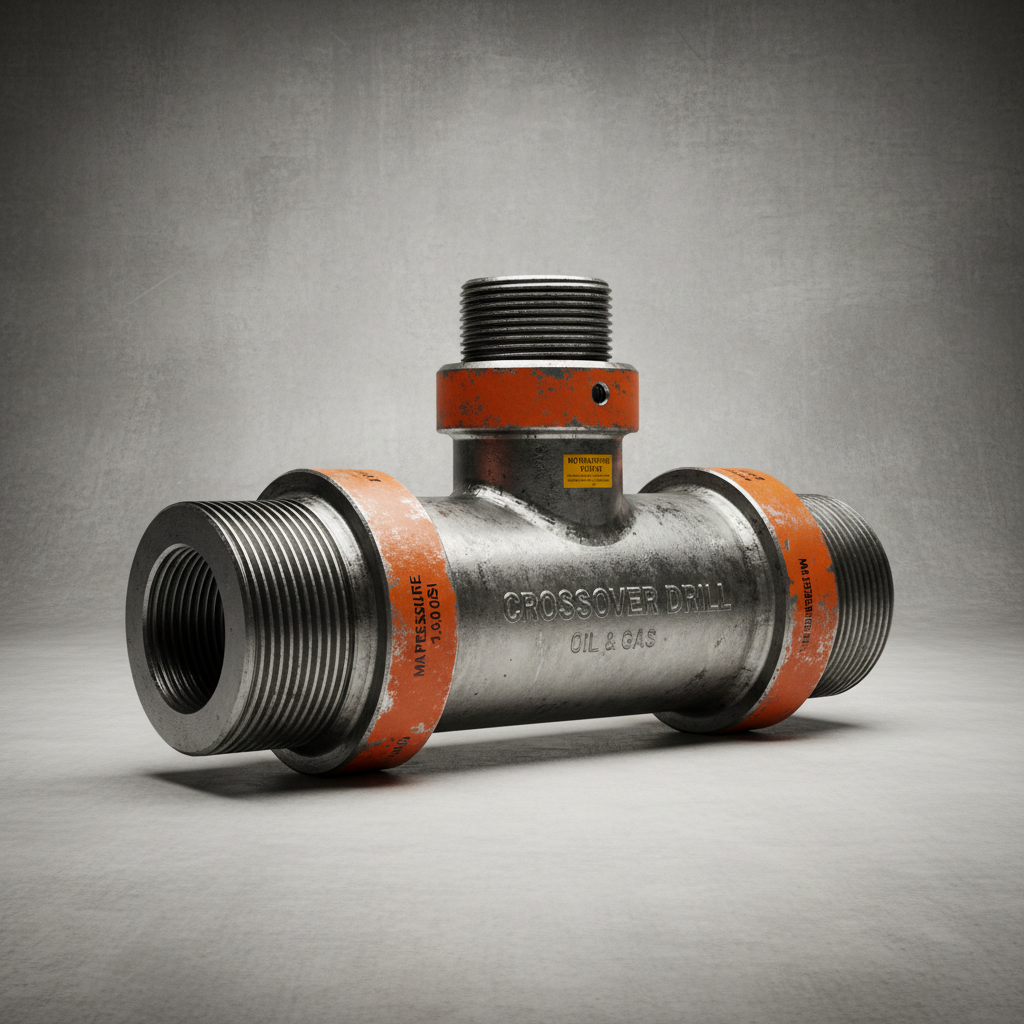
Well casing coupling is a critical component in the oil and gas industry, ensuring the structural integrity and safe operation of wells. This process joins sections of well casing together, creating a continuous pipe that extends from the surface to the production zone. The significance of robust and reliable well casing coupling extends beyond just oil and gas; it's vital in water well construction, geothermal energy projects, and even mineral exploration. Understanding the nuances of well casing coupling leads to improved well performance, reduced operational risks, and ultimately, cost savings.
Globally, the demand for energy and water continues to rise, driving the need for efficient and reliable well construction. According to the US Energy Information Administration, global oil consumption is projected to increase in the coming decades. Similarly, the UN estimates that billions of people lack access to safely managed drinking water. This increasing demand places a greater emphasis on effective well casing solutions, where well casing coupling plays an essential role. The industry is constantly evolving, with a focus on developing more durable, cost-effective, and environmentally friendly coupling technologies.
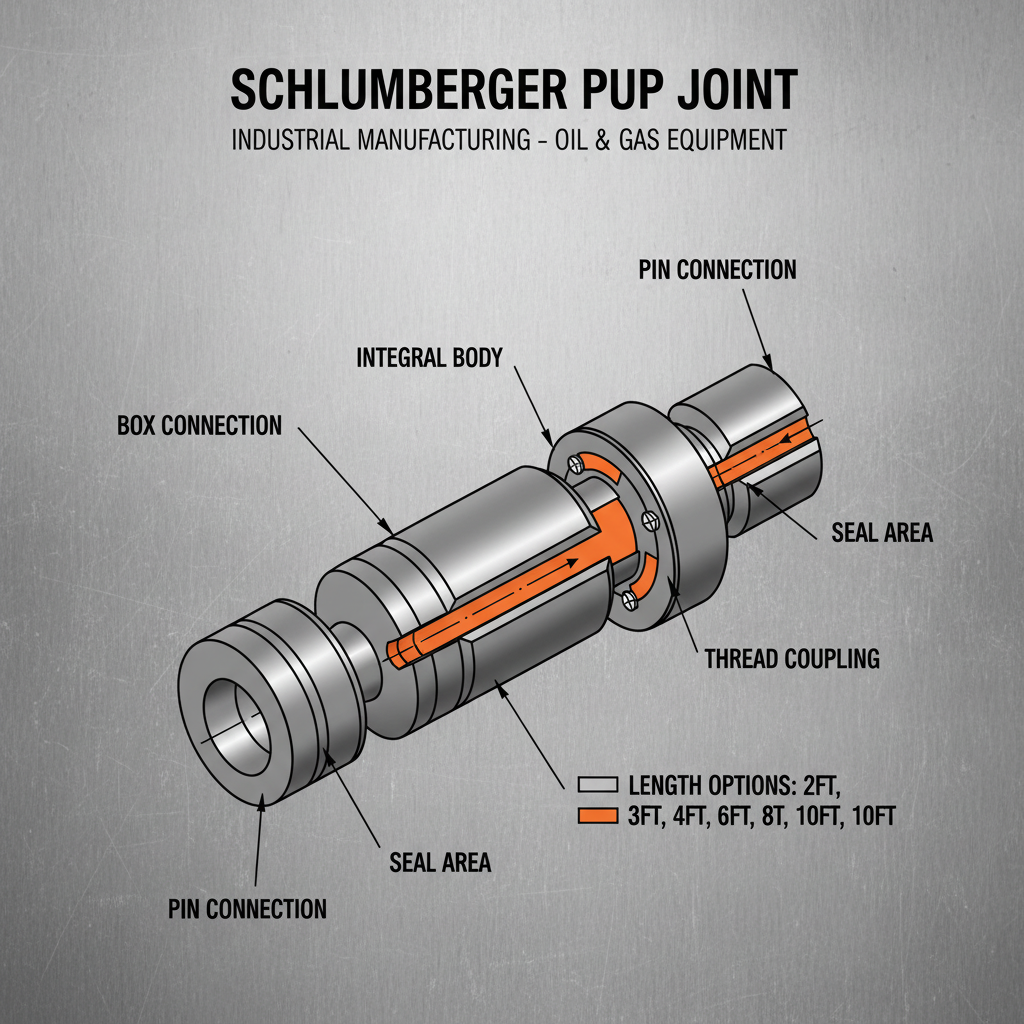
At its core, well casing coupling refers to the methods and components used to connect individual lengths of well casing pipe. These connections must withstand immense pressure, tension, and corrosive environments, ensuring a leak-proof seal and maintaining the wellbore's stability. Modern well casing coupling techniques utilize threaded connections, specialized couplings, and increasingly, friction welding and other advanced joining methods. The efficient and reliable joining of well casing is paramount for long-term well productivity and environmental protection.
Introduction to Well Casing Coupling
Well casing coupling isn't simply about joining pipes; it's a vital engineering process that directly impacts well integrity and longevity. A poorly executed coupling can lead to catastrophic failures, environmental contamination, and substantial economic losses. Therefore, careful selection of coupling methods, materials, and installation procedures are crucial. This is particularly important in challenging environments like high-pressure/high-temperature (HPHT) wells and those containing corrosive fluids.
The growing emphasis on sustainability also influences well casing coupling practices. Operators are increasingly seeking materials and techniques that minimize environmental impact and reduce the lifecycle cost of wells. This includes exploring corrosion-resistant alloys, optimizing coupling designs to reduce material usage, and employing advanced monitoring technologies to detect potential failures before they occur. Effective well casing coupling contributes significantly to responsible resource development.
Defining Well Casing Coupling
Well casing coupling encompasses the techniques and components used to create a secure, leak-proof joint between sections of well casing. The primary goal is to maintain the structural integrity of the wellbore, preventing fluid migration and ensuring the safe and efficient extraction of resources. This differs significantly from simple pipe joining in other industries due to the extreme pressures, temperatures, and corrosive environments encountered in wellbores.
The process requires specialized couplings – typically threaded connections, but increasingly including alternatives like flush-joint connections and mechanical couplings. The design of these couplings is critical; they must be able to withstand axial tension, compression, bending moments, and internal/external pressure. Proper coupling installation, including appropriate torque application and thread cleaning, is equally important to ensure a reliable seal.
Modern well casing coupling is intrinsically linked to advancements in materials science and engineering. High-strength steel alloys, corrosion-resistant alloys (CRAs), and composite materials are all used to enhance coupling performance and extend the lifespan of wells. The evolution of well casing coupling reflects the industry’s continuous pursuit of safer, more efficient, and more sustainable well construction practices.
Core Components of Effective Coupling
Several key factors contribute to the effectiveness of well casing coupling. Firstly, Material Compatibility is paramount. The coupling material must be compatible with both the casing material and the fluids within the wellbore to prevent corrosion and galvanic reactions. Secondly, Connection Design – whether threaded, mechanical, or another type – significantly impacts the connection's strength and sealing capability.
Torque Control is a crucial aspect of installation. Applying the correct torque ensures proper thread engagement and a reliable seal, avoiding both under-tightening (which can lead to leaks) and over-tightening (which can damage the threads). Finally, Seal Integrity is the ultimate measure of a successful coupling. This requires careful attention to thread cleaning, the use of thread sealants where appropriate, and rigorous quality control testing.
Corrosion Resistance is increasingly important, particularly in harsh well environments. Selecting couplings made from corrosion-resistant alloys or utilizing protective coatings can significantly extend the lifespan of the well. Furthermore, Pressure Rating must be carefully considered, ensuring the coupling can withstand the maximum anticipated pressure within the wellbore.
Global Applications of Well Casing Coupling
Well casing coupling finds widespread application across the global energy sector. In North America, it’s heavily utilized in shale gas and oil development, demanding high-performance couplings to withstand the stresses of hydraulic fracturing. The Middle East, with its prolific oil and gas reserves, relies on robust well casing coupling to manage challenging reservoir conditions and corrosive environments.
In Asia-Pacific, particularly in countries like China and Indonesia, well casing coupling is essential for both onshore and offshore oil and gas exploration and production. Furthermore, the demand is growing in South America for applications in conventional and unconventional resources. Beyond oil and gas, well casing coupling is crucial in water well construction globally, providing access to safe and reliable water sources.
Increasingly, well casing coupling technologies are being adapted for geothermal energy projects, where high temperatures and corrosive fluids present significant engineering challenges. In remote industrial zones or post-disaster relief operations, reliable well casing coupling is fundamental for establishing vital water supplies. These diverse applications demonstrate the broad and critical role well casing coupling plays in supporting global infrastructure and resource management.
Well Casing Coupling Performance Metrics
Advantages and Long-Term Value
Investing in high-quality well casing coupling delivers significant tangible benefits. Firstly, Cost Reduction: reliable couplings minimize the risk of well failures, reducing costly workovers and downtime. Secondly, Enhanced Safety: a secure wellbore prevents uncontrolled fluid releases, protecting workers and the environment.
The Long-Term Reliability provided by robust couplings extends the productive life of a well, maximizing return on investment. Furthermore, advanced coupling technologies contribute to Sustainable Operations by reducing material usage and minimizing environmental impact. The emotional benefit of ensuring safety and environmental stewardship builds trust with stakeholders and reinforces a company’s commitment to responsible resource development.
Future Trends and Innovations
The future of well casing coupling is driven by a confluence of technological advancements and evolving industry needs. Digitalization is playing a key role, with the development of smart couplings equipped with sensors that monitor stress, corrosion, and temperature in real-time. Automation in the coupling installation process, utilizing robotic systems, promises to improve efficiency and consistency.
Friction welding and other advanced joining methods are gaining traction, offering superior strength and eliminating the need for threaded connections. New materials, including high-strength alloys and composite materials, are being developed to enhance corrosion resistance and reduce weight. A growing focus on sustainability is driving the development of environmentally friendly couplings and installation practices.
Challenges and Solutions in Well Casing Coupling
Despite advancements, several challenges remain in well casing coupling. Corrosion in harsh well environments continues to be a major concern, requiring the use of expensive corrosion-resistant alloys or protective coatings. HPHT wells pose significant engineering challenges, demanding couplings that can withstand extreme pressures and temperatures.
Installation complexities in deviated and horizontal wells can make it difficult to achieve proper torque and seal integrity. Solutions include developing more robust corrosion-resistant materials, optimizing coupling designs for HPHT applications, and utilizing advanced installation techniques like robotic systems. Implementing rigorous quality control procedures and utilizing predictive maintenance strategies can also mitigate risks and extend the lifespan of well casing couplings.
Furthermore, ongoing research into new materials and joining methods is crucial for addressing these challenges and ensuring the long-term reliability of wellbores.
Summary of Well Casing Coupling Challenges and Corresponding Solutions
| Challenge |
Severity (1-10) |
Potential Solution |
Implementation Cost (USD) |
| Corrosion in Sour Gas Wells |
9 |
Utilize Corrosion-Resistant Alloys (CRAs) |
50,000 - 150,000 |
| HPHT Wellbore Integrity |
8 |
Advanced Coupling Designs & Materials |
75,000 - 200,000 |
| Installation in Deviated Wells |
7 |
Robotic Installation Systems |
100,000 - 300,000 |
| Thread Damage During Handling |
6 |
Improved Thread Protectors & Handling Procedures |
5,000 - 20,000 |
| Leakage Due to Improper Torque |
7 |
Automated Torque Monitoring & Control |
20,000 - 50,000 |
| Material Defects |
5 |
Non-Destructive Testing (NDT) |
10,000 - 30,000 |
FAQS
The lifespan of a well casing coupling varies greatly depending on the well environment, including temperature, pressure, and fluid composition. However, with proper material selection and installation, a well casing coupling can reliably perform for 20-30 years, or even longer in less aggressive environments. Regular inspection and maintenance are crucial for maximizing lifespan and preventing premature failure. Corrosion monitoring and preventative measures can significantly extend service life.
The type of well casing coupling directly impacts the well’s integrity. A properly selected and installed coupling creates a leak-proof seal, preventing fluid migration and maintaining wellbore stability. Conversely, a faulty coupling can lead to corrosion, erosion, and ultimately, well failure. Threaded connections are common, but mechanical couplings and flush-joint connections offer advantages in specific applications. The choice must consider the well's specific challenges and operational requirements.
Threaded couplings rely on threaded connections to join casing sections, requiring precise torque control for a proper seal. Non-threaded couplings, like mechanical or friction-welded couplings, offer a more uniform stress distribution and eliminate the risk of thread stripping. Non-threaded couplings are often preferred in HPHT wells or where corrosion is a major concern. However, they typically require specialized installation equipment and can be more expensive upfront.
Thread sealant plays a crucial role in enhancing the sealing performance of threaded well casing couplings. It fills microscopic gaps between the threads, creating a barrier against fluid leakage. Sealants also provide lubrication during installation, reducing the risk of galling and damage to the threads. Choosing the right sealant is essential; it must be compatible with the well fluids and operating temperature to maintain its effectiveness over time.
Well casing couplings undergo rigorous testing to ensure their reliability. Common tests include hydrostatic pressure testing, tensile strength testing, and corrosion resistance testing. Hydrostatic testing verifies the coupling’s ability to withstand internal pressure without leaking. Tensile testing assesses its load-bearing capacity, while corrosion tests evaluate its resistance to degradation in harsh environments. Non-destructive testing (NDT) methods, like ultrasonic testing, are used for in-service inspections.
Several emerging technologies are revolutionizing well casing coupling. These include friction welding, which creates a strong, leak-proof joint without threads; smart couplings equipped with sensors for real-time monitoring; and the use of advanced materials like high-strength alloys and composite materials. Automation of the installation process using robotic systems is also gaining traction, promising improved efficiency and consistency.
Conclusion
Well casing coupling is a fundamental aspect of safe, efficient, and sustainable resource development. From ensuring the structural integrity of wellbores to mitigating environmental risks, the proper selection, installation, and monitoring of well casing couplings are paramount. Understanding the core components, global applications, and future trends in this field is essential for professionals in the oil and gas, water well, and geothermal energy sectors.
Looking ahead, continued innovation in materials, joining techniques, and monitoring technologies will further enhance the performance and reliability of well casing couplings. By embracing digitalization, automation, and a commitment to sustainability, the industry can overcome current challenges and unlock new opportunities for responsible resource management. To learn more about high-quality well casing coupling solutions, visit our website: www.wjpetroleum.com.