Look, I’ve spent the last fifteen years knee-deep in concrete, dust, and deadlines. I’ve seen projects stalled by simple things – a missing fitting, a delayed delivery, a connection that just won’t hold. That’s why I understand the value of a solid, reliable component like a hex bull plug. It’s not glamorous, but it matters. It’s the piece that keeps things running, that prevents headaches down the line. We’re talking about secure, efficient connections in demanding environments, and a hex bull plug, done right, delivers exactly that. It’s about keeping projects on schedule and, frankly, keeping people safe.
There’s a lot of talk about innovation and disruption, and that’s great, but sometimes the best advancements are in perfecting the fundamentals. A hex bull plug isn't some flashy new tech; it's a refined solution to a core problem – joining pipes securely and reliably. We rely on these things daily, from temporary water lines on a site to critical infrastructure connections. Choosing the right one can mean the difference between a smooth operation and a costly shutdown. You want something that can handle the pressure, the vibration, and the inevitable abuse of a construction site.
I've seen too many crews scrambling for makeshift solutions when a standard fitting fails. That’s time wasted, money lost, and a potential safety hazard. A good hex bull plug, with the right specifications, is a preventative measure. It's a small investment that pays dividends in efficiency and peace of mind. That's what I preach to my teams, and that’s what I look for when specifying materials. It’s about building solid, lasting infrastructure.
The Importance of a Reliable hex bull plug
You wouldn’t build a skyscraper on a shaky foundation, would you? It’s the same principle with piping systems. A hex bull plug is often that foundational connection, ensuring a tight, secure seal. We see them used constantly in temporary infrastructure – water lines for dust control, compressed air for tools – and even in permanent installations. The quality of the plug directly impacts the efficiency of the whole system. A leak, a blowout, or a failed connection means downtime, repairs, and potentially unsafe conditions.
I've found that crews often underestimate the importance of properly tightened connections. A hex bull plug, with its easy-to-use hexagonal head, makes achieving the right torque much simpler than dealing with rounded or corroded fittings. That's a huge benefit when you've got a team working under pressure to meet a deadline. Plus, a properly secured plug minimizes the risk of environmental contamination – something that’s increasingly important with stricter regulations.
Defining the hex bull plug: Beyond a Simple Connector
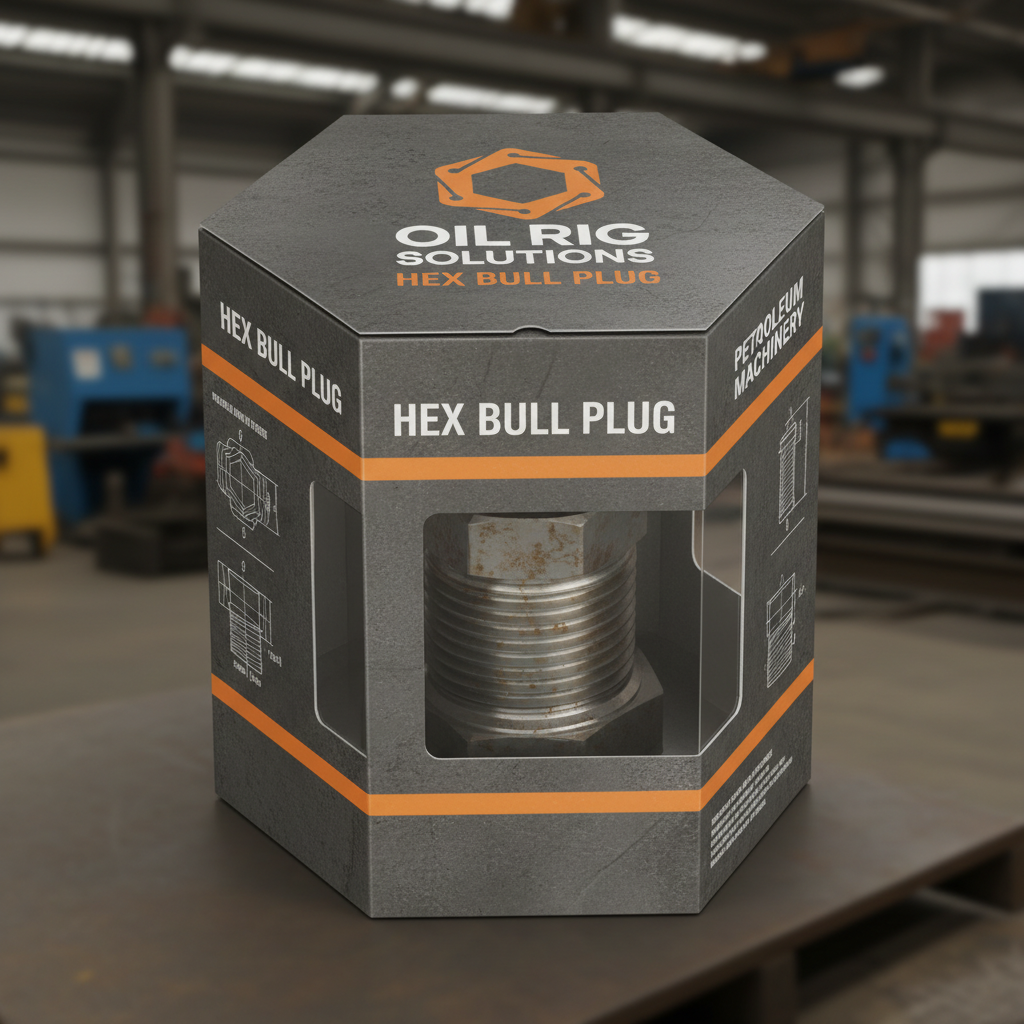
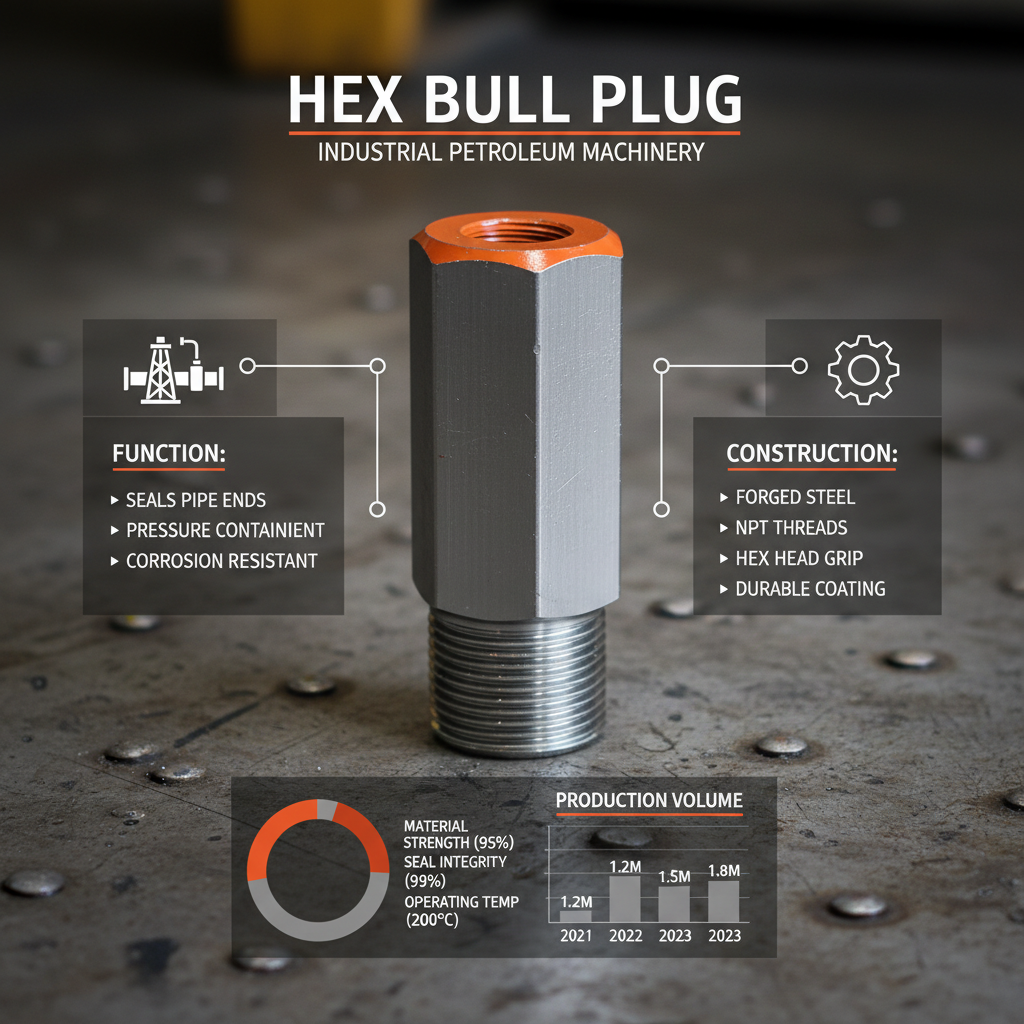
A hex bull plug, in its simplest form, is a threaded fitting used to close off the end of a pipe. But it’s more than just a cap. It's a critical component designed to withstand pressure, temperature variations, and the stresses of industrial environments. They’re typically made from materials like steel, stainless steel, or brass, chosen for their strength and corrosion resistance. The “hex” refers to the six-sided head, allowing for easy tightening with a standard wrench. It’s a seemingly small detail, but it makes a world of difference on a busy job site.
The real value lies in understanding the specifications. Thread type (NPT, BSP, etc.), material grade, and pressure rating all matter. Using the wrong plug for the application can lead to leaks, failures, and potentially dangerous situations. I always emphasize to my teams that they need to verify the compatibility of the plug with the pipe material and the intended operating conditions. It's a non-negotiable safety step.
Beyond the basic function, hex bull plugs play a role in maintaining system integrity during testing and maintenance. They allow for isolation of sections of piping for repairs or inspections without disrupting the entire system. That ability to quickly and effectively isolate and repair is invaluable.
Key Factors for Selecting the Right hex bull plug
First, material compatibility is huge. You can’t just slap any plug onto any pipe. Different materials react differently to temperature, pressure, and the substances flowing through the pipe. Using a steel plug on an aluminum pipe, for example, can lead to galvanic corrosion and eventual failure. We always consult material compatibility charts before specifying any fitting.
Second, pressure rating is critical. The plug must be able to withstand the maximum pressure the system will experience. Underestimating the pressure can lead to catastrophic failure. We always build in a safety factor – choosing a plug with a higher pressure rating than the system requires. It’s better to overspec than to risk a blowout.
Third, thread type must be correct. NPT (National Pipe Thread) is common in North America, while BSP (British Standard Pipe) is prevalent elsewhere. Mixing them up will result in leaks. Fourth, corrosion resistance is key, especially in harsh environments. Stainless steel plugs are often the best choice for outdoor or corrosive applications.
Global Applications of the hex bull plug
I’ve seen hex bull plugs in use everywhere from oil refineries in Texas to water treatment plants in Europe and construction sites across Asia. They’re a truly universal fitting. In oil and gas, they’re used for plugging wellheads during maintenance and for capping off pipelines. In water treatment, they’re used to isolate sections of piping for cleaning and repair.
We frequently use them on construction sites for temporary water lines, compressed air systems, and even for dust suppression. They’re also critical in the mining industry, where they’re used in slurry lines and hydraulic systems. They’re even found in agricultural applications, for irrigation systems and fertilizer delivery.
In post-disaster relief operations, quickly establishing clean water supplies is paramount. Hex bull plugs, along with flexible piping, can be rapidly deployed to create temporary water distribution networks. Their simplicity and reliability make them ideal for these emergency situations.
Performance Comparison of hex bull plug Materials
Advantages and Long-Term Value of Using hex bull plug
The biggest advantage is, frankly, reliability. A well-made hex bull plug, properly installed, will last for years, minimizing the need for replacements. This translates into cost savings over the long term. Sure, a cheaper plug might save you a few bucks upfront, but the cost of a failure – downtime, repairs, potential environmental damage – will far outweigh those initial savings.
From a safety perspective, a secure connection is paramount. Leaks can create slip hazards, and failures can lead to catastrophic events. Using quality hex bull plugs contributes to a safer working environment. And let’s not forget the environmental impact. Preventing leaks reduces waste and minimizes the risk of contamination.
Future Trends and Innovation in hex bull plug Technology
We’re seeing a move towards smart fittings – hex bull plugs with integrated sensors that can monitor pressure, temperature, and flow rate. These sensors can provide real-time data, allowing for proactive maintenance and preventing potential failures. It's a step towards predictive maintenance, and that's a game-changer.
There’s also research into new materials – alloys that offer even greater corrosion resistance and strength. Additive manufacturing (3D printing) is also opening up possibilities for creating custom hex bull plugs tailored to specific applications. It's exciting to see how technology is improving even the most fundamental components.
Sustainability is another driving force. Manufacturers are exploring the use of recycled materials and more efficient manufacturing processes to reduce the environmental footprint of hex bull plugs.
Common Challenges and Practical Solutions with hex bull plug
One common issue is improper tightening. Too loose, and you get leaks. Too tight, and you risk stripping the threads. Using a torque wrench is essential, but even then, experience is key. Another challenge is corrosion, especially in saltwater environments. Regular inspection and preventative maintenance – cleaning and applying a corrosion inhibitor – can help mitigate this.
We also see issues with thread damage during handling and installation. Protecting the threads during transport and storage is crucial. Using a thread sealant or Teflon tape can help ensure a tight seal, even if the threads are slightly damaged. Training crews on proper installation techniques is also vital.
Analysis of Common Issues and Solutions for hex bull plug
| Issue |
Severity (1-10) |
Likelihood (1-10) |
Recommended Solution |
| Thread Damage |
7 |
6 |
Use thread sealant, inspect carefully. |
| Improper Tightening |
9 |
8 |
Use torque wrench, train personnel. |
| Corrosion |
8 |
5 |
Use corrosion-resistant materials, apply inhibitor. |
| Material Incompatibility |
10 |
3 |
Consult material compatibility charts. |
| Pressure Rating Exceeded |
10 |
2 |
Verify pressure rating, use higher-rated plug. |
| Incorrect Thread Type |
7 |
4 |
Confirm thread type (NPT/BSP) before installation. |
FAQS
Protecting the threads is crucial. Always store hex bull plugs in a dry, clean environment, ideally with thread protectors installed. During transport, secure them to prevent them from rubbing against other materials. A little preventative care goes a long way in avoiding costly replacements and delays on the job site.
Never guess! Calculate the maximum pressure your system will experience, including any surge pressures. Then, choose a hex bull plug with a pressure rating that's higher than that calculated maximum. A good rule of thumb is to add a safety factor of at least 20%. Consulting with a qualified engineer is always recommended for critical applications.
NPT (National Pipe Thread) is a tapered thread standard commonly used in North America, while BSP (British Standard Pipe) is a parallel thread standard widely used elsewhere. They are not interchangeable. Attempting to connect NPT and BSP fittings will result in leaks. Always verify the thread type before installation.
While it might be possible to reuse a hex bull plug, it’s generally not recommended, especially in critical applications. Each time it's tightened and loosened, the threads can become damaged. Using a new plug ensures a reliable, leak-free connection. The cost of a new plug is minimal compared to the cost of a failure.
Stainless steel offers superior corrosion resistance, making it ideal for harsh environments, such as those exposed to saltwater, chemicals, or extreme temperatures. While more expensive than other materials, stainless steel hex bull plugs provide a longer service life and require less maintenance, offering better long-term value.
Extremely important! Proper tightening is critical for achieving a leak-free seal. A torque wrench ensures you apply the correct amount of force, preventing both under-tightening (leading to leaks) and over-tightening (damaging the threads). Consult the manufacturer's specifications for the recommended torque value.
Conclusion
At the end of the day, the hex bull plug is a seemingly simple component that plays a vital role in ensuring the safety, efficiency, and longevity of countless systems. From temporary site setups to critical infrastructure, its reliability is paramount. Focusing on material selection, proper installation, and preventative maintenance – these are the keys to maximizing its value.
Don't underestimate the importance of this small, but mighty fitting. Investing in quality hex bull plugs and training your team on proper procedures is a smart move that will pay dividends in reduced downtime, lower repair costs, and a safer working environment. For dependable hex bull plugs and expert advice, visit our website.