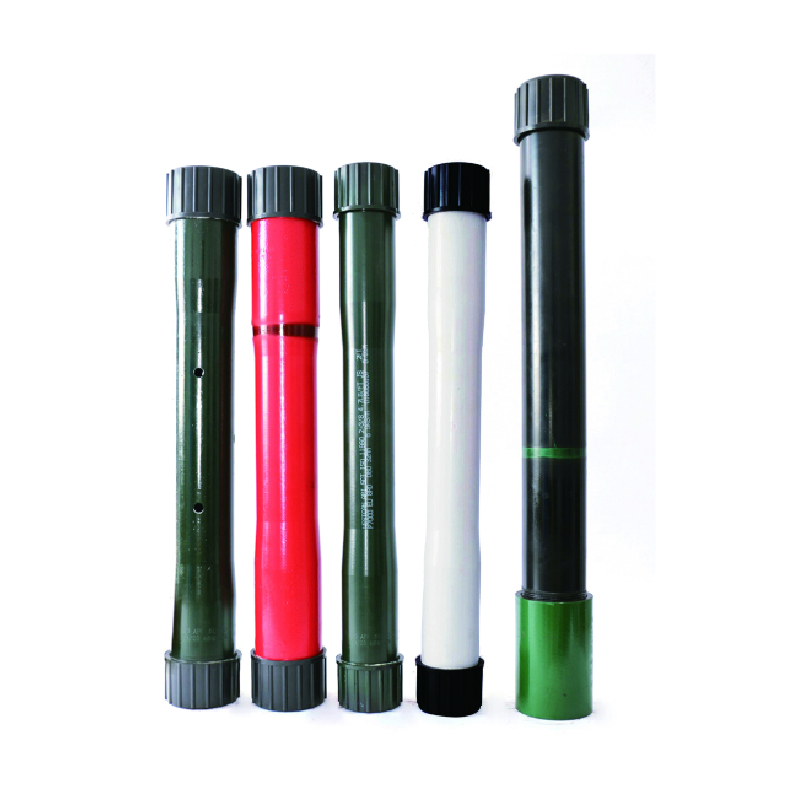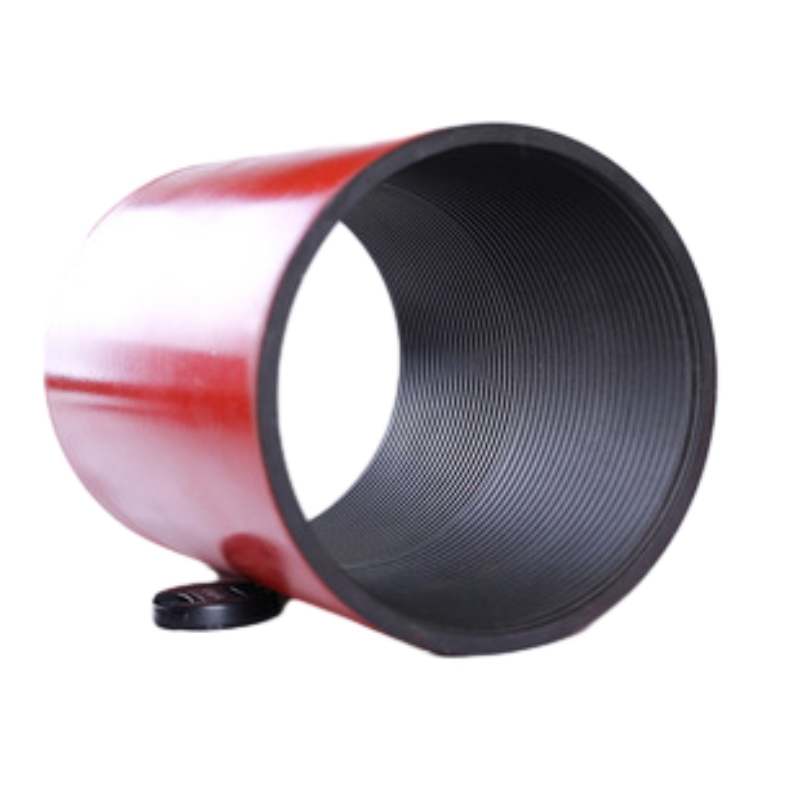


Understanding Female Threaded Coupling: Applications, Benefits & Future Trends
Female Threaded Coupling: The Unsung Hero of Industrial Connections
When you pause and think about how countless industries—from oil and gas to water systems and construction—rely on solid, leak-proof piping connections, the humble female threaded coupling quietly emerges as an indispensable component. It might seem like a niche piece, but globally, its role is anything but minor. Ensuring secure pipe connections, facilitating maintenance, and sustaining system integrity are just some of its key benefits. Grasping the importance of these couplings can greatly improve both project outcomes and operational longevity.
Introduction: Why Female Threaded Couplings Matter Globally
Oddly enough, when you browse the standards set by organizations like ISO and ANSI, threaded couplings consistently pop up as critical elements in piping systems worldwide. It's estimated that the industrial piping market, valued at around $50 billion in 2023, heavily depends on reliable coupling systems to function safely and efficiently (source: industry market reports). From high-pressure oil fields in the Middle East to water distribution networks in Europe, these couplings ensure connections remain tight under intense operational stresses. However, a common challenge—especially in remote or extreme environments—is achieving quick, reliable installation without compromising safety.
Definition & Meaning: What Exactly Is a Female Threaded Coupling?
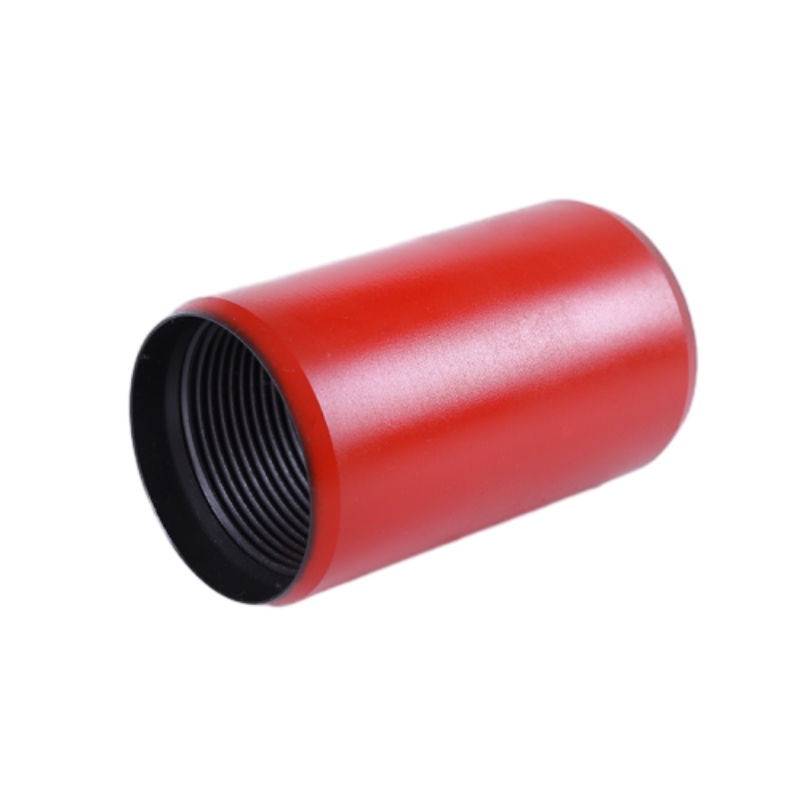
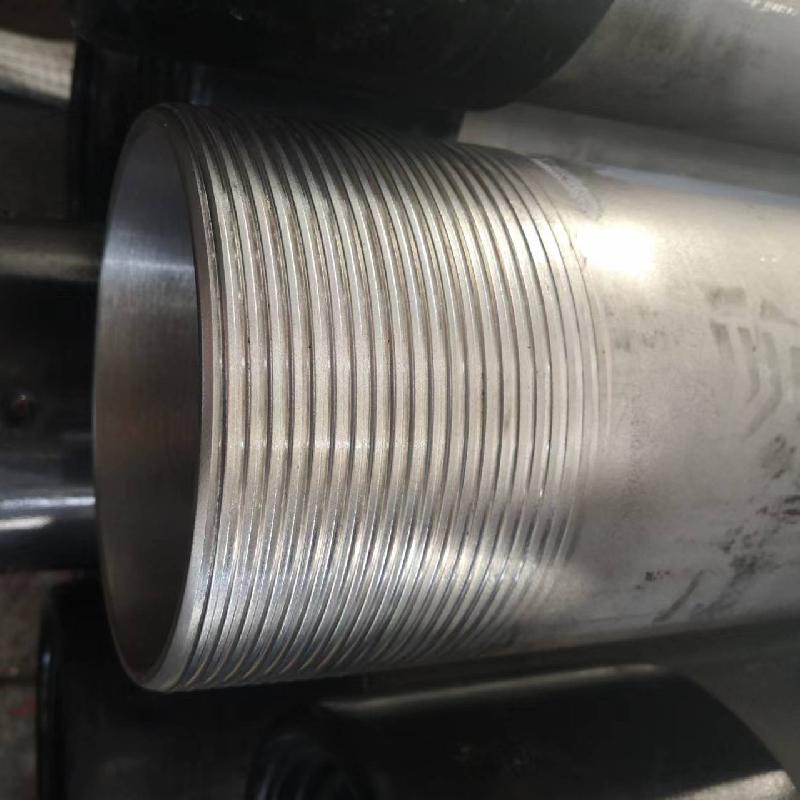
In simple terms, a female threaded coupling is a pipe fitting with internal threads that connect to a corresponding male threaded pipe end. This enables two pipes or fittings to join securely. You could say it’s the female counterpart in a threaded pipe union, designed to maintain a strong seal even under pressure. These couplings are critical across multiple industries because they allow for modular, maintainable systems without needing welding or permanent joining techniques.
Beyond industry, female threaded couplings have a surprising role in humanitarian contexts—think post-disaster water restoration projects or emergency fuel distribution—where durability and quick deployment matter.
Key Factors of Female Threaded Couplings
Durability
Materials vary from carbon steel and stainless steel to brass and reinforced polymers. Durability depends on resisting corrosion, pressure, and temperature. For instance, stainless steel female threaded couplings resist rust, crucial in marine or chemical environments.
Scalability & Compatibility
Size ranges and standardized thread types (like NPT or BSP) make female threaded couplings adaptable across projects. You’ll find everything from small half-inch couplings for residential plumbing to large-inch variants in industrial plants. Compatibility avoids costly downtime.
Cost Efficiency
Generally, threaded couplings save installation time and reduce reliance on welding or adhesives. This not only cuts labor costs but also decreases pollution from heat-based joining methods.
Ease of Maintenance
Female threaded couplings allow easy disassembly for repair or system expansion—essential in facilities where uptime is king. You don’t have to dismantle whole assemblies, which frankly is a huge operational advantage.
Global Applications & Use Cases
Applications span energy extraction zones, municipal water pipelines, chemical plants, and even home plumbing. For example:
- In oil fields of Saudi Arabia, durable steel female threaded couplings are vital for high-pressure pipelines.
- NGOs in Southeast Asia rely on these couplings to rapidly restore water supply after floods.
- Manufacturing plants in Germany use specialized couplings resistant to chemical corrosion for safe transport of acids.
If you want to dive deeper into industrial couplings, be sure to check out female threaded coupling resources—they really cover a lot of ground.
Mini takeaway: The female threaded coupling isn’t just a pipe fitting — it’s a vital link in countless global industries and relief efforts.
Product Specification Overview
| Specification | Typical Value | Notes |
|---|---|---|
| Material | Stainless Steel (316), Carbon Steel, Brass | Depends on application environment |
| Thread Type | NPT (National Pipe Thread), BSP (British Standard Pipe) | Standards impact interchangeability |
| Size Range | 1/8" to 6" nominal diameter | Covers most industrial and residential needs |
| Pressure Rating | Up to 6000 psi (varies by material) | High-pressure applications require premium grades |
| Temperature Range | -50°C to 450°C | Limits depend on material type |
Vendor Comparison: Leading Female Threaded Coupling Providers
| Vendor | Material Range | Price Range | Lead Time | Warranty |
|---|---|---|---|---|
| CoupleTech Industries | Steel, Brass | $$ | 3-5 days | 1 Year |
| ThreadPro Inc. | Stainless Steel | $$$ | 1-2 weeks | 2 Years |
| PipeFit Solutions | Carbon Steel, Polymer | $ | 2-4 days | 6 Months |
Advantages & Long-Term Value of Female Threaded Couplings
Choosing female threaded couplings means choosing convenience without sacrificing safety. These fittings offer:
- Cost savings: Reduced installation time and maintenance efforts lower total operational expenditure.
- Sustainability: Non-welded connections mean fewer emissions and less energy use during assembly.
- Reliability: Properly selected and installed couplings maintain leak-proof seals under fluctuating conditions.
- Safety & Dignity: In humanitarian contexts, reliable water or fuel lines can ensure the essential dignity of affected populations.
Frankly, it feels reassuring when you know a system’s integrity relies on proven technology like these couplings.
Future Trends & Innovations
The industry is evolving, and so are the materials and standards around female threaded couplings. Expect to see:
- More corrosion-resistant, lightweight alloys and composites for easier handling.
- Integration of sensors—digital transformation—to monitor seal integrity in real-time.
- Green manufacturing practices that minimize waste and energy consumption during production.
- Automation-assisted installation tools that reduce human error and speed deployment.
Challenges & Solutions
Of course, female threaded couplings aren’t without their challenges. Improper threading or mismatched materials can lead to leaks or failures. Plus, over-tightening can damage threads, but under-tightening risks leaks. Expert installers stress the importance of proper training and quality control.
Solutions include advanced tolerancing in manufacturing, rigorous inspection protocols, and user-friendly design improvements like anti-galling coatings. Industry forums continually share best practices. For critical projects, pairing couplings with proper pipe sealants also dramatically enhances performance.
FAQ: Frequently Asked Questions About Female Threaded Coupling
- Q1: What is the most common material used in female threaded couplings?
- A1: Stainless steel and carbon steel are the most commonly used due to their balance of strength, corrosion resistance, and cost efficiency. Brass is also popular in plumbing applications for its ease of machining and moderate corrosion resistance.
- Q2: Can female threaded couplings be used in high-pressure applications?
- A2: Yes, certain steel-grade female couplings are rated for pressures up to 6000 psi or more, but it depends on the threading standard, material, and proper installation. Always consult manufacturer specs for your intended use.
- Q3: How do I ensure compatibility between male and female threads?
- A3: Both threads must conform to the same standard (e.g., NPT or BSP) and size. Using mismatched threads can cause leaks or mechanical failure. Measuring thread pitch and angle helps confirm compatibility.
- Q4: Are female threaded couplings reusable after disassembly?
- A4: Generally, yes—female threaded couplings can be reused if the threads remain undamaged and sealing surfaces are clean. However, it's vital to inspect thoroughly before reinstallation, especially in safety-critical systems.
Conclusion & Call to Action
So, in real terms, investing in quality female threaded couplings means choosing reliability, ease of use, and adaptability for your piping projects. Whether you serve industrial giants, municipal operations, or humanitarian aid missions, these connectors keep your systems running smoothly and safely for the long haul.
Interested in learning more or sourcing premium threaded couplings? Visit our website at https://www.wjpetroleum.com and find the parts that fit your needs perfectly.
Mini reflection: The female threaded coupling may be small, but it’s mighty—a reminder that in engineering, sometimes the simplest parts keep the whole world turning.
-
The Ultimate Industrial Guide to using مفصل الجرو Swivel JointsNewsApr.16,2026
-
Comprehensive Guide to api الجرو المشترك in Industrial ApplicationsNewsApr.09,2026
-
Comprehensive Guide to Puppy Joint Health with غلاف مفصل الجرو SupplementsNewsApr.07,2026
-
Optimizing Oilfield Performance with تمرير المفاصل الجرو and WJ Petroleum ExpertiseNewsApr.04,2026
-
Understanding Puppy Mills ¿qué es un porro de cachorros? Responsible Breeding PracticesNewsMar.31,2026
-
Comprehensive Guide to Perforated Puppy Joints and Long Term Canine HealthNewsMar.28,2026