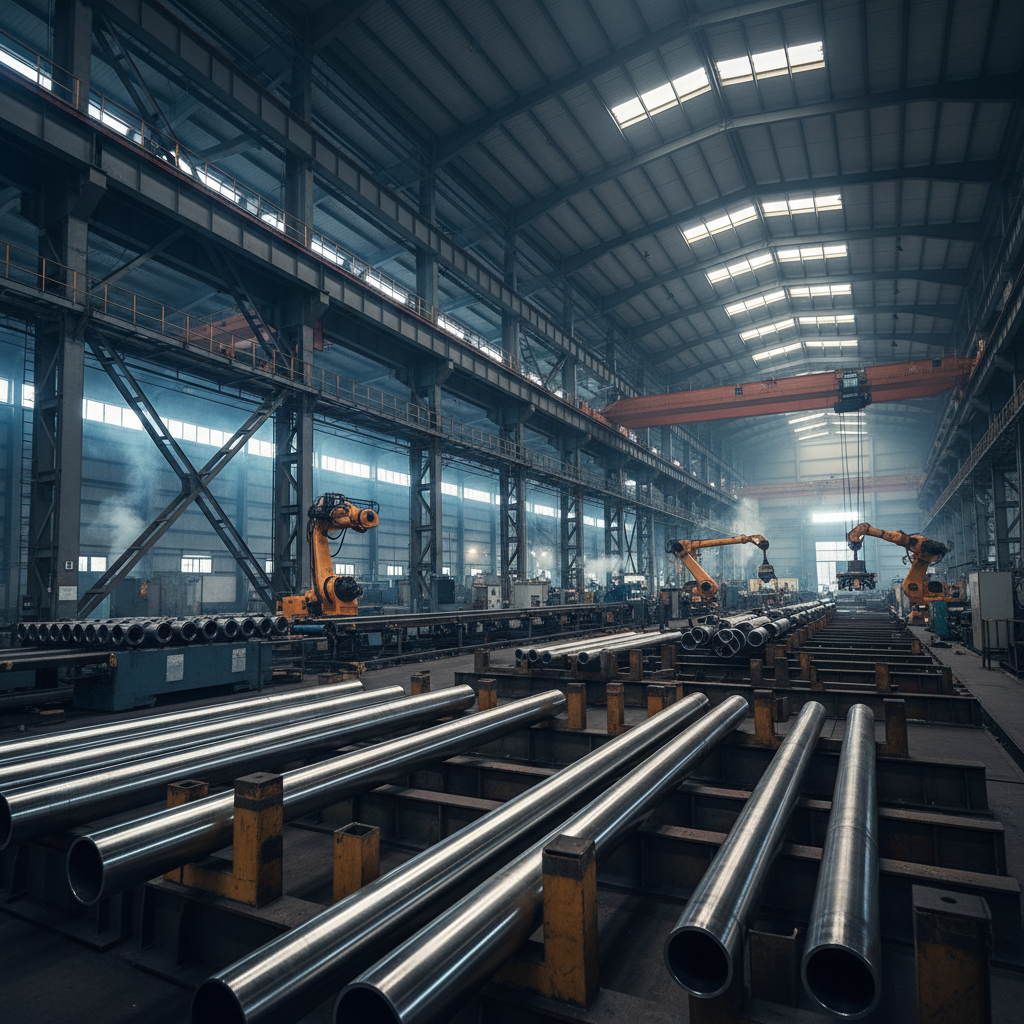
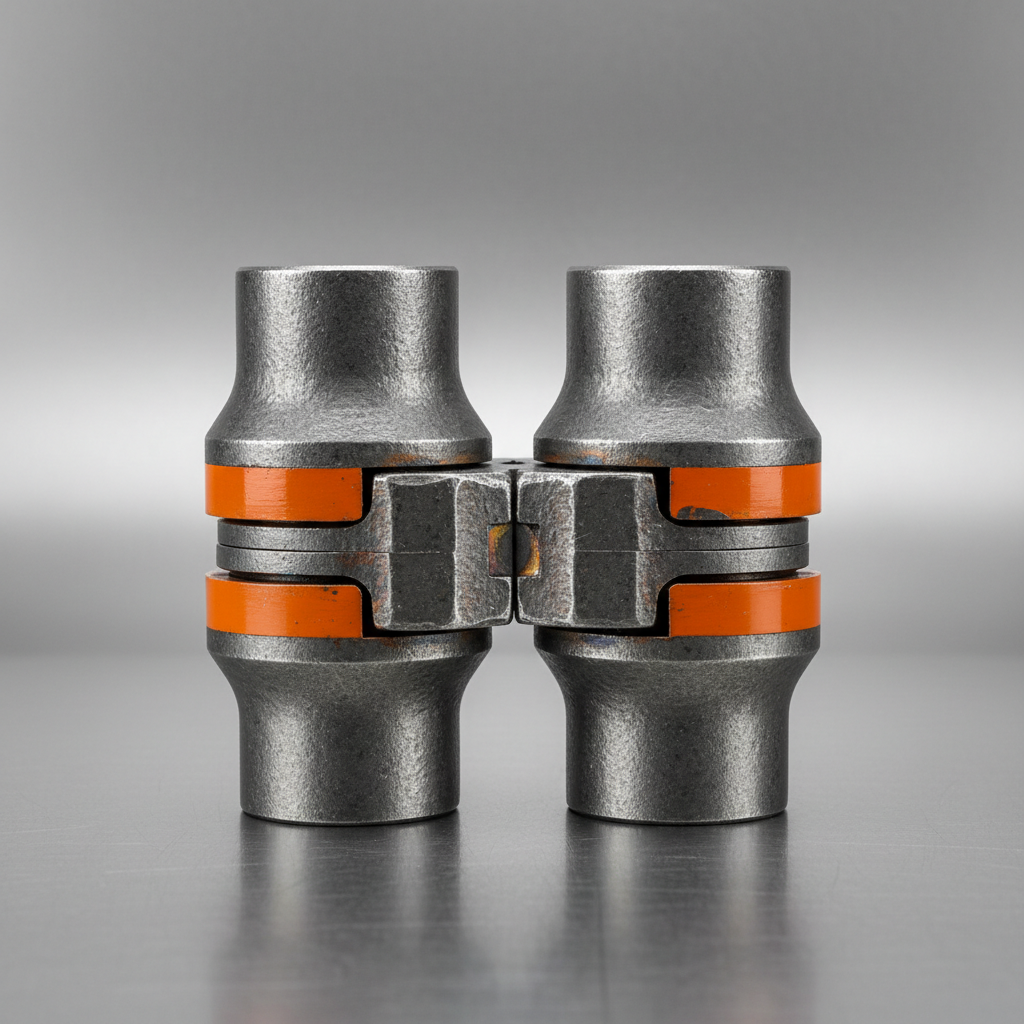
The global oil and gas industry relies heavily on robust and reliable downhole tools, and the threaded bull plug stands as a critical component within this ecosystem. These seemingly simple devices play a vital role in well control, completion, and workover operations, ensuring safe and efficient resource extraction. Understanding the nuances of threaded bull plugs – their design, materials, and applications – is crucial for engineers, operators, and procurement professionals alike.
The demand for threaded bull plugs is directly linked to global energy consumption and the ongoing exploration and production of oil and natural gas. According to the U.S. Energy Information Administration, global oil consumption continues to rise, driving the need for advanced drilling and completion technologies. A failure in well control can result in catastrophic environmental and economic consequences, making the reliability of components like the threaded bull plug paramount.
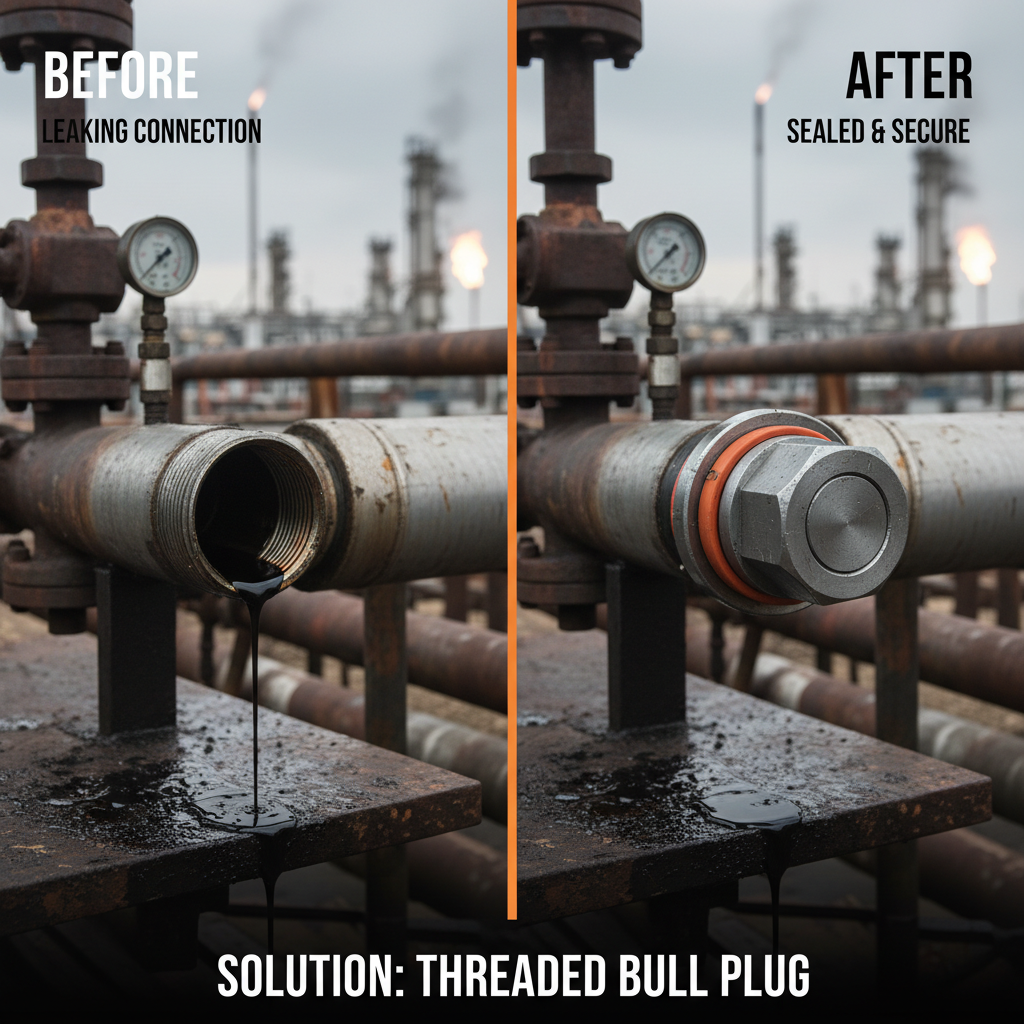
Threaded bull plugs offer a cost-effective and reliable method for temporarily plugging and sealing wellbores during various operations. They prevent fluid loss, maintain pressure integrity, and provide a safe working environment. Their versatility and adaptability to different well conditions make them an indispensable tool in the modern oilfield.
Understanding the Core Function of a Threaded Bull Plug
At its core, a threaded bull plug serves as a temporary seal within a wellbore. This seemingly simple function is vital for a multitude of operations, including isolating zones during completion, providing a barrier during well workovers, and preventing the influx of formation fluids. The effectiveness of a threaded bull plug hinges on its precise threading, robust material construction, and ability to withstand the extreme pressures and temperatures encountered downhole.
The proper selection and installation of a threaded bull plug directly impacts the safety and efficiency of the entire well intervention process. Incorrect sizing, damaged threads, or inadequate sealing materials can lead to costly downtime, environmental risks, and even catastrophic well control incidents. Therefore, a comprehensive understanding of its operational principles is critical.
Defining a Threaded Bull Plug: A Critical Wellbore Component
A threaded bull plug is a cylindrical fitting with threaded connections at both ends, designed to be screwed into a wellbore casing or tubing to provide a temporary plug. It’s typically used to isolate sections of the well, diverting flow to other zones or preventing fluid entry. Unlike a permanent plug, a threaded bull plug is intended for repeated installation and removal, making it a versatile tool for various well operations.
The connection to modern industry lies in the constant need for well intervention. As wells age, they require periodic maintenance, repair, and stimulation. Threaded bull plugs facilitate these interventions by allowing operators to safely and effectively isolate specific sections of the wellbore. The evolution of threaded bull plug design reflects the industry’s growing demands for higher pressure ratings, improved sealing performance, and enhanced corrosion resistance.
In an increasingly complex energy landscape, the reliable isolation offered by a threaded bull plug is vital. It's a crucial element in maintaining well integrity and ensuring responsible resource management, directly impacting both the economic viability and environmental sustainability of oil and gas operations.
Key Characteristics of High-Quality Threaded Bull Plugs
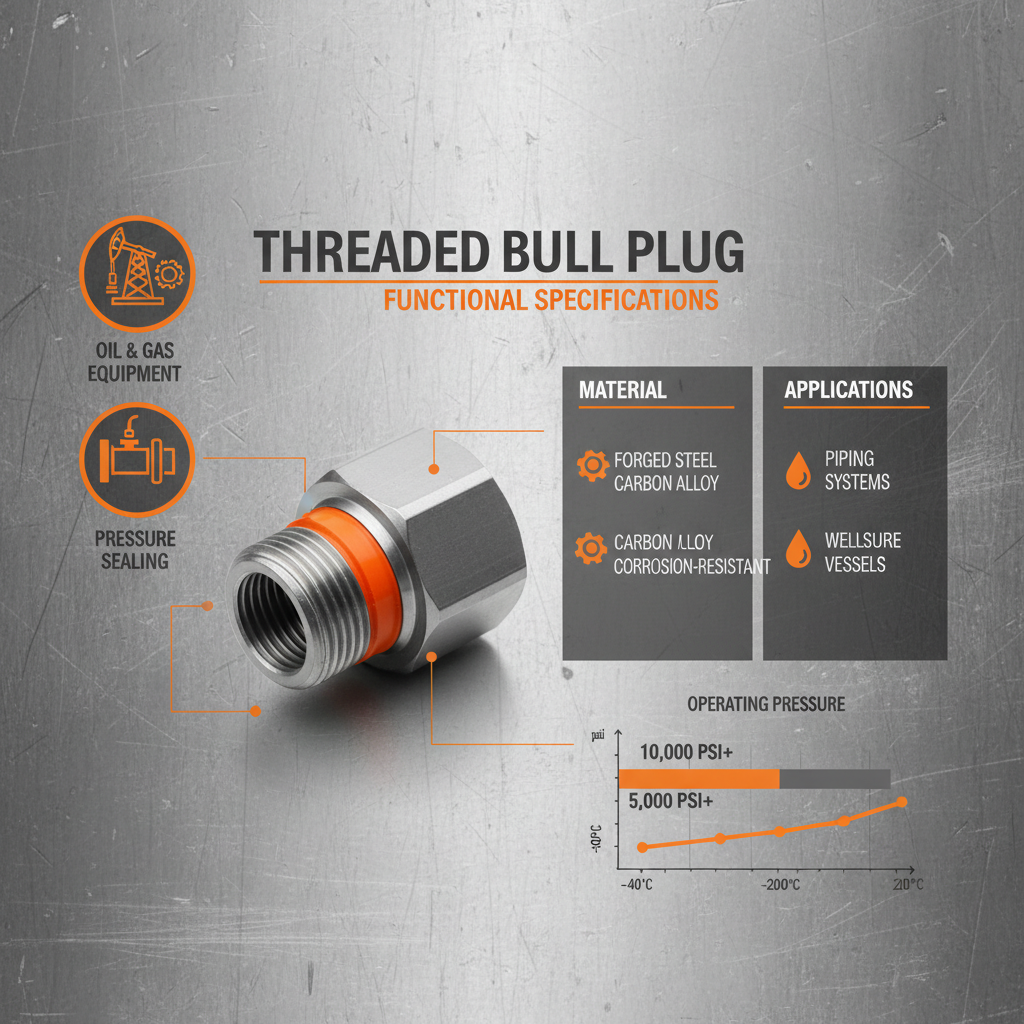
Durability is arguably the most crucial characteristic of a high-quality threaded bull plug. These tools are subjected to extreme stresses, including high pressures, fluctuating temperatures, and corrosive environments. Therefore, they must be manufactured from premium alloy steels, often incorporating heat treatment processes to enhance their mechanical properties. A robust design ensures longevity and minimizes the risk of failure.
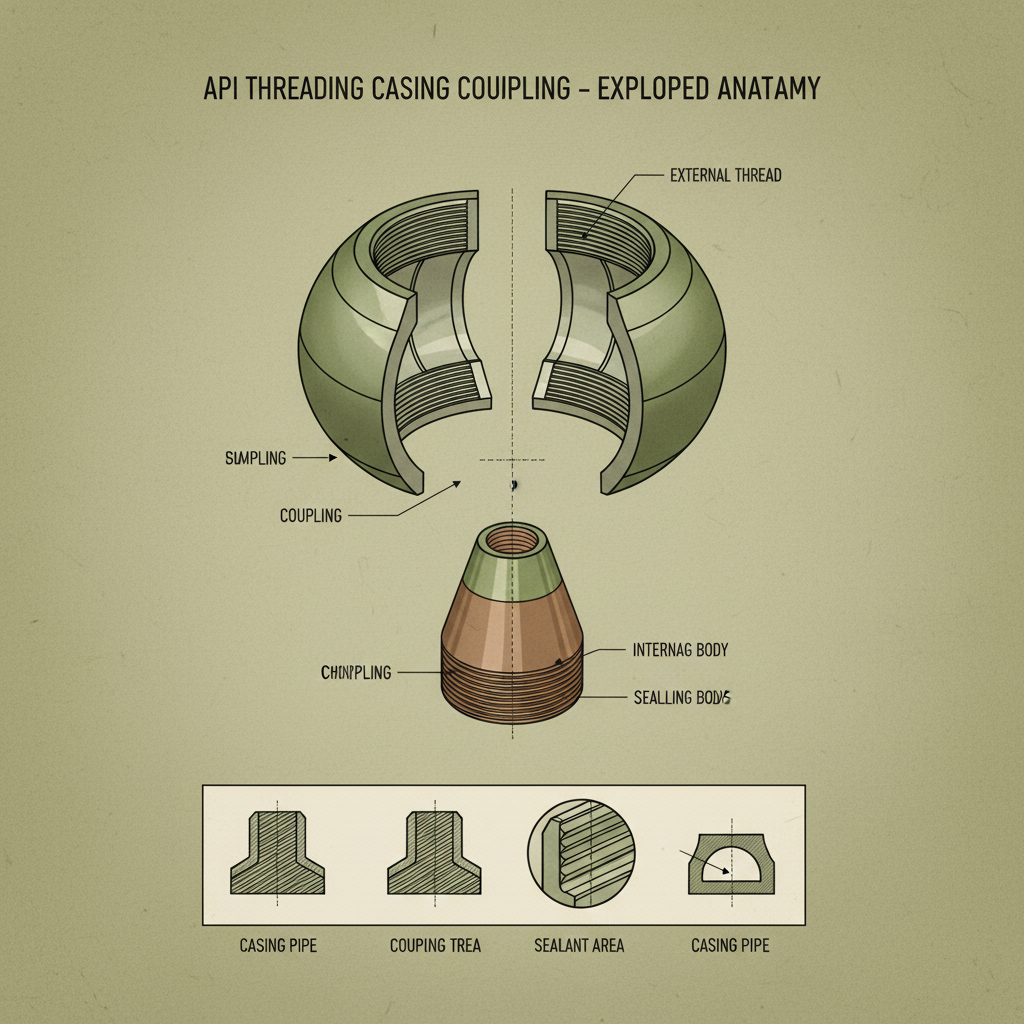
Another essential characteristic is precise threading. The threads must be manufactured to exacting standards to ensure a leak-proof seal when screwed into the wellbore casing or tubing. Deviations from these standards can lead to costly downtime and potential safety hazards. Thread inspections and quality control are vital throughout the manufacturing process.
Corrosion resistance is also paramount. Downhole fluids often contain corrosive agents such as hydrogen sulfide (H2S) and carbon dioxide (CO2), which can rapidly degrade metallic components. High-quality threaded bull plugs utilize corrosion-resistant alloys or protective coatings to mitigate these effects, extending their service life.
Application Spectrum of Threaded Bull Plugs in Oil & Gas
Threaded bull plugs find widespread application in well completion operations, acting as temporary barriers to control fluid flow during fracturing and cementing processes. They are also frequently used in well workover activities, allowing operators to isolate damaged sections of the wellbore for repair or remediation.
Beyond completion and workover, threaded bull plugs are crucial in well testing and intervention. They facilitate pressure testing of casing and tubing, enabling operators to verify the integrity of the wellbore. They are also employed during coiled tubing operations to isolate specific intervals for cleanout or stimulation.
Threaded Bull Plug Application Breakdown
The Global Impact and Widespread Use of Threaded Bull Plugs
The demand for threaded bull plugs is global, mirroring the worldwide distribution of oil and gas reserves. Major oil-producing regions, such as the Middle East, North America, Russia, and South America, represent significant markets for these essential components. The consistent need for well maintenance, interventions, and new well construction drives continuous demand.
In remote offshore environments, such as the Gulf of Mexico or the North Sea, the reliability of threaded bull plugs is even more critical. The logistical challenges and potential environmental consequences of well control incidents necessitate the use of robust and dependable equipment. Operators in these regions prioritize high-quality components to minimize risks and ensure operational efficiency.
Advantages and Long-Term Value Proposition
The primary advantage of using threaded bull plugs lies in their cost-effectiveness. They provide a temporary sealing solution at a fraction of the cost of more permanent plugging methods. This allows operators to manage budgets efficiently without compromising well integrity. Furthermore, their reusability contributes to long-term cost savings.
Beyond cost, threaded bull plugs enhance operational safety. They provide a reliable barrier against fluid influx, mitigating the risk of blowouts and protecting personnel. Their ease of installation and removal minimizes rig time, leading to increased productivity. Investing in high-quality threaded bull plugs translates to long-term reliability, reduced downtime, and improved safety performance.
The environmental benefits are also significant. By preventing uncontrolled releases of hydrocarbons, threaded bull plugs contribute to responsible resource management and minimize the potential for environmental damage. This aligns with the growing industry focus on sustainability and environmental stewardship.
Future Trends and Innovations in Threaded Bull Plug Technology
The future of threaded bull plug technology is poised for innovation. Advancements in materials science are leading to the development of lighter, stronger, and more corrosion-resistant alloys. These materials will enhance performance and extend the service life of these critical components.
Digitalization is also playing a role. Smart bull plugs equipped with sensors and data transmission capabilities are being developed to provide real-time monitoring of wellbore conditions. This data can be used to optimize operations, predict potential failures, and enhance well control. Automation in installation and retrieval processes is also expected to improve efficiency and safety.
Sustainability is driving the exploration of environmentally friendly materials and manufacturing processes. Reducing the carbon footprint of threaded bull plug production and promoting recyclability are becoming increasingly important considerations.
Key Performance Indicators of Threaded Bull Plug Performance
| Material Composition |
Pressure Rating (PSI) |
Corrosion Resistance (1-10) |
Average Service Life (Years) |
| Alloy Steel (ASTM A36) |
5,000 |
5 |
2 |
| Chrome-Moly Steel (4140) |
7,500 |
6 |
3 |
| Alloy 718 |
10,000 |
8 |
5 |
| Duplex Stainless Steel |
8,000 |
9 |
7 |
| Inconel 725 |
12,000 |
10 |
10 |
| Titanium Alloy (Grade 5) |
9,000 |
10 |
15 |
FAQS
The maximum pressure rating for a standard threaded bull plug varies depending on the material and design, but typically ranges from 5,000 to 12,000 PSI. Higher pressure ratings are achieved through the use of premium alloy steels and specialized thread designs. Always consult the manufacturer's specifications to determine the appropriate pressure rating for your specific application. Incorrectly rated components can lead to catastrophic failures.
Proper thread preparation is crucial for ensuring a leak-proof seal. Before installation, thoroughly clean both the bull plug threads and the wellbore casing or tubing threads with a wire brush to remove any debris, rust, or scale. Apply a thread sealant compound specifically designed for oilfield applications to lubricate the threads and enhance sealing performance. Avoid using excessive sealant, as it can contaminate the wellbore fluids.
Threaded bull plugs are commonly manufactured from a range of materials, including alloy steel (ASTM A36), chrome-moly steel (4140), duplex stainless steel, and nickel alloys like Inconel 725. The choice of material depends on the specific wellbore conditions, including temperature, pressure, and the presence of corrosive fluids. High-strength, corrosion-resistant materials are typically preferred for demanding applications.
Yes, threaded bull plugs are designed for repeated use, but the number of reuses depends on the severity of the operating conditions and the degree of wear and tear. Regular inspection of the threads for damage is essential. If the threads are damaged or worn, the bull plug should be replaced to maintain its sealing integrity. Maintaining accurate records of usage can help track the service life.
During removal, it's crucial to apply a controlled counter-torque to avoid damaging the threads. Use appropriate handling tools and ensure proper alignment. Be prepared for potential fluid pressure behind the plug and implement appropriate safety measures. Gradually loosen the plug, allowing any trapped pressure to dissipate slowly. Avoid using excessive force, which can strip the threads.
Thread sealant plays a vital role in creating a leak-proof seal between the bull plug and the wellbore casing or tubing. It lubricates the threads during installation, reducing friction and preventing galling. Additionally, it fills microscopic imperfections in the threads, creating a barrier against fluid leakage. Selecting a sealant compatible with the wellbore fluids is critical for optimal performance.
Conclusion
In conclusion, the threaded bull plug remains an indispensable component in the oil and gas industry, offering a cost-effective, reliable, and versatile solution for wellbore isolation and control. From routine well maintenance to complex intervention operations, these seemingly simple devices play a critical role in ensuring safe and efficient resource extraction. Understanding their function, characteristics, and proper application is paramount for industry professionals.
Looking ahead, continuous innovation in materials science, digitalization, and sustainable manufacturing practices will further enhance the performance and value of threaded bull plugs. By embracing these advancements, the industry can ensure the continued reliability and environmental responsibility of oil and gas operations. For all your threaded bull plug needs, visit our website at https://www.wjpetroleum.com.