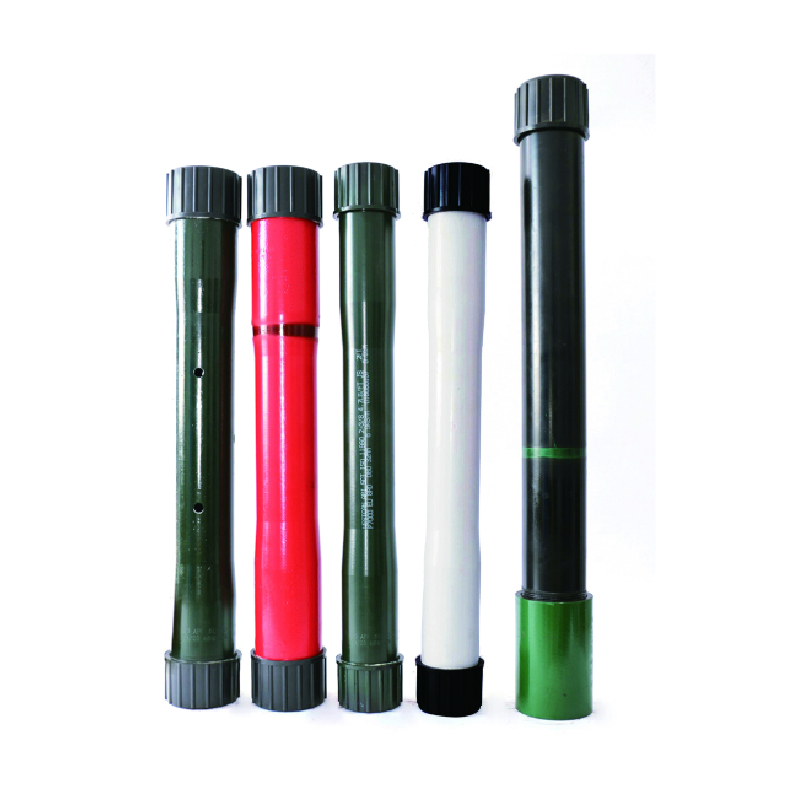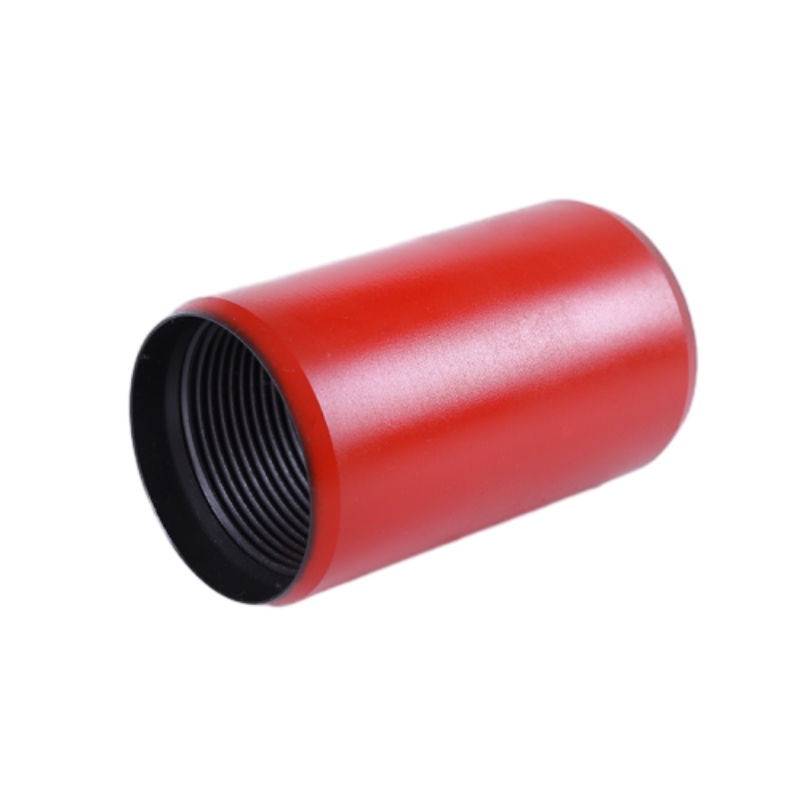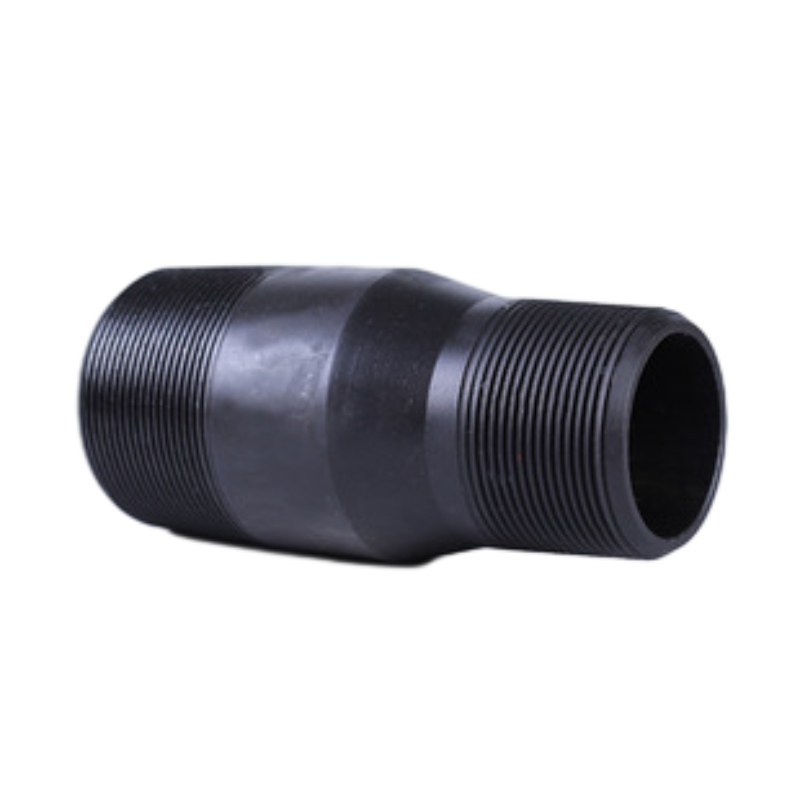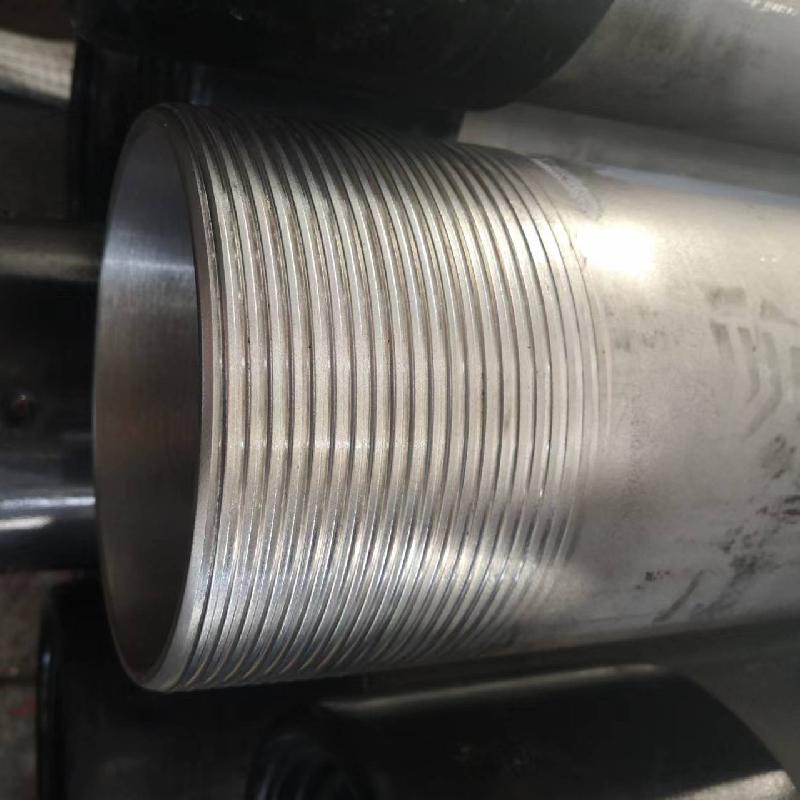


What Is a Bull Plug Used For? Industrial Pipe Fitting Essentials
What Is a bull plug used for in industrial equipment?
Having spent quite a few years in and around industrial equipment setups, I’ve come to realize that some components quietly do their jobs without fanfare, yet they’re utterly indispensable. A bull plug is one such piece. You might not see it highlighted in brochures or flashy ads, but if you work with piping and pressure systems, it’s likely something you’ve encountered — or needed — more times than you’d expect.
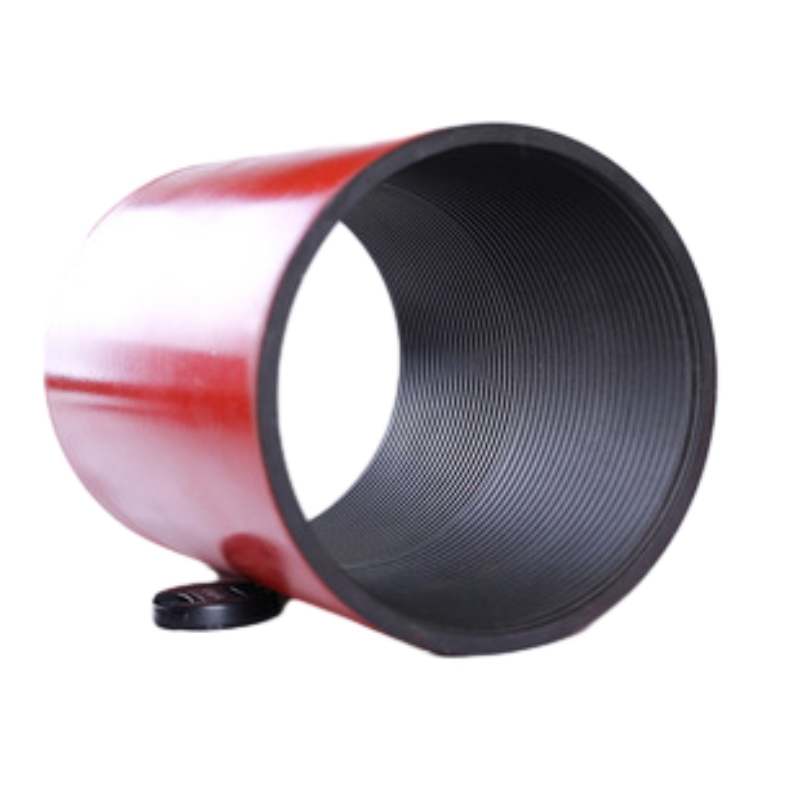
So, what exactly does a bull plug do? At its core, a bull plug is a solid pipe fitting used to seal the end of a pipeline or a pressure vessel opening. It effectively “plugs” the line, preventing the flow of fluids or gases, making it crucial during maintenance, system modifications, or to close off unused outlets. It feels a bit like the industrial equivalent of capping a garden hose, but in high-pressure contexts where integrity is non-negotiable.
Oddly enough, while the name might suggest something robust and aggressive, bull plugs come in a variety of materials and designs tailored to applications ranging from steel oil pipelines to chemical processing plants. Commonly, they’re forged from carbon steel, stainless steel, or alloy materials — each lending corrosion resistance and strength depending on the job's demands.
One thing I've noticed over the years is that many engineers, myself included, appreciate the straightforwardness of a bull plug’s design. There are no complicated moving parts, no valves – just a tough, reliable cap that withstands harsh environments. This simplicity, frankly, is a strength. You can often find bull plugs in fittings that handle hundreds or even thousands of PSI without issue — that’s not trivial when a leak could mean an expensive shutdown or, worse, a safety hazard.
As an example, I once worked on a refinery project where a pipeline section needed to be temporarily isolated for inspection and repair. A bull plug was installed to block off the line safely — installed by a skilled welder to ensure a perfect seal. Without it, draining and pressure testing that section would've been a nightmare. That’s the practical side of this part: enabling safer, more efficient workflows without fuss.
Product Specifications of a Typical Bull Plug
| Specification | Details |
|---|---|
| Material | Carbon Steel / Stainless Steel / Alloy Steel |
| Size Range | 1/2" up to 24" diameter |
| Pressure Rating | ANSI Class 150 to 2500 (varies by spec) |
| Connection Type | Butt Weld, Threaded, or Socket Weld |
| Typical Applications | Oil & Gas pipelines, Chemical plants, Steam lines, Hydraulics |
How Vendors Stack Up: Bull Plug Features Comparison
| Vendor | Material Options | Pressure Ratings | Customization | Lead Time |
|---|---|---|---|---|
| WJ Petroleum | Carbon, Stainless, Alloy Steels | Up to ANSI 2500 | Yes – sizes, grades, finishes | 2–4 weeks |
| Vendor B | Carbon, Alloy Steel | Up to ANSI 1500 | Limited | 3–5 weeks |
| Vendor C | Stainless Steel only | Up to ANSI 2000 | Yes, but cost extra | 4–6 weeks |
Customizing bull plugs for specific environments can mean the difference between a maintenance headache and smooth operational flow. For instance, in highly corrosive chemical plants, opting for stainless steel or alloy steel is almost a must. And depending on pressure demands, selecting the right ANSI class will keep systems safe.
One thing many overlook is how crucial quality testing and certifications are. It’s not enough that the plug fits perfectly; it needs to hold up under actual operating stresses. Brands like WJ Petroleum often provide detailed material certifications and pressure tests — an important reassurance for project engineers like me who can’t afford surprises underground.
In real terms, using a bull plug isn’t glamorous, but it’s reliable, simple, and effective. Whether you’re running inspections, isolating sections, or capping off unused branches, it’s the sort of piece you count on quietly every day. I’ve seen many setups where minor fitting failures caused big losses — so investing in the right bull plug is, frankly, peace of mind.
For anyone delving into pipeline management or industrial maintenance, understanding and appreciating these small but mighty components can save you plenty of future stress.
Alright, I'll leave it at that — sometimes the unsung heroes in piping are the ones that keep everything flowing smoothly, even when no one’s looking.
References:
1. API Standards for Pipe Fittings
2. ASME B16.11 – Forged Steel Fittings
3. WJ Petroleum Product Catalog and Data Sheets
-
The Ultimate Industrial Guide to using مفصل الجرو Swivel JointsNewsApr.16,2026
-
Comprehensive Guide to api الجرو المشترك in Industrial ApplicationsNewsApr.09,2026
-
Comprehensive Guide to Puppy Joint Health with غلاف مفصل الجرو SupplementsNewsApr.07,2026
-
Optimizing Oilfield Performance with تمرير المفاصل الجرو and WJ Petroleum ExpertiseNewsApr.04,2026
-
Understanding Puppy Mills ¿qué es un porro de cachorros? Responsible Breeding PracticesNewsMar.31,2026
-
Comprehensive Guide to Perforated Puppy Joints and Long Term Canine HealthNewsMar.28,2026