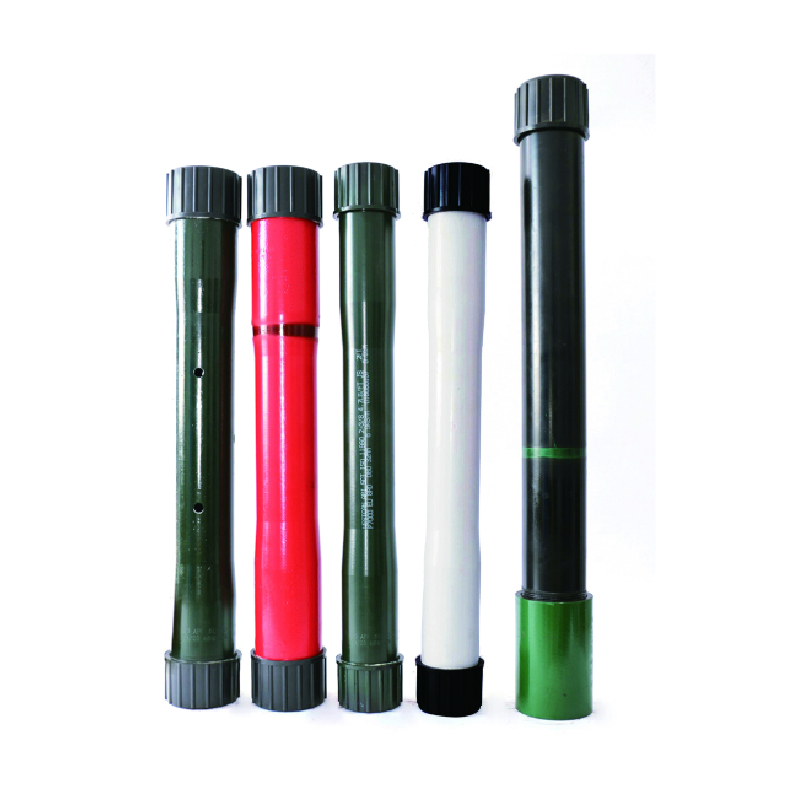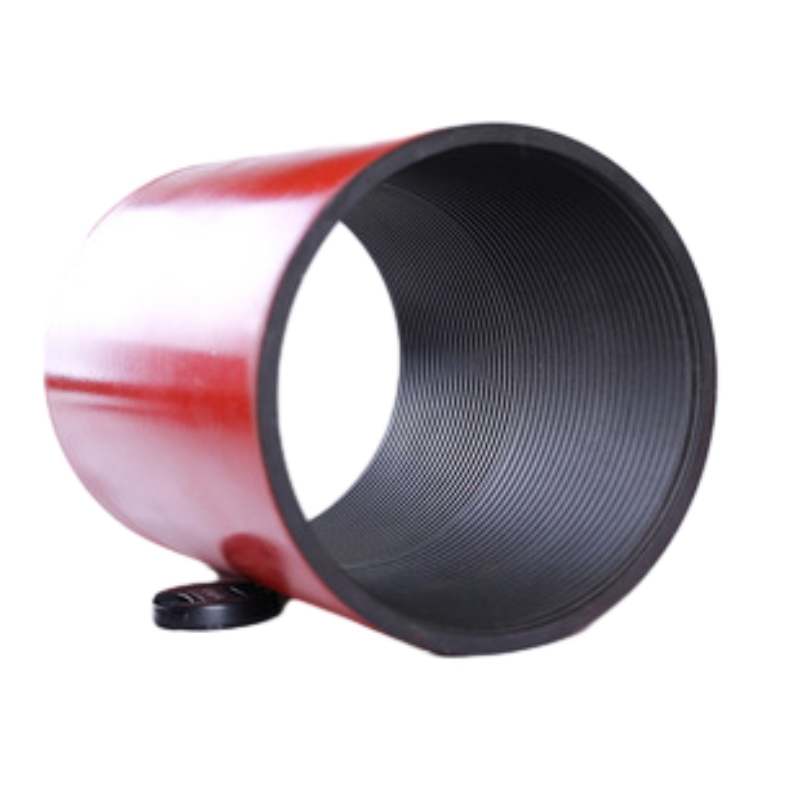


Understanding 1 4 Stainless Steel Coupling for Fluid Transfer Systems
Understanding 1 4 Stainless Steel Coupling for Optimal Performance
When sourcing components for fluid transfer systems, particularly in demanding industries like oil and gas, chemical processing, and marine engineering, the selection of the right 1 4 stainless steel coupling is crucial. These couplings ensure leak-proof connections, resist corrosion, and maintain the integrity of the system. This article provides a comprehensive overview of 1/4 inch stainless steel couplings, covering their applications, material properties, types, and key considerations for selection. Understanding these factors will allow you to choose the optimal coupling for your specific needs and ensure long-term system reliability.
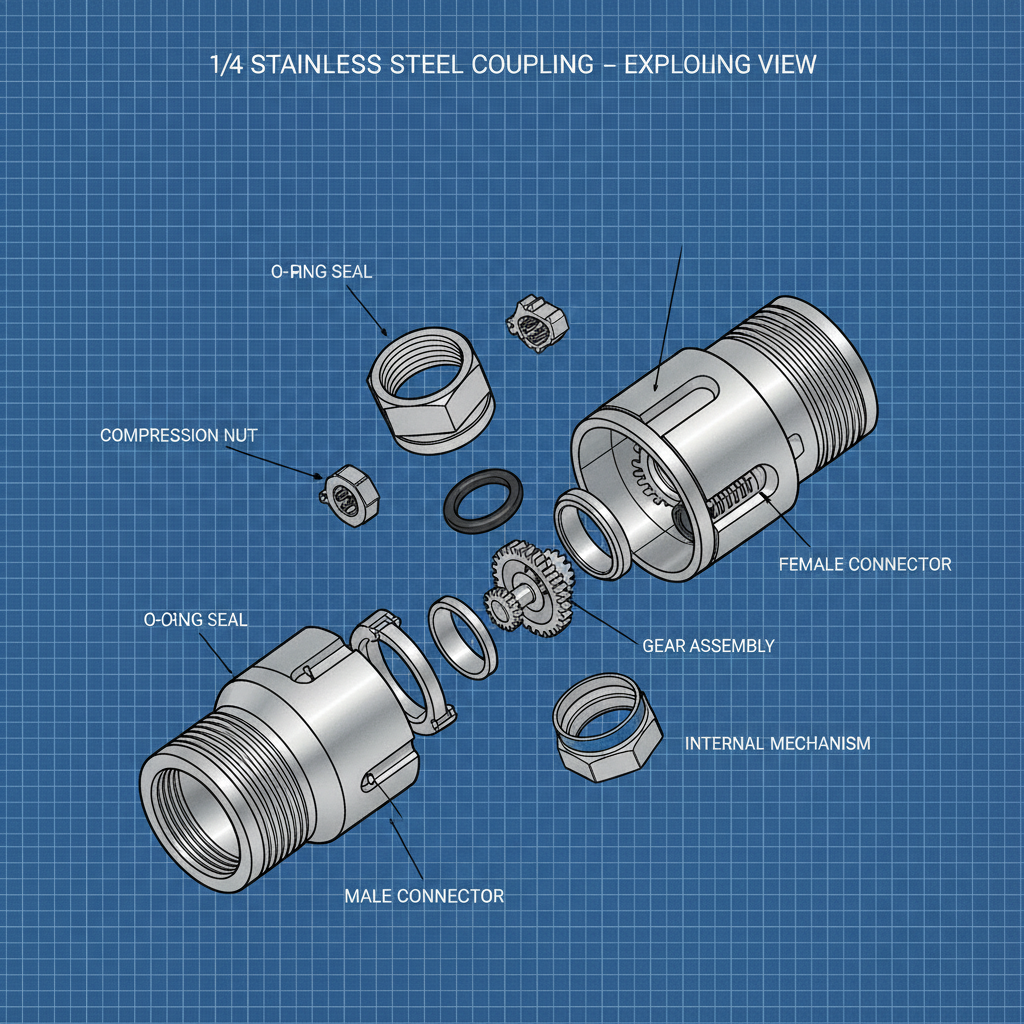
What is a 1/4" Stainless Steel Coupling?
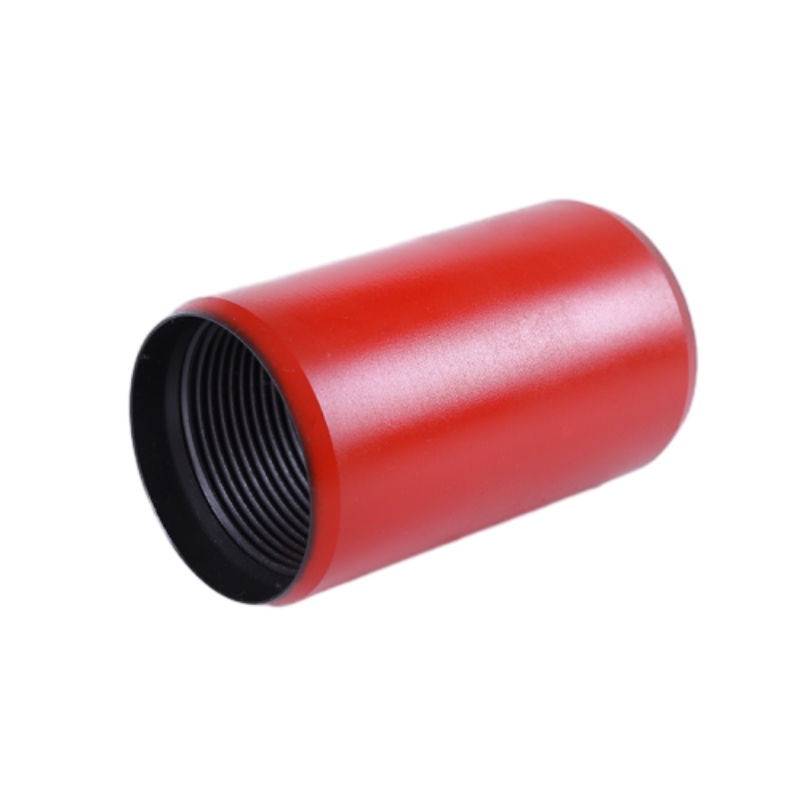
A 1/4" stainless steel coupling is a component used to connect two sections of tubing or piping with a 1/4 inch nominal diameter. They are designed to create a secure, leak-proof joint that can withstand pressure and resist corrosive environments. The use of stainless steel, typically 304 or 316 grade, ensures durability and longevity, especially in harsh operating conditions. These couplings are widely used in various applications, including pneumatic systems, instrumentation, and small-bore fluid transfer lines. They are available in a range of configurations to suit different connection requirements.
Key Benefits: Resistant to corrosion, durable, and provides a secure connection. Suitable for a wide range of fluids and gases, maintaining system integrity.
Types of 1/4" Stainless Steel Couplings
Several types of 1/4" stainless steel couplings cater to different connection needs. These include:
- Compression Couplings: These utilize a compression nut and ferrule to create a tight seal. They are easy to install and disassemble, making them ideal for frequent connections and disconnections.
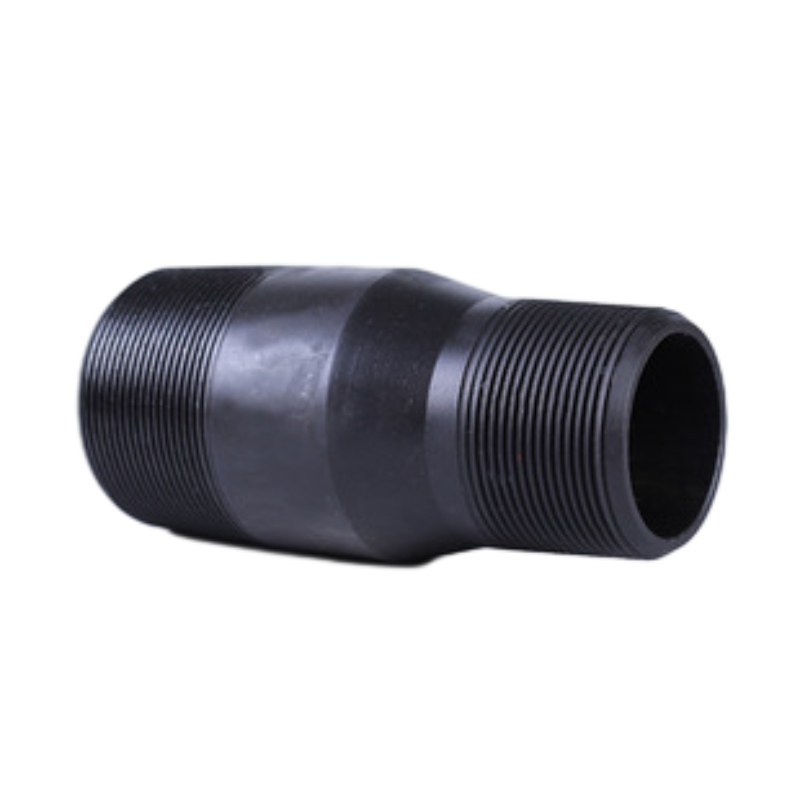
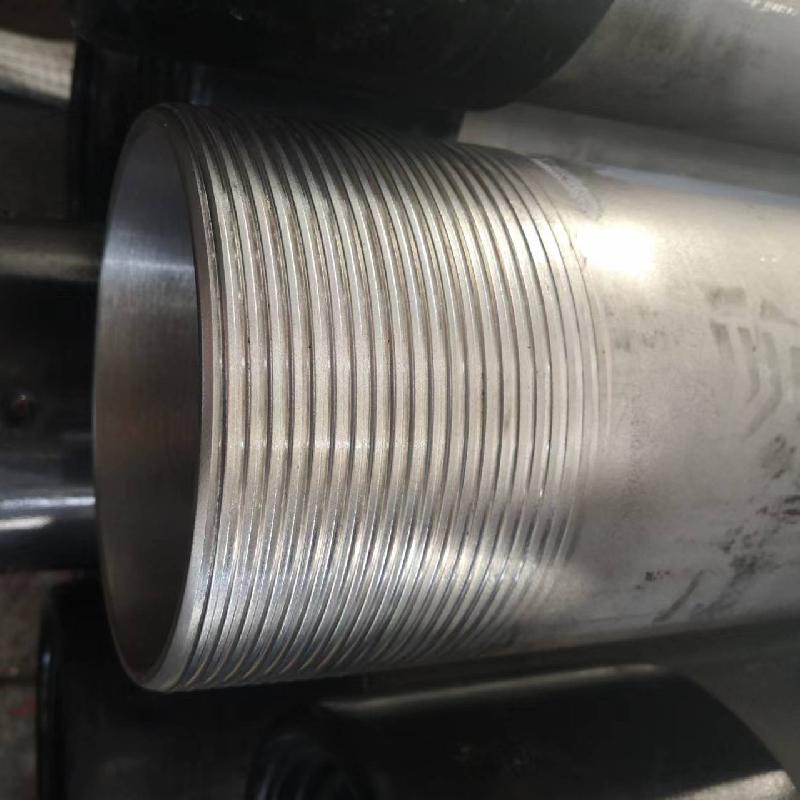
- Threaded Couplings: These have male or female threads for connecting to threaded fittings. They provide a robust and reliable connection but may require sealant tape for leak prevention.
- Push-to-Connect Couplings: Offering quick and easy connections, these couplings require no tools. They are suitable for applications where frequent changes are necessary.
- Flare Couplings: These create a secure connection by flaring the end of the tubing and mating it with a flared fitting.
The best choice depends on the specific application requirements, pressure rating, and desired ease of installation.
Material Grades: 304 vs. 316 Stainless Steel
The choice between 304 and 316 stainless steel depends on the environment and the fluids being transferred. 304 stainless steel is a general-purpose alloy offering good corrosion resistance in many applications. However, 316 stainless steel contains molybdenum, which significantly enhances its resistance to chloride corrosion, making it ideal for marine environments and applications involving saltwater or other corrosive chemicals. Investing in the appropriate material grade ensures the longevity and reliability of your coupling.
304 vs 316 Stainless Steel
• 304: General purpose, good corrosion resistance.
• 316: Superior corrosion resistance, especially against chlorides.
• Cost: 304 is generally less expensive than 316.
Selecting the Right 1/4" Stainless Steel Coupling: Key Considerations
Choosing the correct 1/4 stainless steel coupling requires careful consideration of several factors: pressure requirements, fluid compatibility, temperature range, and connection type. Ensure the coupling is rated for the maximum pressure of the system. Verify that the stainless steel material is compatible with the fluid being transferred to avoid corrosion or contamination. Also, consider the operating temperature to ensure the coupling maintains its structural integrity. Finally, select a connection type that suits your installation and maintenance needs.
Applications in Various Industries
1/4" stainless steel couplings find applications across diverse industries. They are commonly used in oil and gas for instrument lines and control systems, chemical processing for transferring corrosive fluids, and marine applications where saltwater resistance is critical. They are also utilized in analytical instrumentation, laboratory equipment, and pneumatic systems requiring precise and reliable connections. WJ Petroleum provides high-quality couplings for these demanding applications.
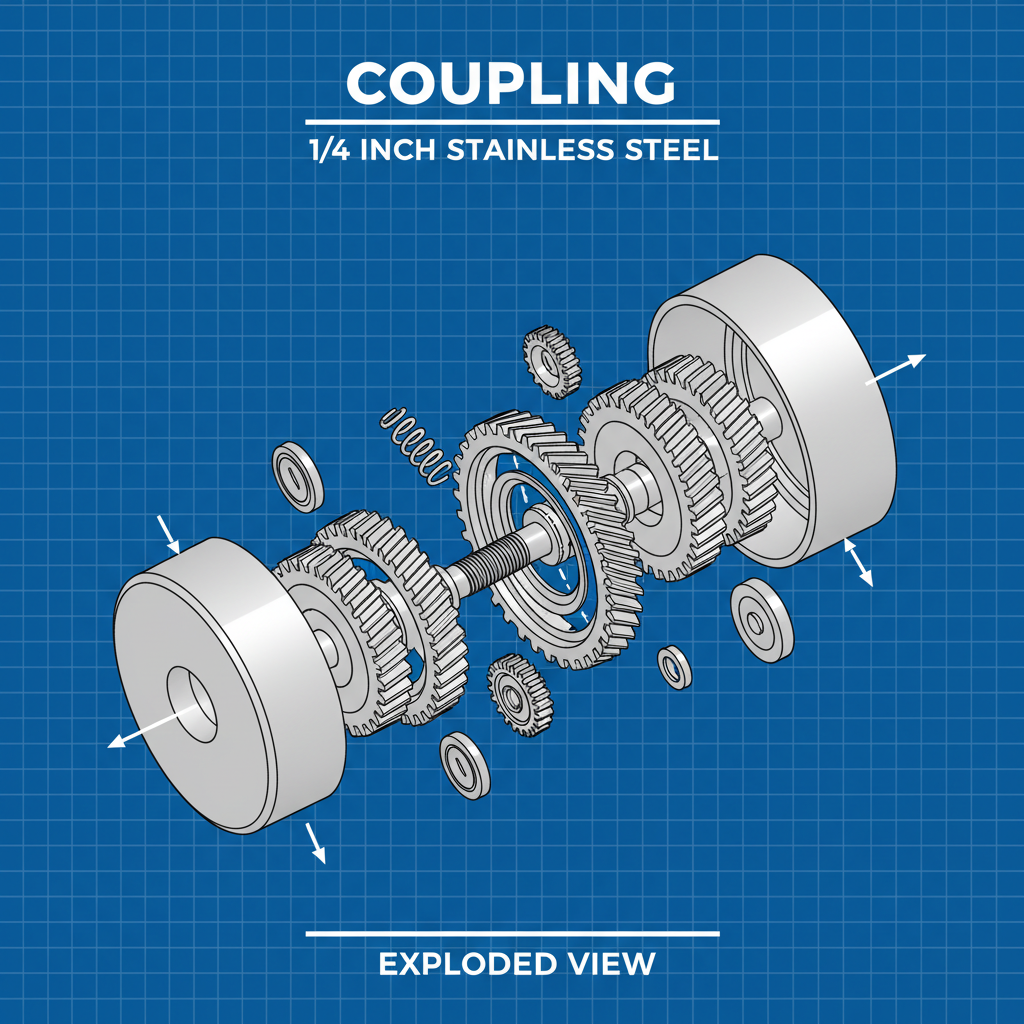
Conclusion: Choosing the Right Coupling for Long-Term Reliability
Selecting the appropriate 1/4 stainless steel coupling is essential for ensuring the safety, efficiency, and longevity of your fluid transfer systems. By carefully considering factors such as material grade, pressure rating, and application requirements, you can choose a coupling that delivers optimal performance and reliability. Partnering with a trusted supplier like WJ Petroleum guarantees access to high-quality products and expert support.
Frequently Asked Questions (FAQs)
What is the typical lifespan of a stainless steel coupling?
The lifespan of a stainless steel coupling is heavily dependent on the operating environment and the fluid it’s exposed to. However, with proper installation and maintenance, a high-quality 1/4” stainless steel coupling can reliably perform for 10-20 years or more. Regular inspection for signs of corrosion, pitting, or mechanical damage is crucial. Extreme temperatures, highly corrosive fluids, and high-pressure applications can shorten the lifespan. Replacing couplings proactively during scheduled maintenance is best practice.
What tools are required for installing a compression coupling?
Installing a compression coupling typically requires a few simple tools. You’ll need two wrenches – one to hold the coupling body and one to tighten the compression nut. A tubing cutter or saw is needed to ensure a clean, square cut on the tubing. Deburring tools are crucial to remove any sharp edges from the cut tubing, preventing damage to the ferrule. Finally, it's often recommended to use a torque wrench to achieve the correct tightening force without over-compressing the ferrule.
Can I use sealant tape with stainless steel couplings?
While stainless steel couplings are designed to create leak-proof connections, the use of PTFE (Teflon) tape is often recommended, especially with threaded couplings. PTFE tape acts as a thread sealant, filling any microscopic imperfections in the threads and providing an extra layer of protection against leaks. However, avoid using excessive tape, as it can impede proper tightening. For compression or push-to-connect fittings, sealant tape is generally not required and may even be detrimental.
Where can I find reliable 1/4” stainless steel couplings?
WJ Petroleum is a trusted supplier of high-quality 1/4” stainless steel couplings. We offer a wide selection of coupling types, materials, and sizes to meet your specific needs. We are committed to providing reliable products and exceptional customer service. Contact our team today for assistance in selecting the right coupling for your application.
-
The Ultimate Industrial Guide to using مفصل الجرو Swivel JointsNewsApr.16,2026
-
Comprehensive Guide to api الجرو المشترك in Industrial ApplicationsNewsApr.09,2026
-
Comprehensive Guide to Puppy Joint Health with غلاف مفصل الجرو SupplementsNewsApr.07,2026
-
Optimizing Oilfield Performance with تمرير المفاصل الجرو and WJ Petroleum ExpertiseNewsApr.04,2026
-
Understanding Puppy Mills ¿qué es un porro de cachorros? Responsible Breeding PracticesNewsMar.31,2026
-
Comprehensive Guide to Perforated Puppy Joints and Long Term Canine HealthNewsMar.28,2026