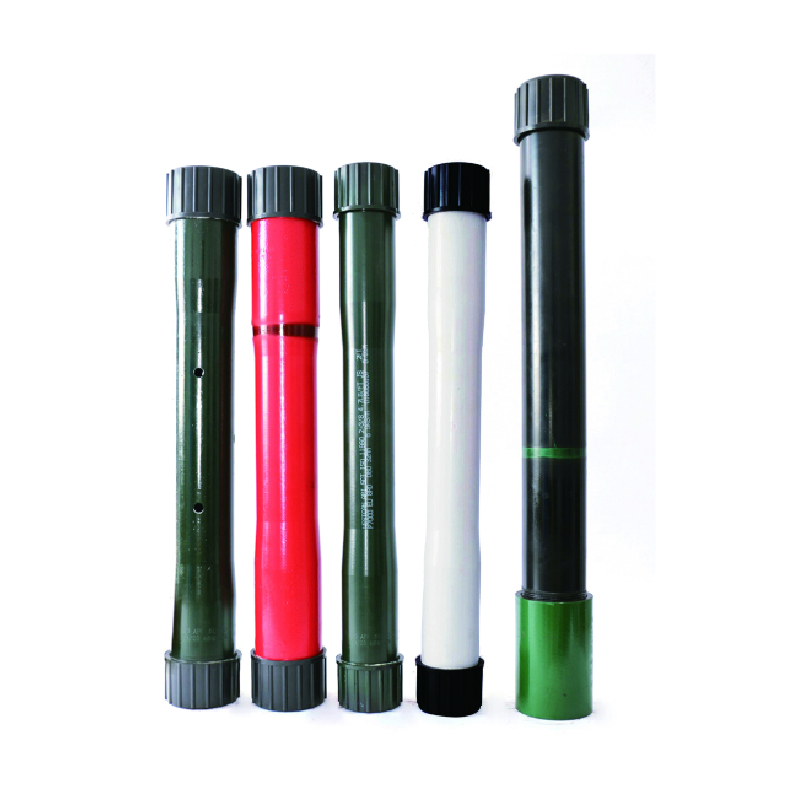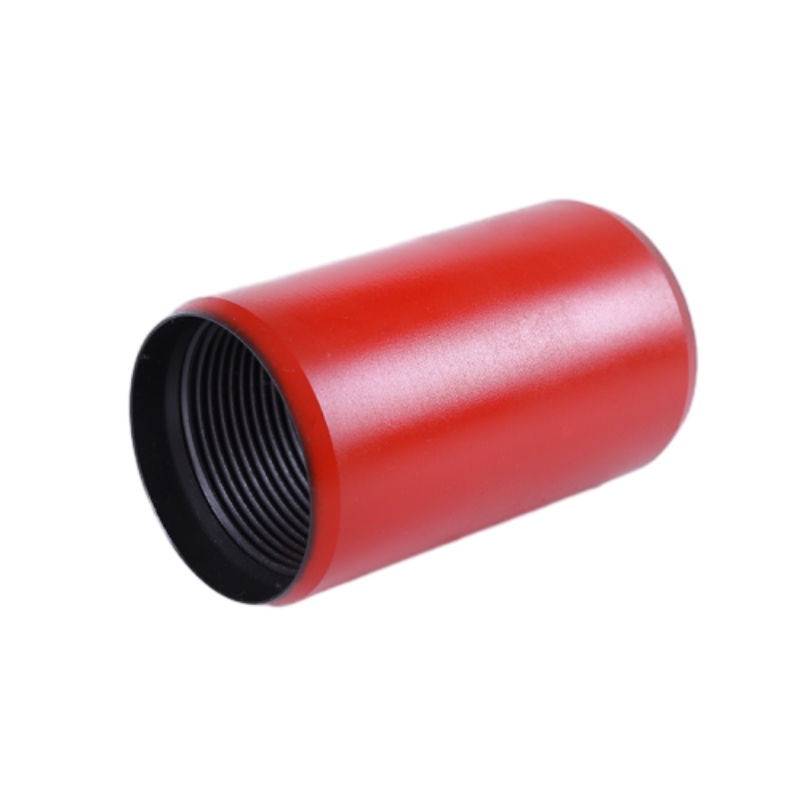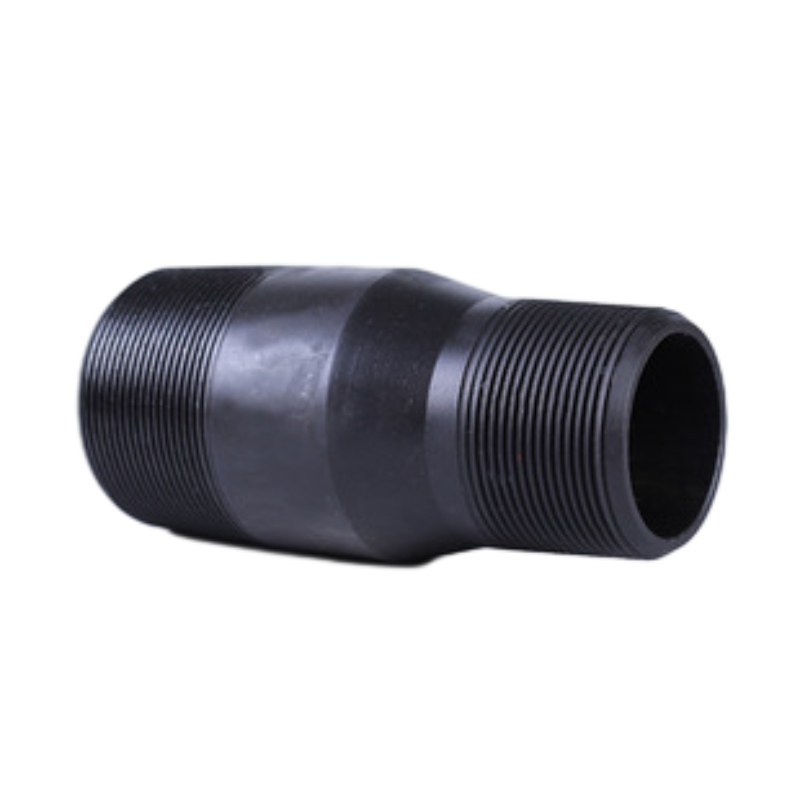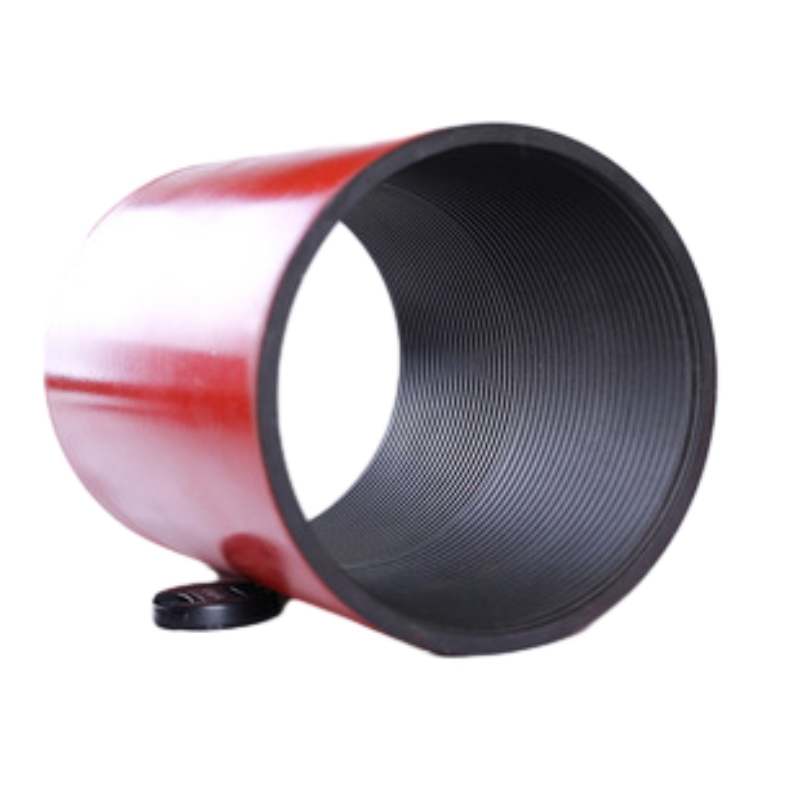


Bull Plug Pressure Rating Guide for Industrial Equipment
Understanding Bull Plug Pressure Rating: What You Need to Know
If you've been around industrial equipment for as long as I have, you know that every little component plays a major role — sometimes under intense pressure, literally. One small but crucial player often overlooked is the bull plug pressure rating. Yes, that heavy little cap sealing off the ends of pipes or valves might not be the flashiest bit of gear on the site, but without it holding up under pressure, things quickly spiral downhill.
Frankly, bull plugs seem simple — just a solid fitting, usually steel or alloy, that “plugs” a pipeline.” But their pressure rating is a linchpin in safety and system integrity. The wrong plug can lead to leaks, costly downtime, and worse, safety hazards.
What Does Bull Plug Pressure Rating Mean?
In a nutshell, the pressure rating of a bull plug tells you the maximum internal pressure it can safely withstand without failure. It’s measured in PSI or bar, depending on the specs or region. For someone working in the field, it’s one of those figures you’re constantly eyeballing when specifying parts — it guides you whether the plug suits a given pipeline pressure, temperature, and fluid type.
Over the years, I’ve noticed that many engineers lean towards bull plugs with ratings well above expected system pressure, just to be safe. It’s a sound practice since pressure spikes unexpectedly happen — pump startup, temperature changes, or system surges.
Materials & Construction: The Backbone of Pressure Rating
Most bull plugs you’ll encounter come in materials like carbon steel, stainless steel, or various alloys (like Inconel or Monel for corrosive environments). The pressure rating closely ties to the material’s tensile strength and the manufacturing process—forged plugs generally offer better pressure resistance than cast ones, from what I’ve seen firsthand.
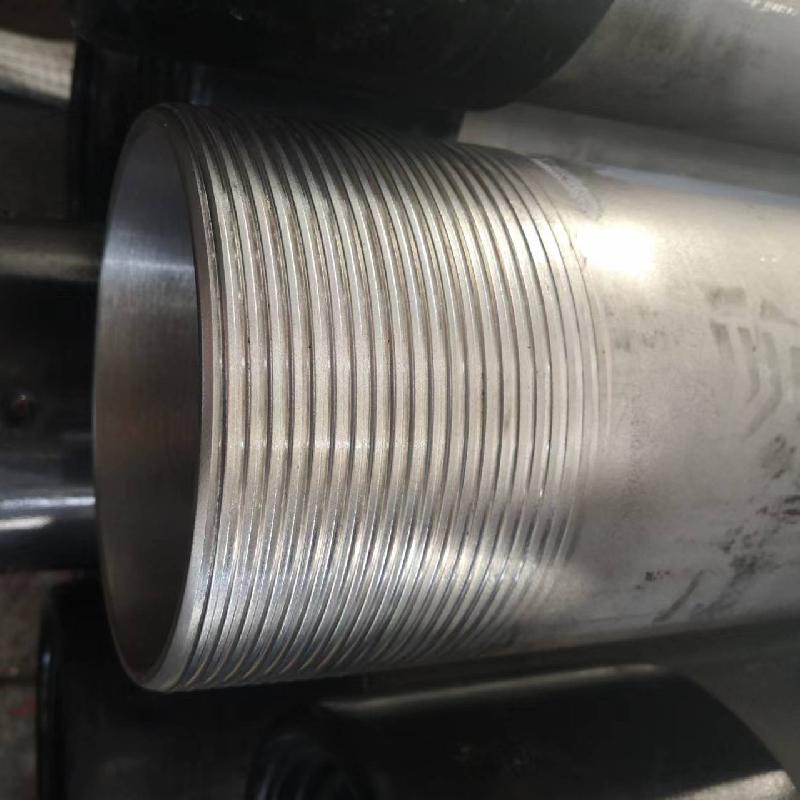
One detail that often escapes notice: the thread type and quality. Threads that match perfectly reduce stress points and help maintain that pressure integrity. I remember a job where a slightly mismatched thread led to premature plug failure — a costly oversight, frankly.
| Material | Nominal Size | Pressure Rating (PSI / Bar) | Thread Type |
|---|---|---|---|
| Carbon Steel (ASTM A105) | 1/2" to 4" | 6000 PSI / 414 Bar | NPT or BSP |
| Stainless Steel (316L) | 1/2" to 3" | 7200 PSI / 496 Bar | NPT or BSP |
| Alloy Steel (Inconel) | 1/2" to 2" | 10000 PSI / 689 Bar | NPT or BSP |
Comparing Vendors: How to Choose the Right Bull Plug
Choosing the right vendor is almost as important as selecting the right rating. I’ve worked with many suppliers over the years, and oddly enough, you can find serious variance in quality — even when specs look similar on paper.
| Vendor | Material Options | Typical Pressure Rating | Customization Available | Lead Time |
|---|---|---|---|---|
| WJ Petroleum | Carbon Steel, Stainless, Alloy | Up to 10,000 PSI | Thread types, coatings | 2-4 weeks |
| Industrial Valve Co. | Carbon Steel, Stainless Steel | Up to 7,500 PSI | Limited customization | 3-5 weeks |
| MetalWorks Ltd. | Carbon Steel only | Up to 6,000 PSI | No | 1-3 weeks |
A Quick Story: When Pressure Ratings Saved the Day
I recall a refinery project where a new batch of bull plugs showed signs of thread fatigue during a pre-startup pressure test. Because the contractor insisted on verifying the bull plug pressure rating carefully against the design pressure, they caught an error in the order specs — plugs rated for 3,000 PSI had been supplied when 6,000 PSI was mandatory. It feels like a small detail, but that catch literally prevented a potential catastrophic failure. Always triple-check those ratings!
In real terms, being diligent with bull plug pressure ratings means fewer headaches and safer operations. Whether you’re dealing with steam, oil, or chemicals, the plug’s job is to hold up under what the system throws at it.
So next time you’re jotting down specs or approving parts lists, don’t overlook the humble bull plug and its pressure rating. It’s a quiet guardian of your pipeline’s integrity.
And hey, if you want a dependable source for high-grade bull plugs with solid pressure ratings, WJ Petroleum is a name I've trusted in the field — their quality control and range of materials have saved me more than once.
Stay safe and pay heed to those small details. They matter more than you think.
— from an industry vet who’s seen the pressures, both literal and figurative, at play.
References
- ASME B16.11 - Forged Fittings, Socket-Welding and Threaded
- API 6A - Specification for Wellhead and Christmas Tree Equipment
- WJ Petroleum Product Datasheets and Pressure Ratings Guides
-
The Ultimate Industrial Guide to using مفصل الجرو Swivel JointsNewsApr.16,2026
-
Comprehensive Guide to api الجرو المشترك in Industrial ApplicationsNewsApr.09,2026
-
Comprehensive Guide to Puppy Joint Health with غلاف مفصل الجرو SupplementsNewsApr.07,2026
-
Optimizing Oilfield Performance with تمرير المفاصل الجرو and WJ Petroleum ExpertiseNewsApr.04,2026
-
Understanding Puppy Mills ¿qué es un porro de cachorros? Responsible Breeding PracticesNewsMar.31,2026
-
Comprehensive Guide to Perforated Puppy Joints and Long Term Canine HealthNewsMar.28,2026