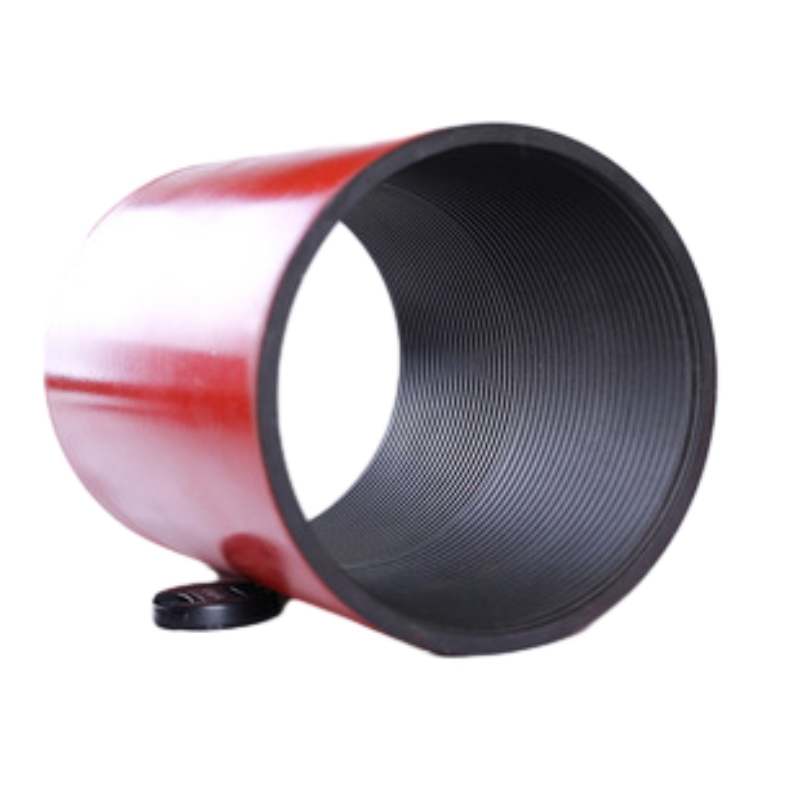


Bull Plug Definition Explained: Benefits, Uses & Industry Insights | WJ Petroleum
Bull Plug Definition is a key solution in the industrial piping and petroleum sectors. This article explores how WJ Petroleum supports professionals with durable, high-performance products, and explains why this product is an ideal choice for businesses aiming to optimize pipeline safety and efficiency.
Table of Contents
- Bull Plug Definition Overview
- Benefits & Use Cases of Bull Plug Definition
- Cost, Maintenance & User Experience
- Sustainability & Market Trends
Bull Plug Definition Overview
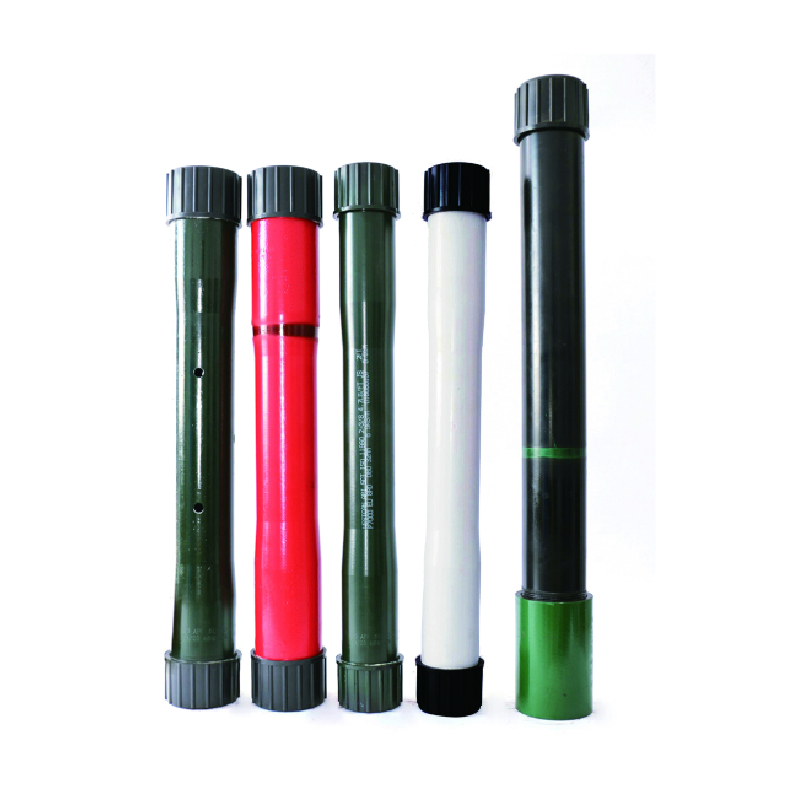
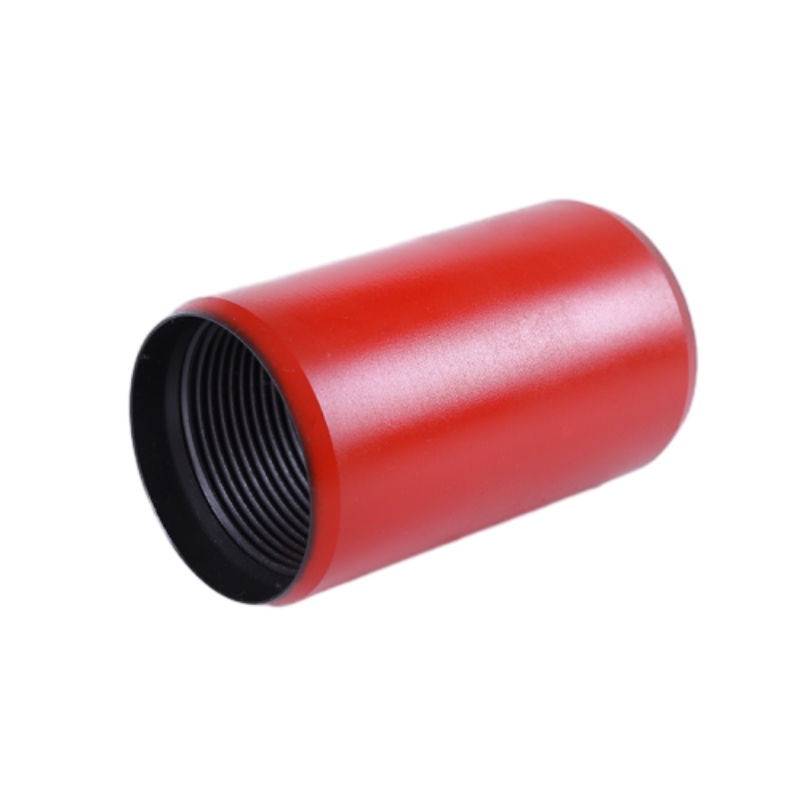
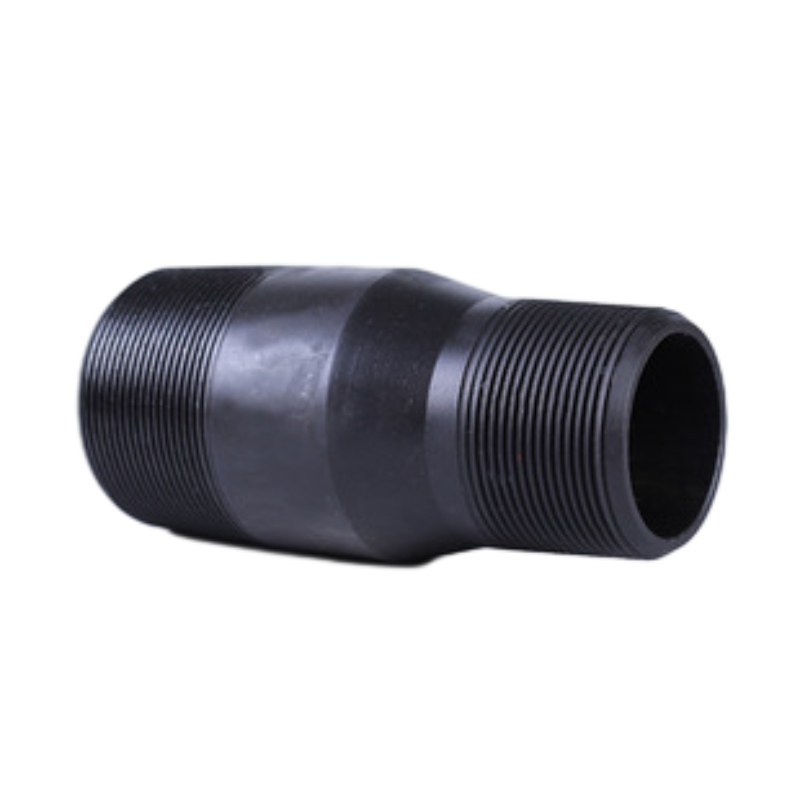
At first glance, a bull plug might sound like an odd term, but in industrial piping systems, it's anything but trivial. In simple terms, a bull plug is a heavy-duty threaded fitting designed to seal the end of a pipeline or pressure vessel—think of it as a robust stopper ensuring the safety and integrity of fluid or gas flow lines. It's particularly relevant in oil and gas, chemical processing, and even water treatment plants.
Technically, bull plugs are typically forged or machined from carbon steel, stainless steel, or other alloys depending on the service conditions. They are sized to match pipe diameters and pressure ratings, commonly adhering to API (American Petroleum Institute) standards. For example, a common bull plug for a 4-inch pipeline might be rated for ANSI Class 600 service, which ensures it can withstand pressures up to approximately 1480 psi. Frankly, these specs make bull plugs indispensable components when it comes to temporarily or permanently sealing off piping sections without compromising structural safety.
| Specification | Detail |
|---|---|
| Material | Carbon Steel (A105), Stainless Steel (316L) |
| Sizes | 1/2” to 48” pipe diameter |
| Pressure Rating | ANSI Class 150 - 2500 |
| Thread Type | NPT, BSP, or Special Threading |
| Finish | Machined with API compliant coating |
Benefits & Use Cases of Bull Plug Definition
Oddly enough, the bull plug's simplicity is exactly what makes it such a powerful tool. In the petroleum industry, these components are widely used during pipeline construction and maintenance to safely terminate pipe ends. They serve as temporary plugs during hydrostatic pressure testing and final sealing points in pipeline setups. Their ability to withstand high pressure and corrosive environments without degradation is a huge plus.
One clear competitive advantage of bull plugs from WJ Petroleum is customization. Many companies offer standard fittings, but WJ Petroleum tailors thread patterns and materials to fit unconventional pipeline specs — a feature that customers in offshore drilling have particularly praised. Plus, their rigorous quality testing—like PMI (Positive Material Identification) and ultrasonic thickness scans—ensures reliability under extreme conditions.
Vendor Comparison
| Vendor | Material Options | Customization | Quality Certifications | Typical Lead Time |
|---|---|---|---|---|
| WJ Petroleum | Carbon Steel, Stainless, Alloy Steel | Full customization of threads & specs | API, ISO 9001, PMI Testing | 3-6 weeks |
| Competitor A | Carbon Steel Only | Limited standard sizes | ISO 9001 | 4-8 weeks |
| Competitor B | Carbon & Stainless Steel | Customization on request | API Certified | 5+ weeks |
Cost, Maintenance & User Experience
When we talk cost, it’s tempting to just look at the upfront price, but especially in B2B industrial scenarios, the total cost of ownership (TCO) paints a more accurate picture. Bull plugs from reputable sources like WJ Petroleum are engineered for longevity, minimizing maintenance cycles and unplanned downtime. Its robust materials and coatings fend off corrosion, meaning fewer replacements and repairs.
From feedback gathered among midstream pipeline operators, users note that the peace of mind these bull plugs bring during high-pressure tests is invaluable. One engineer I spoke with from a Texas-based operator said, “Installing these plugs cuts downtime by almost half compared to previous fittings.” So, while you might spend a bit more initially, the return on investment made via durability and ease of use quickly balances out. Also, maintenance routines tend to be straightforward, mainly periodic inspections with minimal disassembly.
Sustainability & Market Trends
Sustainability is no longer a buzzword but a business imperative. Bull plugs, as simple as they are, play a subtle but significant role. The choice of raw materials and the manufacturing processes from vendors like WJ Petroleum increasingly follow greener practices such as reduced waste forging and energy-efficient machining. Regulations driving leak prevention and pipeline integrity ensure that quality fittings remain at the forefront.
Industry growth also nudges innovation. There’s rising demand for bull plugs that can withstand unconventional environments—say, ultra-low temperatures or high corrosivity—which means materials science is evolving quickly here. Suppliers investing in R&D for these products tend to lead the market, frankly. Given the current shift to more stringent environmental controls worldwide, products that prolong pipeline lifespans while reducing leakage risks aren’t just smart—they’re necessary.
Frequently Asked Questions about Bull Plug Definition
- What is Bull Plug Definition and how does it work?
- A bull plug is a sturdy threaded fitting used to close the end of a pipe or vessel, basically sealing it off to stop flow. It screws into the pipe’s end, creating a pressure-tight barrier which is essential during testing or when a pipeline segment is not in use.
- What are the main benefits of using Bull Plug Definition in industrial applications?
- The key benefits include excellent pressure resistance, durability in corrosive environments, and ease of installation. They reduce downtime during maintenance and ensure pipeline integrity, making them cost-effective and reliable.
- How does Bull Plug Definition compare to traditional alternatives?
- Compared to basic end caps or welds, bull plugs offer faster installation and removal, better reusability, and improved pressure capabilities. Technological advances in materials and custom threading add to their edge.
- What industries can benefit most from Bull Plug Definition implementation?
- Industries like oil and gas, petrochemical, water treatment, and power generation regularly rely on bull plugs to maintain system safety and effectiveness. Their use cases range from construction phases to active system maintenance.
Conclusion on Bull Plug Definition from china
To wrap it up, the value of the Bull Plug Definition lies in its robust design, reliability, and adaptability to industrial needs. For decision makers searching for a proven sealing solution with real-world durability, this product ticks all the boxes.
- Recap the value of Bull Plug Definition.
- - Visit our website: https://www.wjpetroleum.com
Reflecting on these details, one realizes how a seemingly simple component like the bull plug is actually a cornerstone of safe, efficient pipeline operation across industries. It’s a reminder that excellence often lies in the fundamentals.
-
The Ultimate Industrial Guide to using مفصل الجرو Swivel JointsNewsApr.16,2026
-
Comprehensive Guide to api الجرو المشترك in Industrial ApplicationsNewsApr.09,2026
-
Comprehensive Guide to Puppy Joint Health with غلاف مفصل الجرو SupplementsNewsApr.07,2026
-
Optimizing Oilfield Performance with تمرير المفاصل الجرو and WJ Petroleum ExpertiseNewsApr.04,2026
-
Understanding Puppy Mills ¿qué es un porro de cachorros? Responsible Breeding PracticesNewsMar.31,2026
-
Comprehensive Guide to Perforated Puppy Joints and Long Term Canine HealthNewsMar.28,2026