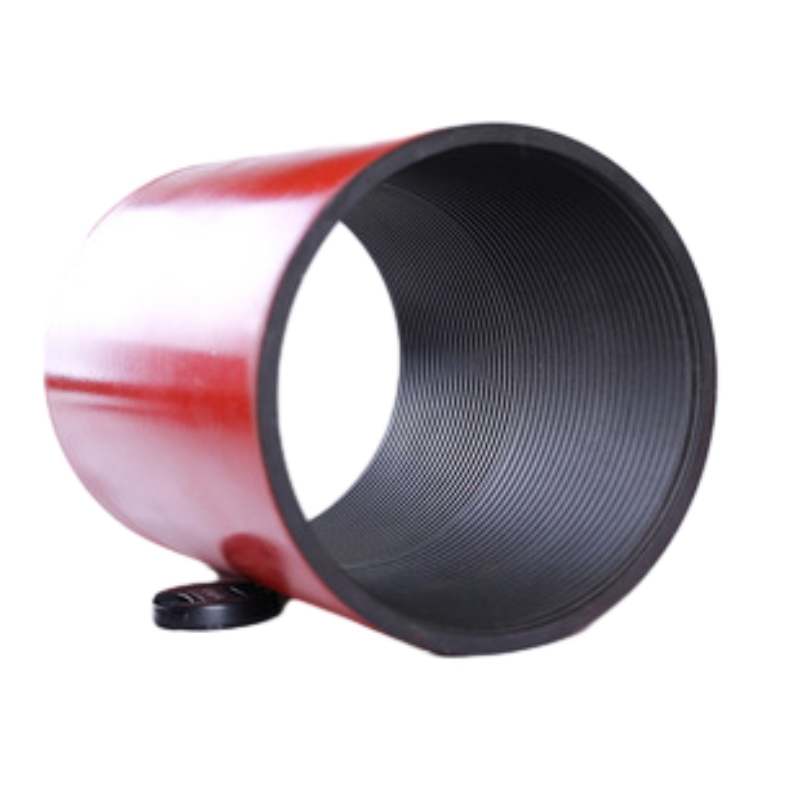


What Are The Differences Between Casing And Tubing? | WJP Petroleum
What Are The Differences Between Casing And Tubing? is a key solution in the oil and gas industry, specifically within well construction and production optimization. This article explores how https://www.wjpetroleum.com supports professionals with durable, high-performance products, and explains why this product is an ideal choice for businesses in these sectors.
Table of Contents
- What Are The Differences Between Casing And Tubing? Overview
- Benefits & Use Cases of What Are The Differences Between Casing And Tubing?
- Cost, Maintenance & User Experience
- Sustainability & Market Trends
What Are The Differences Between Casing And Tubing? Overview
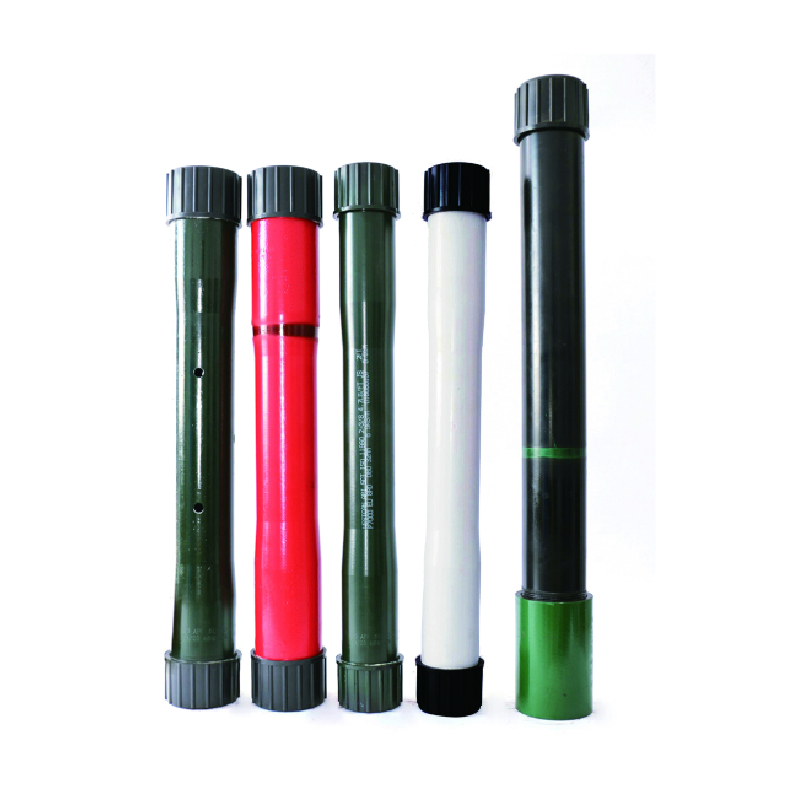
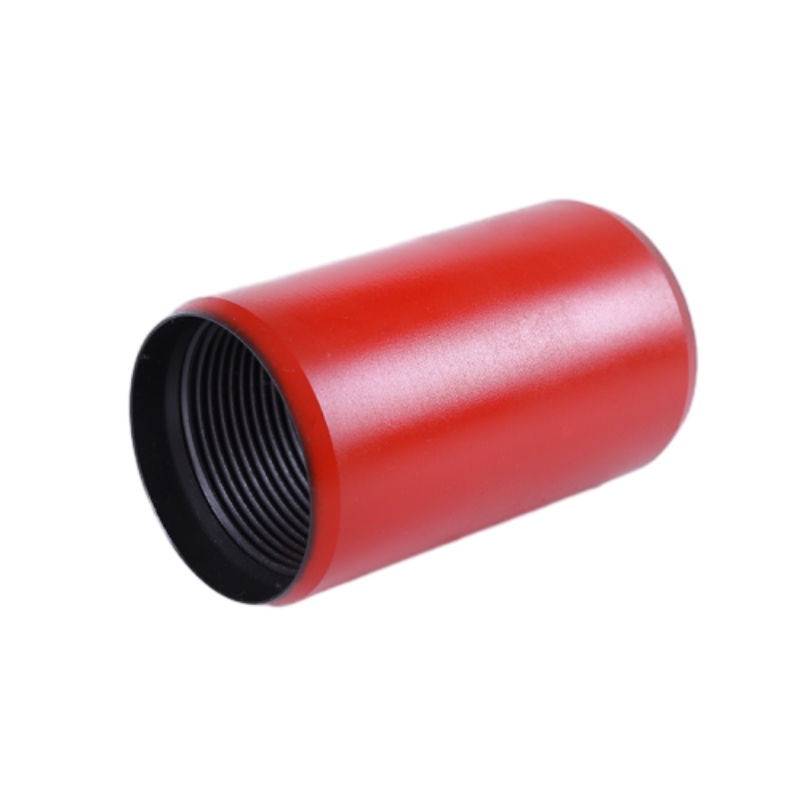
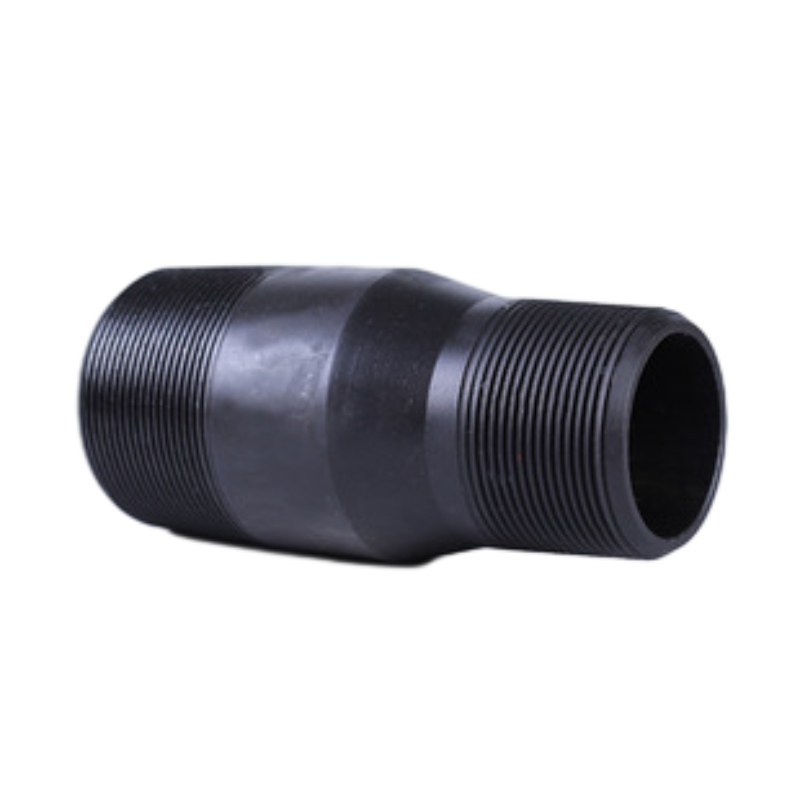
In the world of oil and gas well construction, the terms “casing” and “tubing” often come up and sometimes get mixed together, but frankly, they serve distinctly different purposes. Casing is essentially the structural backbone of a wellbore—large diameter pipes cemented into the drilled hole to stabilize the formation, prevent collapse, and isolate fluids between underground layers. Tubing, by contrast, is the smaller pipe that runs inside the casing and actually transports oil, gas, or fluids from underground to the surface in production wells.
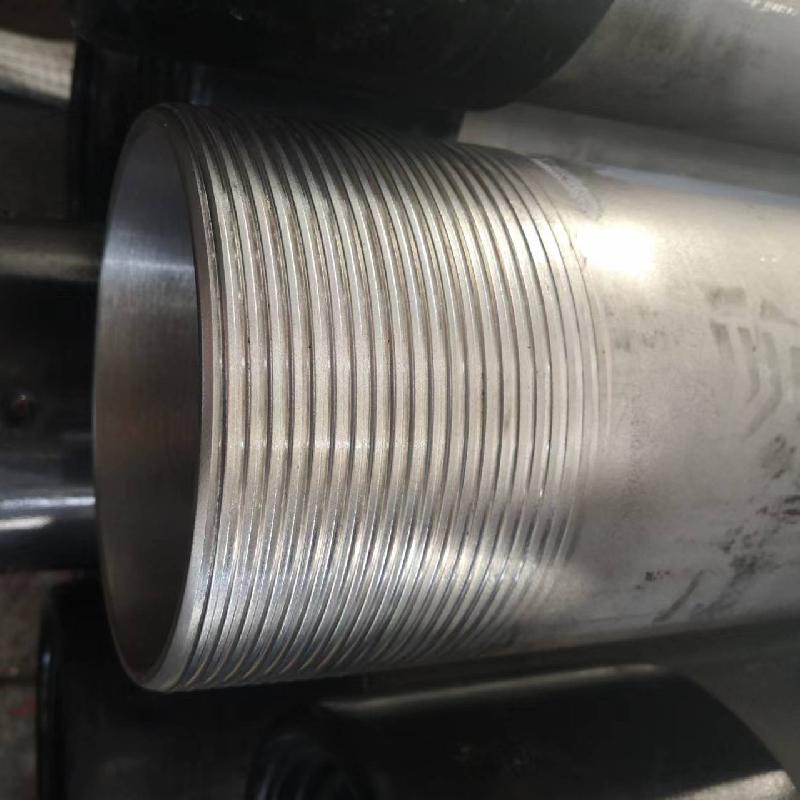
To get a bit technical, casing must tolerate high stress from rock pressure and external conditions, while tubing prioritizes corrosion resistance and flow efficiency. For example, standard casing sizes range from 4.5 to 20 inches in outer diameter, whereas tubing diameters typically fall between 2 and 3.5 inches. This difference is not just academic — the strength grades and material specs vary greatly, impacting well lifespan and safety. To illustrate, WJP Petroleum, a trusted name in the industry, manufactures these components adhering to API (American Petroleum Institute) standards with strict quality controls.
| Feature | Casing | Tubing |
|---|---|---|
| Outer Diameter | 4.5" to 20" | 1.05" to 3.5" |
| Material Grade | API 5CT grades K55, N80, P110 | API 5CT tubing grades with anti-corrosive variants |
| Function | Well integrity, isolation, formation protection | Fluid transport from reservoir to surface |
| Installation | Cemented in place after drilling | Inserted inside casing, removable for maintenance |
Benefits & Use Cases of What Are The Differences Between Casing And Tubing?
So, why do these pipes matter so much? Well, the right casing design ensures structural integrity, isolates water or gas zones, and protects the environment — all critical in drilling harsh or deep wells. Tubing, on the other hand, needs to be precise and adaptable for efficient flow and easy servicing. Folks in drilling operations often praise WJP Petroleum’s tubing for its corrosion resistance and dimensional accuracy, which frankly saves time and cost down the line.
These components are distinct cogs in the complex machinery of oil extraction. Casing’s durability withstands crushing earth pressures, picking up the slack so tubing can focus on optimized fluid flow. The result? Enhanced well productivity and fewer costly shutdowns. Industries spanning upstream oil fields to geothermal energy projects rely heavily on these distinctions for tailored well designs.
Cost, Maintenance & User Experience
If you’re a B2B decision-maker, cost-efficiency isn’t just a nice-to-have; it’s vital. Casing involves upfront cementing and installation costs but offers long-term well protection that’s hard to beat. Tubing tends to have a higher wear rate due to its direct exposure to produced fluids, making reliability and ease-of-replacement paramount.
From customer feedback I’ve gathered, companies using WJP Petroleum’s products often highlight the impressive balance between cost and longevity. The ROI appears better when factoring in fewer interventions and less downtime. Incidentally, the modularity of tubing means operators can replace sections in situ rather than re-casing the well — a major cost saver in real terms.
| Attribute | WJP Petroleum | Competitor A | Competitor B |
|---|---|---|---|
| API Certification | Yes | Yes | No |
| Customization Options | Extensive | Limited | Moderate |
| Lead Time | 4-6 weeks | 3-5 weeks | 6-8 weeks |
| Warranty & Support | 2 years + onsite | 1 year | No warranty |
Sustainability & Market Trends
The energy sector is under ever-increasing pressure to operate sustainably and comply with stricter regulations. Here, the choice and performance of casing and tubing play a surprisingly significant role. High-quality materials reduce risks of leaks or failures, which is obviously better for the environment and corporate responsibility goals.
Additionally, new alloy formulations and surface treatments are emerging to extend tubing lifespan and minimize environmental impact during production. It’s interesting how innovation in these “simple” pipes forms a quiet backbone of greener drilling. Industry reports suggest growing demand for premium casing and tubing as companies chase improved efficiency and reduced carbon footprints.
For decision-makers eyeing future-proof solutions, partnering with reputable suppliers like WJP Petroleum—which aligns with sustainability norms and offers advanced materials—is a smart strategy to meet both today’s needs and tomorrow’s challenges.
Frequently Asked Questions about What Are The Differences Between Casing And Tubing?
- What is What Are The Differences Between Casing And Tubing? and how does it work?
- It refers to understanding how casing and tubing differ in function and design in the oil and gas industry. Casing supports and protects the wellbore structure, while tubing carries fluids to the surface. Working together, they ensure well safety and production efficiency.
- What are the main benefits of using What Are The Differences Between Casing And Tubing? in industrial applications?
- Key advantages include increased well integrity, prevention of formation contamination, optimized fluid transport, and enhanced durability, all of which reduce operational costs and downtime.
- How does What Are The Differences Between Casing And Tubing? compare to traditional alternatives?
- Compared to older materials or designs, modern casing and tubing like those from leading manufacturers use superior alloys, precise manufacturing, and coatings to increase lifespan and performance in challenging conditions.
- What industries can benefit most from What Are The Differences Between Casing And Tubing? implementation?
- Besides oil and gas drilling companies, geothermal energy projects, water well drilling, and mining sectors can leverage the differences and strengths of casing and tubing for safer, more efficient resource extraction.
Conclusion on What Are The Differences Between Casing And Tubing? from china
To wrap things up, understanding What Are The Differences Between Casing And Tubing? isn’t just a technical nuance—it’s fundamental in designing wells that last and perform optimally. High-quality products from trusted vendors like WJP Petroleum bring peace of mind, better ROI, and align with evolving industry standards. They’re certainly worth considering if you’re sourcing crucial well components.
- Recap the value of What Are The Differences Between Casing And Tubing? in well integrity and production.
- Visit our website: https://www.wjpetroleum.com
-
The Ultimate Industrial Guide to using مفصل الجرو Swivel JointsNewsApr.16,2026
-
Comprehensive Guide to api الجرو المشترك in Industrial ApplicationsNewsApr.09,2026
-
Comprehensive Guide to Puppy Joint Health with غلاف مفصل الجرو SupplementsNewsApr.07,2026
-
Optimizing Oilfield Performance with تمرير المفاصل الجرو and WJ Petroleum ExpertiseNewsApr.04,2026
-
Understanding Puppy Mills ¿qué es un porro de cachorros? Responsible Breeding PracticesNewsMar.31,2026
-
Comprehensive Guide to Perforated Puppy Joints and Long Term Canine HealthNewsMar.28,2026