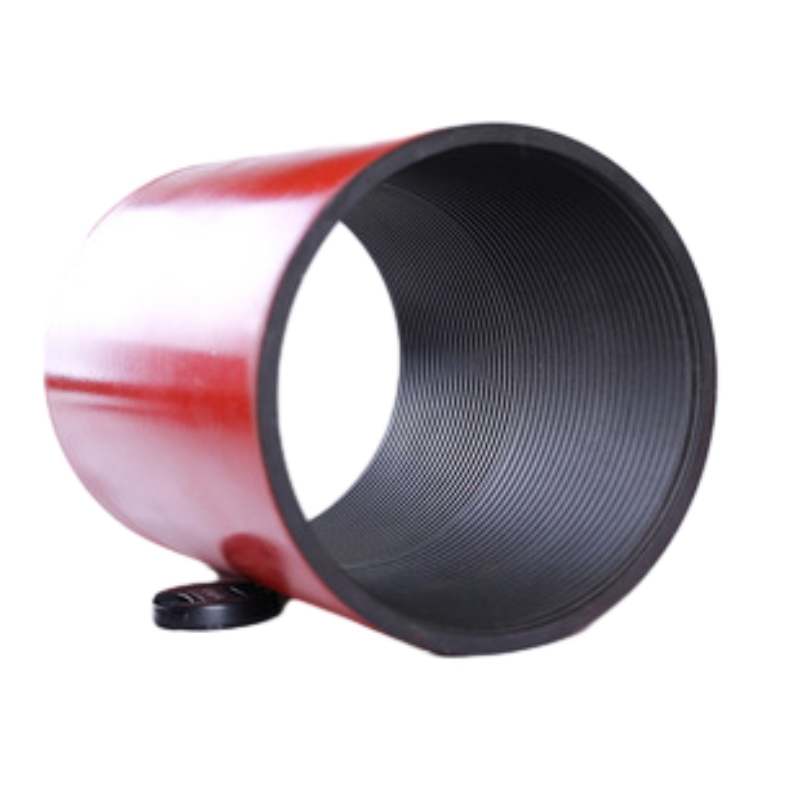


Understanding the Applications and Benefits of 1 4 OD Copper Coupling for Piping Systems
Understanding 1 4 OD Copper Coupling for Seamless Piping
In the realm of plumbing and fluid transfer systems, a reliable connection is paramount. The 1 4 OD copper coupling serves as a vital component, ensuring leak-proof joints between copper pipes. This article provides a comprehensive overview of its applications, benefits, materials, installation, and considerations for selecting the right coupling for your project. Whether you’re a seasoned professional or a DIY enthusiast, understanding the nuances of this fitting is crucial for maintaining the integrity of your piping system. Choosing the correct coupling ensures longevity and prevents costly repairs.
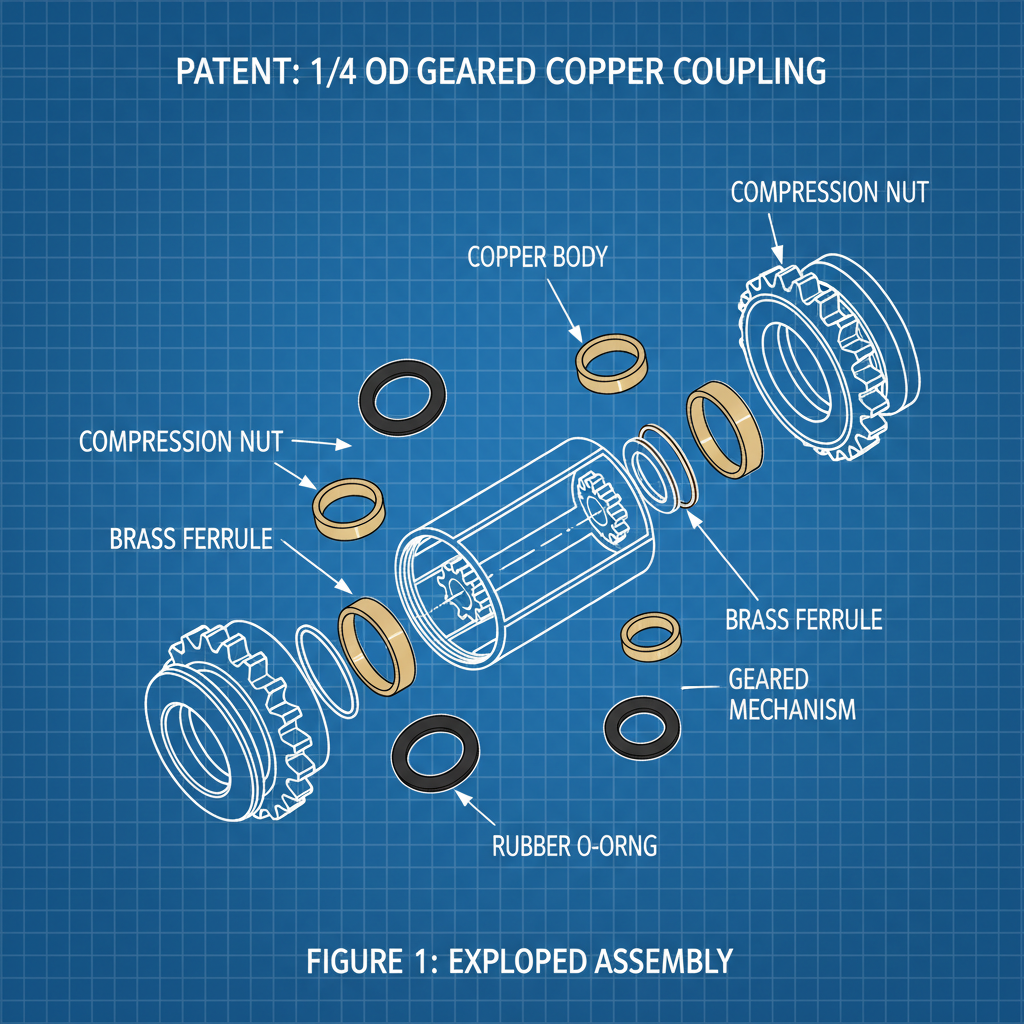
What is a 1 4 OD Copper Coupling?
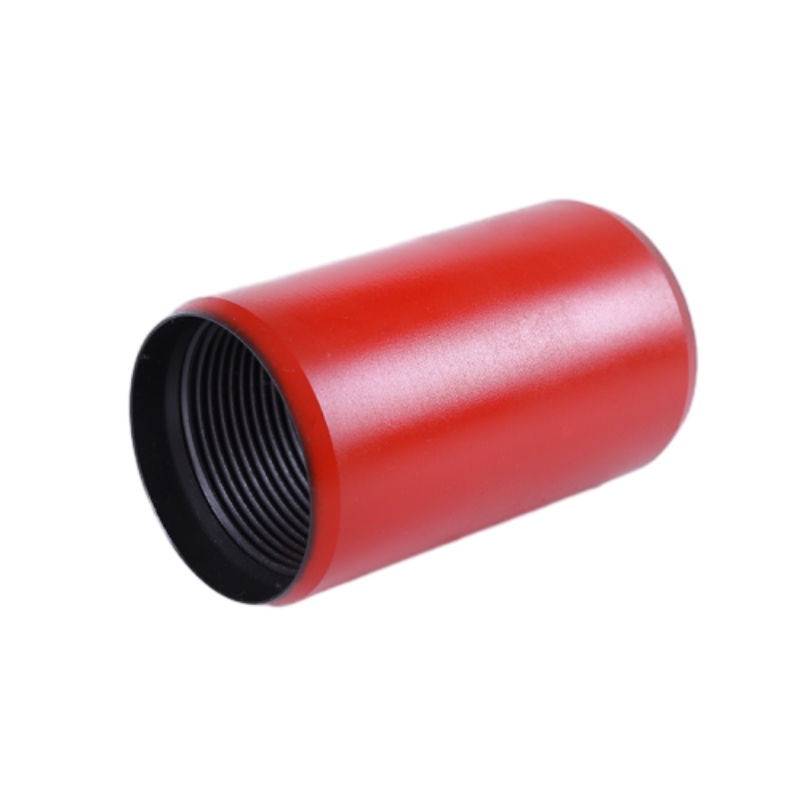
A 1 4 OD copper coupling is a short section of copper tubing designed to connect two pieces of 1/4 inch outer diameter (OD) copper pipe. The “OD” refers to the measurement across the outside of the pipe, which is critical for ensuring a proper fit. These couplings typically feature solder-fit or compression connections, allowing for secure and lasting joints. They are indispensable in plumbing, refrigeration, HVAC, and various industrial applications where copper piping is utilized. The choice between solder-fit and compression fittings depends on factors like the ease of installation and the requirements of the specific application. WJ Petroleum offers a diverse selection of high-quality 1 4 OD copper couplings to meet diverse needs.
Key Highlights: Essential for joining 1/4 inch OD copper pipes, available in solder-fit and compression styles, used extensively in plumbing and industrial applications.
Solder-Fit vs. Compression Couplings
Two primary types of 1 4 OD copper couplings are available: solder-fit and compression. Solder-fit couplings require heating the coupling and pipe and applying solder to create a permanent, leak-proof bond. This method offers excellent durability and is well-suited for high-pressure applications. Compression couplings, on the other hand, utilize compression nuts and ferrules to create a seal without soldering. These are easier to install and can be disassembled, making them ideal for temporary connections or situations where soldering is impractical. Understanding the differences between these types is essential for choosing the right coupling for your project.
Key Differences:
• Solder-Fit: Permanent, durable, high-pressure resistant, requires soldering skills.
• Compression: Easier installation, removable, suitable for temporary connections, lower pressure rating.
Applications of 1 4 OD Copper Coupling
The 1 4 OD copper coupling finds widespread use across various industries. In residential plumbing, it’s employed to repair leaks, extend pipe runs, and connect fixtures. Refrigeration systems utilize these couplings for connecting refrigerant lines. HVAC systems often incorporate them in condensate drain lines and refrigerant circuits. Industrial applications include connecting process piping, instrument tubing, and hydraulic systems. The versatile nature of the 1 4 OD copper coupling makes it an invaluable component in countless fluid transfer applications. Explore our catalog for a wide variety of coupling options.
Selecting the Right 1 4 OD Copper Coupling
Choosing the correct coupling involves considering several factors. First, determine the type of connection needed – solder-fit or compression – based on the application and your skill level. Ensure the coupling material is compatible with the fluid being transported. Verify the coupling’s pressure rating to ensure it can withstand the system’s operating pressure. Finally, inspect the coupling for any defects or damage before installation. WJ Petroleum offers expert advice to help you select the optimal coupling for your specific requirements.
Installation Best Practices
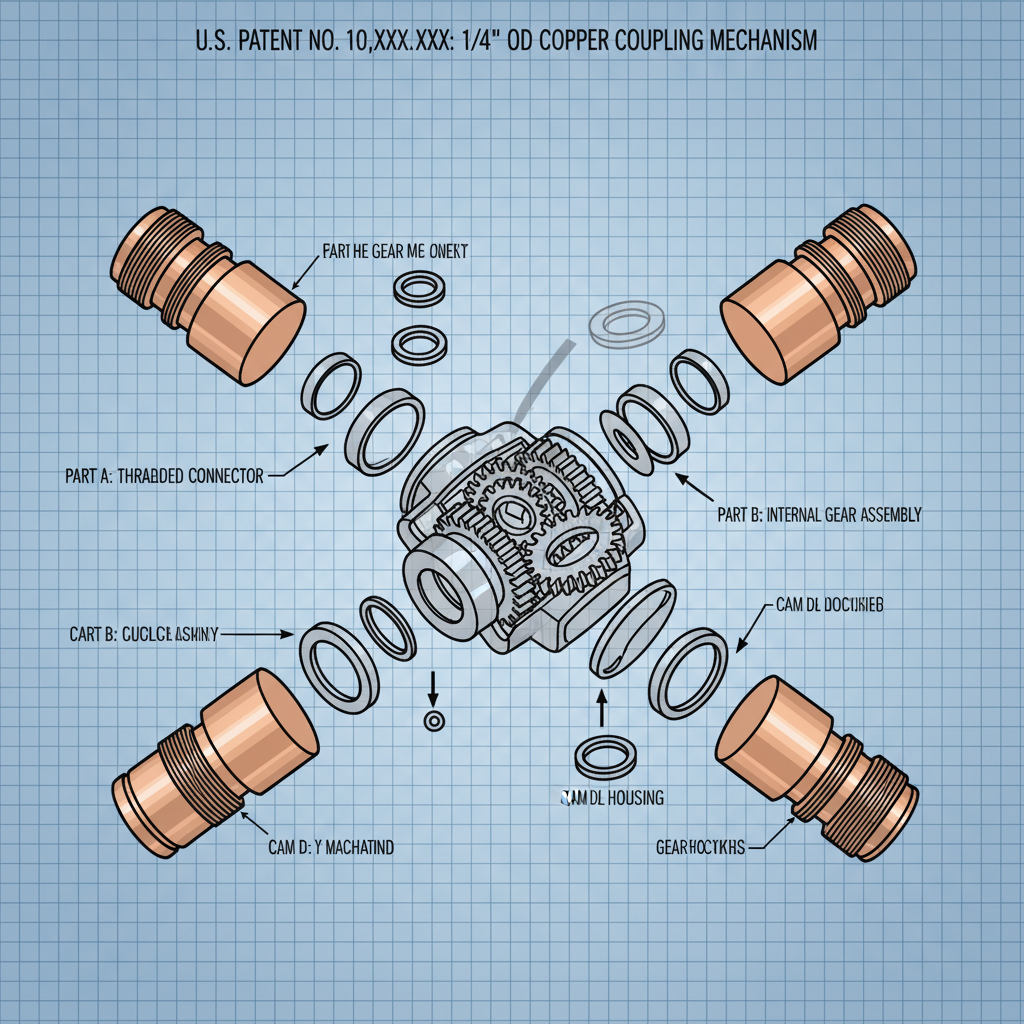
Proper installation is crucial for ensuring a leak-proof connection. For solder-fit couplings, thoroughly clean the pipe ends and the inside of the coupling with abrasive cloth. Apply flux evenly to both surfaces, insert the pipe into the coupling, and heat the joint with a torch until the solder flows freely. Allow the joint to cool naturally. For compression couplings, slide the compression nut and ferrule onto the pipe, insert the pipe into the coupling, and tighten the nut until the ferrule compresses and creates a seal. Avoid overtightening. Always follow the manufacturer’s instructions for specific installation procedures.
Conclusion: Ensuring Reliable Piping with Quality Couplings
The 1 4 OD copper coupling is a fundamental component for building and maintaining robust piping systems. Understanding its types, applications, and installation best practices is essential for achieving lasting, leak-free connections. By choosing high-quality couplings from a trusted supplier like WJ Petroleum, you can ensure the reliability and efficiency of your plumbing and fluid transfer systems.
Frequently Asked Questions (FAQs)
What is the maximum pressure rating for a 1/4" OD copper coupling?
The maximum pressure rating varies depending on the coupling type (solder-fit or compression) and the manufacturer. Solder-fit couplings generally have a higher pressure rating than compression couplings. It’s crucial to check the specifications provided by the manufacturer before installation. Generally, solder-fit couplings can handle pressures up to several hundred PSI, while compression couplings may be limited to lower pressures. Always ensure the coupling’s pressure rating exceeds the maximum operating pressure of the system.
Can I use a compression coupling if I don't have soldering experience?
Yes, compression couplings are an excellent option for those without soldering experience. They require no heat or solder, making them much easier to install. Simply slide the nut and ferrule onto the pipe, insert the pipe into the coupling, and tighten the nut. However, it's essential to tighten the nut sufficiently to create a secure seal, but avoid overtightening, which could damage the fitting or pipe. Compression couplings are a convenient alternative when soldering isn't feasible or practical.
What materials are 1/4" OD copper couplings typically made from?
1/4" OD copper couplings are predominantly made from copper or copper alloys, such as brass. Copper provides excellent corrosion resistance and compatibility with a wide range of fluids. Brass is often used for the coupling body and nuts, providing durability and strength. The choice of material depends on the specific application and the fluids being transported. WJ Petroleum offers couplings made from high-quality materials for optimal performance and longevity.
How do I prevent leaks when using solder-fit couplings?
Preventing leaks with solder-fit couplings requires careful preparation and technique. Ensure the pipe ends and coupling interior are thoroughly cleaned with abrasive cloth. Apply flux evenly to both surfaces. Heat the joint evenly with a torch, and apply solder until it flows smoothly around the joint. Avoid overheating, which can damage the pipe or coupling. Allow the joint to cool naturally without disturbance. Finally, thoroughly inspect the joint for any gaps or voids in the solder. Proper technique and attention to detail are key to creating a leak-proof connection.
-
The Ultimate Industrial Guide to using مفصل الجرو Swivel JointsNewsApr.16,2026
-
Comprehensive Guide to api الجرو المشترك in Industrial ApplicationsNewsApr.09,2026
-
Comprehensive Guide to Puppy Joint Health with غلاف مفصل الجرو SupplementsNewsApr.07,2026
-
Optimizing Oilfield Performance with تمرير المفاصل الجرو and WJ Petroleum ExpertiseNewsApr.04,2026
-
Understanding Puppy Mills ¿qué es un porro de cachorros? Responsible Breeding PracticesNewsMar.31,2026
-
Comprehensive Guide to Perforated Puppy Joints and Long Term Canine HealthNewsMar.28,2026