

What Is The Difference Between Casing And Tubing? | WJ Petroleum Explained
What Is The Difference Between Casing And Tubing? is a key solution in the oil and gas industry, specifically within drilling and production operations. This article explores how https://www.wjpetroleum.com supports professionals with durable, high-performance products, and explains why this product is an ideal choice for businesses in these sectors.
Table of Contents
- What Is The Difference Between Casing And Tubing? Overview
- Benefits & Use Cases of What Is The Difference Between Casing And Tubing?
- Cost, Maintenance & User Experience
- Sustainability & Market Trends
What Is The Difference Between Casing And Tubing? Overview
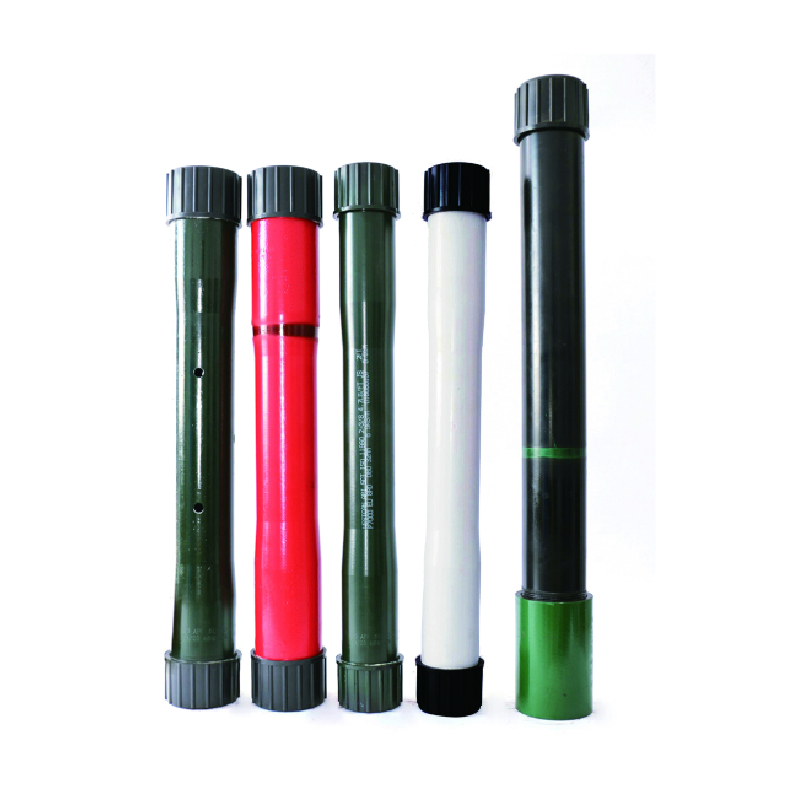
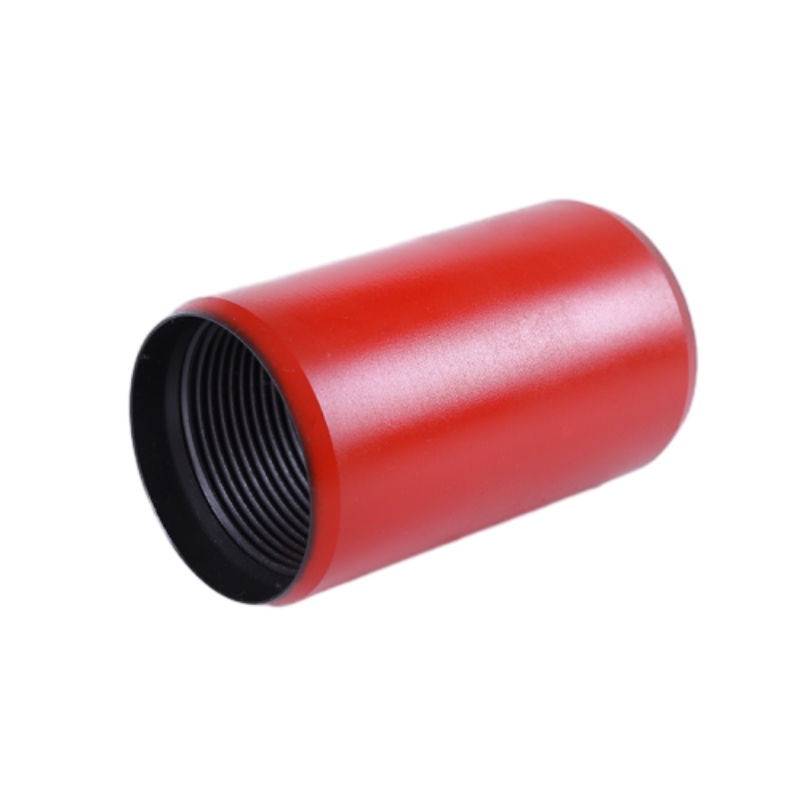
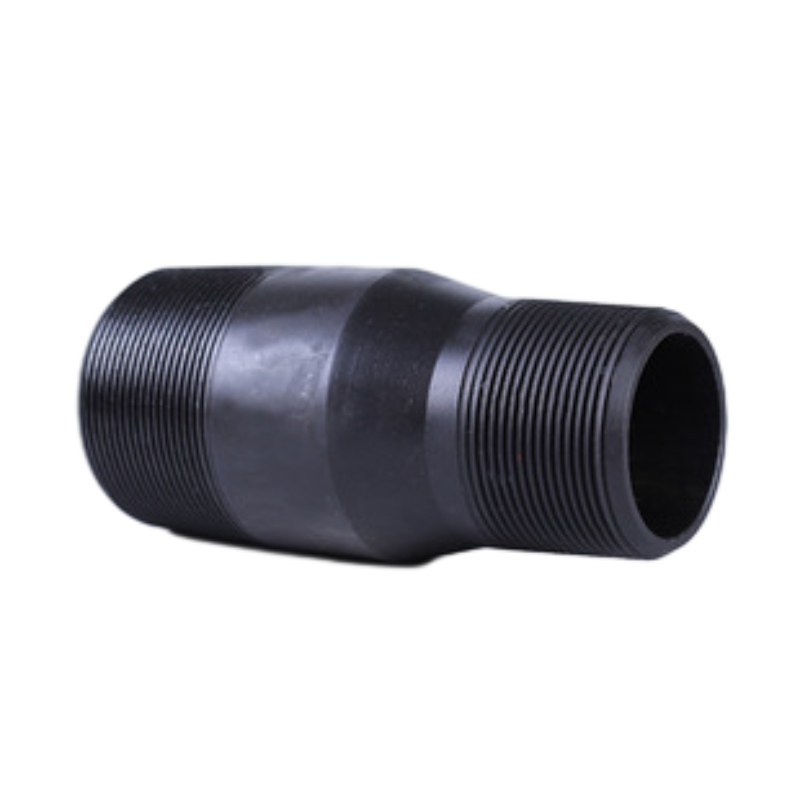
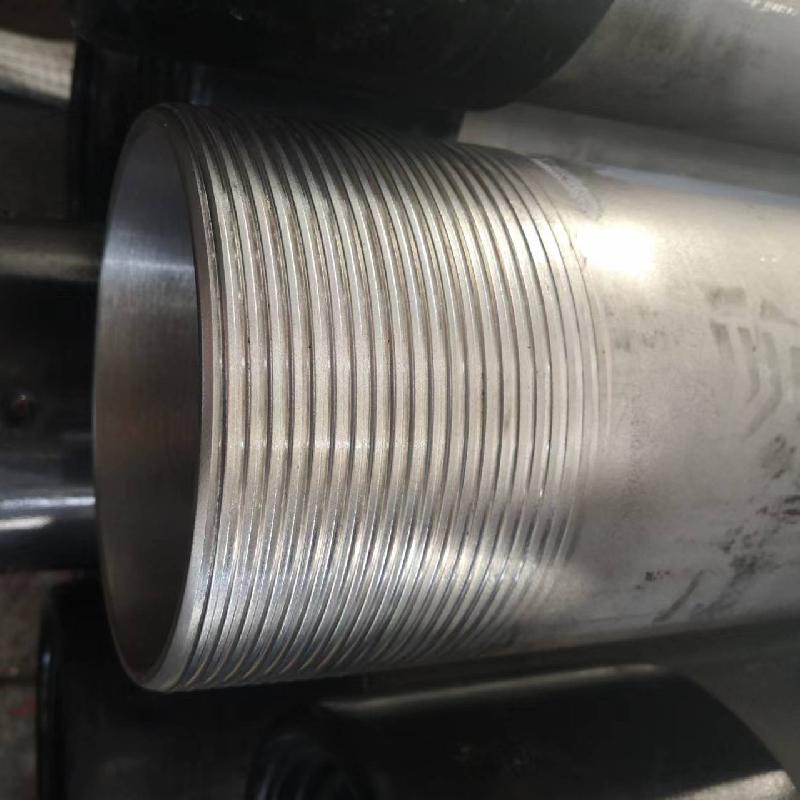
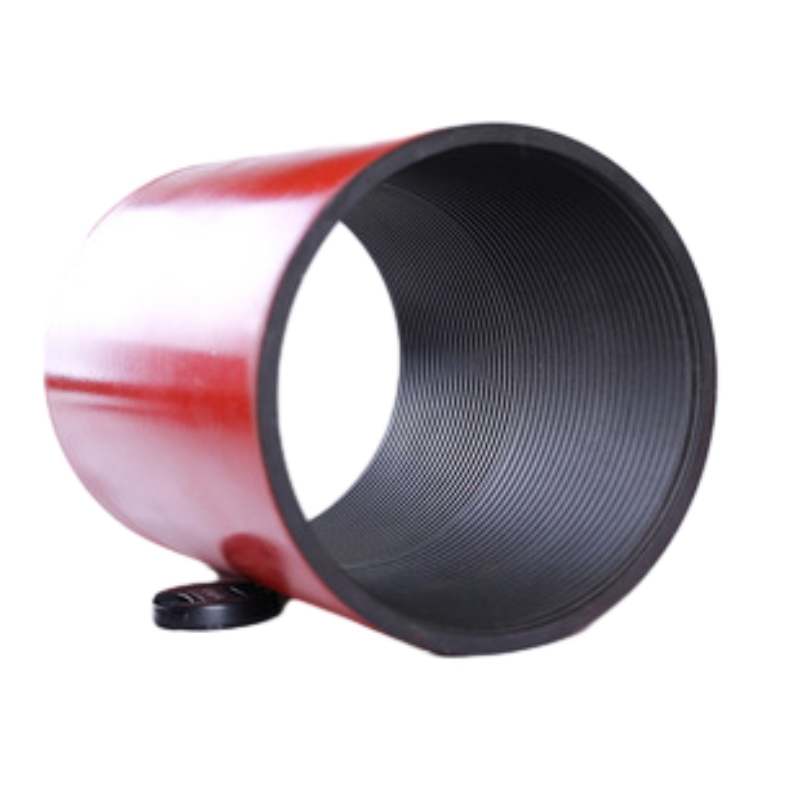
Frankly, understanding the difference between casing and tubing is essential if you’re involved in drilling and production. Both are critical tubular components, but their roles are quite distinct. Casing is the large-diameter steel pipe that’s inserted into the wellbore and cemented in place to stabilize the hole, isolate fluid zones, and prevent collapse. Tubing, on the other hand, is the smaller pipe installed inside the casing through which oil and gas actually flow to the surface.
Technically, casing must withstand formation pressures and mechanical loads, so it’s designed with thicker walls and made from high-grade steel alloys. Tubing is engineered for fluid transport, requiring corrosion resistance and versatility to accommodate varying pressures as production ramps up or down. For example, WJP’s line of casing and tubing features API 5CT-grade steel (commonly N80 or P110), with sizes ranging from 4.5 inches to 13.375 inches for casing, and from 2.375 to 4.5 inches for tubing — pretty standard specs but with quality you can rely on.
| Specification | Casing | Tubing |
|---|---|---|
| Diameter | 4.5" to 13.375" | 2.375" to 4.5" |
| Material Grade | API 5CT N80, P110 | API 5CT L80, P110 |
| Wall Thickness | 0.5" – 1.25" | 0.25" – 0.5" |
| Primary Function | Wellbore Support & Isolation | Production Flow Conduit |
Benefits & Use Cases of What Is The Difference Between Casing And Tubing?
In real terms, good casing and tubing are the unsung heroes of successful well construction and production. Without reliable casing, you’re risking wellbore collapse, fluid migration, and ultimately lost production. Quality tubing, meanwhile, ensures smooth and safe transport of hydrocarbons while minimizing corrosion risks.
Industries ranging from upstream oil & gas operators, offshore drilling contractors, to well services firms, all rely heavily on tailored casing and tubing. WJP’s durability, combined with precision threading and quality control measures, means fewer trip outs and downtime, which frankly, every operator values. Oddly enough, many engineers say that investing upfront in better casing and tubing saves them headaches down the line, especially in harsh or deepwater environments.
Cost, Maintenance & User Experience
Let’s talk money for a second. While casing and tubing can seem pricey upfront, the total cost of ownership is what truly matters. Durable materials combined with proper manufacturing reduce maintenance and replacement frequency — meaning better ROI. For example, WJ Petroleum's products come with proven resistance to wear and corrosion, cutting back on costly repairs.
Customer feedback across the sector points to improved run life and fewer failure incidents after switching to WJP’s casing and tubing solutions. These subtle changes mean operators can focus more on production optimization rather than firefighting mechanical problems. Generally speaking, maintenance schedules become more predictable, which is a huge plus in this business.
Sustainability & Market Trends
The oil and gas sector is increasingly focused on sustainability, and the quality of casing and tubing materials plays a subtle yet important role here. More durable products mean fewer replacements and less waste generation. Additionally, regulatory bodies worldwide are putting more pressure on manufacturers to improve environmental impact.
Market trends show a rising demand for premium tubular products optimized for extended lifecycle and compatibility with advanced well technologies, such as managed pressure drilling and enhanced oil recovery. WJP keeps pace by integrating eco-friendly practices and cutting-edge metallurgy in their product lines. So, sustainability isn’t an afterthought but a part of strategic growth.
| Feature | WJP Petroleum | Competitor A | Competitor B |
|---|---|---|---|
| Material Quality | API 5CT Premium Grades | Standard API Grades | Mixed Grades |
| Product Range | Extensive (Casing & Tubing) | Limited | Moderate |
| Custom Manufacturing | Available | Rare | No |
| Customer Support | Dedicated Team | Standard | Basic |
Frequently Asked Questions about What Is The Difference Between Casing And Tubing?
- What is What Is The Difference Between Casing And Tubing? and how does it work?
- It’s about understanding two types of pipes in a well. Casing supports and protects the wellbore from collapse and contamination, while tubing is the conduit that carries oil or gas to the surface. Both work together to keep wells safe and productive.
- What are the main benefits of using What Is The Difference Between Casing And Tubing? in industrial applications?
- Key benefits include enhanced well integrity, reduced downtime, and improved production efficiency. High-quality products resist corrosion and mechanical stress, so you get better durability and less maintenance.
- How does What Is The Difference Between Casing And Tubing? compare to traditional alternatives?
- Modern materials and engineering advances have boosted performance, making newer casing and tubing options more reliable and longer-lasting compared to older designs. This means fewer failures and safer wells.
- What industries can benefit most from What Is The Difference Between Casing And Tubing? implementation?
- Primarily, oil and gas drilling, offshore production platforms, and well servicing sectors. But also geothermal and certain mining operations where well integrity is critical.
Conclusion on What Is The Difference Between Casing And Tubing? from china
To sum up, What Is The Difference Between Casing And Tubing? represents more than just pipes — it’s about ensuring well integrity and optimized production with tailored advanced materials. Whether you’re drilling a new well or maintaining existing infrastructure, investing in reliable casing and tubing can pay dividends in operational uptime and safety.
- The right choice in casing and tubing means stronger wells and longer production lives.
- Visit our website: https://www.wjpetroleum.com
If there's one takeaway, it’s this: in drilling operations, what’s inside the well counts just as much as what’s on the surface. Being informed about the difference between casing and tubing helps you make smarter investment choices and keep things running smooth in a pretty complex field.
References:
1. API Spec 5CT, Specification for Casing and Tubing
2. SPE Papers on Well Integrity and Tubulars
3. WJ Petroleum Product Catalog and Client Testimonials
-
The Ultimate Industrial Guide to using مفصل الجرو Swivel JointsNewsApr.16,2026
-
Comprehensive Guide to api الجرو المشترك in Industrial ApplicationsNewsApr.09,2026
-
Comprehensive Guide to Puppy Joint Health with غلاف مفصل الجرو SupplementsNewsApr.07,2026
-
Optimizing Oilfield Performance with تمرير المفاصل الجرو and WJ Petroleum ExpertiseNewsApr.04,2026
-
Understanding Puppy Mills ¿qué es un porro de cachorros? Responsible Breeding PracticesNewsMar.31,2026
-
Comprehensive Guide to Perforated Puppy Joints and Long Term Canine HealthNewsMar.28,2026