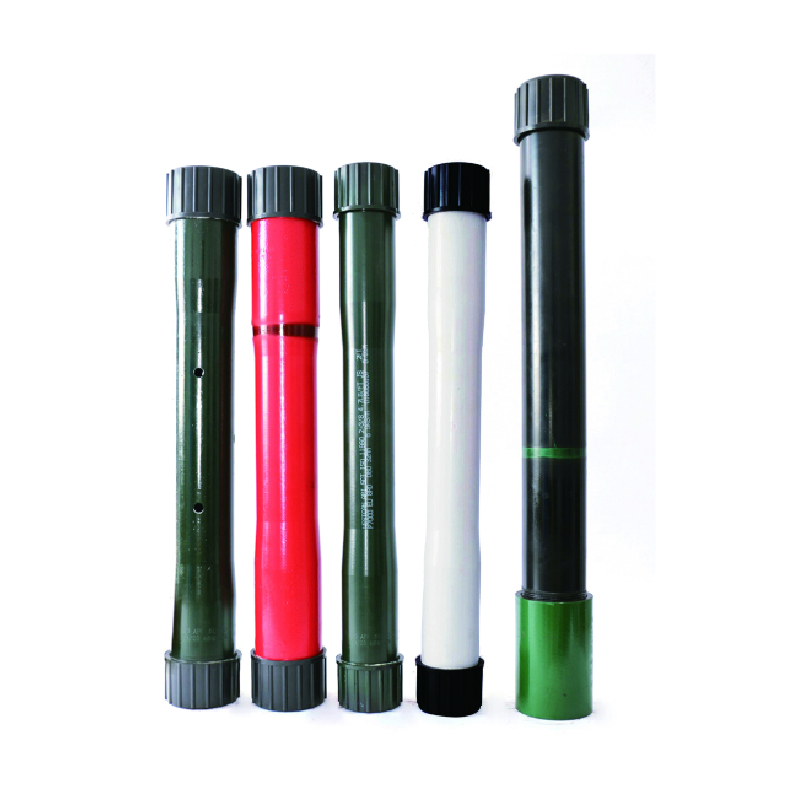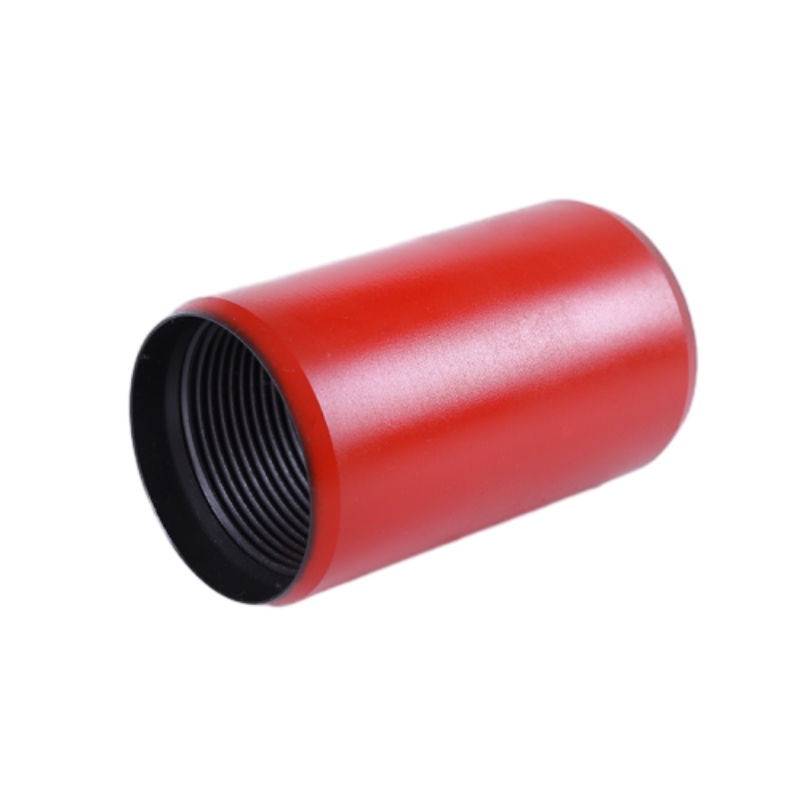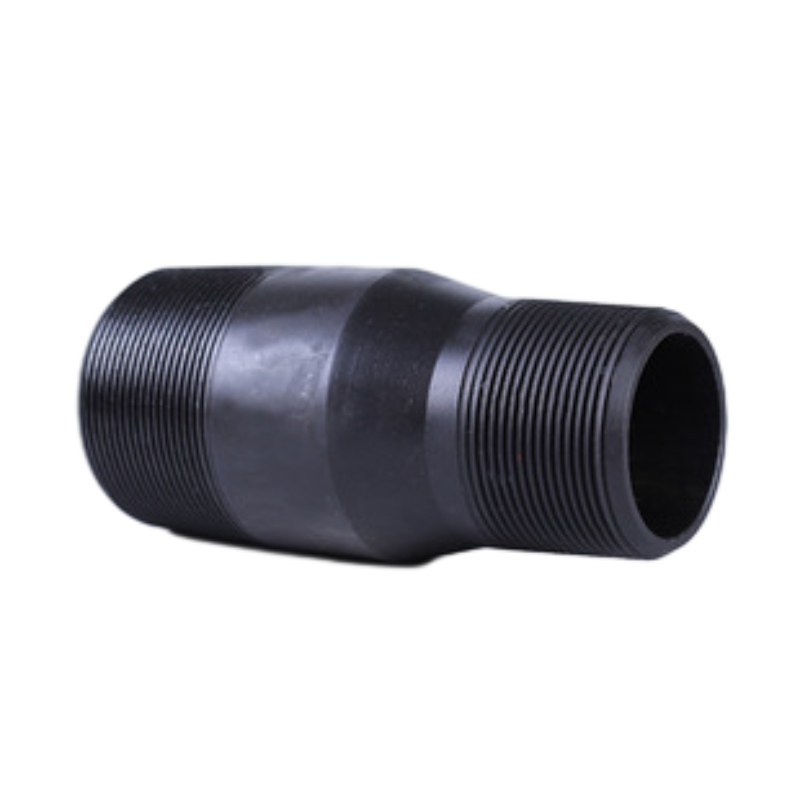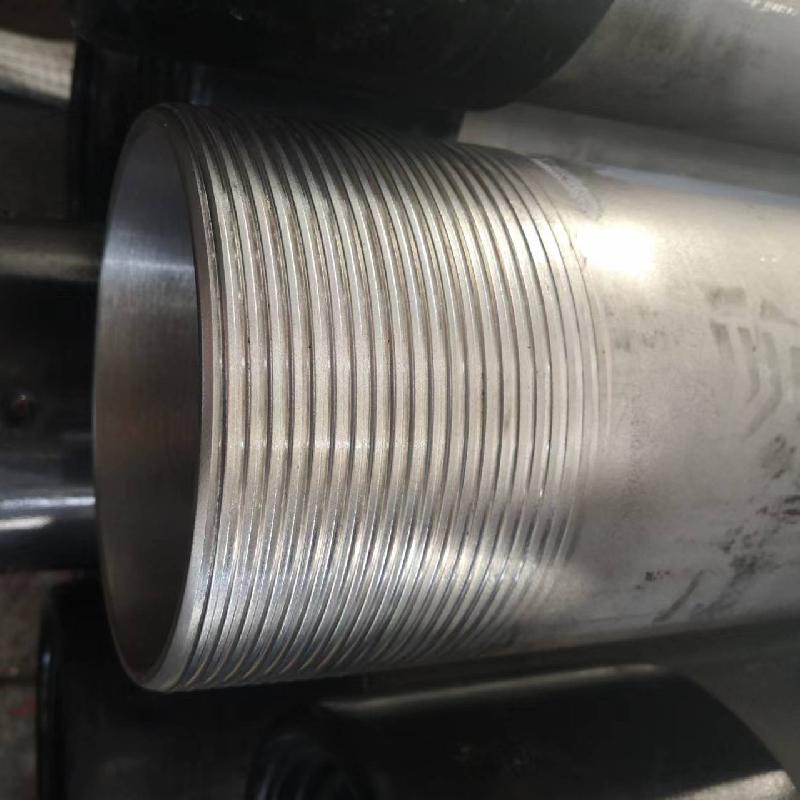


5/16 Union Coupling Guide | Quality Industrial Pipe Fittings
The 5/16 Union Coupling: A Small Component with Big Impact
Having spent a few decades knee-deep in industrial equipment — from oil fields to manufacturing plants — I can tell you the 5/16 union coupling is one of those unsung heroes. It might seem like a minor piece, but when you’re dealing with fluid transfer systems or high-pressure piping, the difference between a reliable coupling and a cheap knockoff is night and day.
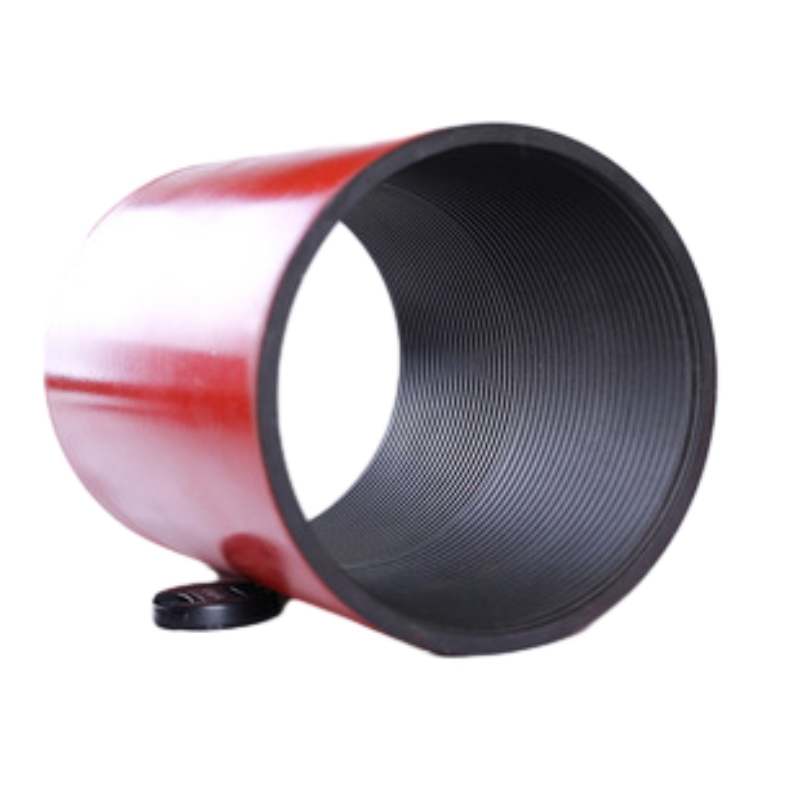
So what exactly is a 5/16 union coupling? Simply put, it's a connector that joins two pipes or tubes — each with an outer diameter of 5/16 inch — allowing them to be disconnected without cutting. This small detail makes maintenance and repairs far less painful, especially when downtime can mean lost revenue or even safety issues. Frankly, it’s a small investment for a major headache prevented.
In my experience, these couplings are often manufactured from either brass, stainless steel, or carbon steel — each material chosen for its corrosion resistance, strength, and suitability to specific environments. Personally, I've always leaned toward brass for its machinability and corrosion resistance in less aggressive environments, whereas stainless steel is the go-to for harsh chemical or marine settings.
Oddly enough, despite its simple function, the design details matter a lot. Thread type and sealing methods can vary, and this impacts not just performance but also compatibility. Many engineers I’ve worked with stress the importance of adhering to standards like NPT (National Pipe Thread) or BSP (British Standard Pipe), which can save you from nasty leaks later.
And don’t get me started on pressure ratings. A 5/16 union coupling might look the same across different brands, but a fully rated coupling can handle pressures up to 3,000 psi, while some budget options barely manage half of that. Knowing your system's pressure requirements is critical — and this spec can vary widely depending on your application, be it hydraulic systems or compressed gas lines.
Here’s a quick specs snapshot that I often refer to before recommending a coupling for field use:
| Specification | Details |
|---|---|
| Material | Brass, Stainless Steel, Carbon Steel |
| Connection Type | 5/16 inch Diameter, Union (Threaded) |
| Thread Standards | NPT, BSP |
| Maximum Operating Pressure | Up to 3,000 psi (varies by material & brand) |
| Temperature Range | -65°F to +450°F (depending on material) |
| Sealing Method | PTFE Tape, O-rings (optional) |
When it comes to sourcing, I’ve dealt with quite a few vendors over the years. Each has their pros and cons, especially regarding product quality, delivery speed, and price flexibility. For your convenience, here’s a quick comparison of three well-known suppliers in the industrial coupling space:
| Vendor | Quality | Price | Lead Time | Stock Availability |
|---|---|---|---|---|
| WJ Petroleum | High - Tested & Verified | Competitive | 2-5 Days | Excellent |
| Vendor B | Moderate - Some Variance | Low | 1-3 Days | Limited |
| Vendor C | High | Premium | 5-7 Days | Good |
A small anecdote: once, on a refinery turnaround project, a 5/16 union coupling from a less reliable supplier caused a minor but costly leak. That one incident reinforced for me how seriously you need to take even the smallest parts in a system. Since then, I’ve regularly recommended sourcing from trustworthy suppliers like WJ Petroleum, who combine quality with quick turnaround.
Customization is another aspect worth mentioning. While standard 5/16 union couplings cover most needs, some operations require tailored solutions — say custom thread patterns or enhanced sealing to handle exotic chemicals. Working closely with vendors on these makes a big difference, especially when your application is critical.
Of course, as industrial requirements evolve—think increased automation, higher pressures, and more aggressive chemicals—materials and design for union couplings continue to improve. I keep an eye on developments like nickel-plated finishes or composite materials that might offer better durability or corrosion resistance without adding cost.
In real terms, if you’re involved in specifying or maintaining fluid systems, don’t overlook the humble 5/16 union coupling. Getting the right fit can save you a ton of stress—and maybe even a few headaches on site.
To sum up: be sure to consider material choice, pressure rating, thread standard, and the vendor’s track record. And if you want peace of mind, starting with a quality supplier like WJ Petroleum is a smart move.
Stay practical, and as always—measure twice, order once.
— John, Industrial Equipment Specialist with 25+ years in the field
References:
- ASME B1.20.1 – Pipe Threads, General Purpose (Inch)
- Material Data Sheets from ASTM Fittings Standards
- Field Notes from refinery maintenance projects (2010-2022)
-
The Ultimate Industrial Guide to using مفصل الجرو Swivel JointsNewsApr.16,2026
-
Comprehensive Guide to api الجرو المشترك in Industrial ApplicationsNewsApr.09,2026
-
Comprehensive Guide to Puppy Joint Health with غلاف مفصل الجرو SupplementsNewsApr.07,2026
-
Optimizing Oilfield Performance with تمرير المفاصل الجرو and WJ Petroleum ExpertiseNewsApr.04,2026
-
Understanding Puppy Mills ¿qué es un porro de cachorros? Responsible Breeding PracticesNewsMar.31,2026
-
Comprehensive Guide to Perforated Puppy Joints and Long Term Canine HealthNewsMar.28,2026