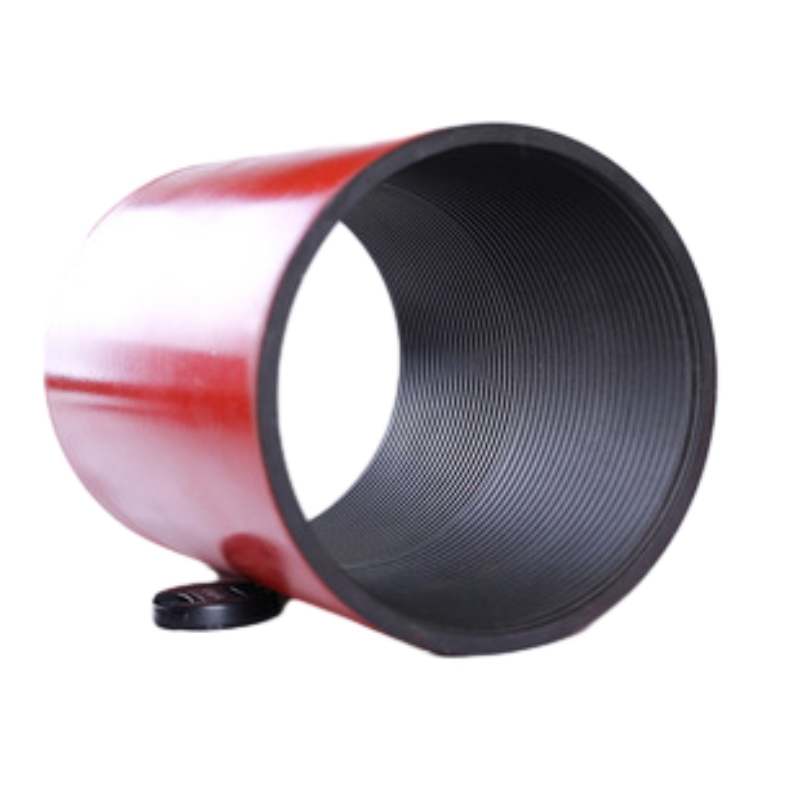


Comprehensive Guide to Api Tubing Couplings | Durable High-Performance Connections
Api Tubing Couplings is a key solution in the industry, specifically within oil and gas production. This article explores how https://www.wjpetroleum.com supports professionals with durable, high-performance products, and explains why this product is an ideal choice for businesses in these sectors.
Table of Contents
- Api Tubing Couplings Overview
- Benefits & Use Cases of Api Tubing Couplings
- Cost, Maintenance & User Experience
- Sustainability & Market Trends
Api Tubing Couplings Overview
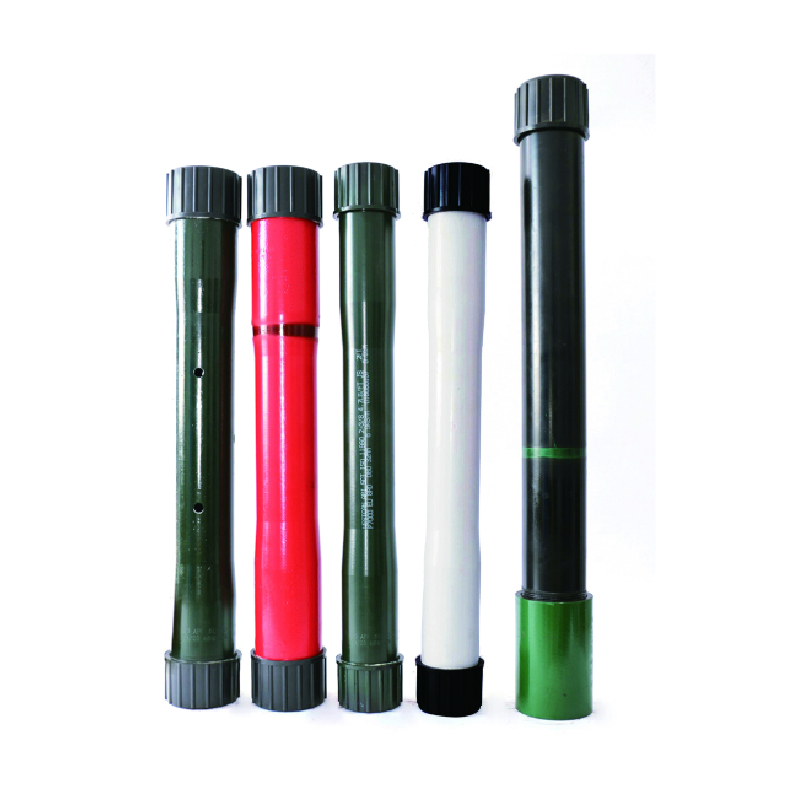
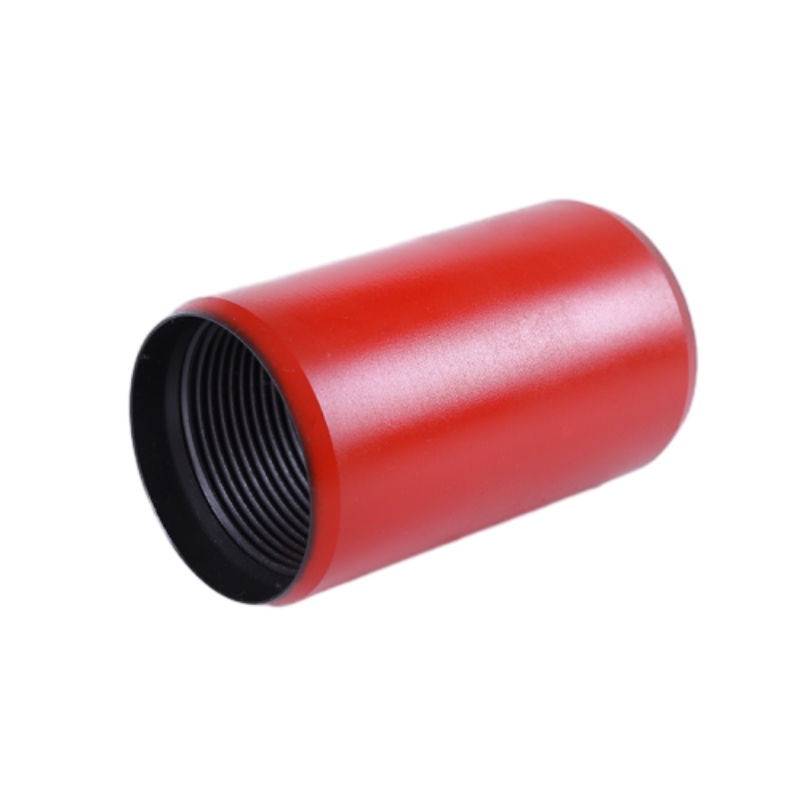
Oddly enough, tubing couplings might be overlooked by folks outside the oil and gas circles, but trust me, they're fundamental. So, what exactly are Api Tubing Couplings? They’re essentially mechanical connectors that join tubing segments used in oil well operations, ensuring pressure integrity and structural stability. These components have to perform under extreme pressures and temperatures.
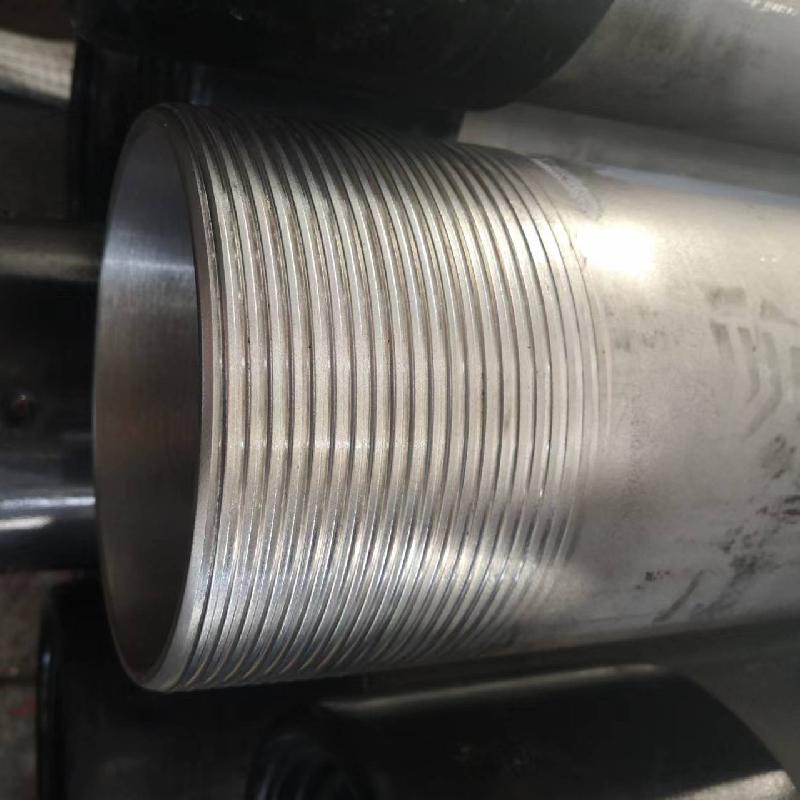
Technically speaking, API (American Petroleum Institute) standards strictly regulate the design and manufacture of these couplings for safety and interchangeability. Typical specs you’ll find are related to material composition, thread design — often premium or flush types — and pressure ratings that can exceed 15,000 psi in tough environments. For example, WJ Petroleum offers couplings forged from high-strength steel alloys, with precision heat treatment and dimensional tolerances that meet API Spec 5CT standards.
| Specification | Typical Value | Remarks |
|---|---|---|
| Steel Grade | P110 / L80 | High yield strength alloys |
| Pressure Rating | Up to 15,000 psi | Suitable for deep wells |
| Thread Type | Premium, Buttress or Flush | Ensures leak tightness |
| Length | Varies (typically 5 to 10 inches) | Depends on application |
Benefits & Use Cases of Api Tubing Couplings
The reason B2B decision makers gravitate toward these API tubing couplings is straightforward: reliability under pressure. Literally. Their primary application, of course, is joining steel tubing in oil and gas wells, crucial to managing extraction safely and efficiently. But beyond the basics, they’re designed to accommodate harsh downhole conditions like corrosion from sour gas or extreme temperature swings.
WJ Petroleum’s couplings boast several features that provide an edge in the field — dimensional accuracy that reduces cross-threading, improved thread sealants that minimize failures, and alloy formulations tuned for toughness and fatigue resistance. Industries have reported augmented operational uptime and reduced maintenance turnaround times just from switching to such quality-focused products.
Cost, Maintenance & User Experience
Cost-wise, sure, high-grade tubing couplings aren’t the cheapest components you’ll ever buy. But when you factor in durability and reduced downtime, the total cost of ownership tilts heavily in their favor. It’s kind of like buying quality shoes—you pay more upfront, but they last forever. Industry insiders often highlight the ROI from minimizing well failures, which are astronomically expensive compared to the coupling itself.
Maintenance is another story where these couplings shine. Users praise the ease of installation attributed to consistent threading and precise machining — less fuss means less time and less risk of damage. Feedback from various oilfield operators indicates enhanced safety margins too: fewer leaks, less corrosion-related replacements, and generally simpler well intervention processes.
| Vendor | Material Quality | Customization | Warranty/Support | Lead Time |
|---|---|---|---|---|
| WJ Petroleum | High-grade steel alloys | Yes, per API specs | Comprehensive, responsive | 3-6 weeks |
| Competitor A | Medium-grade steel | Limited | Basic | 5-8 weeks |
| Competitor B | High-grade but inconsistent | Yes, but limited options | Moderate | 4-7 weeks |
Sustainability & Market Trends
Sustainability is an increasingly hot topic—even in fields as gritty as oilfield hardware. You wonder, how does a simple coupling tie into greener practices? Well, longer-lasting couplings mean fewer replacements, less waste, and fewer interruptions in field operations, which all add up. Also, manufacturers like WJ Petroleum are leaning more into sustainable forging processes and better quality control to reduce scrap rates.
Market trends suggest demand for API tubing couplings will stay strong, especially with emerging production fields and more challenging extraction environments. Plus, tightening industry regulations push for safer, more reliable components — so quality API-certified products maintain stronger relevance than ever.
Frequently Asked Questions about Api Tubing Couplings
- What is Api Tubing Couplings and how does it work?
- Api Tubing Couplings are threaded connectors designed to join steel tubing segments in oil and gas wells, maintaining pressure containment and structural integrity. They work by securely threading on tubing ends, creating a seal that can withstand high pressure and harsh downhole conditions.
- What are the main benefits of using Api Tubing Couplings in industrial applications?
- The main benefits include enhanced durability under extreme pressures, corrosion resistance, ease of installation, and improved safety margins. These couplings also reduce downtime, which saves costs in the long run.
- How does Api Tubing Couplings compare to traditional alternatives?
- Compared to older, non-API or lower-grade couplings, Api Tubing Couplings offer stricter compliance with industry standards, better material quality, and thread designs that minimize failures. These advances translate into operational reliability and longer service life.
- What industries can benefit most from Api Tubing Couplings implementation?
- Primarily the oil and gas sector, including upstream drilling and production companies. Mining and certain chemical processing industries also use tubing couplings where high-pressure fluid transfer is involved.
Conclusion on Api Tubing Couplings from china
To wrap it up, Api Tubing Couplings stand out as vital components that hold together some of the most demanding infrastructure in energy extraction. Their precision engineering, resilience, and compliance with API standards make them an investment that pays dividends in safety and efficiency. If you’re weighing your options, visiting https://www.wjpetroleum.com is a great next step to explore reliable suppliers who really understand the demands of this niche.
In real terms, the coupling might seem small, but its role in overall operational success? Absolutely giant.
-
The Ultimate Industrial Guide to using مفصل الجرو Swivel JointsNewsApr.16,2026
-
Comprehensive Guide to api الجرو المشترك in Industrial ApplicationsNewsApr.09,2026
-
Comprehensive Guide to Puppy Joint Health with غلاف مفصل الجرو SupplementsNewsApr.07,2026
-
Optimizing Oilfield Performance with تمرير المفاصل الجرو and WJ Petroleum ExpertiseNewsApr.04,2026
-
Understanding Puppy Mills ¿qué es un porro de cachorros? Responsible Breeding PracticesNewsMar.31,2026
-
Comprehensive Guide to Perforated Puppy Joints and Long Term Canine HealthNewsMar.28,2026