

Pup Joint Manufacturers: Quality, Customization & Industry Insights
Pup Joint Manufacturers: A Veteran’s Take on Quality and Choice
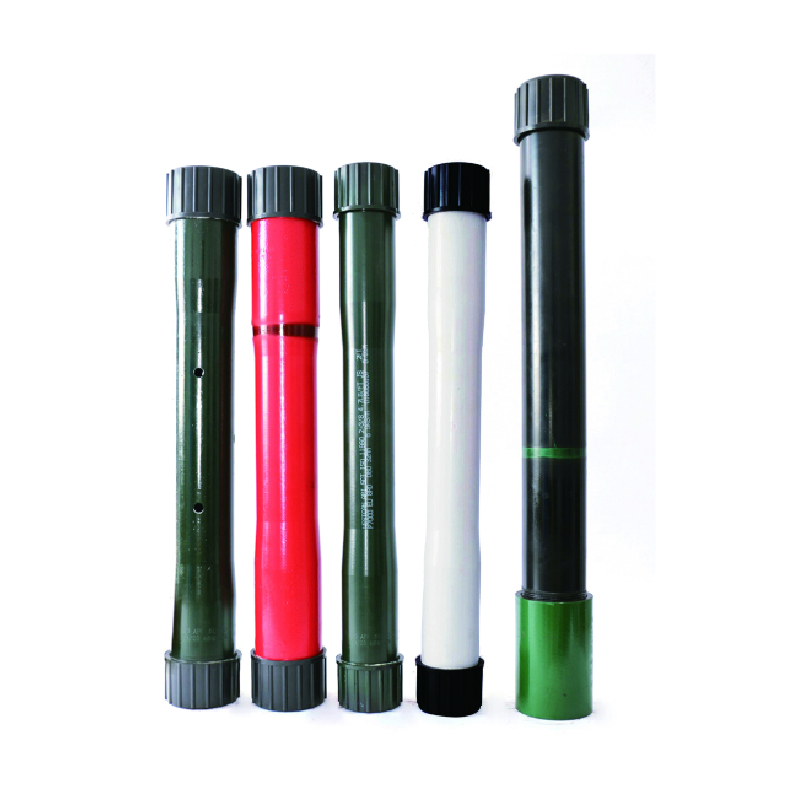
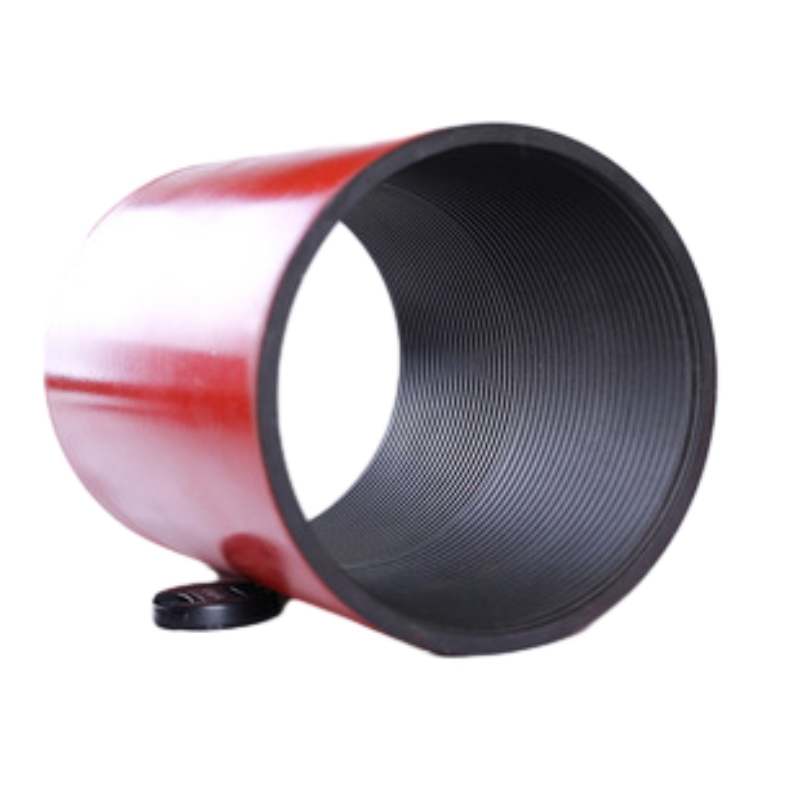
Having worked in the industrial equipment sector for more than a decade, I've developed a particular appreciation for seemingly modest components that actually play a big role downhole. Pup joints are one such part — they’re short sections of threaded pipe, basically, but their reliability can make or break a drilling operation’s efficiency. Oddly enough, despite being quite specialized, the market features a broad range of manufacturers, each with subtle differences worth understanding.
To start, pup joints are primarily valued for their ability to enable precise drill string length adjustments without cutting or welding, saving time and improving safety. Over the years, I noticed that the choice in manufacturer often boils down to material quality, product variety, and customization options — especially when the working environment is demanding and unpredictable.
Material Choices and Manufacturing Quality
From experience, I'd say that API-grade carbon steel remains the industry standard for most pup joints, but some top-tier manufacturers incorporate higher-grade alloy steels or apply premium coatings for corrosion and wear resistance — invaluable when dealing with harsh downhole conditions. Frankly, when the pipe is working miles below surface, microscopic failures can lead to costly downtime, so inspection protocols are strict. Vendors who invest in thorough nondestructive testing (NDT), including ultrasonic and magnetic particle inspections, stand out.
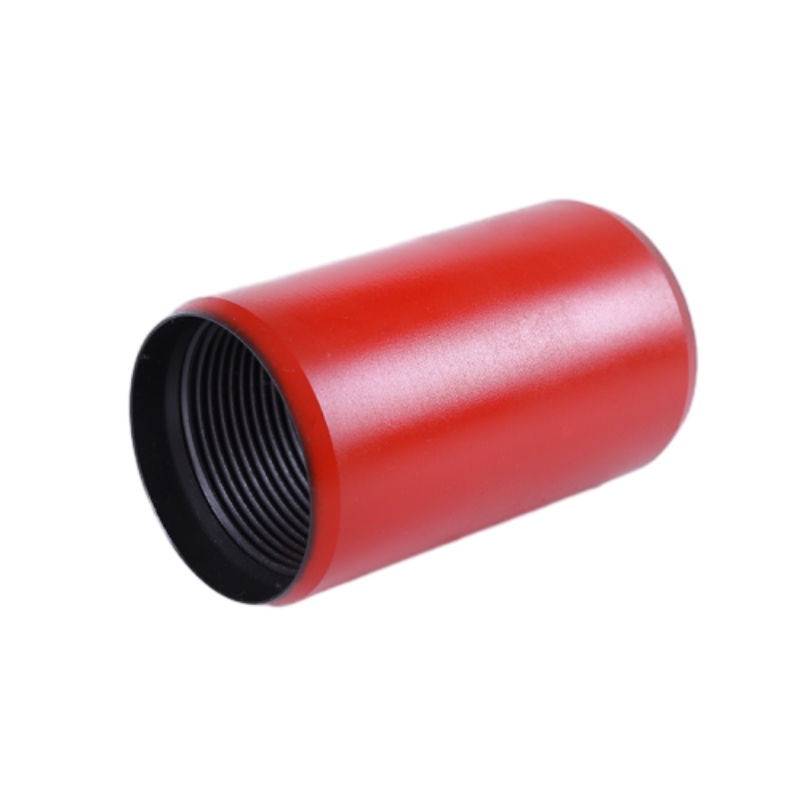
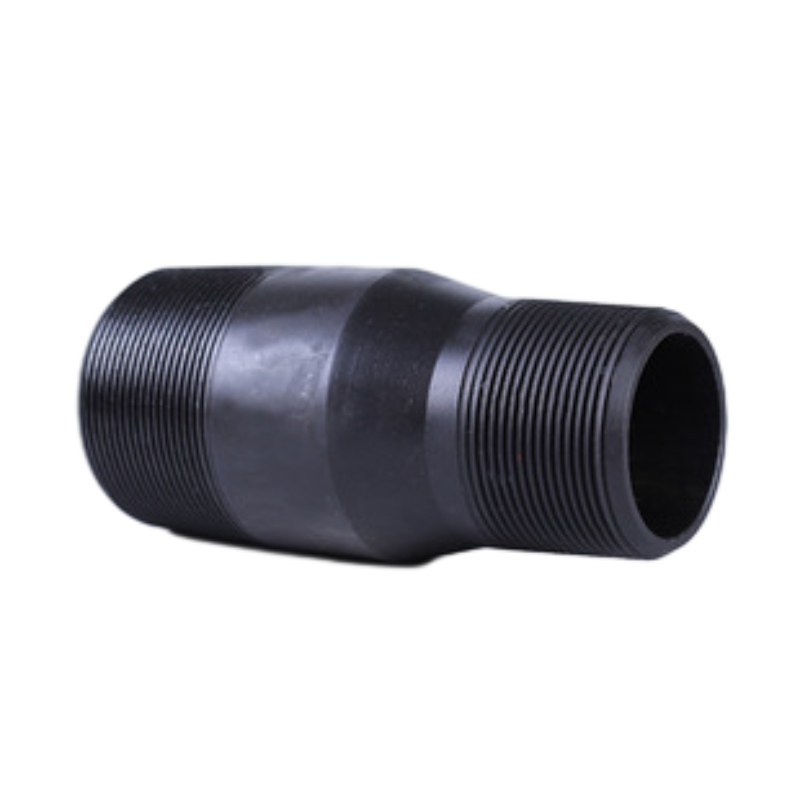
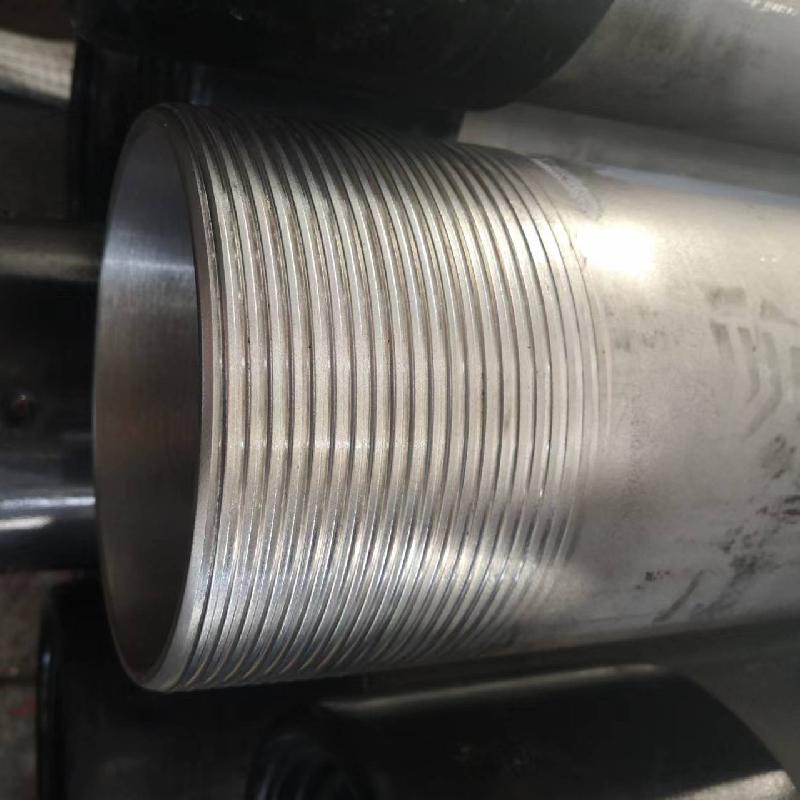
And, despite the simplicity, the threads are crucial. They must meet API thread standards flawlessly to avoid leaks or mechanical failures. I remember a team experiencing recurring thread galling during a deepwater job; switching suppliers helped solve the issue practically overnight.
Product Specification Snapshot
| Spec | Typical Range | Notes |
|---|---|---|
| Material | API 5CT LC, C75MCF, Alloy Steel | Carbon steel most common; alloys for corrosive environments |
| Length | 6” to 48” | Custom lengths available on request |
| Thread Types | API Buttress, Premium Connections | Compatibility with drill string critical |
| Testing | Ultrasonic, Magnetic Particle | Standard for reputable manufacturers |
| Coatings | Black Oxide, Electroplated Zinc | Not always included — depends on use case |
Comparing Pup Joint Manufacturers: What Sets Them Apart?
You might think it’s all about price, but in reality, it’s a mix of service speed, customization, and quality assurance that tips the scales. Here is a quick comparison of three well-known vendors I’ve encountered over the years, based on firsthand account and industry feedback.
| Manufacturer | Lead Time | Customization | Testing Rigor | Reputation |
|---|---|---|---|---|
| WJ Petroleum | 2-3 weeks | Extensive (length, threads, coatings) | Comprehensive NDT and API standards | Highly respected in oilfield circles |
| Vendor B | 4-6 weeks | Moderate (mostly standard lengths) | Basic testing protocols | Good but less flexible |
| Vendor C | 1-2 weeks | Limited (mostly stock sizes) | Minimal testing | Budget-friendly but mixed reviews |
Customization and Client Experience
One story I recall was a client drilling offshore who urgently needed pup joints with a non-standard thread profile — pretty niche request, honestly. Many suppliers hesitated or quoted extended lead times. WJ Petroleum not only accommodated the specs but also expedited their delivery to meet the rig’s schedule. That kind of responsiveness sticks with you.
In real terms, such flexibility can save thousands of dollars in rig time and prevent a cascade of delays. You get the impression they know the stakes involved because, frankly, many engineers I've met praise their quality assurance and customer service as “top-notch.”
Why Does All This Matter?
On paper, pup joints seem like a minor detail. But in the field, especially under tough conditions, the ideal balance of durability, precise manufacturing, and service reliability is priceless. It’s the difference between a smooth operation and an unexpected headache—something I’ve wrestled with more times than I’d like to count.
If you’re sourcing pup joints, don’t just chase the lowest price. Look for proven experience, solid API certifications, and that extra bit of willingness to customize. In the oilfield, as you likely know, trust in your suppliers counts as much as the specs on paper.
Hope this sheds some light from the trenches. It feels good to share, after all these years...
— An Industry Insider
1. API Specification 5CT – Steel Casing and Tubing
2. Ultrasonic and Magnetic Particle Testing Standards, ASNT
3. Interviews and reports from oilfield engineers, 2015-2023
-
The Ultimate Industrial Guide to using مفصل الجرو Swivel JointsNewsApr.16,2026
-
Comprehensive Guide to api الجرو المشترك in Industrial ApplicationsNewsApr.09,2026
-
Comprehensive Guide to Puppy Joint Health with غلاف مفصل الجرو SupplementsNewsApr.07,2026
-
Optimizing Oilfield Performance with تمرير المفاصل الجرو and WJ Petroleum ExpertiseNewsApr.04,2026
-
Understanding Puppy Mills ¿qué es un porro de cachorros? Responsible Breeding PracticesNewsMar.31,2026
-
Comprehensive Guide to Perforated Puppy Joints and Long Term Canine HealthNewsMar.28,2026