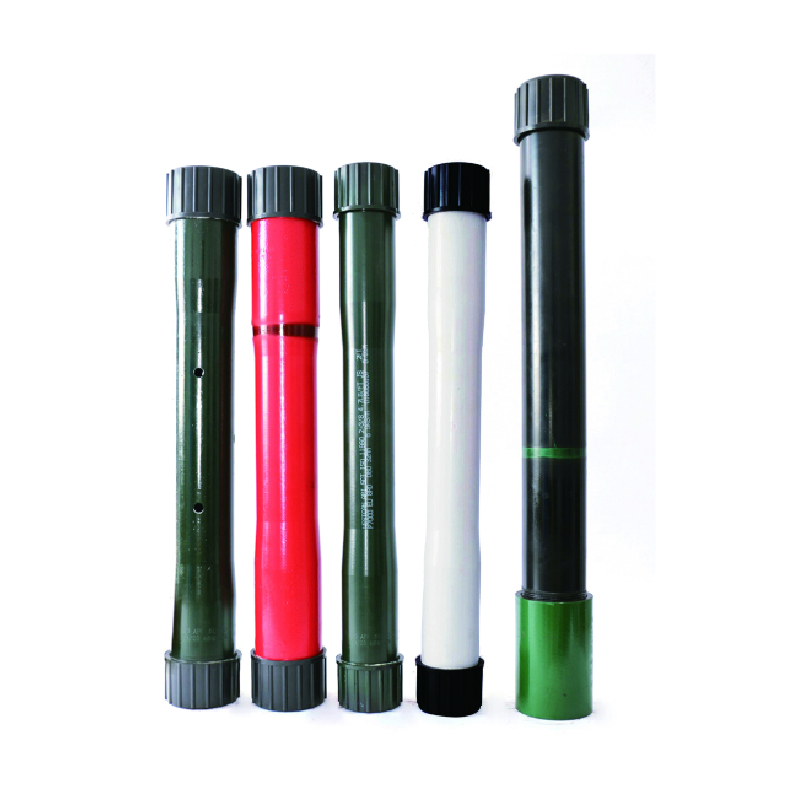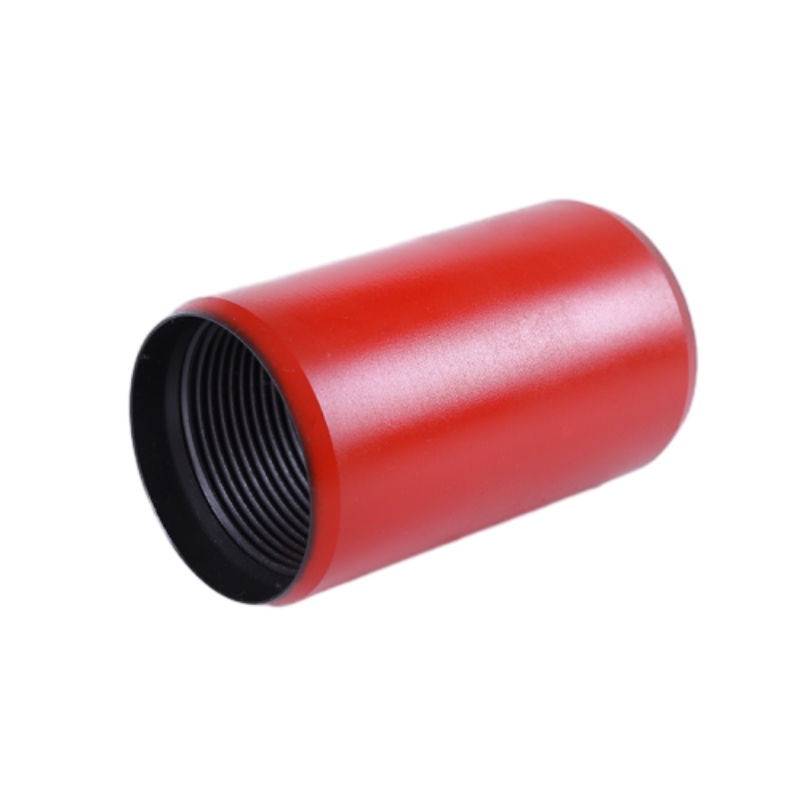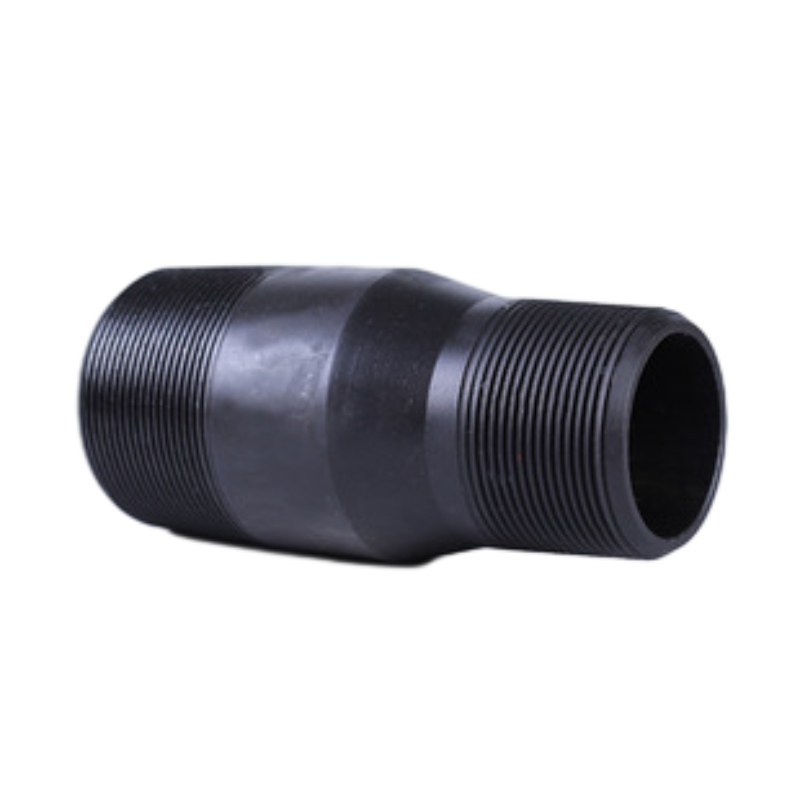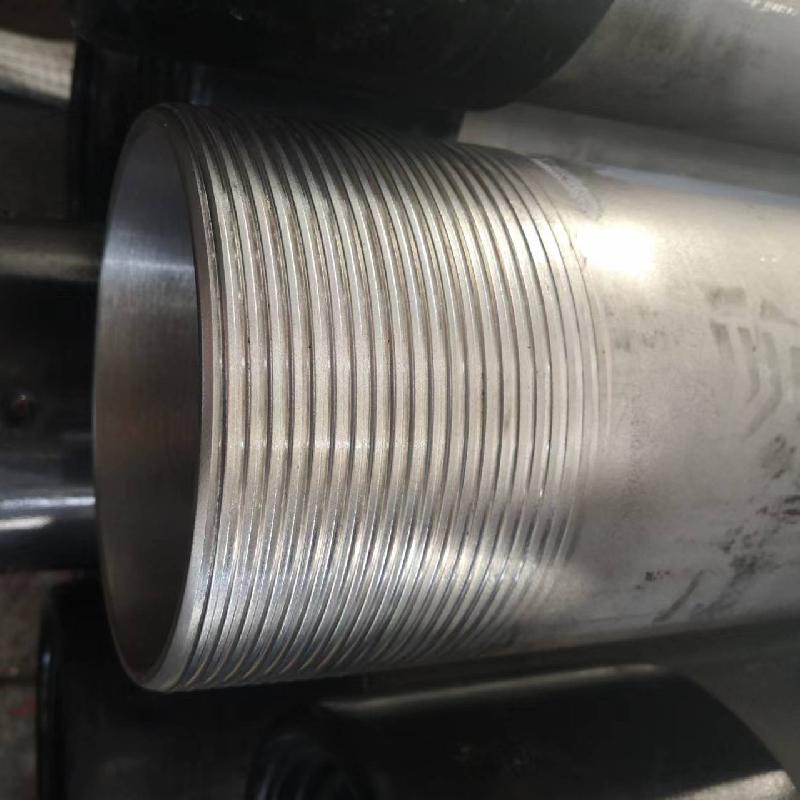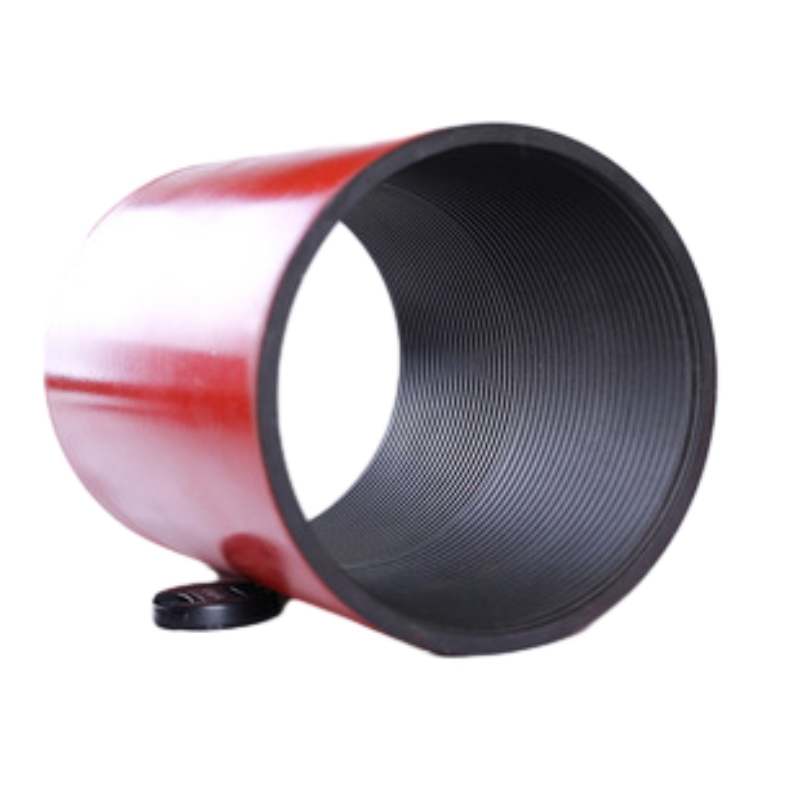


Special Clearance Coupling – Reliable Solutions for Industrial Shafts
Understanding the Special Clearance Coupling
Having spent quite a few years elbow-deep in industrial equipment setups, I can tell you that not all couplings are created equal. The special clearance coupling is one of those unsung heroes that quietly solve a world of headaches in piping and rotational systems. Frankly, in many projects, it’s the difference between a smooth installation and a long delay chasing awkward fits and mismatched shafts.
So, what exactly makes a coupling “special clearance”? The name comes from the engineered additional space within the coupling halves, designed to accommodate minor shaft misalignments or thermal expansions without stressing the connected equipment. This is not your run-of-the-mill rigid coupling—it’s almost like giving breathing room inside a tight system.
I remember a project where the plant layout shifted slightly during construction, and some rotational shafts ended up offset by a few millimeters. Instead of redesigning the whole assembly, we swapped in special clearance couplings, and that little tweak saved weeks and thousands in rework.
Industry Insights and Design Considerations
Many engineers I’ve talked with are quite picky about materials. Special clearance couplings often come in carbon steel, stainless steel, or aluminum alloys, depending on corrosion resistance and torque requirements. Oddly enough, the choice is sometimes dictated by the fluid carried inside or the surrounding atmosphere—think salty sea air versus dry, dusty plants.
Testing these couplings usually involves tension, compression, and torsional fatigue assessments to guarantee lifespan under cyclical loads. In one case, a manufacturer showcased special clearance couplings rated beyond 10,000 operational hours with minimal maintenance, which is impressive for heavy duty industrial use.
| Specification | Value |
|---|---|
| Material Options | Carbon Steel, Stainless Steel, Aluminum Alloy |
| Shaft Diameter Range | 20mm - 150mm |
| Torque Capacity | Up to 5000 Nm |
| Operating Temperature | -40°C to 200°C |
| Special Feature | Extra radial clearance for shaft misalignment |
Choosing Between Vendors: What I’ve Learned
With so many coupling vendors out there, it’s tempting to think “they’re all the same,” but trust me when I say differences matter. Pricing is one thing, but material quality, delivery times, and design flexibility often tell a deeper story. Some companies will insist on standard off-the-shelf units, while others (and you know who you are) happily customize clearances and finishings for unusual applications.
The comparison below highlights typical considerations when picking a supplier:
| Vendor | Customization | Lead Time | Material Options | After-sales Support |
|---|---|---|---|---|
| WJ Petroleum | High - tailored clearances available | 4-6 weeks | Carbon Steel, Stainless Steel | Excellent - technical support included |
| Vendor X | Low - mainly standard sizes | 2-3 weeks | Carbon Steel only | Moderate - email support only |
| Vendor Y | Medium - some adjustment options | 5-7 weeks | Stainless Steel, Aluminum | Good - phone support included |
Honestly, when I first encountered WJ Petroleum’s range, I was struck by how flexible their approach was. They didn’t just sell couplings, but worked with plant engineers on the specific size and clearance needs. That kind of hands-on service is rare these days. You know, sometimes the little things make a big difference—and coupling design is one of them.
To sum it up, if your system involves slight shaft misalignments or thermal expansion concerns, investing in a special clearance coupling can pay off in reduced downtime and longer equipment life. It feels like a subtle but reliable fix, especially when precision really counts.
Hope these insights help next time you’re sizing up industrial couplings — it’s all about anticipating those small imperfections before they become big problems.
– from someone who’s been in the field and seen how these small parts carry heavy responsibility.
References & Further Reading
- Industrial Coupling Materials Guide, Machinery World Journal, 2022.
- WJ Petroleum Product Catalog, 2024 Edition.
- “Torsional Fatigue Testing in Industrial Couplings,” Engineering Standards Quarterly, 2023.
-
The Ultimate Industrial Guide to using مفصل الجرو Swivel JointsNewsApr.16,2026
-
Comprehensive Guide to api الجرو المشترك in Industrial ApplicationsNewsApr.09,2026
-
Comprehensive Guide to Puppy Joint Health with غلاف مفصل الجرو SupplementsNewsApr.07,2026
-
Optimizing Oilfield Performance with تمرير المفاصل الجرو and WJ Petroleum ExpertiseNewsApr.04,2026
-
Understanding Puppy Mills ¿qué es un porro de cachorros? Responsible Breeding PracticesNewsMar.31,2026
-
Comprehensive Guide to Perforated Puppy Joints and Long Term Canine HealthNewsMar.28,2026