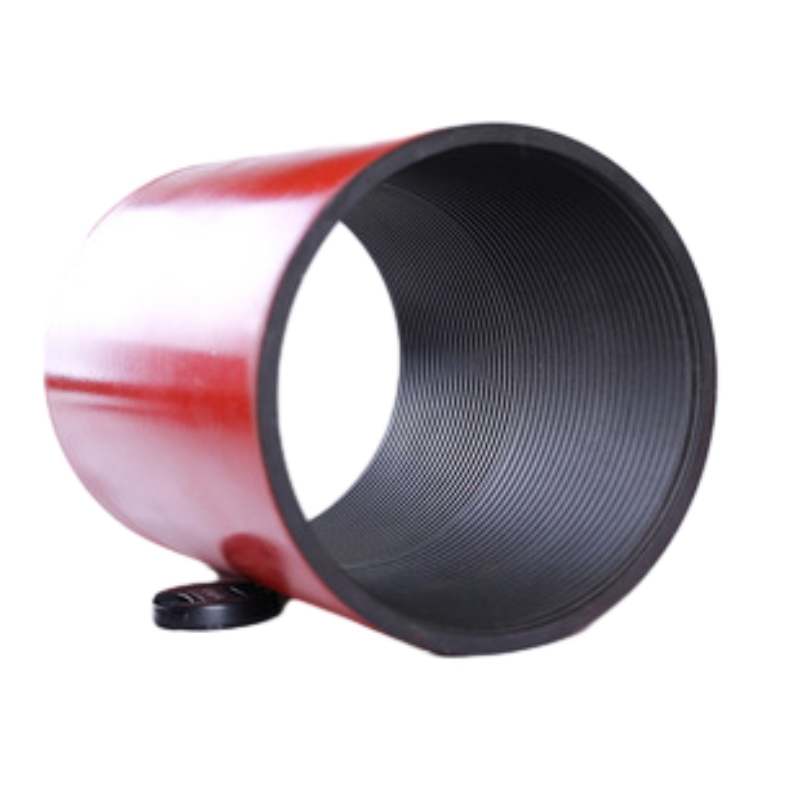


Bull Plug vs Hex Plug: Choosing the Right Industrial Plug
Bull Plug vs Hex Plug: Which Fits Your Industrial Needs?
Having spent quite a few years in the industrial equipment trenches, I can say that even small components like plugs tend to spark a surprising amount of debate. When it comes to selecting between a bull plug and a hex plug, it’s not just about size or shape—it’s about the application nuances, materials, and frankly, the peace of mind knowing your system won’t leak or fail under pressure.
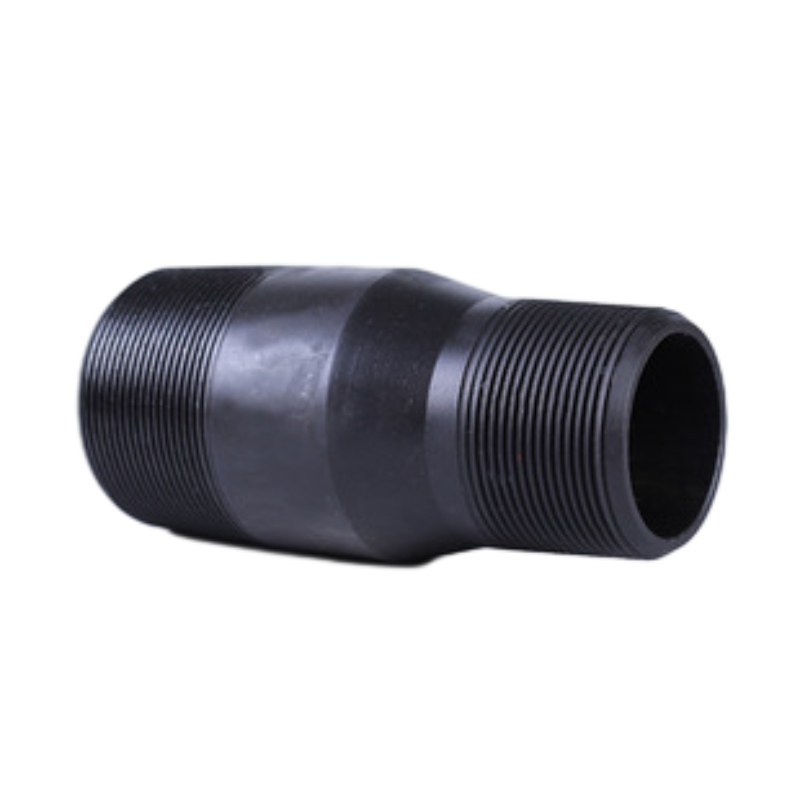
First off, what’s a bull plug? It’s essentially a heavy-duty, usually forged steel fitting designed to cap off pipelines or valves. I’ve seen them in thick-walled steel pipes where durability and strength are non-negotiable. The name “bull” kinda fits—they’re stout and built to withstand abuse. Hex plugs, on the other hand, although somewhat similar in their intention to seal, usually have a hexagonal-shaped head for wrench tightening. They’re typically used in more accessible areas where a quick removal or adjustment might be needed.
Both plugs often get confused in the field. But I suppose the key difference lies in design intent: bull plugs are made for high-pressure, heavy-duty sealing, while hex plugs balance sealing with ease of access. One guy on our crew swore by hex plugs for all applications until we had a pipeline test fail due to a tiny seep around a hex plug under extreme conditions. Since then, we’ve preferred bull plugs in those critical spots.
Material choice is important too. Bull plugs tend to come in forged carbon steel or stainless steel variants. That’s crucial for resistance to pressure and corrosion. Hex plugs sometimes use brass or lighter steel, especially in lower-pressure systems. If you’re asking me, I worry less about corrosion with certain bull plugs, given their robust manufacturing practices and materials.
| Feature | Bull Plug | Hex Plug |
|---|---|---|
| Material | Forged Carbon or Stainless Steel | Brass, Steel, Stainless Steel |
| Pressure Rating | Up to 10,000 psi (depending on spec) | Typically up to 3,000 psi |
| Connection Type | Butt-weld or Threaded | Threaded (NPT, BSP) |
| Ease of Installation | Requires welding or heavier tools | User-friendly with wrench |
| Typical Use | Permanent or semi-permanent pipeline closures | Temporary sealing, test ports, or fittings |
Now, talking vendors — you might be surprised how much the choice of manufacturer impacts your plug’s performance. I’ve worked with a few brands over the years, including those that specialize in forged fittings and those who offer budget options. Oddly enough, the pricier vendor didn’t always mean the best fit, but their quality assurance and material traceability often gave us confidence in critical jobs.
| Vendor | Quality/Tolerance | Material Certification | Delivery Time | Price Range |
|---|---|---|---|---|
| Vendor A | ±0.01 in. precision | Full traceability & test reports | 2 weeks standard | High |
| Vendor B | ±0.05 in. tolerance | Basic certification | 1 week expedited | Medium |
| Vendor C | Variable | Unavailable | 3+ weeks | Budget |
In real terms, picking the right plug and vendor means balancing your system’s pressure demands, ease of maintenance, and budget. I remember a client whose refinery shutdown was delayed because the hex plugs they initially installed leaked under thermal cycling. Switching to a robust bull plug by a trusted manufacturer fixed the issue fast—and that was a win we both appreciated. You know, those little things matter.
One more thing about customization — many manufacturers offer made-to-order bull plugs with specific pressure ratings, coatings, or thread standards. If you’re tackling an unusual application or extreme environment, it’s worth asking about specs beyond the catalog. For some projects I worked on in colder climates, special coatings made a world of difference.
So, bull plugs for heavy lifting, hex plugs when you want quick accessibility—but whatever you do, just make sure your seal is tight and your supplier dependable. After all, no one wants a surprise leak when the pressure’s on.
If in doubt, simply check out trusted resources and vendors, and remember there’s always a bit of “field wisdom” behind the specs. And hey, if you want a solid starting point for quality plugs, I’d recommend bull plugs from established providers.
References:
1. ASTM Standards for Forged Steel Fittings
2. API Recommended Practices for Pipeline Integrity
3. Supplier Quality Audit Reports (anonymized)
-
The Ultimate Industrial Guide to using مفصل الجرو Swivel JointsNewsApr.16,2026
-
Comprehensive Guide to api الجرو المشترك in Industrial ApplicationsNewsApr.09,2026
-
Comprehensive Guide to Puppy Joint Health with غلاف مفصل الجرو SupplementsNewsApr.07,2026
-
Optimizing Oilfield Performance with تمرير المفاصل الجرو and WJ Petroleum ExpertiseNewsApr.04,2026
-
Understanding Puppy Mills ¿qué es un porro de cachorros? Responsible Breeding PracticesNewsMar.31,2026
-
Comprehensive Guide to Perforated Puppy Joints and Long Term Canine HealthNewsMar.28,2026