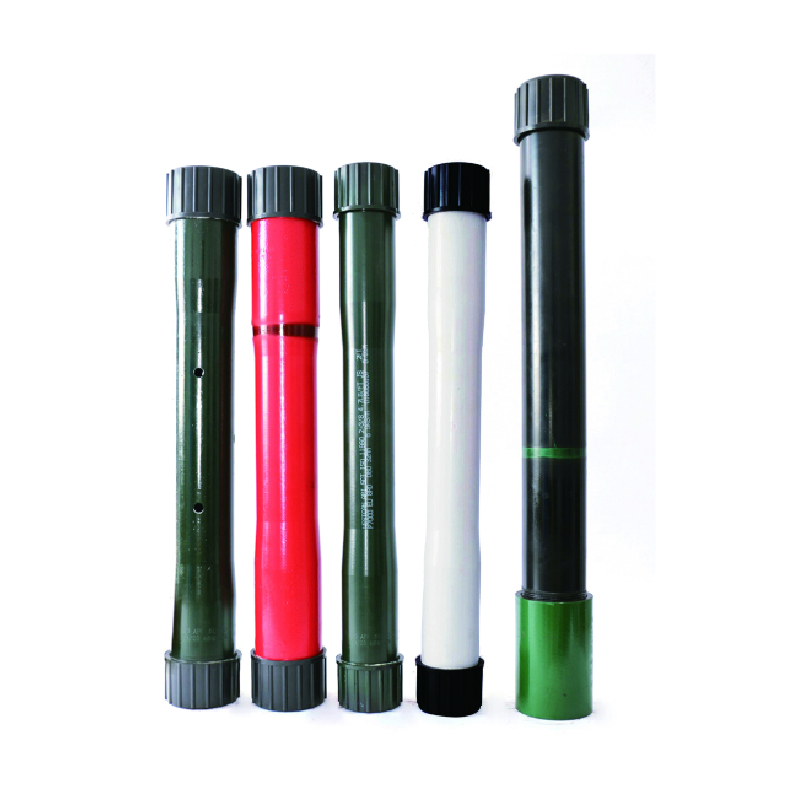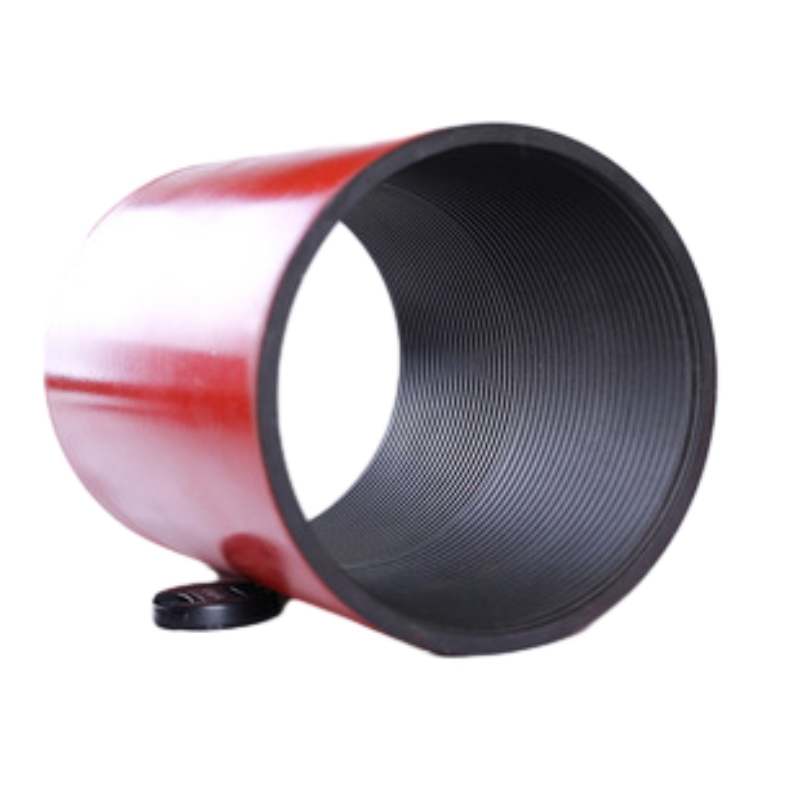


Bull Plug Pipe Layout: Essential Guide for Industrial Piping
Understanding Bull Plug Pipe Layout
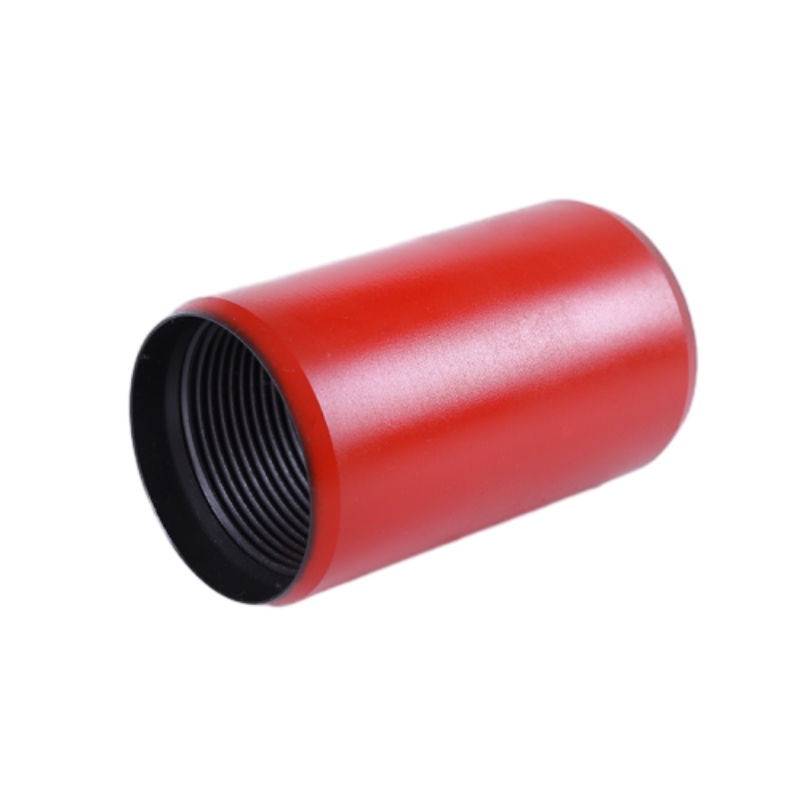
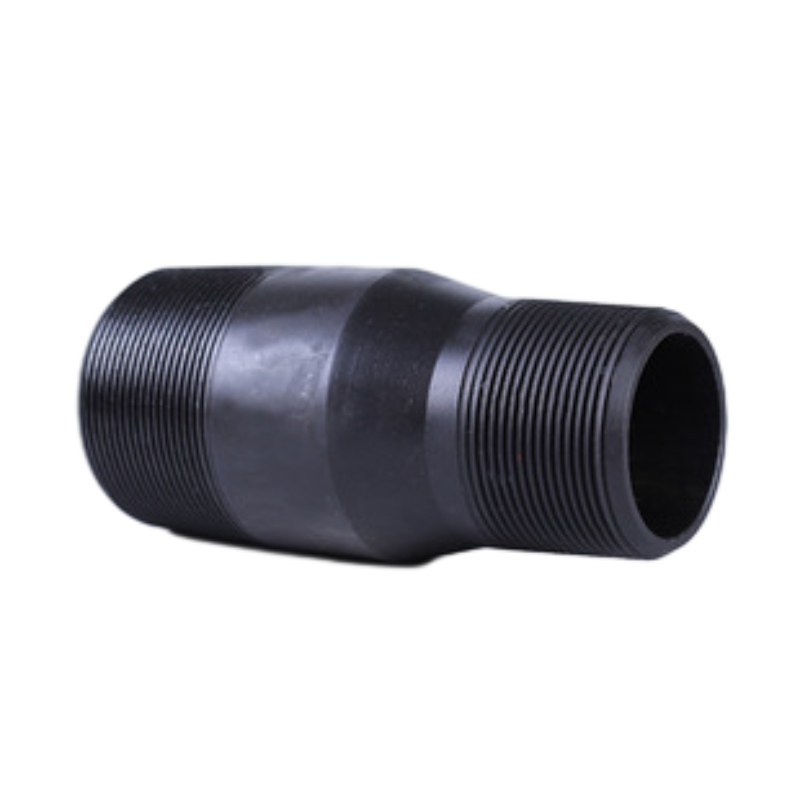
Having spent quite a while around industrial piping systems, I can tell you that the bull plug pipe layout often flies under the radar — yet it’s one of those small things that can really make or break a project’s flow and maintenance ease. It’s odd how something that’s essentially a heavy-duty cap, bolted or threaded onto the end of piping, can quickly turn into a critical component for safety and system integrity.
Bull plugs primarily seal pipe ends to prevent leakage or contamination, but in real terms, they do a bit more. From my experience, using the right bull plug layout effectively minimizes downtime during maintenance, especially in high-pressure oil and gas lines, by providing a robust seal without complicated fittings.
One thing I’ve noticed is how material selection matters more than people give credit for. Carbon steel bull plugs are common — sturdy and cost-effective — but in corrosive environments, stainless steel or alloy variants are preferable. Plus, modern manufacturing may offer thermally treated or forged bull plugs, which last longer and can withstand tougher operational conditions.
Let’s not forget testing. Many engineers say that a well-laid-out bull plug pipe system undergoes rigorous pressure tests to avoid any surprises once installed. I recall a project where improper torquing led to seal failures — a costly lesson learned the hard way.
Here’s a quick spec overview of typical bull plug characteristics, for clarity:
| Feature | Specification |
|---|---|
| Material | Carbon Steel, Stainless Steel, Alloy Steel |
| Connection Type | Threaded, Welded, Socket Weld |
| Pressure Rating | Up to 2500 psi (typical) |
| Sizes | ½" to 24" diameter |
| Finish | Black Paint, Galvanized, Zinc Plated |
If you’re wondering how to pick a vendor for these, it’s not just about price. I’ve worked with several suppliers, and frankly, responsiveness, certification, and customization options are huge. Here’s a quick comparison from what I know:
| Vendor | Material Options | Pressure Rating | Delivery Speed | Certifications |
|---|---|---|---|---|
| WJP Petroleum | Carbon & Stainless Steel | Up to 2500 psi | 2-3 weeks typical | API, ISO |
| Pipe Pros Inc. | Carbon Steel only | Up to 1500 psi | 4-6 weeks | ISO only |
| SteelWorks Ltd. | Carbon, Alloy Steel | Up to 3000 psi | 1-2 weeks expedited | API certified |
I've personally worked with WJP Petroleum on a couple of tight-turnaround projects. Their communication was solid, and the quality matched industry standards. Oddly enough, having the option between forged and cast bull plugs meant we could optimize our layouts without overengineering.
In the big picture, the bull plug pipe layout may seem like a minor detail — but it really illustrates how small specs have a huge operational impact. The key takeaway? Invest time in design, pick quality materials, and choose a supplier you can trust. It doesn’t cost more to be smart here; it saves headaches down the line.
Remember, every pipe end has a story — sometimes it’s just about a bull plug keeping things tight.
References:
- API Specification 6D – Pipeline Valves and Fittings guidelines
- Manufacturers’ data sheets and material standards from industry suppliers
- Personal project experience managing oilfield piping installations
-
The Ultimate Industrial Guide to using مفصل الجرو Swivel JointsNewsApr.16,2026
-
Comprehensive Guide to api الجرو المشترك in Industrial ApplicationsNewsApr.09,2026
-
Comprehensive Guide to Puppy Joint Health with غلاف مفصل الجرو SupplementsNewsApr.07,2026
-
Optimizing Oilfield Performance with تمرير المفاصل الجرو and WJ Petroleum ExpertiseNewsApr.04,2026
-
Understanding Puppy Mills ¿qué es un porro de cachorros? Responsible Breeding PracticesNewsMar.31,2026
-
Comprehensive Guide to Perforated Puppy Joints and Long Term Canine HealthNewsMar.28,2026