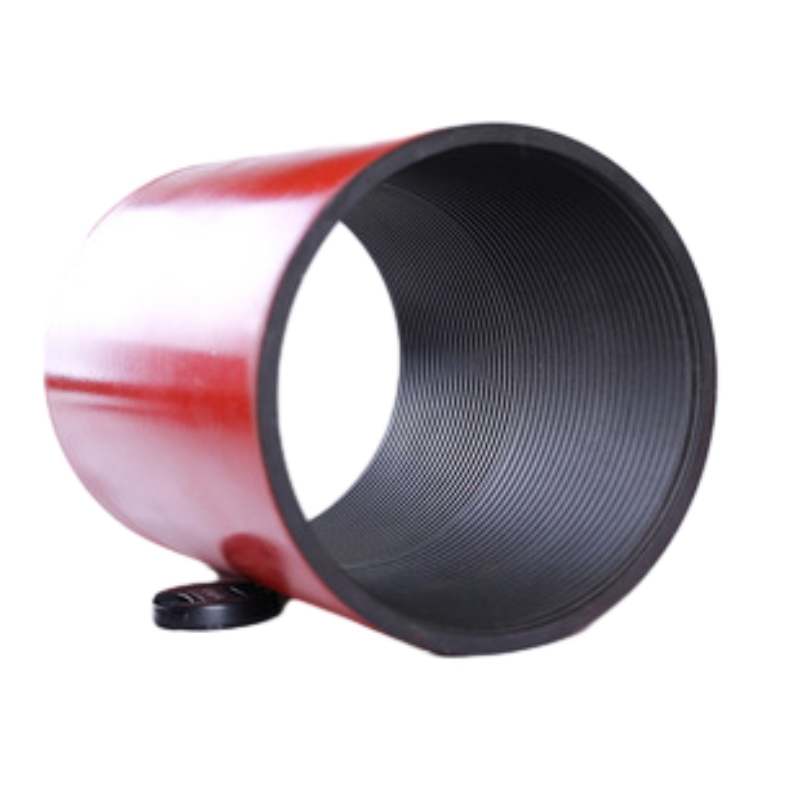


Understanding the Joint de Chiot de Boîtier for Wellbore Integrity
Understanding the Joint de Chiot de Boîtier: A Comprehensive Guide
The joint de chiot de boîtier, often referred to as a casing joint, is a critical component in the oil and gas industry, particularly in well construction. This specialized seal ensures a secure and leak-proof connection between casing pipes, maintaining wellbore integrity and preventing fluid migration. Selecting the correct joint is crucial for operational safety and efficiency. This article provides a detailed overview of its function, types, materials, installation, and importance in maintaining well integrity. Investing in quality casing joints is paramount for a successful drilling operation.
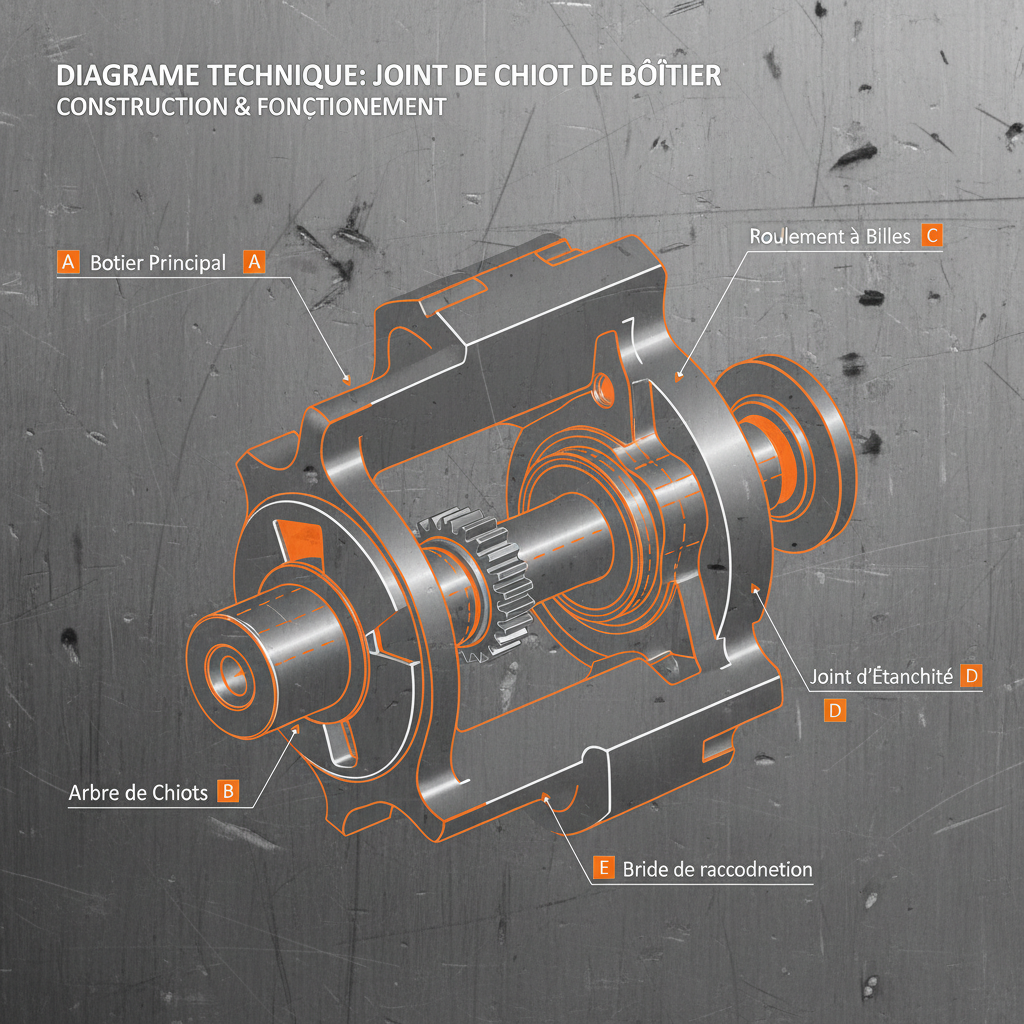
What is a Joint de Chiot de Boîtier?
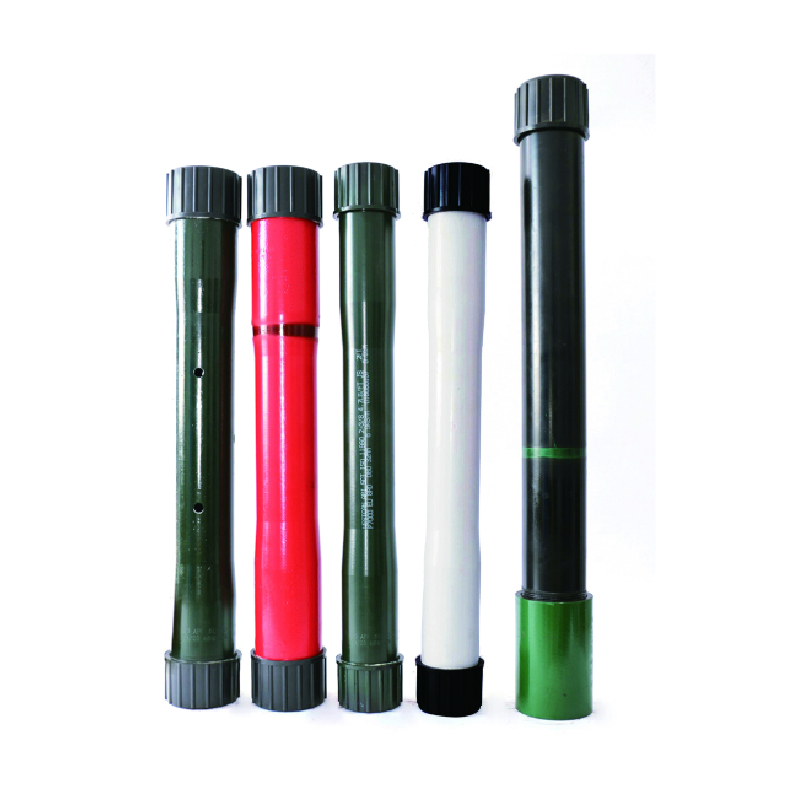
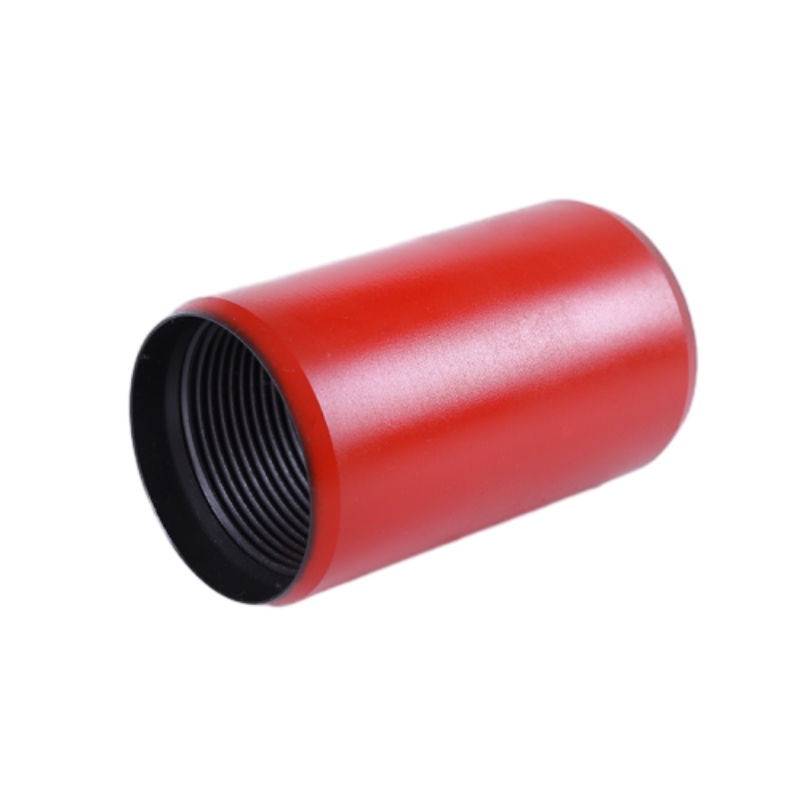
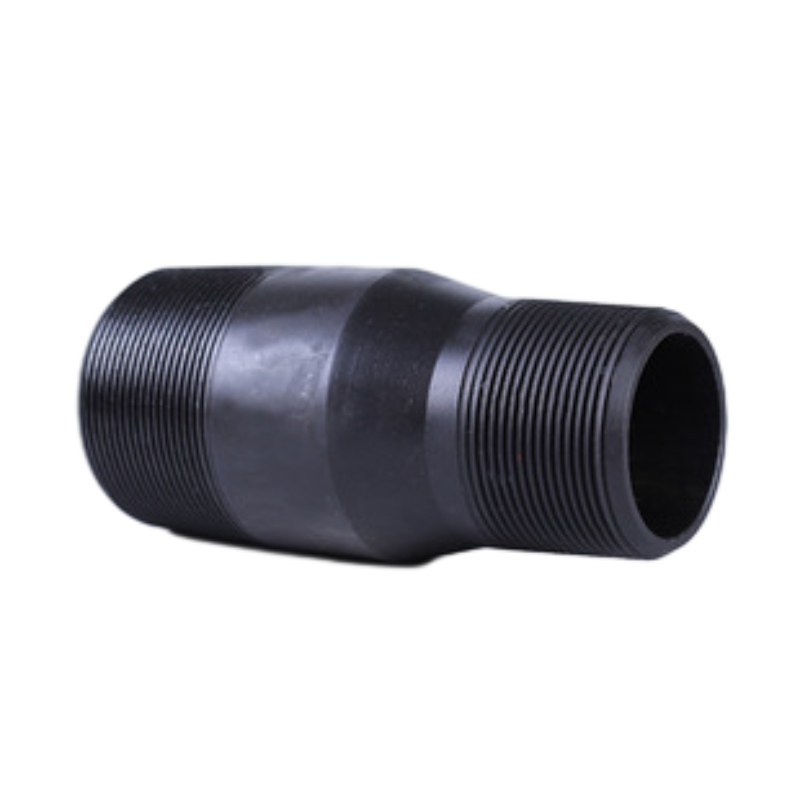
The joint de chiot de boîtier is a connector used to join sections of casing pipe during well construction. Casing pipes are large-diameter pipes lowered into a drilled wellbore to provide structural integrity, prevent wellbore collapse, and isolate different geological formations. The joint, featuring threads, seals, and often a torque shoulder, creates a pressure-tight connection that resists internal and external forces. Proper sealing prevents formation fluids (oil, gas, water) from contaminating groundwater and ensures efficient resource extraction. Without a robust joint, the entire well's integrity is compromised.
Key Highlights: Ensures a pressure-tight connection, prevents wellbore collapse, isolates geological formations, and resists internal/external forces.
Types of Joint de Chiot de Boîtier
Various types of casing joints exist, each designed for specific well conditions and casing sizes. Common types include:
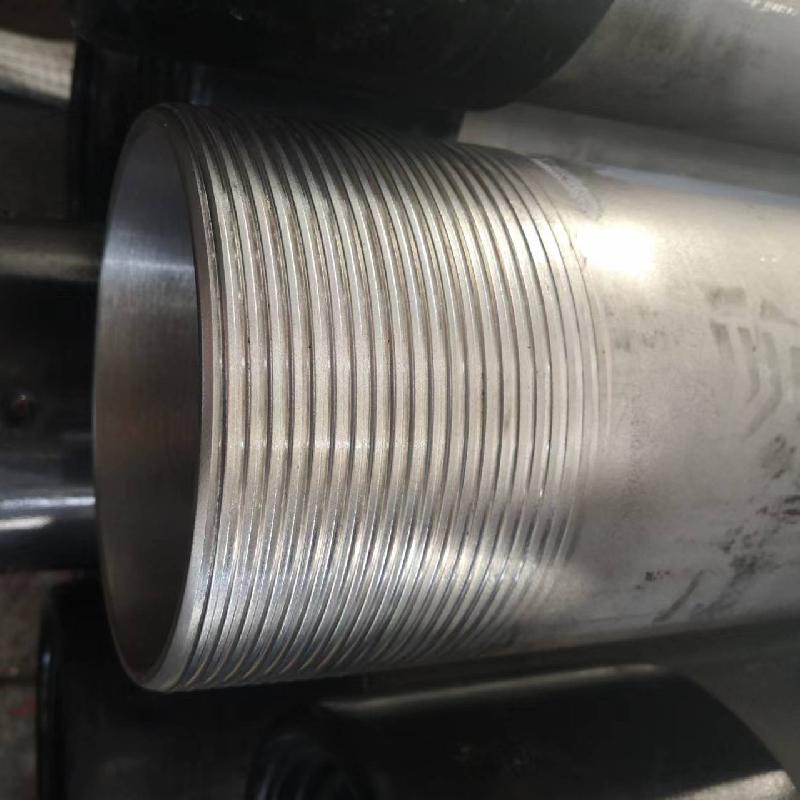
- Threaded Connections: The most traditional type, relying on precisely machined threads to create a mechanical seal.
- Integral Joints: Manufactured as a single piece with the casing pipe, eliminating a separate connection point.
- Premium Connections: Employ advanced designs with metal-to-metal seals and torque shoulders for enhanced leak resistance and higher pressure ratings.
- Flush Joint Connections: Designed to minimize turbulence and pressure drop within the wellbore.
The selection depends on factors such as well depth, pressure, temperature, and the type of formation being drilled through. Premium connections are often preferred in high-pressure, high-temperature (HPHT) wells.
Casing Joint Type Overview:
• Threaded Connections: Traditional, cost-effective.
• Integral Joints: Single piece, minimal connection points.
• Premium Connections: Enhanced leak resistance, HPHT applications.
• Flush Joint Connections: Minimizes turbulence, pressure drop.
Joint de Chiot de Boîtier Materials and Standards
Casing joints are typically manufactured from high-strength alloy steels, chosen for their durability and resistance to corrosion. Common steel grades include API 5L grades like L80, N80, P110, and Q125. These materials must meet rigorous industry standards, such as those set by the American Petroleum Institute (API). API standards dictate requirements for material composition, manufacturing processes, and testing procedures, ensuring reliability and safety. Proper material selection is vital, especially in aggressive environments with high salinity or the presence of corrosive gases like hydrogen sulfide (H2S).
Installation and Quality Control
Correct installation of the joint de chiot de boîtier is crucial for well integrity. This involves precise alignment, proper torque application, and rigorous quality control checks. Torque values are typically specified by the casing manufacturer and must be adhered to prevent over- or under-tightening. Non-Destructive Testing (NDT) methods, such as ultrasonic inspection and magnetic particle inspection, are used to detect any defects in the joint before and after installation. Proper thread cleaning and the application of anti-seize compounds are also essential to ensure a reliable seal. WJ Petroleum adheres to strict quality control protocols throughout the manufacturing and supply process.
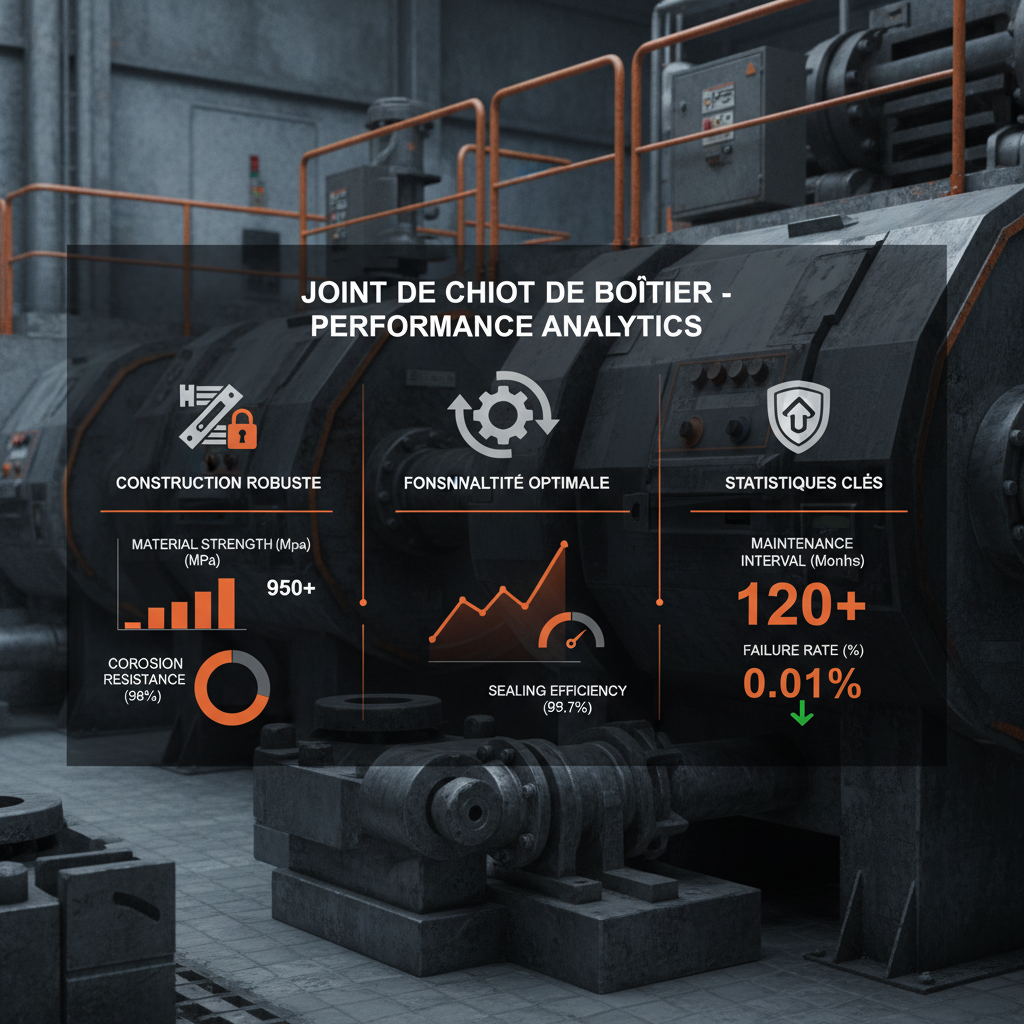
The Importance of Wellbore Integrity
Maintaining wellbore integrity is paramount for safe and environmentally responsible oil and gas operations. The joint de chiot de boîtier plays a fundamental role in this. A compromised joint can lead to fluid migration, wellbore instability, and even catastrophic well failures. Regular inspection and maintenance of casing joints, along with the use of high-quality materials and proper installation techniques, are essential to mitigate these risks. Investing in reliable casing connections is an investment in the long-term sustainability and safety of the operation.
Conclusion: Securing Well Integrity with WJ Petroleum
Choosing the right joint de chiot de boîtier is a critical decision in well construction. WJ Petroleum provides high-quality casing joints manufactured to stringent industry standards. By prioritizing wellbore integrity and investing in reliable connections, operators can ensure safe, efficient, and environmentally responsible oil and gas production.
Frequently Asked Questions (FAQs)
What is the role of the torque shoulder in a casing joint?
The torque shoulder is a critical feature in many premium casing joints. It’s designed to concentrate the load during makeup (tightening) and prevents the threads from bearing the entire force. This significantly reduces thread stress, improving joint reliability and preventing galling or damage. The torque shoulder allows for consistent and repeatable torque application, ensuring a proper seal. It’s particularly important in high-pressure and high-temperature applications where thread stresses are magnified.
How often should casing joints be inspected?
Casing joints should be inspected at several stages: during manufacturing, before installation, and periodically during the well's lifespan. Pre-installation inspections focus on thread condition, dimensional accuracy, and surface defects. During operation, regular non-destructive testing (NDT), such as ultrasonic testing, can detect corrosion or cracking. The frequency of inspections depends on well conditions, fluid composition, and operational history. More frequent inspections are warranted in corrosive environments.
What factors influence the choice between threaded and premium connections?
The choice depends on several factors, including well depth, pressure, temperature, and the potential for corrosion. Threaded connections are generally more cost-effective for shallower, lower-pressure wells. Premium connections are preferred for deeper, higher-pressure, and high-temperature wells where enhanced sealing and resistance to axial and bending loads are crucial. The presence of corrosive fluids (e.g., H2S, CO2) often necessitates premium connections with specialized materials and seals.
How does WJ Petroleum ensure the quality of its casing joints?
WJ Petroleum employs a rigorous quality control system throughout the manufacturing process. This includes material traceability, dimensional inspections, non-destructive testing (NDT), and adherence to API standards. Each joint undergoes thorough testing to ensure it meets or exceeds industry requirements. We also provide comprehensive documentation and technical support to our customers.
-
The Ultimate Industrial Guide to using مفصل الجرو Swivel JointsNewsApr.16,2026
-
Comprehensive Guide to api الجرو المشترك in Industrial ApplicationsNewsApr.09,2026
-
Comprehensive Guide to Puppy Joint Health with غلاف مفصل الجرو SupplementsNewsApr.07,2026
-
Optimizing Oilfield Performance with تمرير المفاصل الجرو and WJ Petroleum ExpertiseNewsApr.04,2026
-
Understanding Puppy Mills ¿qué es un porro de cachorros? Responsible Breeding PracticesNewsMar.31,2026
-
Comprehensive Guide to Perforated Puppy Joints and Long Term Canine HealthNewsMar.28,2026