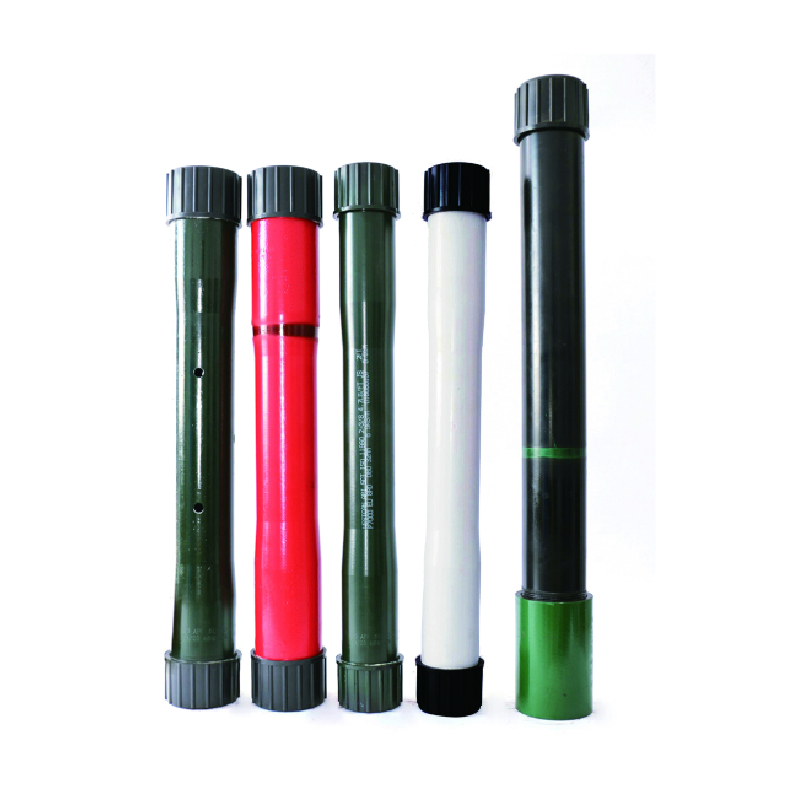


Understanding Hex Head Bull Plugs: Global Applications and Best Practices
What is a Hex Head Bull Plug and Why It Matters Globally
You might wonder, “What’s the fuss around a hex head bull plug?” Truth is, it’s a seemingly small but essential component across industries worldwide, from oil and gas pipelines to water systems. Globally, millions of feet of pipeline rely on these plugs to safely seal off pressure lines during installation and maintenance. Knowing their proper use and specifications isn’t just technical jargon—it’s a matter of safety, efficiency, and even environmental protection. In a world increasingly focused on energy security and sustainable infrastructure, understanding the humble hex head bull plug can’t be overstated.
Introduction: The Global Context of Hex Head Bull Plugs
According to the International Energy Agency (IEA), global oil and gas infrastructure spans hundreds of thousands of kilometers, demanding flawless sealing solutions to prevent leaks and accidents. Oddly enough, something as small as a hex head bull plug plays a pivotal role in these massive systems. Pipeline failures cost companies billions annually and pose significant environmental hazards—things the UN’s environmental programs highlight as urgent concerns. Equipment that prevents leaks and withstands pressure contributes to safer operations worldwide, from developing regions expanding their energy grids to post-disaster infrastructure recovery.
Many operators struggle with unreliable plugs that fail under pressure or corrosion, which is a real headache. So a closer look at what makes a hex head bull plug reliable globally becomes crucial.
Defining the Hex Head Bull Plug
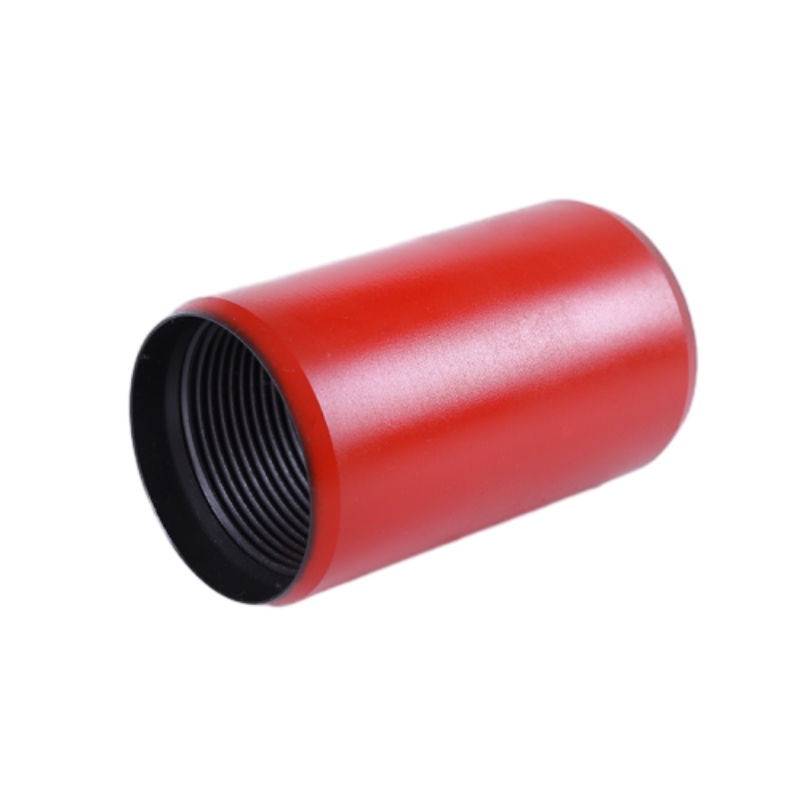
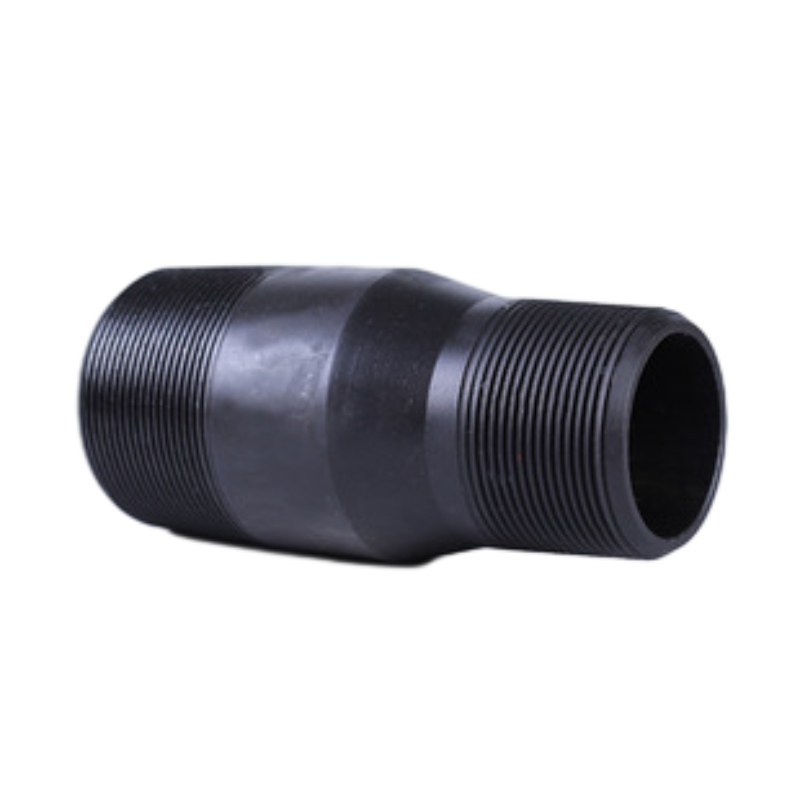
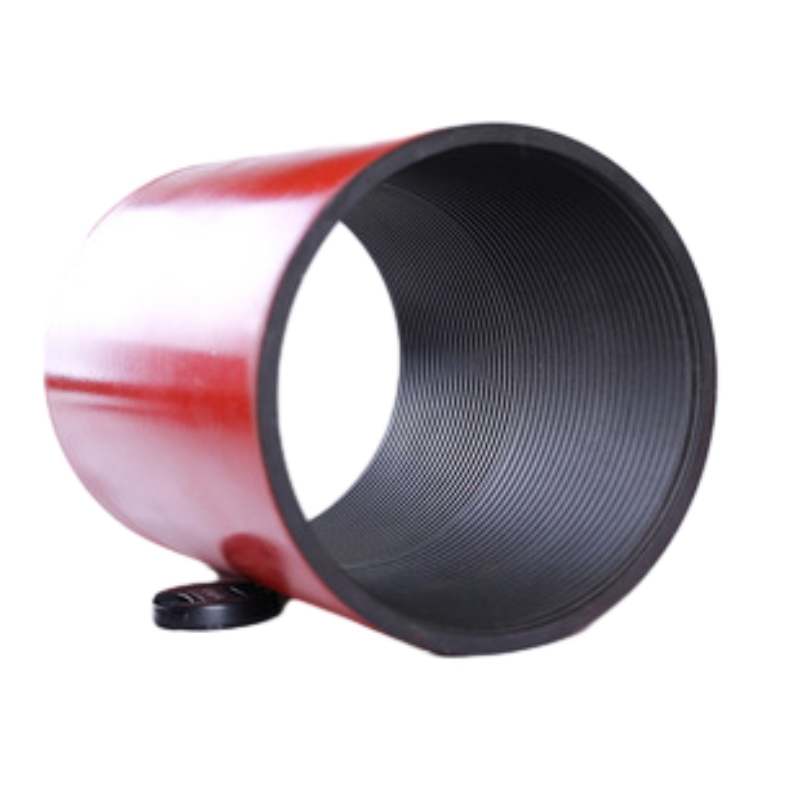
Simply put, a hex head bull plug is a specialized threaded fitting used to seal off the end of a pipe. Its distinctive hexagonal head allows it to be tightened firmly with a wrench. Bull plugs are typically installed in pipelines to temporarily or permanently close line ends, maintain system pressure, or facilitate future expansions.
They serve as a vital safety barrier during pipeline construction and maintenance phases. You find them used extensively in oil, gas, petrochemical, and even water treatment plants. They’re basically guardians preventing leaks and contamination in pipelines — a small but mighty component.
Key Factors to Consider About Hex Head Bull Plugs
1. Durability and Material Composition
Most bull plugs today are forged from carbon steel, stainless steel, or high-grade alloys to resist corrosion and extreme pressure. I’ve noticed that stainless steel bull plugs get a lot of praise in marine environments where rust can sabotage lesser materials. The choice largely depends on the fluid handled and ambient conditions.
2. Pressure Rating and Size
Bull plugs come rated for different pressure classes — from low-pressure water lines to ultra-high-pressure oil conduits. Getting this right ensures the plug won’t blow out or deform under stress. Sizes can vary from tiny half-inch fittings to massive several-inch diameter plugs in industrial pipelines.
3. Thread Standards and Compatibility
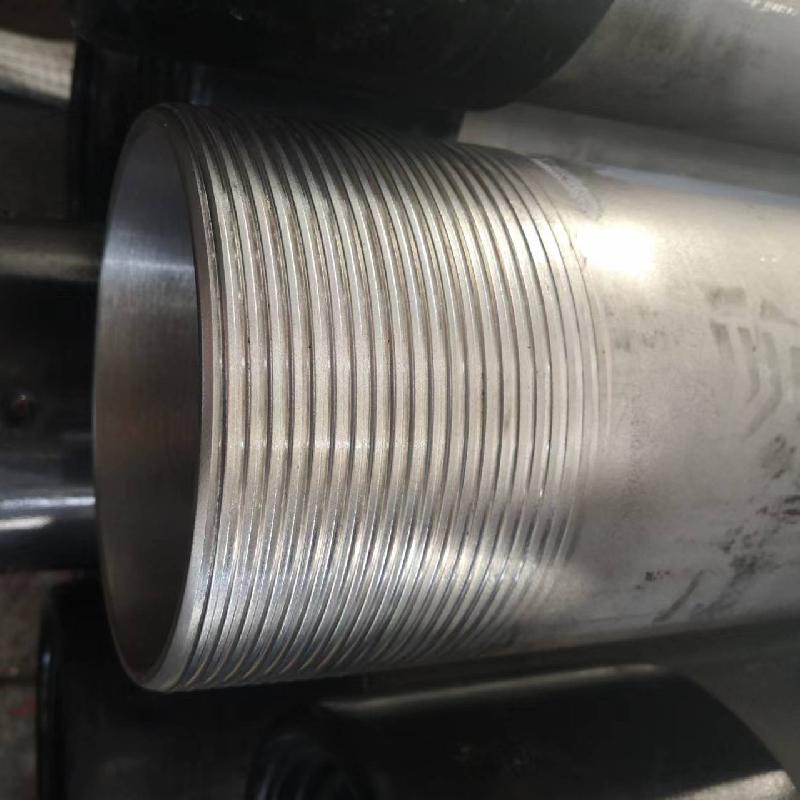
Here’s where standardization comes into play. Thread types like NPT (National Pipe Thread), BSP (British Standard Pipe), or ISO metric threads dictate fitting compatibility. Mismatched threading can result in leaks or dangerous failures. So you have to be sure your plug’s threads match your pipeline connections exactly.
4. Ease of Installation and Removal
The hex head design allows for straightforward installation with common tools, but sometimes you need special torque or safety considerations, especially in pressurized systems. In harsh environments, torque-limiting equipment helps avoid over-tightening which can crack components.
5. Customization and Certification
Many manufacturers provide customized plugs meeting specific certifications like API 6A for the oilfield or ASME B16.11 for fittings. Certifications mean these plugs passed rigorous testing—a must-have for anyone aiming at compliance and safety.
Hex Head Bull Plug Specifications
| Specification | Details |
|---|---|
| Material | Carbon Steel, Stainless Steel, Alloy Steel |
| Pressure Rating | Class 150 to Class 3000 (ANSI/ASME) |
| Sizes Available | 0.25" to 12" diameter |
| Thread Types | NPT, BSP, ISO Metric |
| Certifications | API 6A, ASME B16.11, ISO 9001 |
Comparing Leading Hex Head Bull Plug Manufacturers
Choosing the right supplier can be tricky. Here's a quick comparative snapshot of three vendors to help you navigate:
| Vendor | Material Options | Pressure Ratings | Custom Certification Support | Typical Lead Time |
|---|---|---|---|---|
| SteelPro Fittings | Carbon Steel, Stainless | 150-1500 PSI | API 6A Available | 2-3 weeks |
| PipeMaster Inc. | Alloy Steel, Carbon Steel | 300-3000 PSI | ISO 9001 Certified | 1-2 weeks |
| Global Sealers | Stainless Steel, Alloy | 150-2500 PSI | API, ASME Compliance | 3-4 weeks |
Global Applications & Use Cases
Importantly, you’ll find hex head bull plugs everywhere pipelines exist. In the Middle East’s massive oil fields, they seal off high-pressure lines during maintenance. In North America, natural gas distributors rely on them for quick shutoffs. Oddly enough, they’re crucial in water treatment plants in Southeast Asia, preventing contamination during pipe flushing. NGOs have also deployed pipelines equipped with these plugs in relief zones after floods to restore clean water quickly and safely. The adaptability of these plugs across industries and climates is quite impressive.
Advantages and Long-Term Value of Hex Head Bull Plugs
Besides preventing leaks (which reduces costly downtime), these plugs provide durability, corrosion resistance, and standardized compatibility. Emotionally, they offer peace of mind to engineers and operators who know that a high-quality bull plug can avert catastrophic spills or pressure loss. They underpin trust in the infrastructure—something you can really appreciate when managing complex projects under harsh conditions.
Future Trends & Innovations
Looking ahead, innovations like advanced composite materials promise lighter, more corrosion-resistant plugs. Digital torque monitoring tools help ensure proper installation without human error. Also, with increasing regulatory pressure, more manufacturers focus on eco-friendly coatings and recyclability, aligning with global sustainability goals under ISO 14001 frameworks.
Challenges & Solutions
Of course, challenges remain. Sometimes incompatible threading leads to leakage, or low-grade materials corrode faster than expected. Precise quality control and adherence to international standards are vital. One solution is partnering only with certified vendors and conducting on-site stress tests. Training staff on installation techniques also lowers risks dramatically.
Frequently Asked Questions About Hex Head Bull Plugs
-
Q: How do I select the right size hex head bull plug for my pipeline?
A: Match the plug diameter and thread type exactly to the pipeline specs, considering pressure class. Consulting manufacturer datasheets or an engineer helps ensure a perfect fit. -
Q: Can hex head bull plugs be reused after removal?
A: Generally, if undamaged and inspected for wear or corrosion, plugs can be reused. However, following industry guidelines and recertifications is crucial to avoid failures. -
Q: Are stainless steel bull plugs better than carbon steel?
A: Stainless steel is more corrosion-resistant, particularly in saltwater or chemical environments. Carbon steel may suffice for dry or low-corrosion settings and tends to be more cost-effective. -
Q: What certifications should I require when buying bull plugs?
A: Look for API 6A, ASME B16.11, and ISO 9001 certifications to ensure quality, safety, and regulatory compliance.
Conclusion and Call to Action
The hex head bull plug may not be flashy, but its role in global infrastructure safety and efficiency is massive. Durable, standardized, and reliable bull plugs make pipelines safer and more sustainable, protecting the environment and investments alike. If you’re sourcing these critical components, consider reviewing your material and certification requirements carefully. For a trusted selection of quality fittings, visit our website: hex head bull plug.
Mini takeaway: Don’t underestimate the small components — quality hex head bull plugs ensure big safety wins worldwide.
References:
-
The Ultimate Industrial Guide to using مفصل الجرو Swivel JointsNewsApr.16,2026
-
Comprehensive Guide to api الجرو المشترك in Industrial ApplicationsNewsApr.09,2026
-
Comprehensive Guide to Puppy Joint Health with غلاف مفصل الجرو SupplementsNewsApr.07,2026
-
Optimizing Oilfield Performance with تمرير المفاصل الجرو and WJ Petroleum ExpertiseNewsApr.04,2026
-
Understanding Puppy Mills ¿qué es un porro de cachorros? Responsible Breeding PracticesNewsMar.31,2026
-
Comprehensive Guide to Perforated Puppy Joints and Long Term Canine HealthNewsMar.28,2026