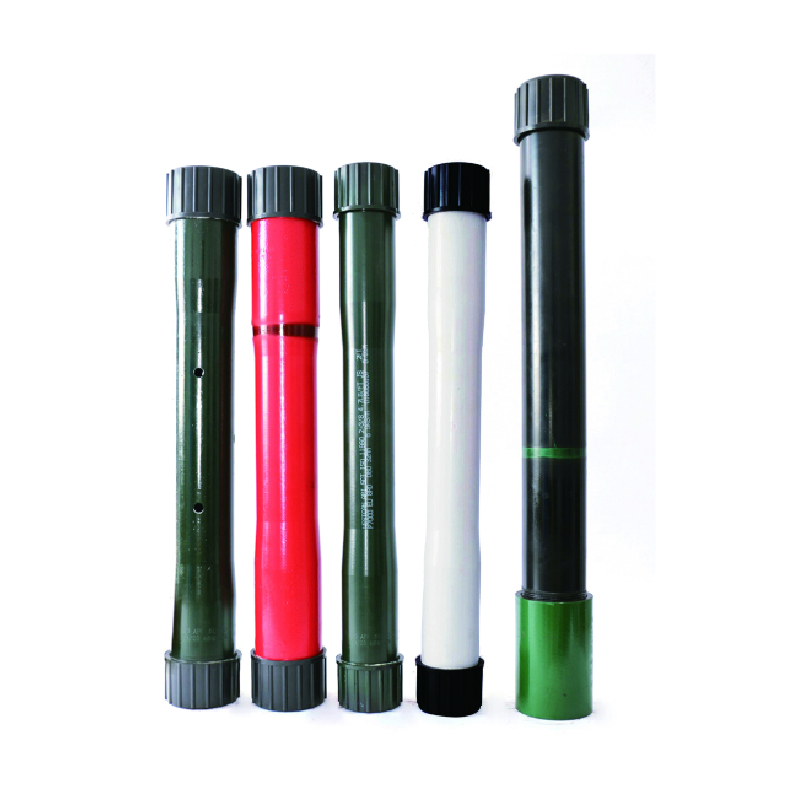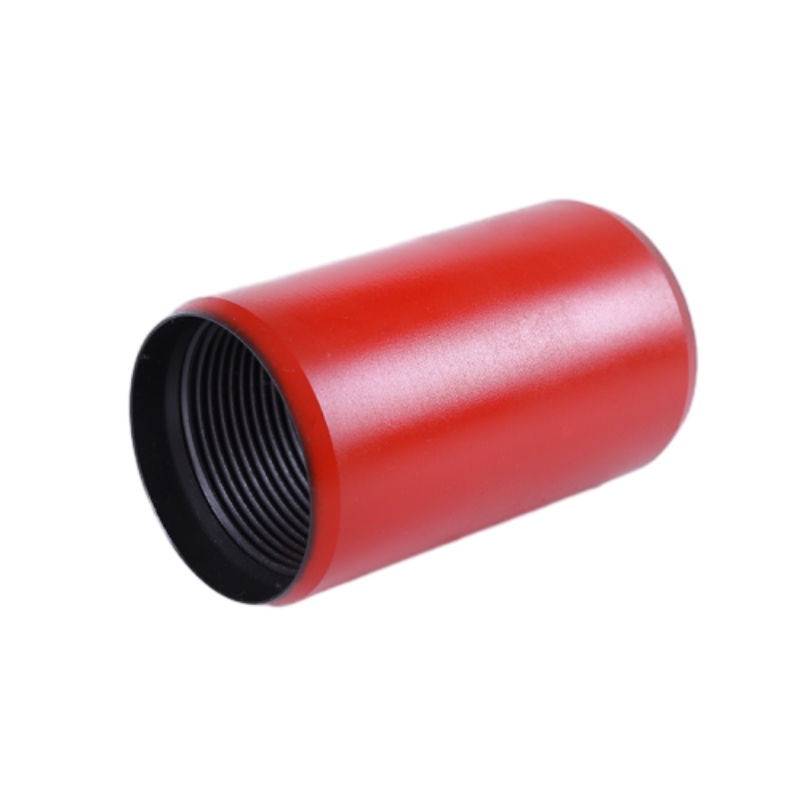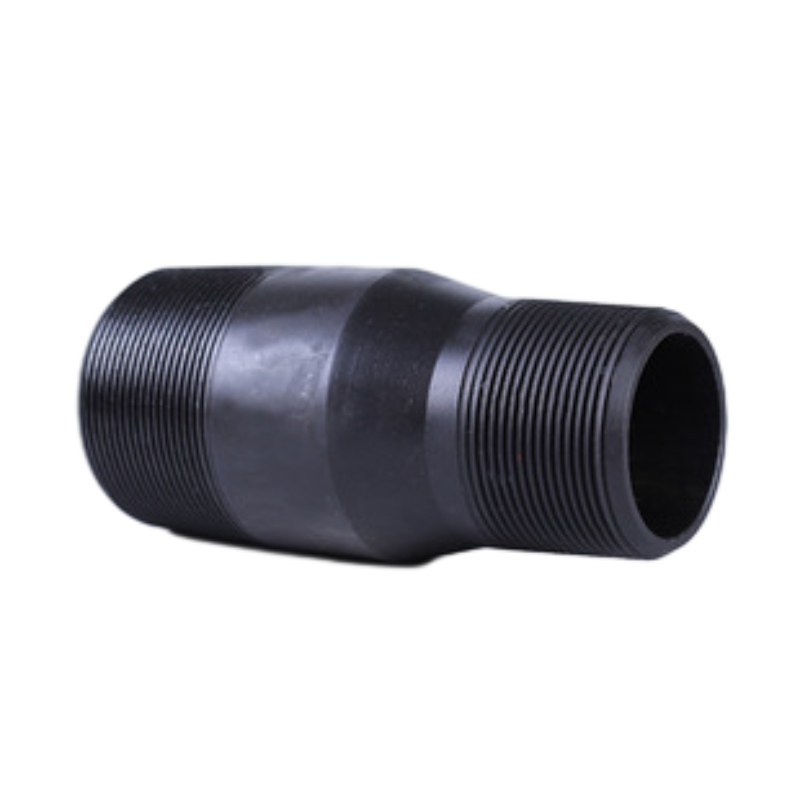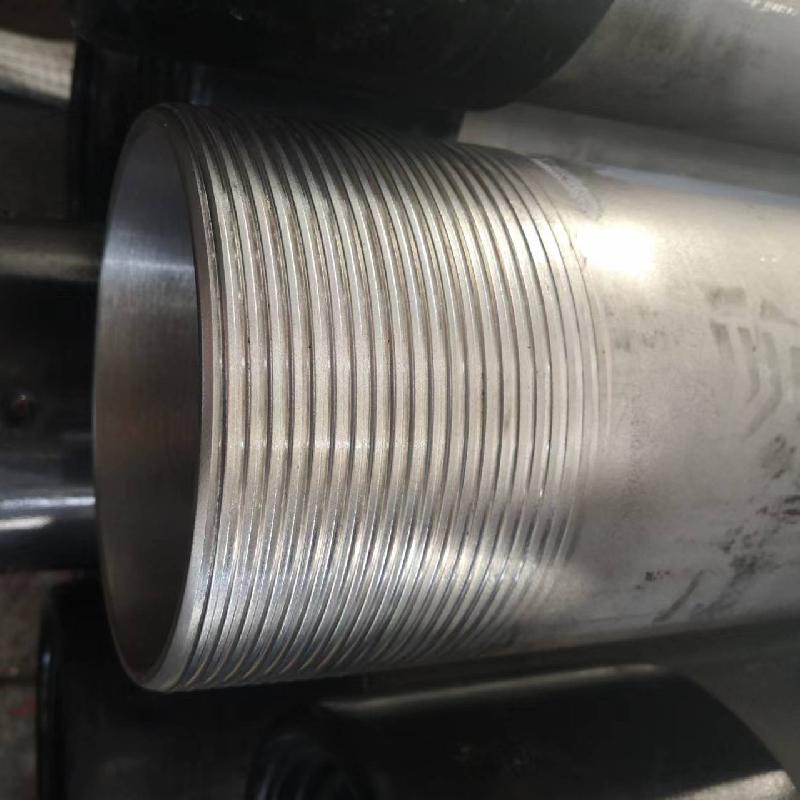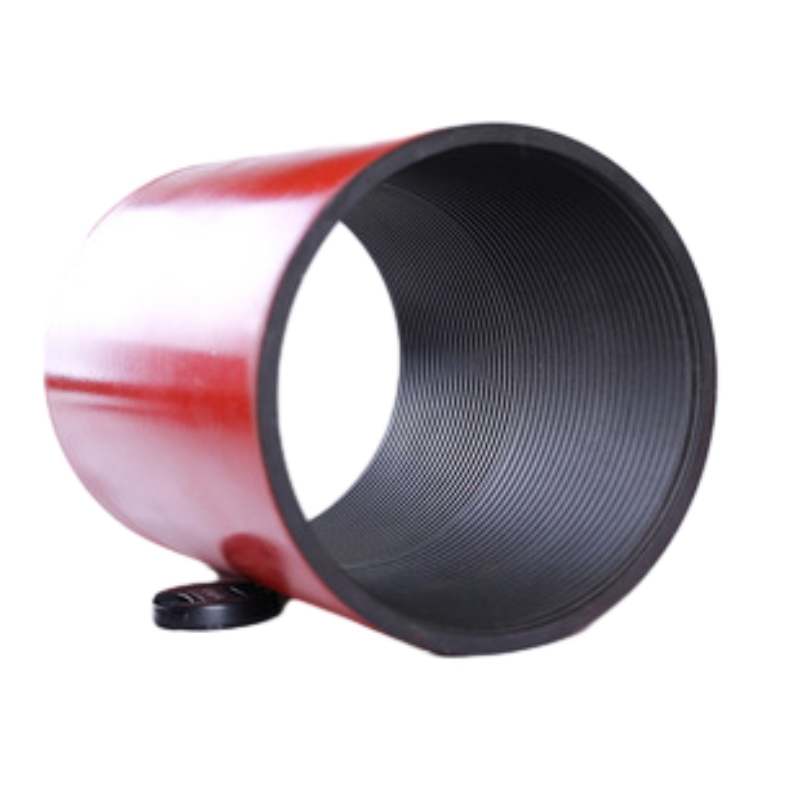


Stainless Steel Pipe Coupling: Choosing Quality for Industrial Success
Why Choosing the Right ss pipe coupling Really Matters in Industrial Settings
Having spent more than a decade working directly in the industrial equipment sector, I can say that few components get as little attention as the modest ss pipe coupling — stainless steel pipe couplings, of course. To most folks, they’re just simple connectors. But if you look closely, especially on-site where the rubber meets the road, these little parts are crucial. They hold together complex piping systems under huge pressure and crazy temperatures. And frankly, the right coupling (or the wrong one) can make or break the integrity of your whole setup.
Oddly enough, not all stainless steel couplings are created equal, even if they look similar at a glance. Material grade, design, and quality of manufacture vary a lot, which influences durability and safety. If you choose the wrong type, you might find yourself with leaks, corrosion, or even catastrophic failures down the line. I like to think of them as the unsung heroes of industrial pipelines.
The Basics & Material Matters
The typical stainless steel pipe coupling you come across in heavy-duty installations is made from grades like 304 or 316 stainless steel. Grade 316 is often preferred in harsh environments because it has added molybdenum, boosting corrosion resistance — especially against chlorides. In real terms, that means it lasts longer outdoors, in chemical plants, or coastal installations where salt-laden air can wreak havoc.
If you ask me, it’s always better to over-spec on corrosion resistance, if budget allows. There’s an anecdote I recall from working on a refinery upgrade — the engineers who chose a grade 304 for the couplings in a particularly aggressive environment ran into pitting corrosion after a few months. Nobody’s perfect, but that’s a lesson in really understanding your environmental factors. For most, the 316 is the safer bet.
Design & Testing — Not Just a Pretty Face
Couplings come in different varieties: threaded, welded, clamp-style, and flange types. Each serves different purposes depending on how pipes need to be joined and what kind of maintenance windows you expect. For instance, clamp couplings offer quick disassembly, which is handy for repair, but they might not handle the same pressure as a securely welded coupling.
One thing I’ve noticed over the years is that the best manufacturers go beyond simple visual inspection. They run rigorous hydrostatic tests, non-destructive testing like dye penetrant inspections, and even microstructure analysis to catch defects early. It feels like insurance against unexpected failures. You want to buy from someone who cares enough to test that thoroughly.
| Specification | Details |
|---|---|
| Material | Stainless Steel 304 / 316 |
| Sizes | 1/2" to 12" nominal pipe size |
| Pressure Rating | Up to 3000 psi (varies by model) |
| Temperature Range | -40°F to 900°F (-40°C to 482°C) |
| Connection Types | Threaded, Weld, Clamp, Flanged |
| Certifications | ASTM A182, ASME B16.11 |
Picking Your Supplier: What to Watch For
Now, here’s where things get interesting. Not all suppliers are the same. I’ve seen companies use cheap imports without sufficient testing — and those parts never lasted. On the other hand, established vendors with longstanding reputations usually provide more reliable products, documentation, and support.
Below is a quick vendor comparison of some well-known suppliers I’ve encountered. Keep in mind, each has strengths depending on your priorities (price vs quality vs lead time).
| Vendor | Material Grade | Certification | Lead Time | Typical Price Range | Notes |
|---|---|---|---|---|---|
| Vendor A (Legacy Co.) | 304 & 316 SS | ASTM A182, ISO 9001 | 2-3 weeks | $$$ | Reliable, good test data |
| Vendor B (Budget Supplies) | 304 SS only | Basic ASTM | 1 week | $ | Lower cost, less documented |
| Vendor C (Premium Tech) | 316 SS with upgrades | ASTM, ASME, PED | 3-4 weeks | $$$$ | High-end, custom options |
In one project I was involved with last year, the team switched to Vendor C for a corrosive environment. The initial cost was steeper but downtime dropped, and piping integrity improved drastically. Sometimes, you do get what you pay for.
Customization and Industry Trends
Another interesting trend? More customers are asking for customized couplings, tailored to very specific pipe schedules, pressure classes, or integrated smart sensors. This kind of adaptability is getting more common as Industry 4.0 quietly revolutionizes even the most "legacy" sectors. It feels like these little components are slowly stepping into the future.
Overall, if you find yourself selecting a ss pipe coupling, take a moment. Think about the full environment, the pressure, the maintenance plans. Consider the stories I shared—and always, always vet the vendor carefully. You’ll thank yourself later.
That’s my take on the humble stainless steel pipe coupling – a small part, but a truly critical player in the industrial theatre.
- ASTM International standards for pipe couplings
- Industry case study from refinery piping upgrade, 2022
- Emerging trends in industrial pipe fittings, Machinery Today 2023
-
The Ultimate Industrial Guide to using مفصل الجرو Swivel JointsNewsApr.16,2026
-
Comprehensive Guide to api الجرو المشترك in Industrial ApplicationsNewsApr.09,2026
-
Comprehensive Guide to Puppy Joint Health with غلاف مفصل الجرو SupplementsNewsApr.07,2026
-
Optimizing Oilfield Performance with تمرير المفاصل الجرو and WJ Petroleum ExpertiseNewsApr.04,2026
-
Understanding Puppy Mills ¿qué es un porro de cachorros? Responsible Breeding PracticesNewsMar.31,2026
-
Comprehensive Guide to Perforated Puppy Joints and Long Term Canine HealthNewsMar.28,2026