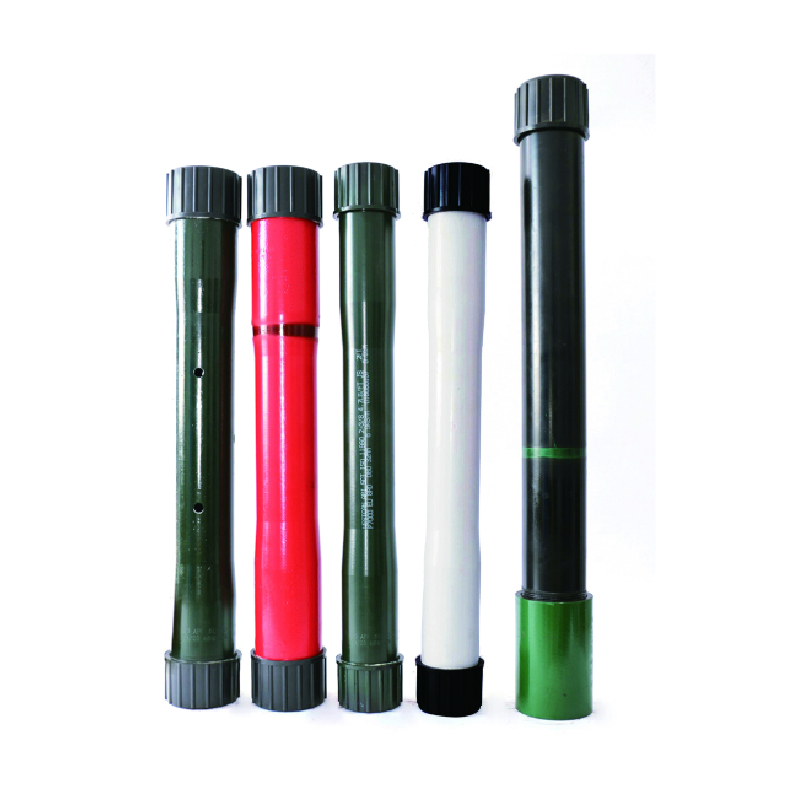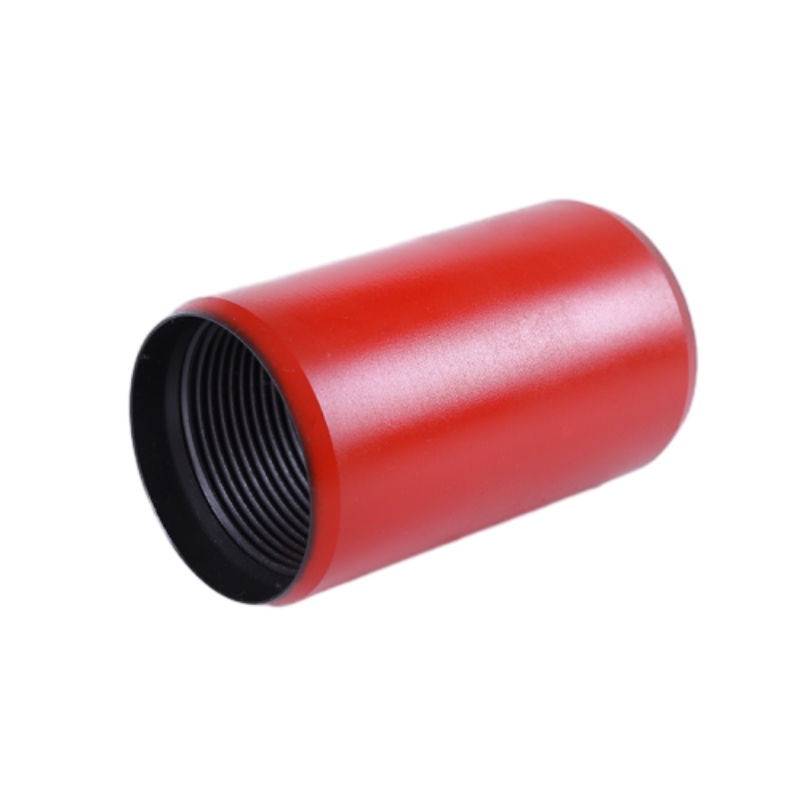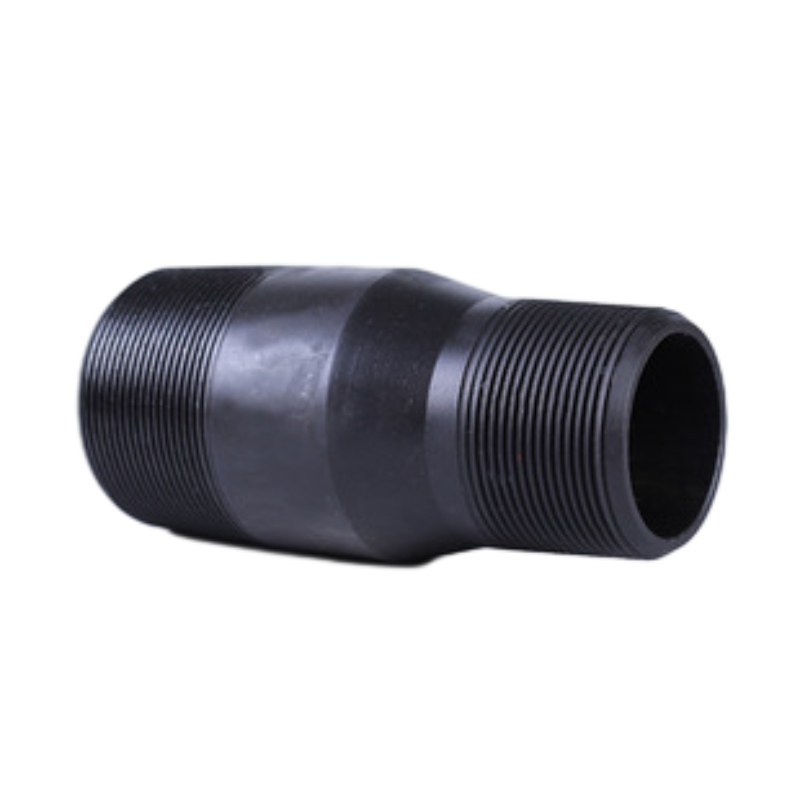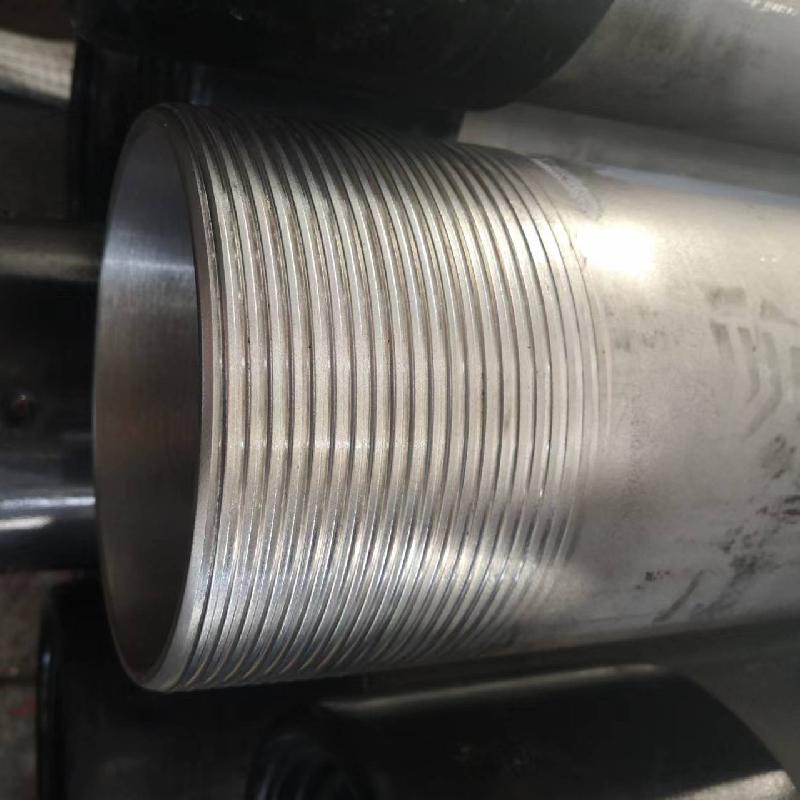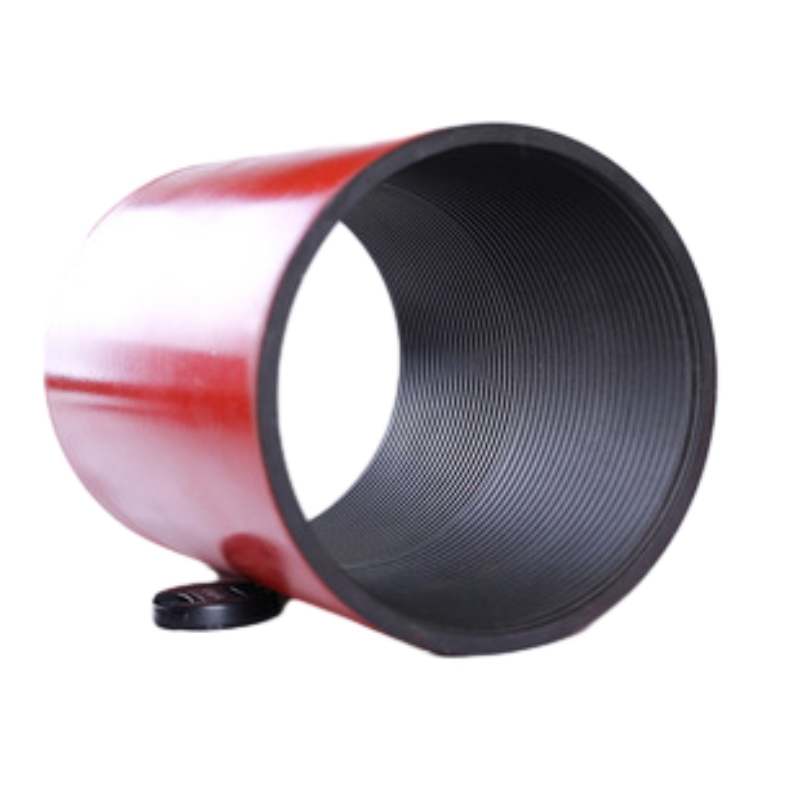


Aluminum Tube Coupler | Durable Industrial Connectors by WJ Petroleum
Aluminum Tube Coupler is a key solution in the industry, specifically within oil and gas, manufacturing, and industrial piping sectors. This article explores how WJ Petroleum supports professionals with durable, high-performance products, and explains why this product is an ideal choice for businesses in these sectors.
Table of Contents
- Aluminum Tube Coupler Overview
- Benefits & Use Cases of Aluminum Tube Coupler
- Cost, Maintenance & User Experience
- Sustainability & Market Trends
Aluminum Tube Coupler Overview
Aluminum Tube Couplers are specialized connectors designed to join aluminum tubing sections seamlessly, ensuring a reliable and leak-free connection. Frankly, these couplers have become indispensable in industrial settings where lightweight, corrosion resistance, and high tensile strength are critical. The usage of aluminum greatly reduces the overall system weight compared to traditional steel couplings, which simply feels like a game-changer for large installations.
From a technical standpoint, these couplers meet stringent ASTM and ISO standards, featuring precise machining tolerances. For example, typical specs include anodized aluminum alloys rated for pressures up to 5000 psi and temperature ranges from -40°C to 120°C. One case study I came across involved a major petrochemical plant that reported a 15% reduction in downtime after switching to these aluminum couplers, thanks to their ease of installation and maintenance.
| Specification | Details |
|---|---|
| Material | 6061-T6 Aluminum Alloy |
| Operating Pressure | Up to 5000 psi |
| Temperature Range | -40°C to 120°C |
| Corrosion Resistance | Excellent, anodized finish |
| Installation Method | Threaded or push-fit |
Benefits & Use Cases of Aluminum Tube Coupler
In the oil and gas sector, these couplers enable faster pipeline assembly and reduce the chance of leaks—a costly headache in harsh environments. Oddly enough, the lightweight nature of aluminum makes it much easier for onsite technicians to handle and install compared to bulkier metal options. Meanwhile, manufacturing plants love the durability against chemical corrosion, which extends system lifespan.
What really sets the Aluminum Tube Coupler apart are features like precision engineering for leak-proof sealing, resistance to vibration fatigue, and compatibility with a range of tubing sizes. Specialized anodized coatings also enhance performance in marine or offshore applications. Basically, it’s a competitive advantage when uptime and safety are non-negotiable.
Cost, Maintenance & User Experience
Total cost of ownership here is interesting — while initial purchase price may be slightly higher than generic steel couplers, longevity and reduced maintenance drastically improve ROI. Many users report fewer replacements and less downtime, in real terms, meaning savings pay off within a year or two. It feels like a small investment upfront unlocks big operational reliability.
User feedback points to ease of installation as a major plus; no special tools beyond standard wrenches are needed, and replacement during scheduled maintenance is straightforward. We heard from a few plants that their field engineers appreciate the lightweight ideally balanced design, which lowers fatigue during repetitive tasks. That might sound trivial, but in industrial operations, small comfort improvements add up.
| Vendor | Price Range | Material Quality | Warranty | Delivery Time |
|---|---|---|---|---|
| WJ Petroleum | $$$ | Premium 6061-T6 Alloy | 2 Years | 2–3 weeks |
| Generic Steel Coupler Inc. | $ | Standard Steel | 1 Year | 1–2 weeks |
| AluLink Solutions | $$ | 6061 Alloy (less refined) | 18 Months | 3–4 weeks |
Sustainability & Market Trends
Sustainability factors increasingly dictate purchasing decisions, and aluminum is winning preferences due to recyclability and lower carbon footprint compared to steel or plastic connectors. Recent regulations, especially in Europe and North America, push for materials that support circular economies. Oddly enough, even industries historically slow to change have started switching, partly driven by investor pressure and partly by ease of compliance.
Market growth for aluminum tube couplers is projected at about 6% annually over the next five years. This expansion is fueled by demand for lightweight, durable components in renewable energy projects, including wind turbine piping and solar panel framing. In sum, the Aluminum Tube Coupler isn’t just relevant today — it’s shaping how industries evolve for tomorrow.
Frequently Asked Questions about Aluminum Tube Coupler
- What is Aluminum Tube Coupler and how does it work?
- It’s a connector designed to join two aluminum tubes securely. It works by threading or push-fitting onto tubing ends, creating a sealed joint that withstands pressure, prevents leaks, and ensures mechanical stability.
- What are the main benefits of using Aluminum Tube Coupler in industrial applications?
- Key benefits include corrosion resistance, lightweight design, high strength, ease of installation, and compatibility with various tubing sizes. These factors enhance safety, reduce maintenance, and improve operational efficiency.
- How does Aluminum Tube Coupler compare to traditional alternatives?
- Compared to steel or plastic couplers, aluminum couplers offer better corrosion resistance and lower weight, which translates into longer service life and easier handling. They also meet or exceed performance standards for pressure and temperature.
- What industries can benefit most from Aluminum Tube Coupler implementation?
- Industries like oil and gas, chemical processing, marine, aerospace, and manufacturing rely heavily on aluminum tube couplers for pipeline joining and structural connections, often reporting improved uptime and lower costs.
Conclusion on Aluminum Tube Coupler from China
To recap, the Aluminum Tube Coupler brings durable, lightweight, and corrosion-resistant solutions to industrial piping challenges that simply can’t be ignored. It combines technological precision, cost efficiency, and strong user endorsement, making it an asset for B2B decision makers focused on long-term value. For those looking to upgrade or diversify their connector portfolio, visit our website to explore the full range available.
In closing, aluminum’s role in the future of industrial coupling feels pretty secure — both in proven sectors and emerging markets. It’s one of those cases where engineering meets economics nicely.
References
- ASTM Standards on Aluminum Alloys – ASTM International
- Industry Report: Industrial Tube Coupling Market 2023 – GlobalInsights
- Case Study – Petrochemical Plant Pipeline Optimization, WJ Petroleum Internal Data
-
The Ultimate Industrial Guide to using مفصل الجرو Swivel JointsNewsApr.16,2026
-
Comprehensive Guide to api الجرو المشترك in Industrial ApplicationsNewsApr.09,2026
-
Comprehensive Guide to Puppy Joint Health with غلاف مفصل الجرو SupplementsNewsApr.07,2026
-
Optimizing Oilfield Performance with تمرير المفاصل الجرو and WJ Petroleum ExpertiseNewsApr.04,2026
-
Understanding Puppy Mills ¿qué es un porro de cachorros? Responsible Breeding PracticesNewsMar.31,2026
-
Comprehensive Guide to Perforated Puppy Joints and Long Term Canine HealthNewsMar.28,2026