

Tubing Coupling Questions: Uses, Materials and API Compatibility

This tubing coupling FAQ explains how couplings join tubing sections, which materials are used, why API specifications matter, and where these components fit in oil and gas operations.
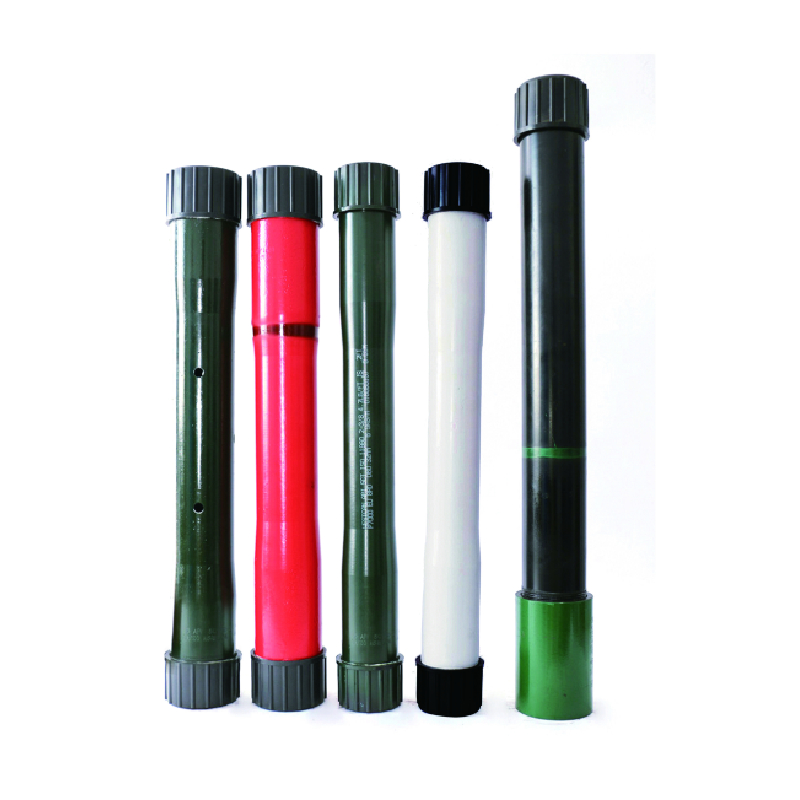
Tubing couplings join sections of tubing in oil and gas production. The right choice depends on the connection requirements, material environment and applicable API specifications. You can review Hengshui Weijia’s tubing couplings when matching a coupling to a tubing string.
What is a tubing coupling used for?
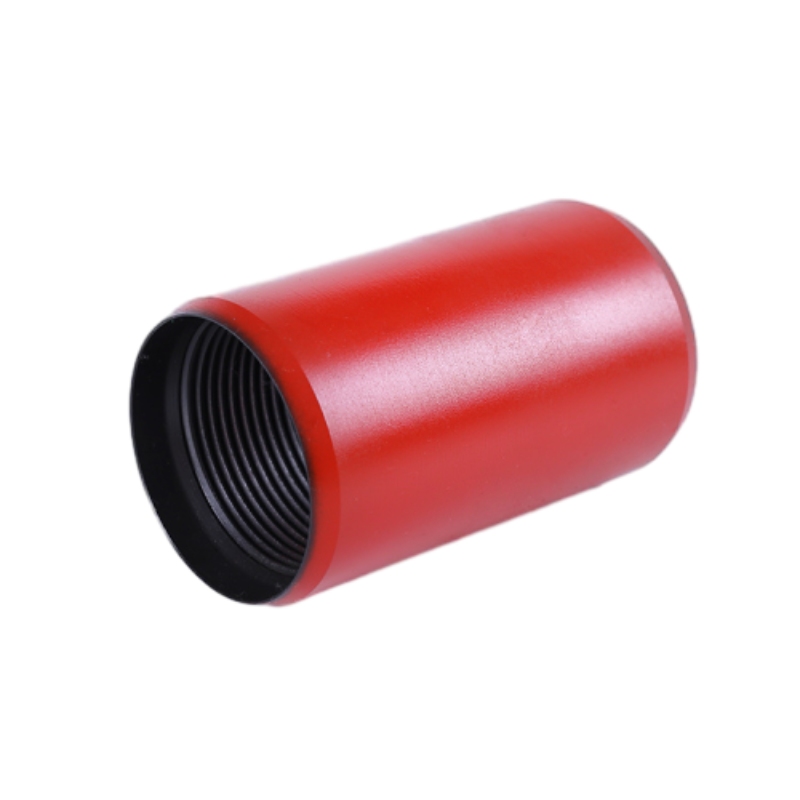
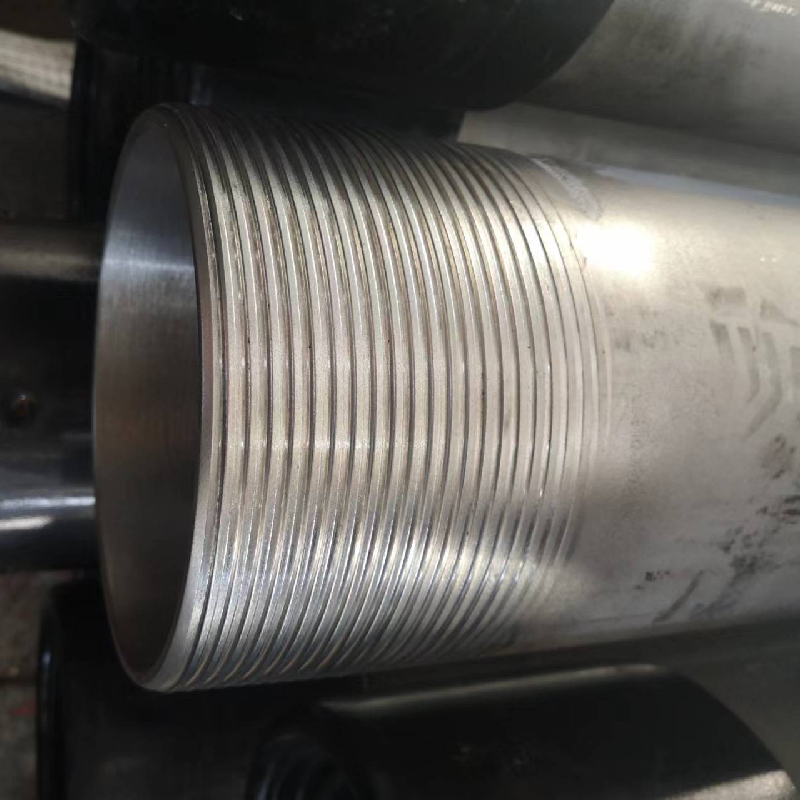
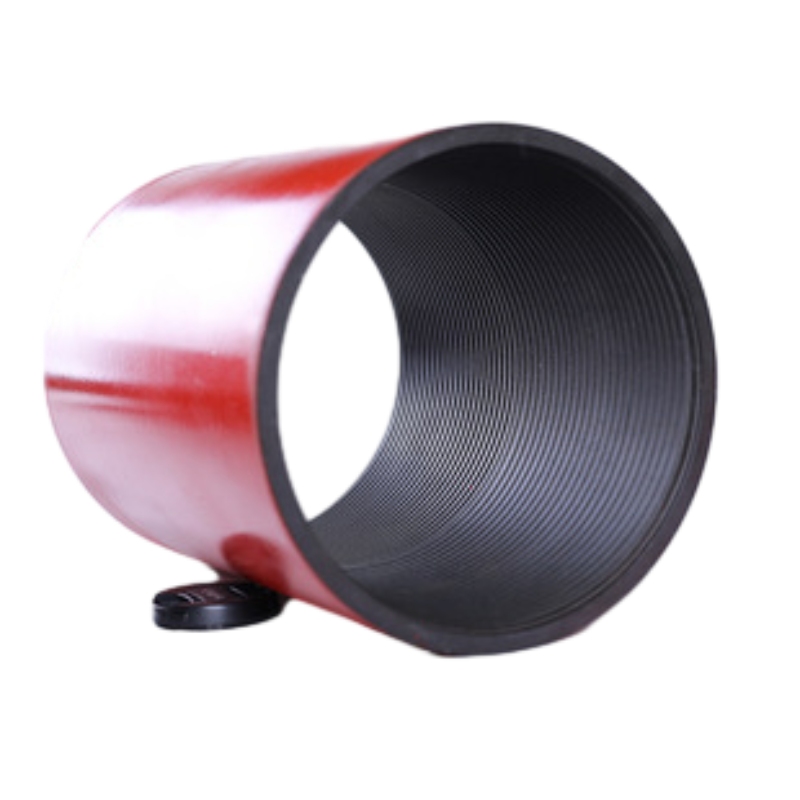
A tubing coupling connects two pieces of tubing to form a continuous tubing string. Its threaded connection is designed to create a secure, leak-proof seal while maintaining the integrity of the wellbore. This makes the coupling part of the connection and sealing system that carries oil and gas toward the surface.
Picture a production string assembled section by section in a well. Each coupling has to match the adjoining tubing and maintain the connection under the pressure and temperature conditions of the application. Coupling dimensions and thread details should be matched to the tubing string before ordering.
Which materials are used for tubing couplings?
Common material options include carbon steel, stainless steel and alloy steel. The material choice should follow the wellbore environment and the required resistance to pressure, temperature, corrosion and wear.
For a corrosive application, stainless steel or an alloy steel may be considered for their resistance to chemicals and oxidation. Carbon steel is another material option for tubing couplings. Share the well conditions and required material grade with the supplier so the coupling can be matched to the application.
Why do API specifications matter for tubing couplings?
API specifications define requirements such as materials, dimensions and performance testing for tubing couplings. Meeting those requirements supports compatibility between tubing components and can allow interchangeability among manufacturers using the same specifications.
For a procurement team, API compatibility helps narrow the check to the relevant dimensions, material grade and thread requirements. Confirm that the coupling specification matches the tubing and the requirements for the intended well before placing an order.
Where are tubing couplings used?
Tubing couplings are used in oil and gas production, including deep-sea drilling and hydraulic fracturing applications. They are intended for tubing-string connections where a secure seal and structural integrity are required under high-pressure and high-temperature conditions.
A buyer planning a subsurface well should compare the coupling’s material and connection requirements with the operating environment. Send the tubing size, thread details, material requirement and application conditions when requesting a quotation.
The people

About the author
The company
Hengshui Weijia Petroleum Equipment Manufacturing Co., Ltd.
Hengshui Weijia Petroleum Equipment Manufacturing Co., Ltd. is a joint venture between Canada Westcan Oilfield Supply Ltd and Jizhou Zhongjia Rubber Products Co., Ltd. The company strictly follows API standards to manufacture products used in oil fields. The product has been exported to more than 20 countries and regions.…
About Us ↗Visit company website ↗Your next step
Bring your brief. Start a useful conversation.
Use case, specification, quantity and delivery window: make the next conversation specific.
-
Tubing Coupling Questions: Uses, Materials and API CompatibilityNewsNov.02,2026
-
Casing Pup Joint Options Compared: Specifications, Materials and Supplier DocumentationNewsOct.28,2026
-
Guide to High Quality 2 inch stainless steel coupling for Oil GasNewsJul.01,2026
-
High Performance 2 inch steel coupling for Oil and Gas OperationsNewsJun.29,2026
-
High Precision 3 8 od copper coupling for Oil and Gas ConnectivityNewsJun.27,2026
-
High Quality 3 inch steel pipe coupling for Oil and Gas ProductionNewsJun.26,2026