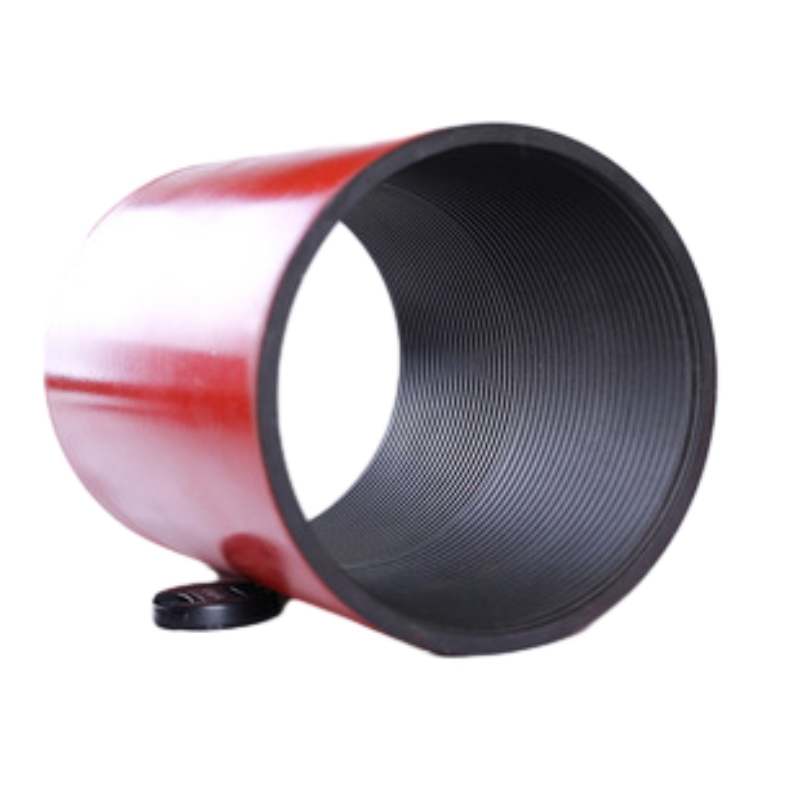


Brass Pipe Couplings – Reliable Industrial Connectors | WJP Petroleum
Understanding Brass Pipe Couplings: A Veteran’s Take
Having spent over a decade in the industrial equipment sector, I’ve seen plenty of piping components come and go, but brass pipe couplings? They’ve earned their spot in many setups, and frankly, I think their durability and reliability explain why.
Now, before we get into it, let me share a quick story. A few years back, a refinery client was dealing with frequent leaks in their piping system due to corrosive elements. After switching to high-quality brass pipe couplings, the issue practically vanished. That’s the power of good materials and smart design meeting industry demands.
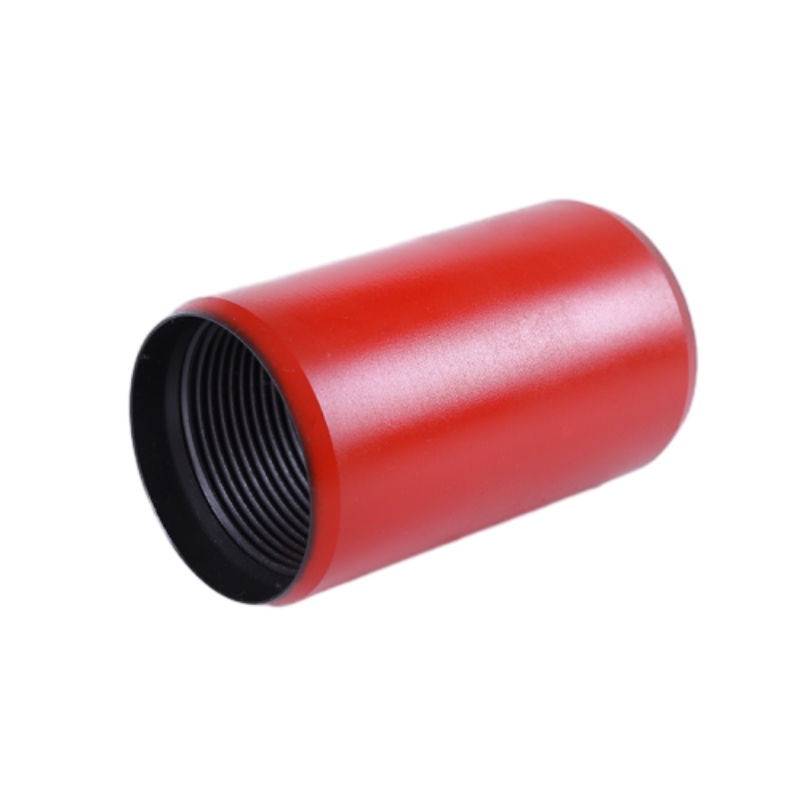
So, what’s so special about brass couplings anyway? To put it simply, brass is an alloy made primarily of copper and zinc, which lends these couplings a unique blend of strength, corrosion resistance, and workability. It’s this combination that makes them especially suited for plumbing, fuel lines, and even instrumentation systems that require tight seals and reliability under pressure.
You might wonder about the differences between brass and other materials like stainless steel or plastic. Well, brass hits a sweet spot for many engineers because it’s easier to machine, offers excellent thermal and electrical conductivity, and resists dezincification better than you might expect. Of course, in very high–corrosive or high-temperature environments, materials like stainless steel could outperform it, but for many industrial applications, brass couplings remain a top choice.
Industries today are also leaning towards components that offer flexibility and quick installation, and brass couplings fit right into that mold. Many of these couplings are designed to be compact with straightforward threading patterns, which reduces installation time and lowers labor costs. Plus, many vendors offer custom threading or sizes, which is a godsend in irregular setups.
I do have to mention that quality varies widely among suppliers — an issue I’m sure any plant manager worries about. They often say, “buy once, cry once,” but with couplings, reliability is critical since leaks can quickly turn into costly downtime or safety hazards. So, sourcing from reputable vendors is essential.
| Feature | Specification |
|---|---|
| Material Composition | Copper 60-70%, Zinc 30-40% |
| Pressure Rating | Up to 300 PSI (varies by size & vendor) |
| Thread Type | NPT, BSPT, Custom available |
| Temperature Range | -40°F to 250°F (-40°C to 120°C) |
| Compatibility | Water, Gas, Oil, Air |
Speaking of vendors, here’s how a few well-known suppliers stack up. I’ve worked with them in various projects, so this comparison isn’t just from spec sheets — it’s from first-hand experience, with a splash of customer feedback.
Learn more about their products here.
Oddly enough, I notice that many engineers appreciate a brass coupling’s blend of tradition and versatility. It’s like having a piece of equipment that’s stood the test of time but can still keep up with today’s tighter regulations and demands.
In real terms, investing in a quality brass pipe coupling can save headaches down the line—whether it’s by reducing leak risks or cutting back on maintenance intervals. Just don’t be tempted by the cheapest option; as always in this industry, the upfront cost can save you a lot in long-term expenses.
All in all, these little connectors pack quite a punch. If you want reliability and reasonable longevity in your piping systems, brass couplings deserve your attention.
After spending years around these components, I can safely say: brass pipe couplings are a modest but mighty cog in many industry's gears—never flashy but always dependable.
Thanks for sticking with me through this overview. If you’re looking to specify brass couplings, I'd recommend starting with trusted names—and feel free to reach out to suppliers like WJP Petroleum, who know their brass gear.
Takeaway: When it comes to small parts with big impact, brass pipe couplings are the unsung heroes worth knowing well.
- ASTM B16 - Standard Specification for Brass Forgings
- Industry Pipes and Fittings Handbook, 2021 edition
- Customer feedback surveys from industrial facilities, 2019–2023
-
The Ultimate Industrial Guide to using مفصل الجرو Swivel JointsNewsApr.16,2026
-
Comprehensive Guide to api الجرو المشترك in Industrial ApplicationsNewsApr.09,2026
-
Comprehensive Guide to Puppy Joint Health with غلاف مفصل الجرو SupplementsNewsApr.07,2026
-
Optimizing Oilfield Performance with تمرير المفاصل الجرو and WJ Petroleum ExpertiseNewsApr.04,2026
-
Understanding Puppy Mills ¿qué es un porro de cachorros? Responsible Breeding PracticesNewsMar.31,2026
-
Comprehensive Guide to Perforated Puppy Joints and Long Term Canine HealthNewsMar.28,2026