

Durable API 5CT Couplings for Oilfield Tubulars | Expert Insights
Understanding the API 5CT coupling: A seasoned perspective
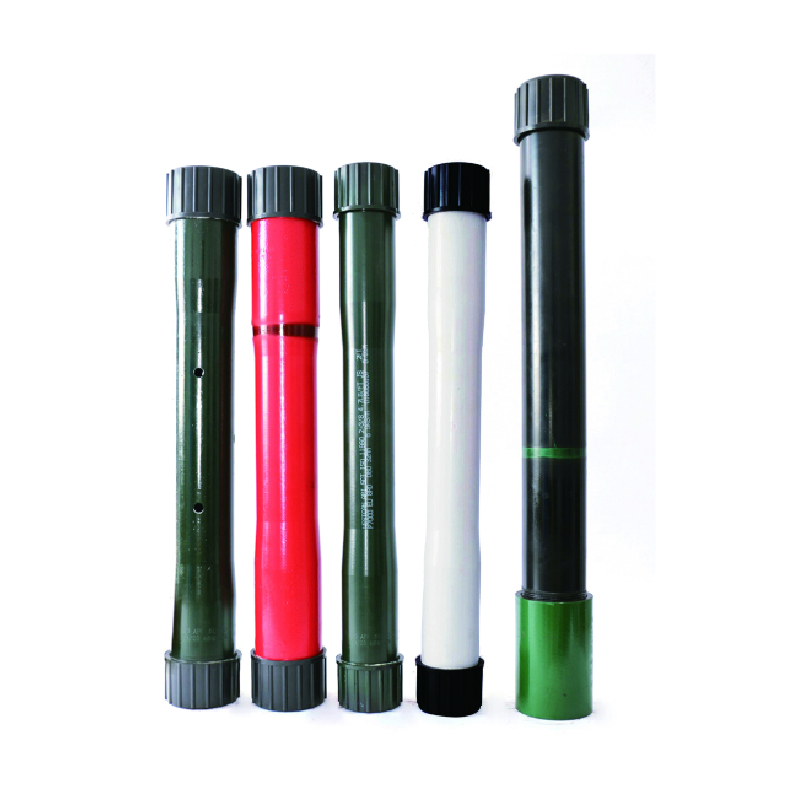
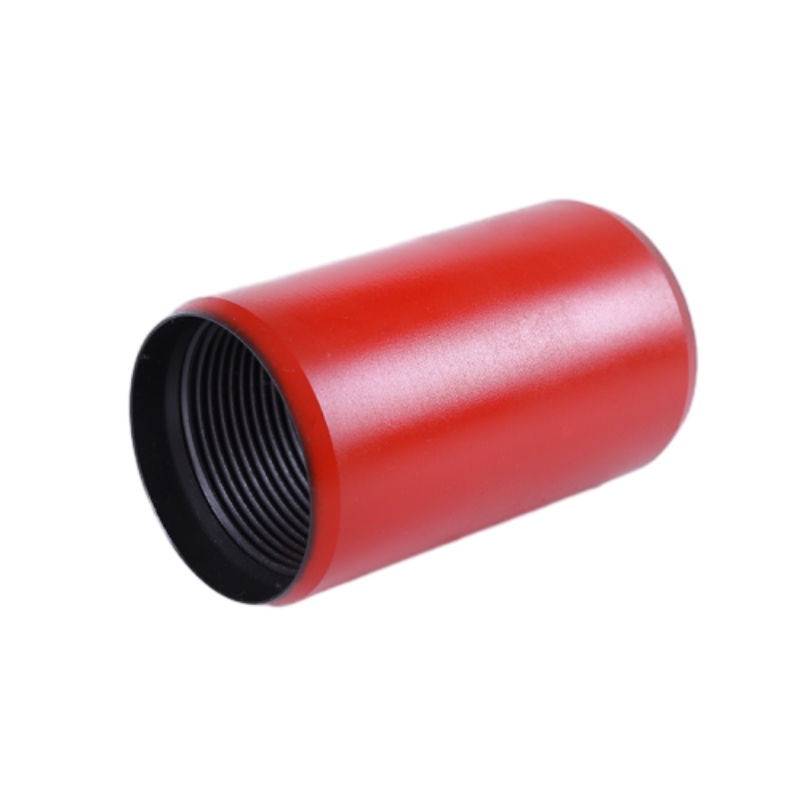
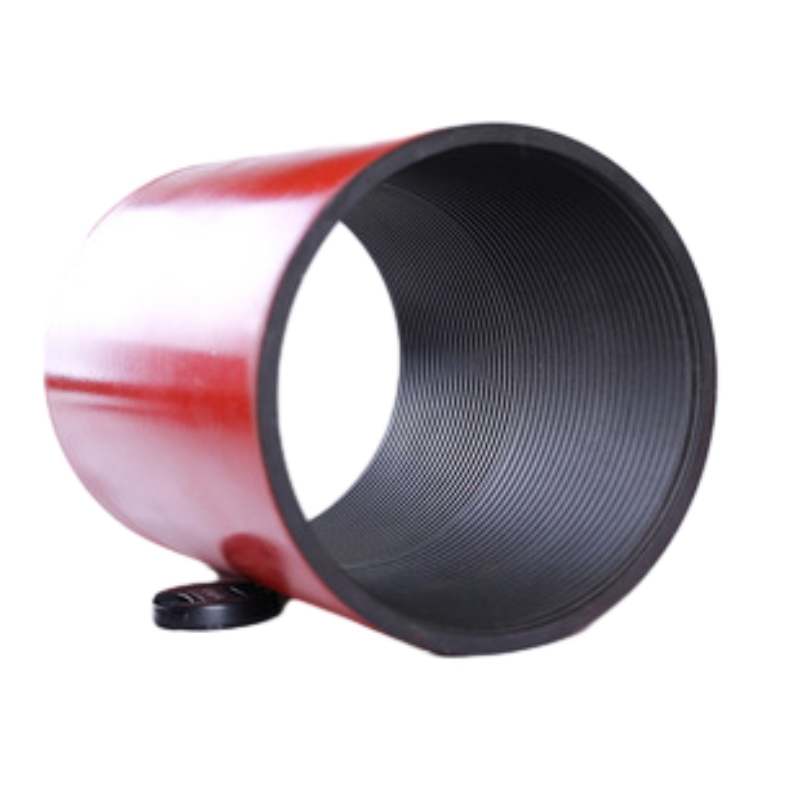
Having spent quite a few years in the industrial equipment sector, especially around oilfield tubular goods, I’ve seen firsthand how critical the choice of a API 5CT coupling can be. For those not deep in the field, these couplings aren’t just hardware – they’re the silent workhorses connecting casing and tubing, basically holding entire well structures together under some seriously punishing conditions.
Oddly enough, many newcomers underestimate how much design and material science goes into these couplings. Back when I was starting out, I thought a coupling was just a metal sleeve – but after dirt time with inspections and specs, it felt like unlocking a whole new language. You know, steel grades, tensile strength, thread types... All these factors really matter when the equipment faces tens of thousands of pounds per square inch, often deep underground, subjected to corrosive fluids and abrupt pressure changes.
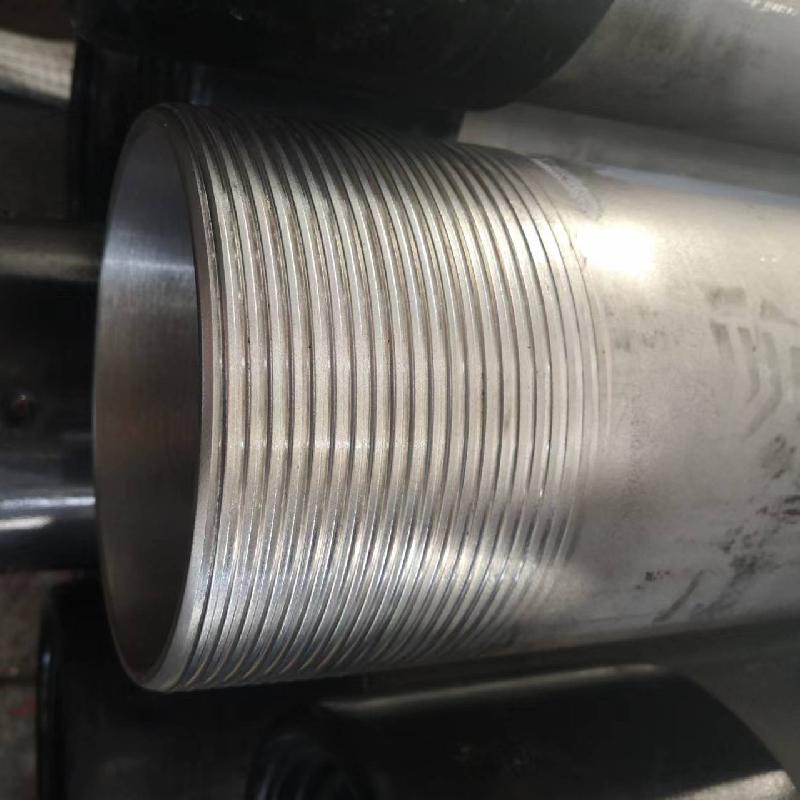
Manufactured according to the API 5CT specification, these couplings conform to rigorous standards ensuring compatibility and mechanical integrity. The specification classifies materials into grades like J55, N80, L80, C90, and more, each designed for different temperature, pressure, and corrosion resistance requirements. The coupling threads must align perfectly with tubing or casing threads to prevent leaks or failures, so standards are strict.
| Specification | Typical Value |
|---|---|
| Material Grades | J55, N80, L80, C90, P110 |
| Tensile Strength | 75,000 - 110,000 psi (varies by grade) |
| Thread Type | API Buttress (API Round, Buttress, or Other Variations) |
| Length | Varies: 8” to 24” typically |
| Application Pressure | Up to 15,000 psi and beyond |
From my experience, many engineers say the real challenge beyond specs is ensuring consistency at scale. Producing these couplings with close tolerances and flawless thread geometry isn’t trivial. In real terms, a slight misthread can translate to catastrophic failures — not a risk to take lightly. Testing protocols like full-body ultrasonic inspections and threaded joint torque testing are industry staples to validate each batch.
Customization is another interesting angle. Some customers want specialized coatings or heat treatments to boost corrosion resistance, especially when running wells with sour gas or high H2S content. I recall on one project for a Middle East oilfield, the operator requested a proprietary coating that would resist both chlorides and abrasion – a rare ask but critical for their formation conditions. It’s proof that even standard API 5CT couplings can be tailored, depending on well environment.
| Feature | WJ Petroleum | Competitor A | Competitor B |
|---|---|---|---|
| Material Range | J55 to P110 | J55 to L80 | J55 to N80 |
| Custom Coatings | Available | Limited | No |
| Thread Quality Inspection | 100% UT and visual | Sample Based | Visual Only |
| Delivery Time | 4-6 weeks | 6-8 weeks | 5-7 weeks |
| Pricing | Competitive | Premium | Budget |
One particular client anecdote sticks with me: a drilling company in West Texas faced repeated casing thread galling because they used subpar couplings from a cheaper supplier. After switching to high-quality API 5CT couplings from WJ Petroleum, the thread damage plummeted. Their downtime shortened drastically — a real eye-opener on why coupling quality can’t be an afterthought.
So, if you’re in the market for reliable, API-certified couplings, pay attention to the source, the grade options, testing regimes, and the ability to adapt products to your well conditions. It all adds up to safety, performance, and peace of mind – plus, frankly, fewer midnight calls worrying about a leak downhole.
In the end, every coupling is a small but mighty piece of a very complex puzzle. And having worked alongside these components enough, I can tell you: no detail is too small when your job literally hangs on a thread.
References:
- API Spec 5CT – Specification for Casing and Tubing
- “Mechanical Properties and Thread Design for Oilfield Couplings,” Oilfield Tech Journal, 2021
- WJ Petroleum Product Catalog & Inspection Reports, 2023
-
The Ultimate Industrial Guide to using مفصل الجرو Swivel JointsNewsApr.16,2026
-
Comprehensive Guide to api الجرو المشترك in Industrial ApplicationsNewsApr.09,2026
-
Comprehensive Guide to Puppy Joint Health with غلاف مفصل الجرو SupplementsNewsApr.07,2026
-
Optimizing Oilfield Performance with تمرير المفاصل الجرو and WJ Petroleum ExpertiseNewsApr.04,2026
-
Understanding Puppy Mills ¿qué es un porro de cachorros? Responsible Breeding PracticesNewsMar.31,2026
-
Comprehensive Guide to Perforated Puppy Joints and Long Term Canine HealthNewsMar.28,2026