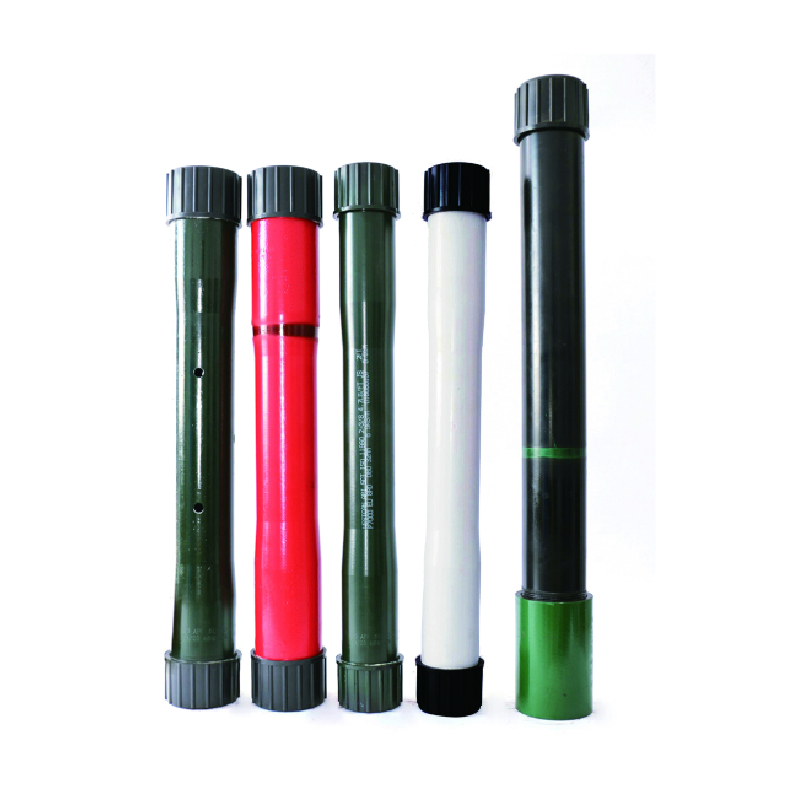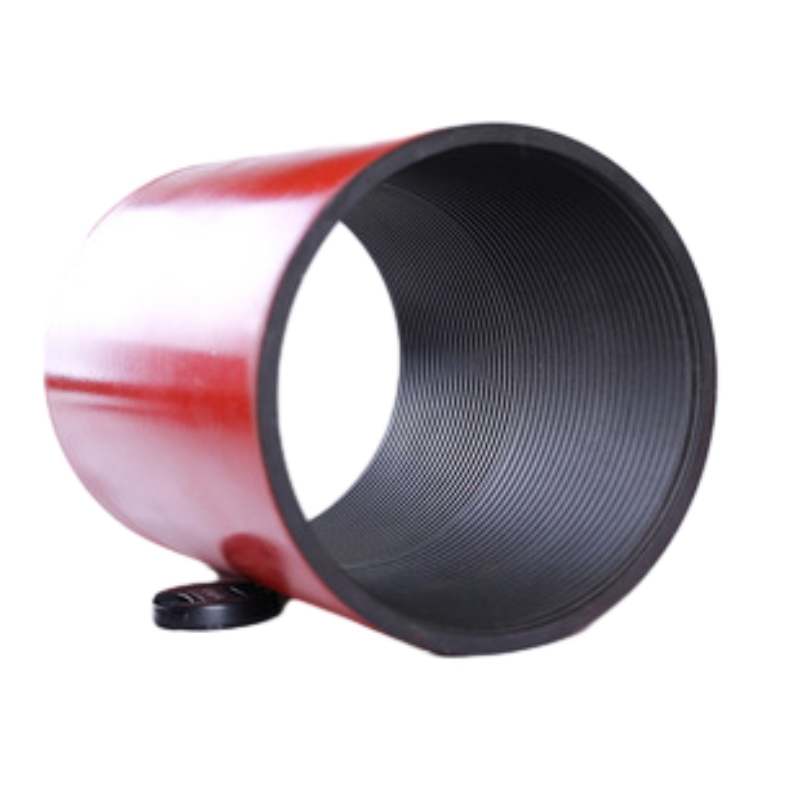


Bull Plug: Essential Industrial Pipe Fitting for Safety & Durability
Bull Plug: A Small Component with Big Industrial Importance
Having spent quite a few years in the industrial equipment sector, I’ve come to appreciate how something as unassuming as a bull plug can actually make or break a piping system. Oddly enough, these little caps are often overlooked — but they play a vital role in ensuring safety, reliability, and efficiency on the job site.
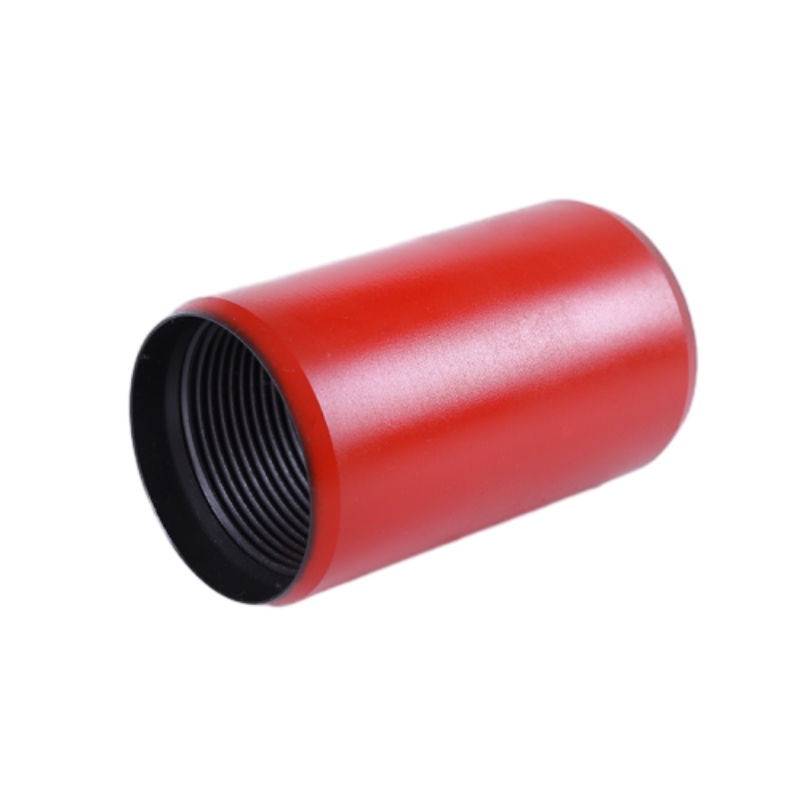
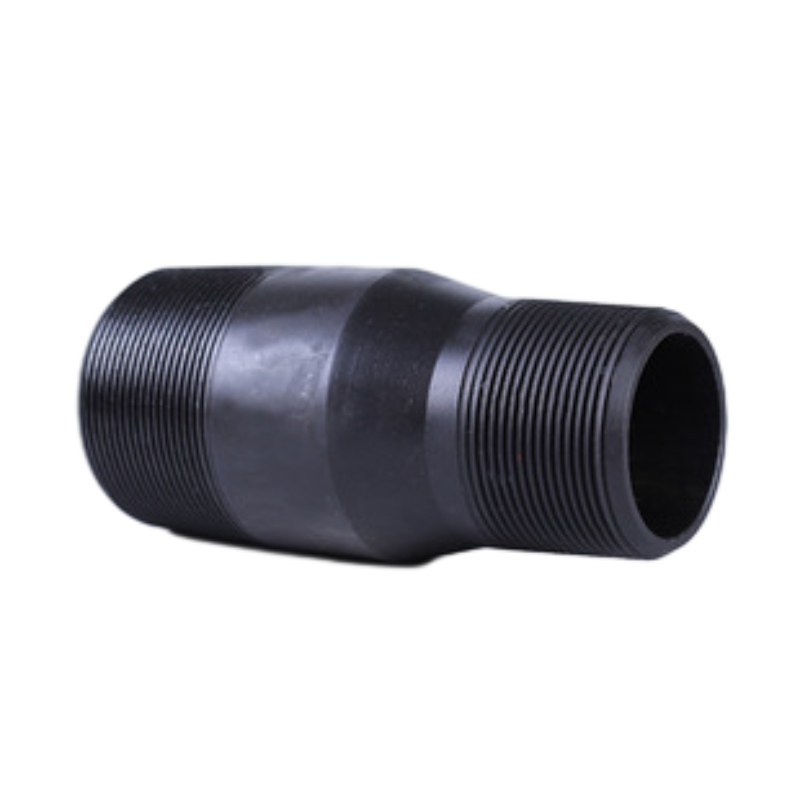
In real terms, a bull plug is basically a robust, solid fitting designed to seal off the end of a pipe. You can think of it as the industrial equivalent of a cork in a bottle — except it has to withstand high pressure, harsh temperatures, and sometimes corrosive environments. It’s one of those straightforward components where the design and material quality matter a lot.
Over the years, I've noticed that materials like forged carbon steel and stainless steel dominate the scene. For instance, forged carbon steel bull plugs offer excellent strength and durability, making them a go-to in oil and gas pipelines or heavy-duty water treatment plants. Stainless steel variants, on the other hand, usually shine when corrosion resistance is a priority, especially in chemical processing facilities.
Many engineers I've worked with emphasize the importance of pressure ratings and certification standards. These plugs typically come rated for classes like 3000, 6000, or even 9000 psi, and they need to comply with ASTM or API codes depending on where they’re applied. Honestly, ensuring they're tested properly before installation saves a lot of headaches and potential leaks later.
Another point worth mentioning: customization. Industrial operations often have unique requirements, so bull plugs are sometimes made to order with specific threads, size increments, or surface finishes. I suppose it’s this flexibility that keeps them relevant across so many industries — from refining to power generation.
Bull Plug Product Specifications
| Specification | Details |
|---|---|
| Material | Forged Carbon Steel, Stainless Steel |
| Pressure Rating | Class 3000, 6000, 9000 psi |
| Size Range | 1/2" to 12" NPT or BSP threads |
| End Connection | Threaded Female |
| Standards | ASTM A105, API 6A |
| Surface Finish | Galvanized, Black, Polished |
Comparing Bull Plug Vendors: What to Look For
| Vendor | Material Quality | Certifications | Customization | Lead Time |
|---|---|---|---|---|
| Vendor A | High-grade forged steel | API 6A, ISO 9001 | Available | 2-3 weeks |
| Vendor B | Stainless steel & carbon steel | ASTM, ISO 14001 | Limited | 1-2 weeks |
| Vendor C | Mid-grade carbon steel | Basic ASTM | No | 3-4 weeks |
I remember once working on a refinery turnaround where a quick replacement of bull plugs was necessary. The plant engineer remarked how crucial it was to get the right pressure rating and thread type because even a minor fitting mistake could delay the whole operation. Experience tells me that scrimping on such components can never be justified in the field.
So, the takeaway? While it’s tempting to overlook the bull plug as just another pipe cap, it’s anything but. This small but mighty piece keeps unbearable pressure at bay and holds your system integrity intact. If you ever find yourself specifying parts for a pipeline or industrial plant, give bull plugs the careful consideration they deserve. Frankly, investing in quality here saves cost and trouble downstream.
Curious about finding the right bull plug for your application? It pays to explore trusted manufacturers with proven certifications and flexible customization options.
References:
1. ASTM A105 Standard Specification for Carbon Steel Forgings for Piping Applications
2. API 6A Specification for Wellhead and Christmas Tree Equipment
3. Industry discussions and plant visits, 2017-2023
-
The Ultimate Industrial Guide to using مفصل الجرو Swivel JointsNewsApr.16,2026
-
Comprehensive Guide to api الجرو المشترك in Industrial ApplicationsNewsApr.09,2026
-
Comprehensive Guide to Puppy Joint Health with غلاف مفصل الجرو SupplementsNewsApr.07,2026
-
Optimizing Oilfield Performance with تمرير المفاصل الجرو and WJ Petroleum ExpertiseNewsApr.04,2026
-
Understanding Puppy Mills ¿qué es un porro de cachorros? Responsible Breeding PracticesNewsMar.31,2026
-
Comprehensive Guide to Perforated Puppy Joints and Long Term Canine HealthNewsMar.28,2026