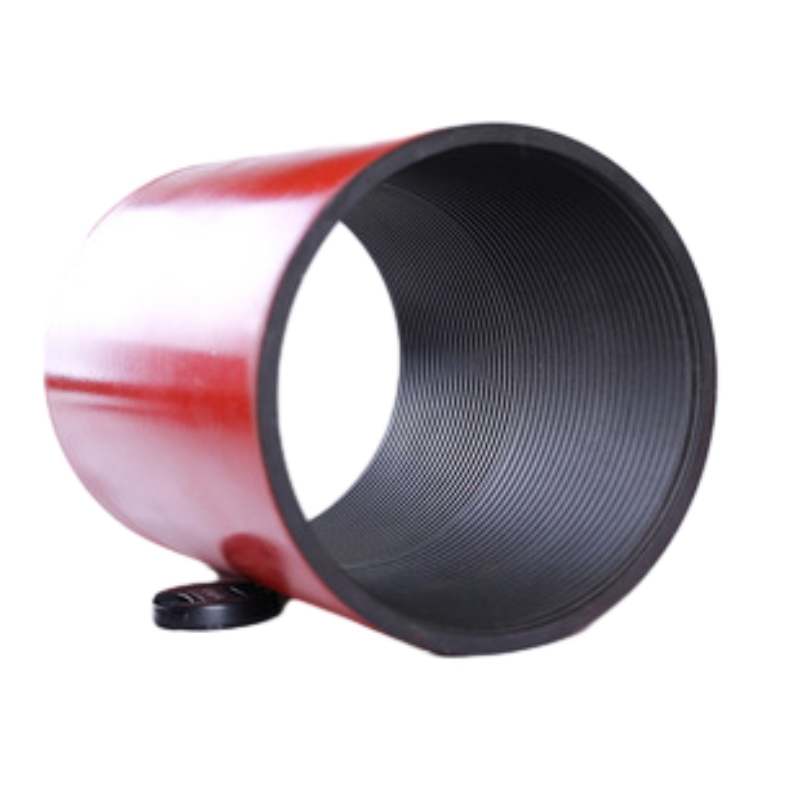


Bull Plugs: Durable Industrial Solutions for Oil & Gas and Pipeline Sectors
Bull Plugs is a key solution in the industry, specifically within oil and gas, petrochemical, and pipeline sectors. This article explores how https://www.wjpetroleum.com supports professionals with durable, high-performance products, and explains why this product is an ideal choice for businesses in these sectors.
Table of Contents
- Bull Plugs Overview
- Benefits & Use Cases of Bull Plugs
- Cost, Maintenance & User Experience
- Sustainability & Market Trends
Bull Plugs Overview
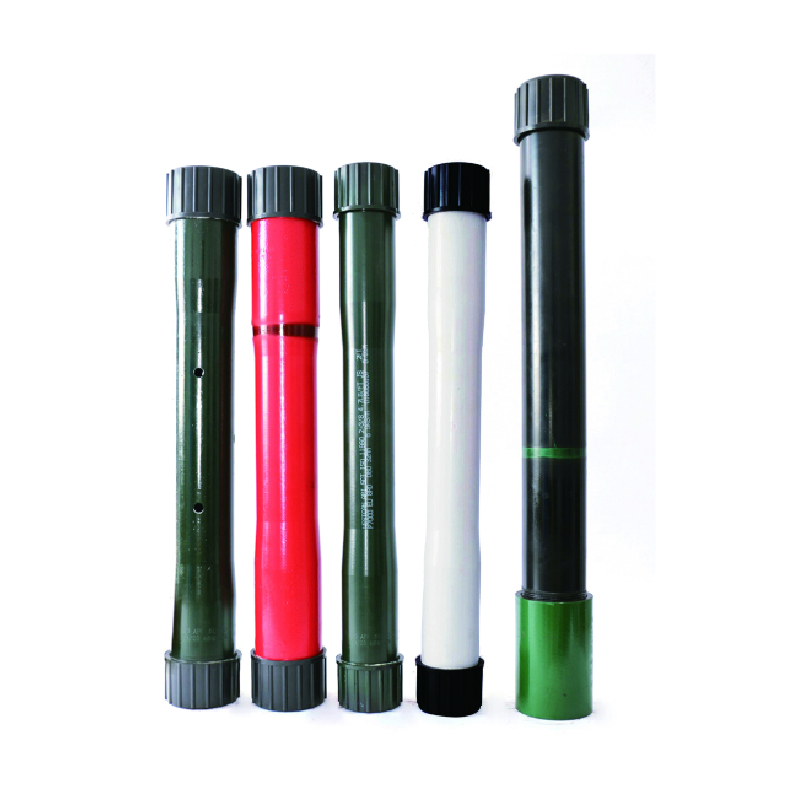
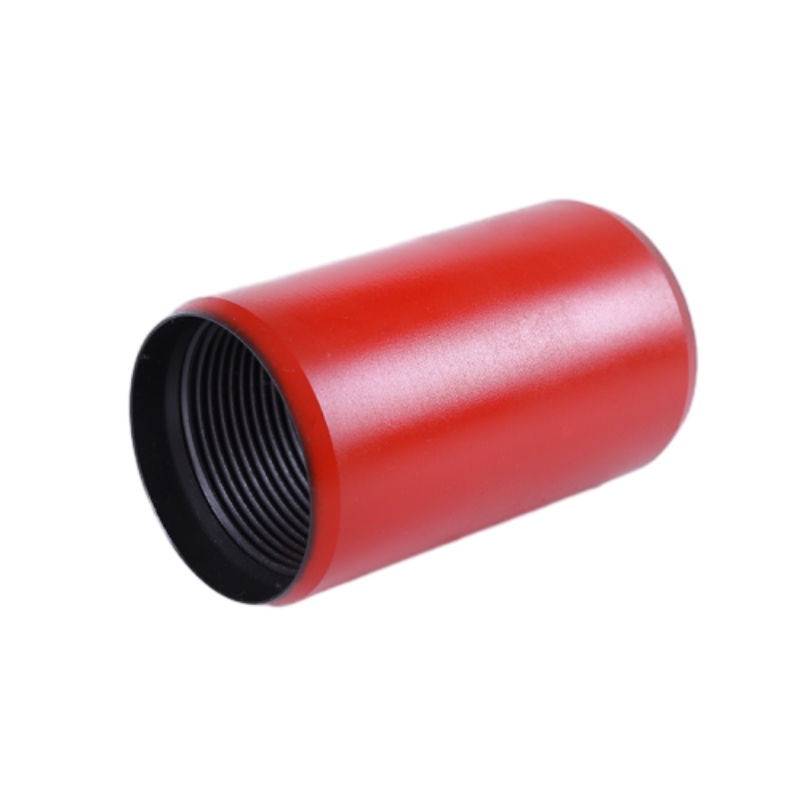
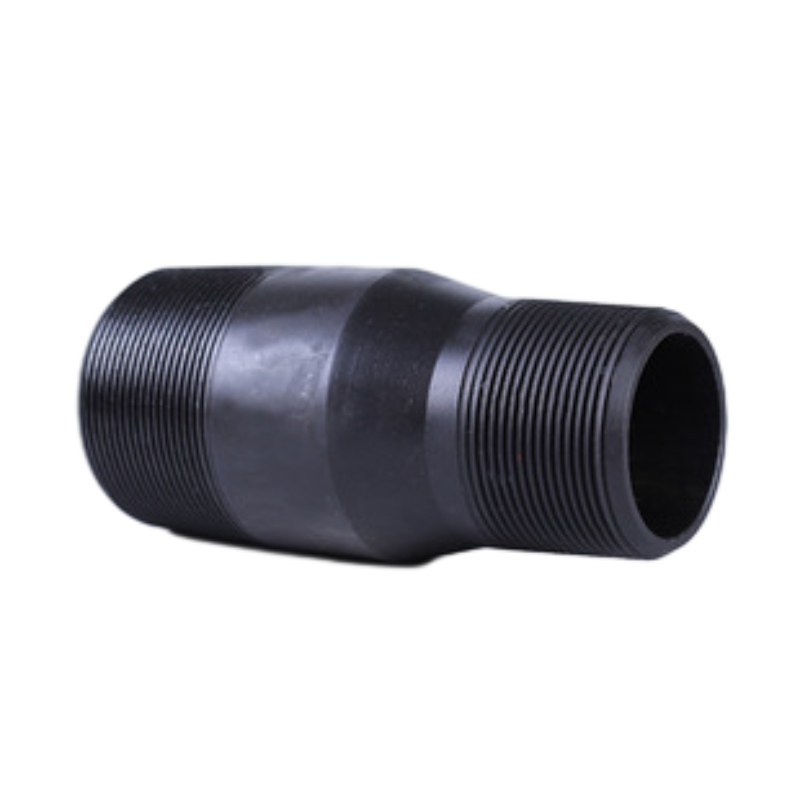
Bull plugs, strangely named but incredibly practical, are devices used to seal off the ends of pipes, valves, or fittings — a vital part of many industrial systems. In the oil and gas sector, for example, they prevent leaks, protect equipment during pressure tests, or allow segments of pipeline to be safely isolated. I’ve noticed many engineers specifically praise how these components reduce risk in often unpredictable conditions.
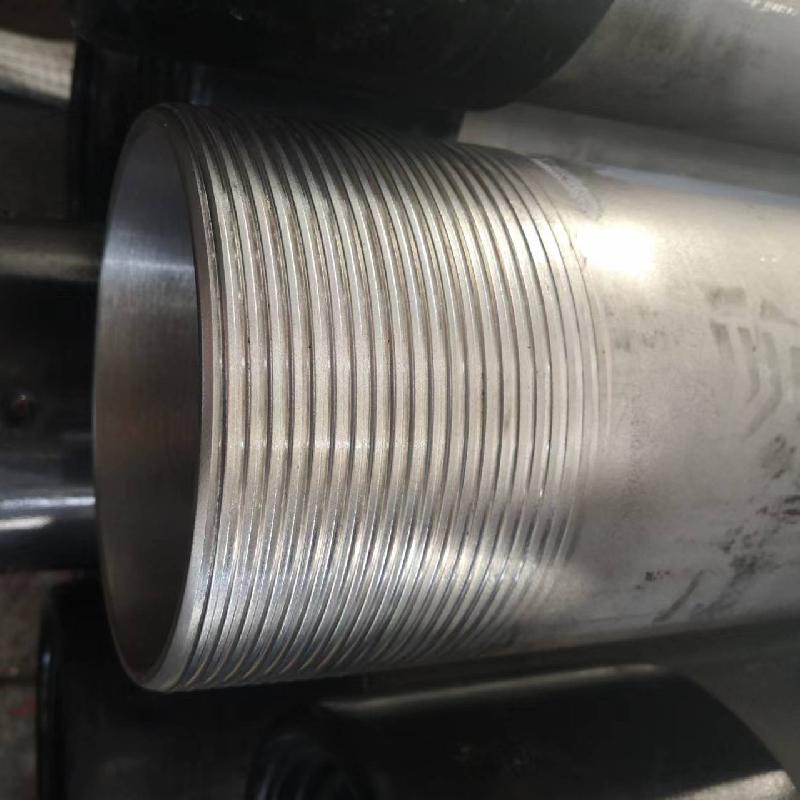
Technically, bull plugs are forged from high-strength steel alloys, usually compliant with industry standards like ASTM and API specifications. The precise dimensions, pressure ratings, and connection types can vary, depending on the application, but the goal is consistent: reliability under extreme pressure and corrosive environments. To illustrate, take a look at typical specs below.
| Specification | Typical Value |
|---|---|
| Material | Carbon Steel / Alloy Steel |
| Pressure Rating | Up to 10,000 PSI |
| Connection Type | Butt Weld / Threaded |
| Size Range | 1/2" to 48" NPS (Nominal Pipe Size) |
| Standards | API 6A, ASTM A105, ASME B16.11 |
Benefits & Use Cases of Bull Plugs
Bull plugs’ uses are pretty broad, yet very precise in context. Within oil and gas drilling, these plugs are deployed to cap off open pipe ends during pressure testing or maintenance. In pipeline construction, they act as temporary seals for unused line ends or to isolate faults. Frankly, in each case, they mitigate environmental hazards and potential equipment damage.
Some features that really set these bull plugs apart include their exceptional strength-to-weight ratio and corrosion resistance, thanks to surface treatments like galvanization or special coatings. What struck me, especially after speaking to suppliers at WJ Petroleum, is how enhanced manufacturing techniques — like forging rather than casting — give their bull plugs a clear edge in longevity and performance under stress.
Comparison of Bull Plugs Vendors
| Vendor | Material Quality | Customization Options | Lead Time | After-Sales Support |
|---|---|---|---|---|
| WJ Petroleum | High-grade steel with certifications | Full range from standard to custom | 4-6 weeks | Comprehensive technical assistance |
| Vendor B | Standard carbon steel | Limited sizing options | 6-8 weeks | Basic support only |
| Vendor C | Alloy steels with partial certifications | Custom orders available but higher cost | 8-10 weeks | Customer inquiry-based service |
Cost, Maintenance & User Experience
In real terms, buying bull plugs isn’t just about the sticker price, but the total cost of ownership (TCO). That includes how long they last, how often you must replace or service them, and their effect on operational downtime. Many industrial buyers I know tend to focus on durability, because prolonged service ability directly translates into fewer shutdowns and lower labor costs.
User feedback, especially from firms using https://www.wjpetroleum.com, often highlights the excellent ROI due to the product’s resistance to corrosion and pressure fatigue. One refinery operator said their switch to these bull plugs cut replacement cycles almost in half. Obviously, that’s a pretty big deal. Plus, thanks to better surface finishes, cleanup and maintenance is easier, so crews spend less time fussing over fittings.
Sustainability & Market Trends
Sustainability in the industrial parts sector is something of an emerging story. The push for greener operations and stricter environmental regulations means bull plugs must meet tougher standards for materials and manufacture. Suppliers like WJ Petroleum are increasingly offering products with recyclable materials and minimal waste processes—small steps that can add up when deployed across large projects.
Oddly enough, even market demand is growing, as new infrastructure investments and pipeline maintenance projects gain urgency worldwide. Demand for high-performance, durable components like bull plugs reflects that. And while price pressures exist, quality still sways decisions—many industry insiders believe you get what you pay for, especially when leaks or failures would cost orders of magnitude more to fix.
Frequently Asked Questions about Bull Plugs
- What is Bull Plugs and how does it work?
- Bull plugs are essentially end caps used to seal the ends of pipe sections or valves, preventing fluid or gas flow. They’re commonly welded or threaded onto pipe ends to provide a reliable, pressure-tight barrier during testing, maintenance, or temporary shutdowns.
- What are the main benefits of using Bull Plugs in industrial applications?
- They offer durability under high pressure and corrosive environments, help reduce operational risks, and improve maintenance efficiency. Their design also optimizes cost-effectiveness by extending service life and minimizing downtime.
- How does Bull Plugs compare to traditional alternatives?
- Compared to basic pipe caps or plugs, bull plugs typically feature higher-strength materials and tighter manufacturing tolerances. This translates to better resistance to pressure, temperature, and chemical exposure, vital in demanding industries.
- What industries can benefit most from Bull Plugs implementation?
- Industries like oil and gas, petrochemical, pipeline construction, and waterworks rely heavily on bull plugs to maintain safety and operational integrity during testing and maintenance phases. Success stories abound where their use has prevented costly leaks and shutdowns.
Conclusion on Bull Plugs from china
To sum it up, bull plugs may seem like small components on the surface, but their role in ensuring safe and efficient industrial operations is huge. For B2B decision makers scouting for reliable, well-engineered solutions, considering the right vendor can make all the difference. I’d suggest checking out what https://www.wjpetroleum.com offers — their product quality and service support make a clear impression.
- Bull plugs deliver crucial sealing, safety, and longevity at cost-effective prices.
- Visit our website: https://www.wjpetroleum.com
References:
1. API Specifications for Pipeline Equipment
2. ASTM Standards for Alloy Steel Forgings
3. Industry case reports from oil & gas maintenance forums
-
The Ultimate Industrial Guide to using مفصل الجرو Swivel JointsNewsApr.16,2026
-
Comprehensive Guide to api الجرو المشترك in Industrial ApplicationsNewsApr.09,2026
-
Comprehensive Guide to Puppy Joint Health with غلاف مفصل الجرو SupplementsNewsApr.07,2026
-
Optimizing Oilfield Performance with تمرير المفاصل الجرو and WJ Petroleum ExpertiseNewsApr.04,2026
-
Understanding Puppy Mills ¿qué es un porro de cachorros? Responsible Breeding PracticesNewsMar.31,2026
-
Comprehensive Guide to Perforated Puppy Joints and Long Term Canine HealthNewsMar.28,2026