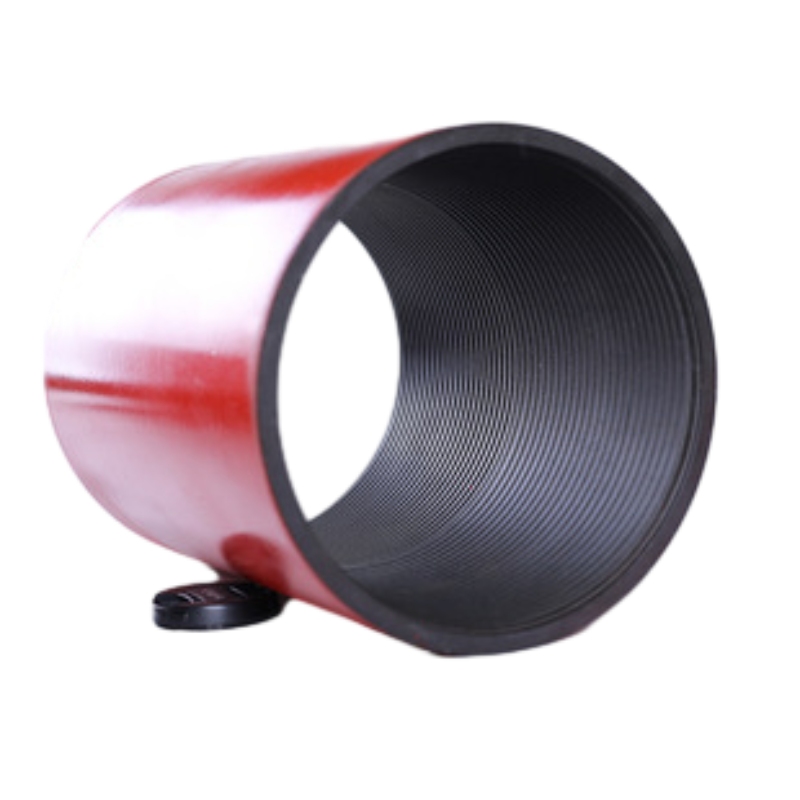


Comprehensive Guide to cabezal de pozo con tapón de toro – Wellhead Solutions & Safety
Understanding cabezal de pozo con tapón de toro: Why It’s a Game-Changer in Wellhead Technology
At first glance, the term cabezal de pozo con tapón de toro might seem like a mouthful reserved for drilling engineers or petroleum specialists. But in reality, it’s a critical component appreciated globally in ensuring safety and efficiency in well operations. Simply put, this specialized wellhead assembly plays a big role in controlling well pressure and providing a secure seal, which can literally mean the difference between a clean operation and environmental or financial disaster.
Understanding this kind of technology matters not only because it supports the energy supply we all depend on but also because it aligns with global efforts to increase safety standards and sustainability in extractive industries. As resource demand climbs and drilling goes deeper or into more challenging environments, the reliability and innovation embodied in these systems become crucial.
Global Context: The Rising Importance of cabezal de pozo con tapón de toro
The oil and gas industry contributes roughly 3% to the global GDP, with billions invested annually in drilling infrastructure (World Bank, 2023). While automation and green tech seize headlines, the humble wellhead assembly remains an unsung hero in enabling safe and productive operations worldwide. Failures at the wellhead level risk catastrophic blowouts — events the international community, led by ISO standards (ISO 10423:2018, API specs), strictly aims to avoid.
Moreover, the push for more efficient, cost-effective solutions in both onshore and offshore drilling is accelerating interest in advanced wellhead designs. Cabezal de pozo con tapón de toro assemblies help meet these challenges by offering pressure management, quick sealing, and durability — a big concern especially in regions like Latin America and the Middle East, where geological conditions are intense and environmental stakes high.
What Exactly Is a cabezal de pozo con tapón de toro?
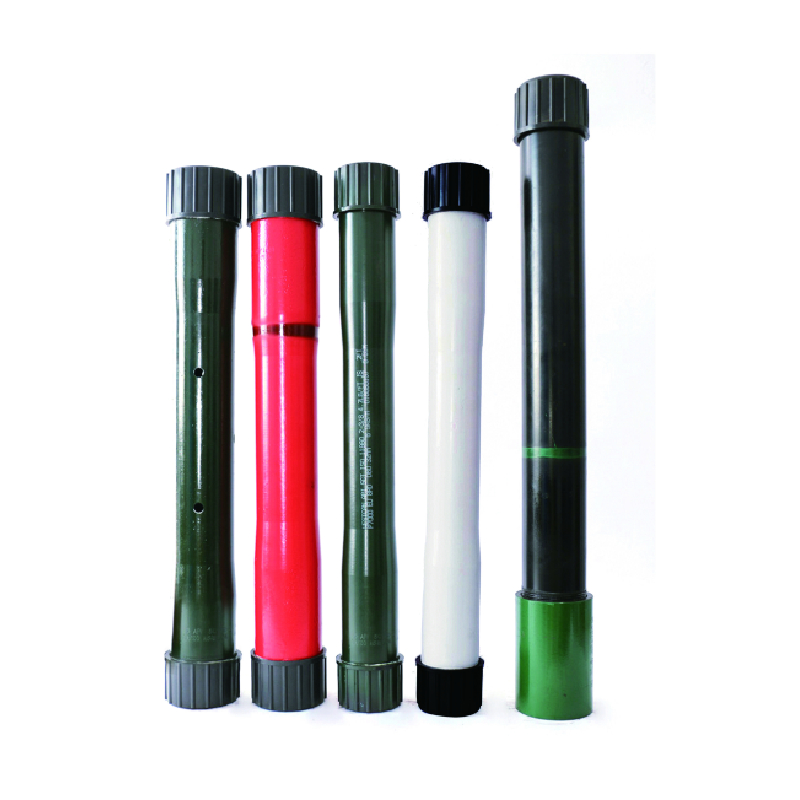
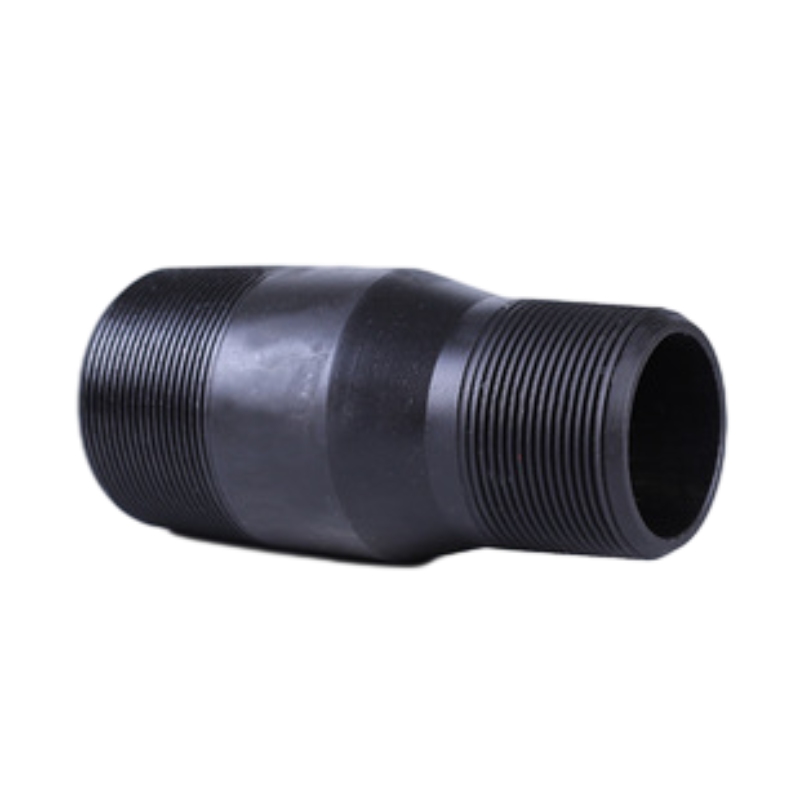
Let’s demystify this. Literally translated, it means "wellhead with a bull plug." The "tapón de toro," or bull plug, is a strong, threaded or welded plug used to seal a wellhead temporarily or permanently. It’s often employed during maintenance, testing, or when a well is temporarily out of service.
Think of the cabezal de pozo as the 'neck' of the well—the critical interface connecting underground well borings to above-ground equipment—while the tapón de toro serves as a robust stopper, safeguarding against pressure escapes or contaminant leaks. This combo is an engineering staple in oilfields and drilling sites worldwide, answering the call for safe interruption points without compromising operational integrity.
Key Components of cabezal de pozo con tapón de toro
Durability & Material Quality
Most wellheads and bull plugs are forged from high-grade steel alloys such as ASTM A105 or A350 LF2. These materials resist corrosion, high pressure, and thermal fluctuations, crucial when dealing with volatile fluids underground.
Pressure Rating & Safety Standards
Whether it’s rated for 5,000 psi or 15,000 psi, the cabezal de pozo must comply with standards such as API 6A, ensuring safe operations under expected well pressures. The tapón de toro’s seal guarantees no leaks during periods when the well is closed or undergoing maintenance.
Ease of Installation & Maintenance
Designs now emphasize modularity and quick coupling systems, reducing downtime. I’ve seen rig crews favor heads that let them swap plugs without full blowout preventer disassembly.
Corrosion Resistance & Longevity
Given the challenging environments—think seawater or sour gas—coatings and stainless steel variants improve lifespan dramatically.
Customization for Specific Well Types
From shallow gas wells to ultra-deep offshore rigs, cabezales with tapones de toro come adapted in sizes (from 4" to 30"+) and configurations to fit unique site needs.
Mini takeaway: In short, these assemblies blend strength, safety, and flexibility—ingredients essential for any well operation that plans to last.
Where in the World Are These Wellheads Making a Difference?
It’s not just a Latin American or Gulf Coast story. These systems find homes in:
- Offshore rigs: The North Sea and Gulf of Mexico rely on robust cabezales with tapones to avoid blowouts in turbulent waters.
- Remote oilfields: Places like Siberia deploy these assemblies to resist extreme cold and harsh conditions.
- Emerging markets: Areas with developing oil infrastructure, including parts of Africa and South America, greatly benefit from cost-effective, dependable components.
In humanitarian contexts, I’ve read about their roles in securing wells providing clean water in underserved regions—tying a tech originally designed for oil to broader sustainable development goals.
Advantages & Long-Term Impact of Using cabezal de pozo con tapón de toro
- Cost-efficiency: Reducing unexpected maintenance saves operators millions.
- Environmental safety: Preventing leaks protects ecosystems and local communities.
- Operational confidence: Engineers and rig managers trust them to hold pressure, buy time, and enable safer workflows.
- Innovation & trust: Using proven, certified components aligns with best practices, which is crucial for corporate reputation.
Honestly, it’s these combined benefits that keep this technology relevant decades after first deployment.
Product Specifications: Typical cabezal de pozo con tapón de toro
| Specification | Typical Range | Notes |
|---|---|---|
| Material | ASTM A105 Carbon Steel / Stainless Options | Corrosion resistant variants available |
| Pressure Rating | 5,000 - 15,000 psi | API 6A certified |
| Temperature Range | -30°C to 120°C | Depends on material grade |
| Size Range | 4" to 30"+ diameter | Customized per well design |
| Weight | 50-400 kg approx. | Varies by model |
Vendor Comparison: Popular cabezal de pozo con tapón de toro Suppliers
| Vendor | Product Range | Customization | Certifications | Lead Time |
|---|---|---|---|---|
| PetroWell Solutions | Standard & High-pressure Wellheads | High (tailored sizes) | API, ISO 10423 | 6-8 weeks |
| Global Well Tech | Modular Wellheads & Plugs | Medium | API Q1, PED | 5-7 weeks |
| Innovative Oil Components | Custom Alloys and Exotic Materials | Very High | ISO 9001, NORSOK | 8-12 weeks |
Looking Ahead: What’s Next for cabezal de pozo con tapón de toro?
Future innovations might sound a bit sci-fi, but here’s what many engineers and manufacturers are testing now:
- Smart wellheads: Sensors embedded in cabezales that monitor pressure, seal integrity, and corrosion remotely.
- Advanced materials: Composites or nanomaterial coatings to push the durability envelope further and reduce weight.
- Green integration: Designs that support geothermal or hydrogen wells, broadening environmental benefits.
- Faster installation tech: Modular, bolt-together assemblies that speed rig-down and maintenance schedules.
Though some of this sounds aspirational, actual pilot projects are underway — a sign the industry is hungry for change that’s both practical and sustainable.
Facing the Challenges: What Could Go Wrong?
No technology is flawless, obviously. Some common challenges users face with cabezal de pozo con tapón de toro include:
- Corrosion over time: Even premium steel can weaken without proper maintenance.
- Misfit or incompatible parts: Poorly matched components can cause leaks or failure.
- Lead time and cost: Customized solutions can be pricey and take weeks to manufacture.
Fortunately, many firms mitigate these through rigorous testing, standardization, and predictive maintenance, often backed by digital monitoring tech. Choosing suppliers with robust customer support is another vital piece.
FAQ: Your Questions About cabezal de pozo con tapón de toro
What exactly is a cabezal de pozo con tapón de toro used for?
It seals the wellhead safely to control pressure and prevent fluid escape during maintenance or shutdown, ensuring operational safety and environmental protection.
How do I know which size or pressure rating I need?
That depends on well depth, expected pressure, and fluid type. Consulting with technical vendors who follow API and ISO specs will help tailor the right solution.
Can these systems be used in offshore drilling?
Absolutely. Many cabezales with tapones de toro are designed specifically for harsh offshore conditions, with enhanced corrosion resistance and high pressure ratings.
Are there eco-friendly versions of these components?
Manufacturers are developing materials and coatings that extend lifespan and reduce environmental impact. Plus, better sealing means fewer leaks and spills.
Where can I buy these components?
Leading vendors include PetroWell Solutions, Global Well Tech, and Innovative Oil Components. You can explore their offerings or contact suppliers here.
Final Thoughts: Why cabezal de pozo con tapón de toro Deserves Your Attention
It might not be the flashiest piece of equipment at the rig site, but cabezal de pozo con tapón de toro plays a crucial backstage role in energy security, environmental stewardship, and industry innovation. By investing in quality, certified wellheads with reliable bull plugs, operators safeguard their investment, personnel, and reputation for the long haul.
If you’re exploring ways to improve operational safety or upgrade your well infrastructure, do check out detailed product options and expert advice from cabezal de pozo con tapón de toro specialists today. Sometimes, it’s the smallest part that makes the biggest difference.
Mini takeaway: Reliable components make the energy transition easier — and that feels like a win-win for everyone.
References
- ISO 10423:2018 - Petroleum and natural gas industries — Wellhead and christmas tree equipment
- World Bank Oil & Gas Sector Overview
- Wikipedia: Wellhead
Article by an experienced petroleum industry content writer, reflecting on trends and insights April 2024.
-
Tubing Coupling Questions: Uses, Materials and API CompatibilityNewsNov.02,2026
-
Casing Pup Joint Options Compared: Specifications, Materials and Supplier DocumentationNewsOct.28,2026
-
Guide to High Quality 2 inch stainless steel coupling for Oil GasNewsJul.01,2026
-
High Performance 2 inch steel coupling for Oil and Gas OperationsNewsJun.29,2026
-
High Precision 3 8 od copper coupling for Oil and Gas ConnectivityNewsJun.27,2026
-
High Quality 3 inch steel pipe coupling for Oil and Gas ProductionNewsJun.26,2026