

Comprehensive Guide to Tapón de Toro Roscado: Benefits, Specs & Trends
The tapón de toro roscado: Why It Matters Worldwide
If you’ve ever worked with industrial piping or fluid transport systems, you might have bumped into the term tapón de toro roscado — a specialized threaded bull plug — without quite knowing its full significance. Oddly enough, components like these often get overlooked, but they’re quietly essential in everything from oil and gas pipelines to water treatment plants around the world. Understanding the ins and outs of the tapón de toro roscado isn’t just about nuts and bolts; it touches on safety, efficiency, and sustainability on a global scale. Plus, mastering this piece can spell the difference between project delays and seamless operations.
Introduction: Global Context and Challenges
In real terms, the global pipeline and fluid handling industry is expected to surpass $130 billion by 2027, according to a recent Statista report. Within this vast network, the humble threaded bull plug — or tapón de toro roscado — plays a surprisingly critical role. Its job? To securely seal off open ends of pipework and vessels, preventing leaks, contamination, or environmental disasters. This is crucial especially as the world pushes for cleaner water, safer energy, and less harmful emissions.
The challenge is clear: manufacturers and engineers need components that are reliable under pressure, easy to install, and durable in harsh conditions. Poor sealing can lead to costly failures. That’s why the tapón de toro roscado is currently under the spotlight, with innovations promising better performance and longer lifespans.
What Exactly Is a Tapón de Toro Roscado?
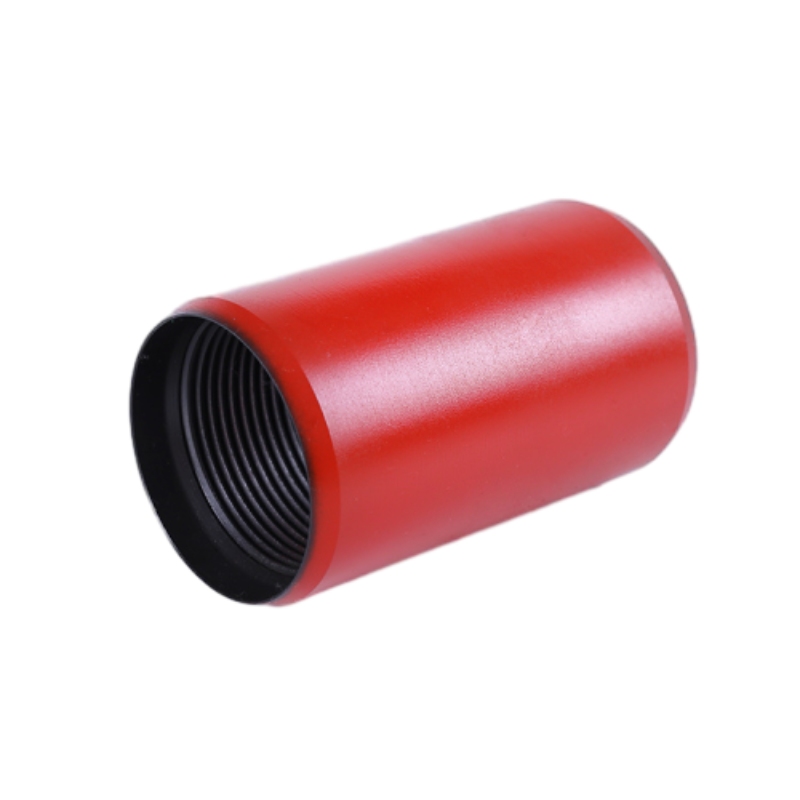
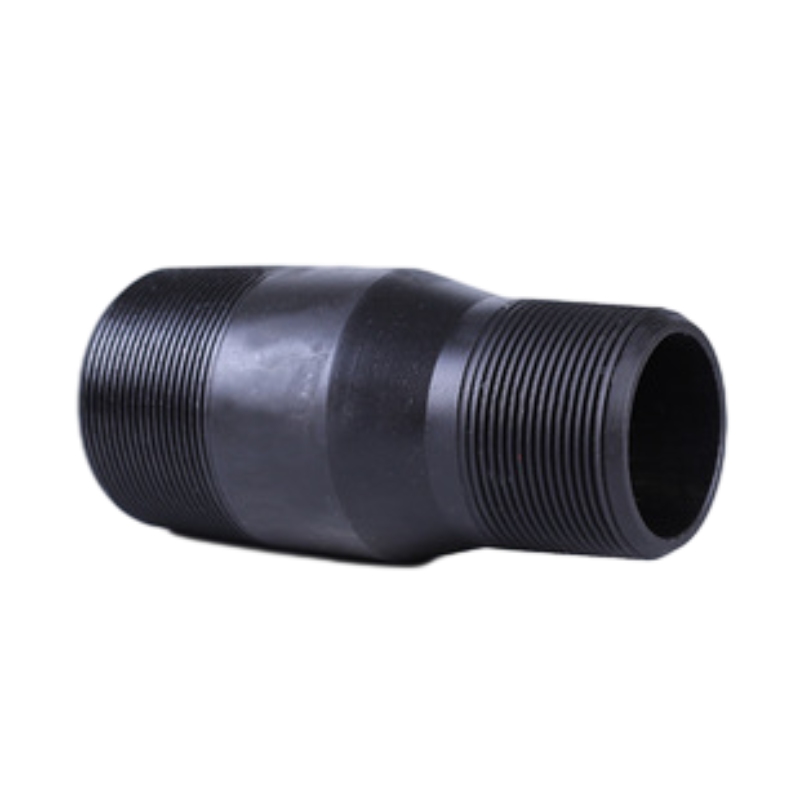
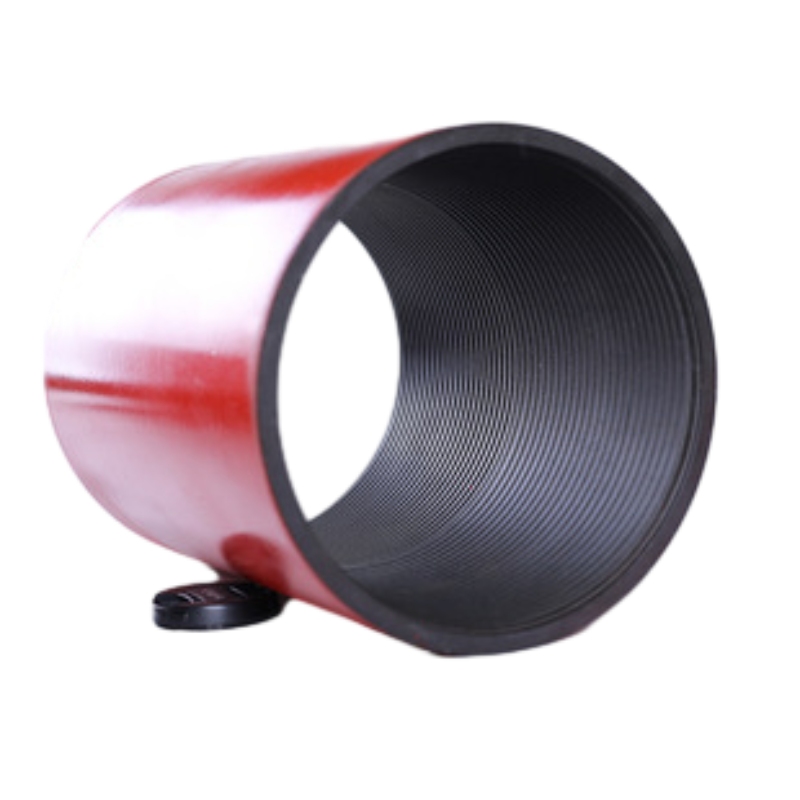
Simply put, the tapón de toro roscado is a type of threaded bull plug used to cap pipe ends securely. “Toro” refers to the bull shape that gives the plug its distinctive thick, rounded form, and “roscado” means threaded — the screw threads ensure a tight, leak-proof fit.
You’ll find them made from materials like carbon steel, stainless steel, or brass. Their threaded design lets technicians twist them onto the pipe’s internal threads, snug as a bug, to effectively seal off sections during maintenance or transport. Surprisingly, these plugs also cater to humanitarian sectors — clean water projects in remote communities rely on them to keep supply lines intact.
Mini takeaway:
The tapón de toro roscado is a deceptively simple, yet essential component across multiple industries, from energy to water treatment. Its threaded nature is key to efficient, leak-free sealing.
Core Components of Tapón de Toro Roscado
1. Durability and Material Quality
Most experts agree: the plug’s material must withstand corrosion, high pressures, and extreme temperatures. Stainless steel variants resist rust, while carbon steel versions provide rugged strength at a more affordable price.
2. Thread Standards and Precision
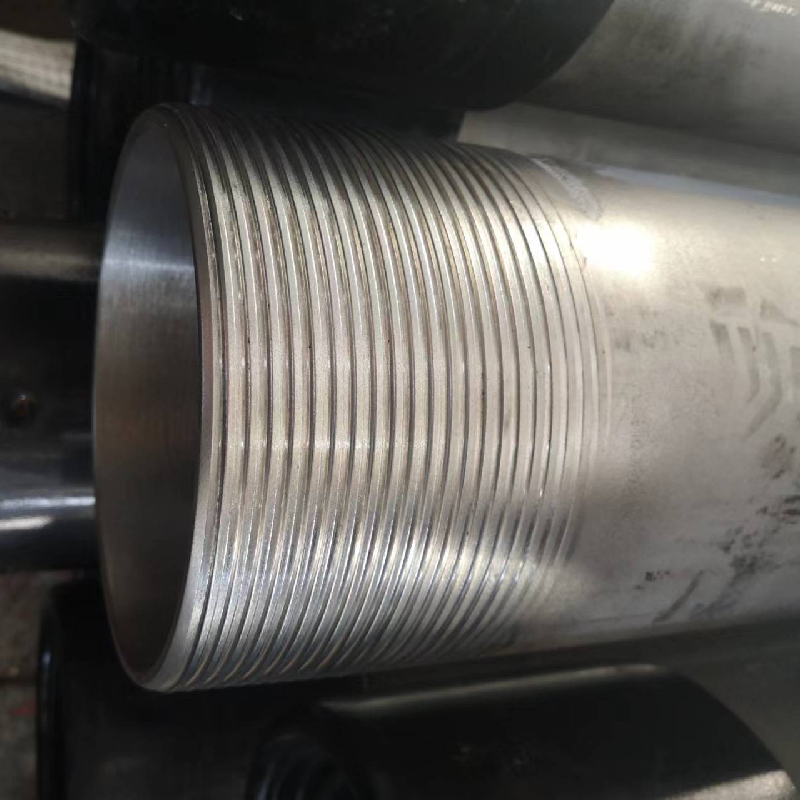
ISO and ANSI standards dictate thread dimensions for compatibility. A misaligned thread, even by a hair, can cause leakages or fitting issues. That’s why precision manufacturing is a must for tapones de toro roscados.
3. Seal Integrity
Some models feature an integrated gasket or secondary sealing layer to double down on preventing leaks. It’s a bit like wearing both a raincoat and carrying an umbrella — redundancy builds confidence.
4. Size and Scalability
From small residential water pipes to jumbo industrial pipelines, the plug sizes vary widely. Manufacturers provide a scalable range, ensuring adaptability across applications.
5. Ease of Installation
Thanks to their threaded design, tapones are often quick to install, even in tight or remote locations. This saves time and labor costs — something every project manager craves.
Mini takeaway:
Looking under the hood reveals a delicate balance of material science, precision engineering, and user-focused design — all wrapped into a compact, threaded bull plug.
Global Applications & Use Cases of Tapón de Toro Roscado
In real-world settings, tapones de toro roscados show up in a surprisingly broad range of places:
- Oil & gas extraction sites: sealing pipeline ends during maintenance to prevent spills.
- Water supply networks: capping off unused pipe stubs to ensure hygienic water flows.
- Industrial manufacturing: temporarily blocking off sections during equipment upgrades.
- Disaster relief efforts: in flood-prone areas, these plugs help isolate contaminated water lines.
- Remote installations in Africa and South America: NGOs rely on easy-to-install components to fast-track clean water projects.
For example, a major clean water initiative in Peru credited quality tapones for reducing leakage rates by nearly 40%, saving thousands of gallons daily.
Mini takeaway:
From industrial giants to NGOs in developing nations, the tapón de toro roscado quietly proves its value by ensuring pipes stay sealed and systems remain safe.
Advantages & Long-Term Value of Using a Tapón de Toro Roscado
Putting it bluntly: investing in high-quality tapones pays dividends. Here’s why:
- Cost efficiency: Its reusability and durability reduce frequent replacements and maintenance costs.
- Sustainability: Less leakage means fewer wasted resources — critical as industries pivot to greener practices.
- Safety & reliability: Prevents hazardous leaks that pose risks to workers and communities.
- Social impact: Ensures safe drinking water access in vulnerable populations.
- Trust & innovation: Modern designs incorporating digital sensors are emerging, enabling condition monitoring and predictive maintenance.
Product Specification Table
| Specification | Typical Value/Feature |
|---|---|
| Material | Carbon Steel / Stainless Steel / Brass |
| Thread Standard | ISO 7-1 / ANSI B1.20.1 (NPT) |
| Pressure Rating | Up to 3000 PSI (varies by material) |
| Temperature Range | -40°C to 400°C |
| Sizes Available | 1/8 inch – 12 inches nominal diameter |
| Coating Options | Galvanized, Epoxy, Phosphate, None |
Vendor Comparison: Choosing the Right Supplier
| Feature | Supplier A | Supplier B | Supplier C |
|---|---|---|---|
| Material Range | Steel, Brass | Steel only | Steel, Brass, Aluminum |
| Custom Thread Options | Yes | No | Yes |
| Lead Time | 2 weeks | 4 weeks | 3 weeks |
| Price Range (per unit) | $$ | $ | $$$ |
| Warranty | 2 years | 1 year | 3 years |
Future Trends & Innovations
The tapón de toro roscado is not staying frozen in time. In fact, many manufacturers are exploring:
- Smart sensors integration: Embedding IoT devices to monitor pressure or wear remotely.
- Eco-friendly materials: Using recycled metals or corrosion-resistant alloys that require less maintenance.
- Advanced coatings: Nanotechnology-based layers that self-heal minor abrasions or prevent biofouling.
- Automation in manufacturing: Precision robotics lowering costs and improving thread accuracy.
Such innovations could halve downtime in some sectors or significantly reduce environmental spill risks.
Common Challenges and How to Overcome Them
Naturally, no product is perfect. Tapones can face issues like thread galling, inaccurate sizing, or corrosion in extremely hostile environments. The secret to overcoming these problems? Experts suggest:
- Strict adherence to international thread standards.
- Routine inspection and timely replacement schedules.
- Choosing materials tailored to environmental conditions.
- Training technicians on proper installation torque and handling.
With these strategies, the tapón de toro roscado can remain a bulletproof component in your system.
Frequently Asked Questions About Tapón de Toro Roscado
- Q1: What materials are best for tapones de toro roscados in salty or coastal areas?
- A: Stainless steel (specifically grades like 316) is preferred for coastal environments due to its excellent corrosion resistance. Brass can be used but tends to degrade faster. Protective coatings also help extend life in salty air.
- Q2: Can tapones de toro roscados be reused after removal?
- A: Generally, yes. As long as the thread integrity is intact and there’s no visible damage, you can reuse them safely. However, it’s best practice to inspect and, if necessary, apply fresh sealing compounds upon reinstalling.
- Q3: How do I know if a tapón de toro roscado fits my pipe correctly?
- A: Verify the thread type (NPT, BSP, etc.) and size match your pipe specifications. Using manufacturers’ charts or consulting with suppliers can prevent misfits and leaks.
- Q4: Are there alternatives to threaded bull plugs for sealing?
- A: Yes, welded caps or flanged blind flanges exist, but they typically require more time and equipment to install or remove. Threaded plugs provide greater flexibility, especially for temporary uses.
- Q5: Can NGOs import tapones de toro roscados for humanitarian projects?
- A: Absolutely. Many manufacturers have distribution channels worldwide and supply international organizations. It’s recommended to check compliance with local regulations and customs requirements.
Conclusion: Why Tapón de Toro Roscado Deserves Your Attention
In closing, tapones de toro roscados might not make headlines, but they form the unsung backbone of many critical infrastructure projects. Their blend of durability, ease of use, and adaptability means fewer headaches for engineers, safer environments for communities, and more efficient systems globally. If your next project demands reliability and peace of mind, a quality tapón de toro roscado should be on your checklist.
Want to learn more or explore options? Visit our website: tapón de toro roscado for industry-leading products and expert advice.
Quick Takeaways:
- The threaded bull plug is critical for sealing and safety in fluid systems worldwide.
- Material choice and precision threading determine how well these plugs perform.
- Innovations point toward smarter, greener tapones in the near future.
References:
-
Tubing Coupling Questions: Uses, Materials and API CompatibilityNewsNov.02,2026
-
Casing Pup Joint Options Compared: Specifications, Materials and Supplier DocumentationNewsOct.28,2026
-
Guide to High Quality 2 inch stainless steel coupling for Oil GasNewsJul.01,2026
-
High Performance 2 inch steel coupling for Oil and Gas OperationsNewsJun.29,2026
-
High Precision 3 8 od copper coupling for Oil and Gas ConnectivityNewsJun.27,2026
-
High Quality 3 inch steel pipe coupling for Oil and Gas ProductionNewsJun.26,2026