

Definición de Tapón de Toro: Essential Guide to Industrial Plugs for Safety and Performance
The Essential Guide to Definición de Tapón de Toro: Why It Matters Worldwide
If you’re hearing definición de tapón de toro for the first time, don’t worry — it’s a niche topic that’s surprisingly impactful across many industries globally. In simple terms, a “tapón de toro” (bull plug in English) is a crucial component in pipework and wellhead operations, mainly in the oil, gas, and petrochemical sectors. But beyond just a piece of hardware, understanding its definition, design, and usage unlocks major benefits: safer operations, better containment of hazardous materials, and improved environmental outcomes. Globally, as energy and industrial infrastructures expand, knowing the ins and outs of this component is a must for engineers, safety managers, and environmental stewards alike.
Mini takeaway: The definición de tapón de toro isn’t just jargon — it’s a linchpin for safety and efficiency in critical infrastructure worldwide.
Global Context: Why the Tapón de Toro is a Silent Hero in Industry
Today’s interconnected economies rely heavily on pipelines and industrial plants running smoothly — and those systems run under complex, often high-pressure conditions. According to the International Energy Agency (IEA), almost 70% of global oil and gas extraction depends on equipment that ensures containment and safety, with wellheads having to meet strict ISO standards (such as ISO 10423). The tapón de toro, fundamentally, helps close off sections of piping or wellheads securely to prevent leaks or uncontrolled flow.
While it might seem minor, failures around these fittings lead to leaks, spills, and sometimes catastrophic blowouts — issues recognized by bodies like the United Nations Environment Programme (UNEP) as major environmental threats. With rising safety and environmental standards worldwide, industries are pushing for higher quality and better design in these components.
Mini takeaway: Even a small fitting like a tapón de toro has a global ripple effect if it fails — from local ecosystems to international climate goals.
What Exactly is a Tapón de Toro? Breaking Down the Definition
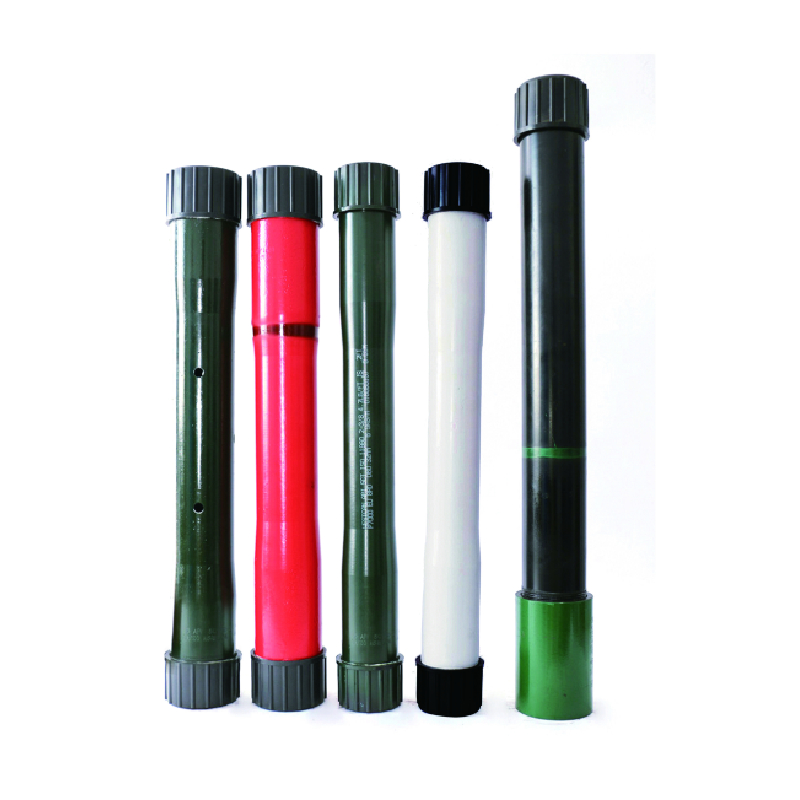
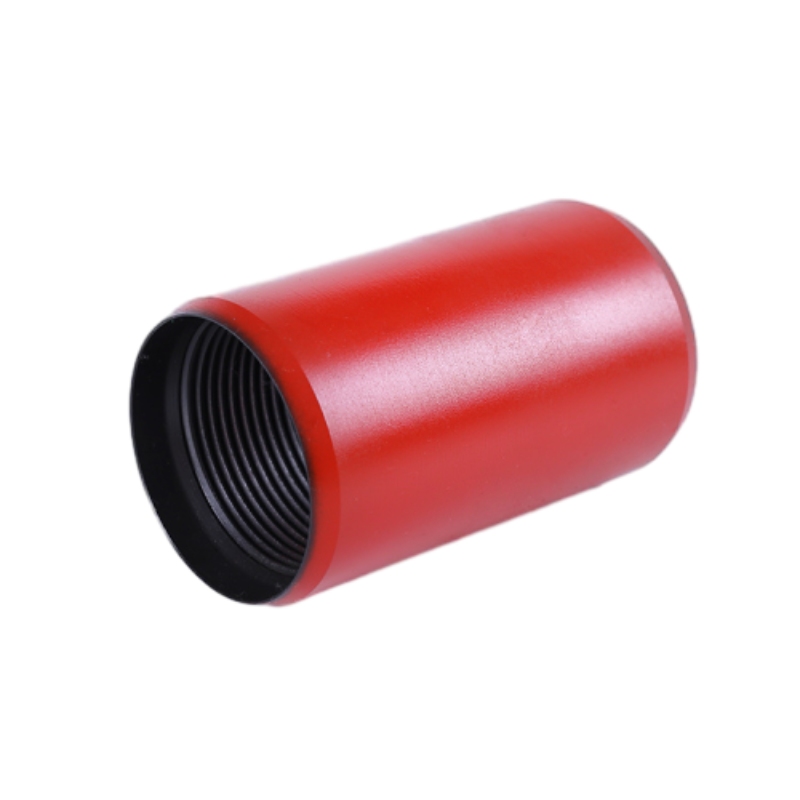
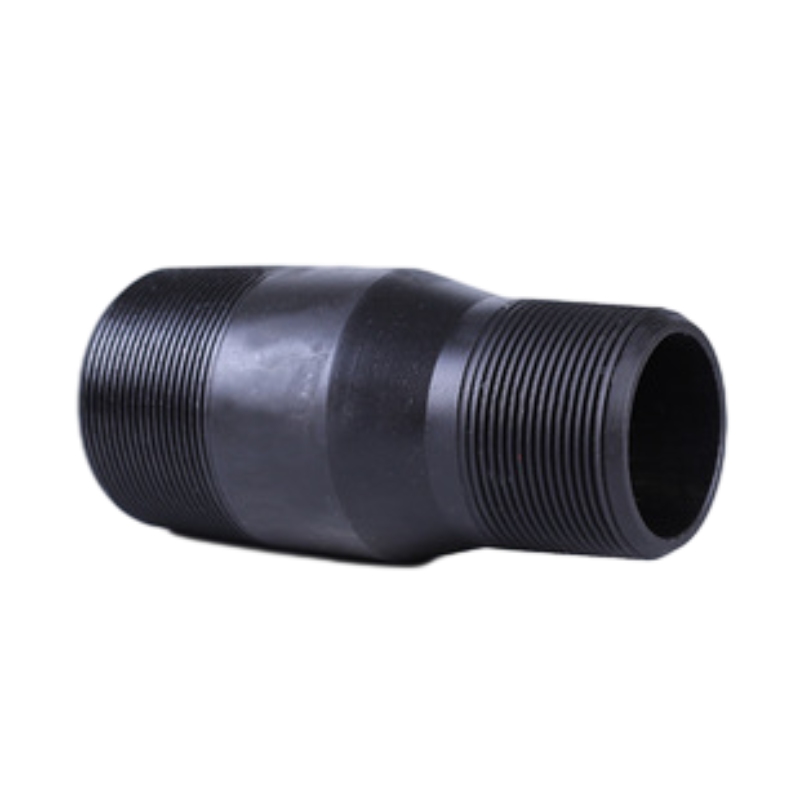
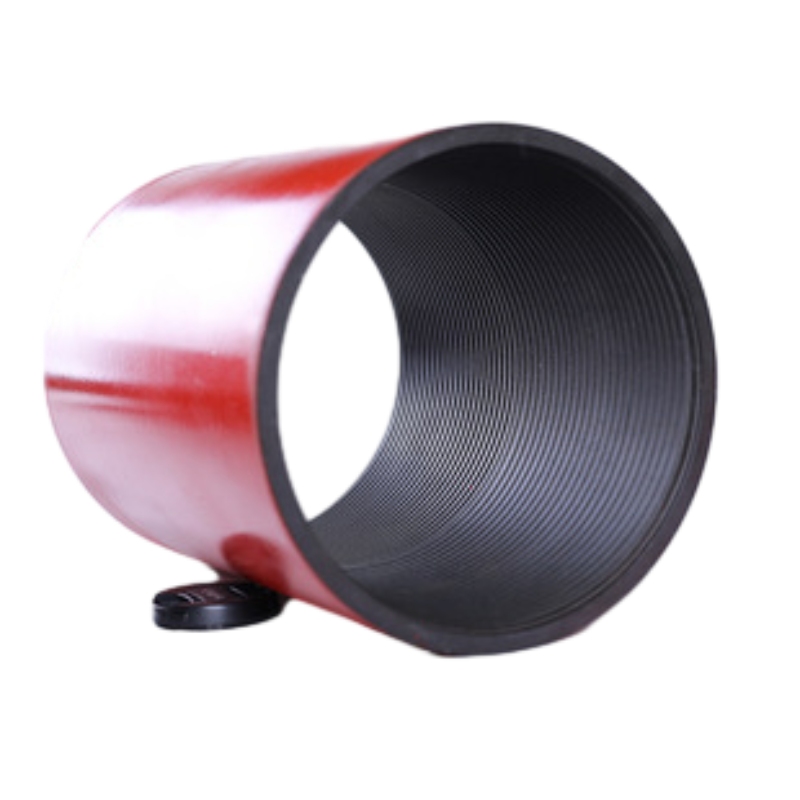
Put simply, a tapón de toro is a threaded or flanged plug, usually robustly designed, that seals the end of pipes or well branches. Often made from forged steel or stainless alloys, they’re engineered to endure high pressures, extreme temperatures, and corrosive fluids. In the oil & gas world, they "cap off" wellheads during maintenance or emergency shutdowns, preventing fluid escape or contamination.
Oddly enough, despite being a “plug,” its design is tailored for performance — resisting torque during installation, and ensuring leak-proof seals that last years under harsh conditions. In humanitarian or remote industrial settings, versions of this plug-type core can help quickly isolate sections of infrastructure to keep workers safe or prevent environmental damage.
Mini takeaway: The tapón de toro is not just a plug — it’s a technical safeguard designed with resilience and precision.
Key Factors to Consider in Tapón de Toro Design
1. Durability and Materials
The harsh environments require materials that won’t crack, corrode, or warp. Commonly, manufacturers use ANSI-grade forged steel, sometimes treated with corrosion-resistant coatings that endure salty sea air or sour gas conditions.
2. Pressure Ratings
Tapones de toro must meet specific pressure classes — from Class 150 for low pressures up to Class 2500 or higher for deep wells. Misjudging these can lead to failure under operational stress.
3. Threading and Installation
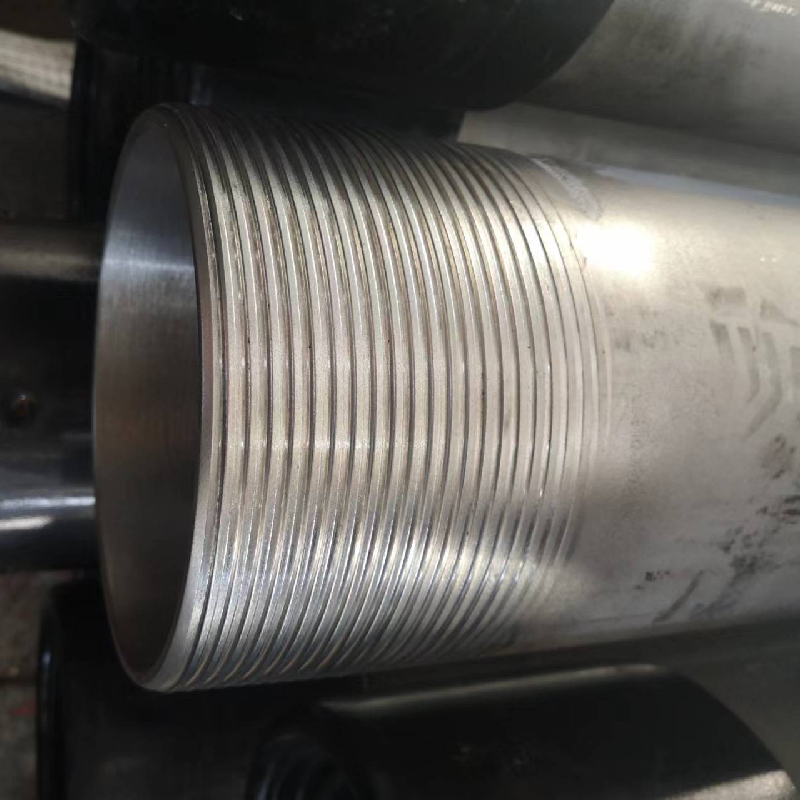
Precision in threading ensures the plug locks tight, minimizing the risk of leaks. Many engineers mention “torque fatigue” as a worry here — so many plugs come with torque-limiting features or indicators.
4. Size and Compatibility
Because pipe diameters and standards vary worldwide, tapones must be customizable or come in broad size ranges to fit standards like API, ISO, or DIN.
5. Ease of Maintenance
Some plugs are designed to be removed and reinstalled repeatedly without degrading the seal, cutting downtime and service costs.
| Specification | Details |
|---|---|
| Material | Forged Carbon Steel / Stainless Steel |
| Pressure Class | 150–2500 PSI (Class 150–2500) |
| Connection Type | Threaded (NF, API) or Flanged |
| Temperatures | -29°C to 120°C (-20°F to 248°F) |
| Sizes | 1" to 24" nominal diameters |
| Special Features | Torque limiter, anti-corrosion coating |
How Tapones de Toro Are Applied Globally
Across continents — from deep-water rigs off Brazil’s coast to pipeline networks in Central Asia — there’s no shortage of use cases. In oil and gas drilling sites, these plugs are routinely used to quickly seal wellheads during maintenance or emergencies. The mining sector uses similar components to isolate pipework handling slurry or chemicals.
Oddly enough, aid agencies sometimes rely on tapón de toro designs during temporary water treatment installations in disaster relief zones, enabling fast containment and switching of water lines without contamination risk. In that way, the concept spills beyond just hydrocarbon contexts — proving versatile.
| Vendor | Product Range | Certifications | Lead Time | Notes |
|---|---|---|---|---|
| GlobalPlugs Inc. | 1"-24" class 150-2500 | API 6A, ISO 10423 | 4-6 weeks | Customization available |
| SteelSeal Ltd. | 1"-16" class 300-1500 | ISO 9001, API Spec Q1 | 3-5 weeks | Known for corrosion coatings |
| SafePlug Solutions | 2"-20" class 150-2500 | API 6A, ISO 9001 | 5-7 weeks | Torque indicators included |
Advantages and Long-Term Value of Understanding Tapones de Toro
Embracing the right definición de tapón de toro means investing in equipment that supports safety and environment. Fewer leaks mean fewer accidents and less costly cleanup. Operators report longer maintenance intervals and less downtime. Socially, workers gain trust knowing the components they rely on won’t give way under pressure, boosting morale.
Environmentally, preventing leaks from wells or pipelines protects fragile ecosystems and reduces greenhouse gas emissions — which frankly, in today’s climate crisis, feels like a social responsibility more than ever before.
Future Innovations Impacting Tapones de Toro
Looking ahead, the push for sustainability will involve composites and advanced alloys that weigh less but last longer, plus smart sensor integration allowing real-time monitoring of plug stress and sealing integrity. Digital transformation across industrial IoT platforms means remote diagnostics and predictive maintenance could become the norm — informing when a tapón de toro needs replacement before failure.
Policy-wise, global regulators are tightening standards post-accident investigations, meaning future designs will need certifications far beyond API or ISO — factoring in cyber-physical security and environmental life cycle impact.
Challenges and How Experts Address Them
That said, securing the perfect balance of strength, affordability, and durability is a constant engineering puzzle. Some regions struggle with getting certified products due to supply chain constraints or cost. Also, field conditions can be unpredictable — from extreme cold to aggressive fluids — which sometimes means off-the-shelf tapones de toro aren’t enough.
The solution? Custom engineering firms now partner closely with clients to tailor plugs to specific needs, backed by accelerated material testing and digital twins to simulate real-world stress before manufacture. Training personnel in proper installation techniques also makes a huge difference in avoiding leaks caused by human error.
FAQ: Practical Questions About Definición de Tapón de Toro
- Q: How important is using the correct pressure rating on a tapón de toro?
A: Extremely important. Using a plug rated below the system pressure risks leaks or catastrophic failure, leading to downtime, environmental damage, and danger to personnel. - Q: Can tapones de toro be reused after removal?
A: Generally yes, but only if inspected and no damage to threads or seals occurred. Some plugs are designed specifically for repeated use while others are more single-use. - Q: Are all tapones de toro compatible worldwide?
A: No, compatibility depends on threading standards (API, ANSI, DIN), size, and pressure class. Always verify standards before procurement. - Q: What maintenance is required for tapones de toro?
A: Routine visual inspections, torque checks during installation, and replacement of seals or coatings can prolong service life substantially.
Wrapping It Up: Why Tapón de Toro Knowledge Pays Off
Frankly, knowing the definición de tapón de toro well goes beyond academic curiosity — it literally keeps industries running safely, sustainably, and cost-effectively. Whether you’re an engineer drafting designs or a procurement manager vetting suppliers, this term is a cornerstone piece that deserves attention. So yeah, next time you see this term, you’ll know it’s about more than a plug — it’s about protecting lives and the planet.
For in-depth resources and supplier contacts, feel free to visit our site at https://www.wjpetroleum.com.
References:
- Wikipedia: Bull plug
- ISO 10423 (API 6A) Standards
- International Energy Agency: World Energy Outlook 2023
-
Tubing Coupling Questions: Uses, Materials and API CompatibilityNewsNov.02,2026
-
Casing Pup Joint Options Compared: Specifications, Materials and Supplier DocumentationNewsOct.28,2026
-
Guide to High Quality 2 inch stainless steel coupling for Oil GasNewsJul.01,2026
-
High Performance 2 inch steel coupling for Oil and Gas OperationsNewsJun.29,2026
-
High Precision 3 8 od copper coupling for Oil and Gas ConnectivityNewsJun.27,2026
-
High Quality 3 inch steel pipe coupling for Oil and Gas ProductionNewsJun.26,2026