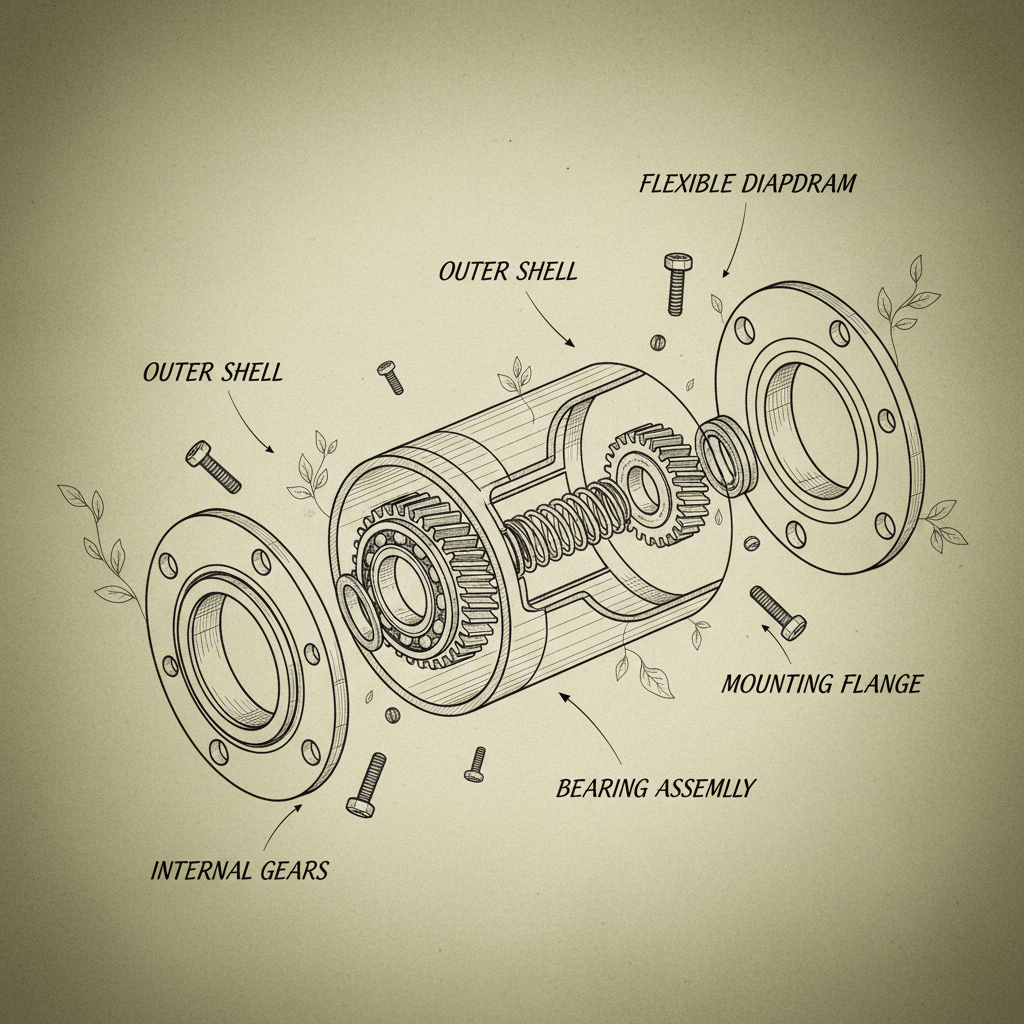
You know, these days everyone’s talking about prefabrication, modular builds… it’s all the rage. Seems like every other project I’m on is aiming for faster turnaround, less waste. It's a good thing, honestly. Been seeing a lot of this coupling casing popping up, specifically the kind that’s built to withstand some serious stress. It's a bit of a lifeline when you're dealing with tight deadlines and even tighter budgets.
The funny thing is, a lot of these designs look great on paper, but fall apart the moment they hit a real construction site. Have you noticed how architects sometimes specify materials they’ve clearly never touched? Like, a gorgeous polished finish that gets completely wrecked after one rain shower. It's infuriating. I've seen it happen more times than I care to admit.
And the speed… everyone wants speed. But you can't rush quality. You just can't.
The Current Landscape of Coupling Casing
To be honest, the demand for robust coupling casing is driven by the explosion in infrastructure projects – think pipelines, tunnels, even deep-sea exploration. It’s not just oil and gas anymore. There’s a big push for renewable energy, and that means more subsea cables, more wind turbine foundations, all needing reliable connections. The global market is estimated to be worth… well, it shifts constantly, but it's easily in the billions.
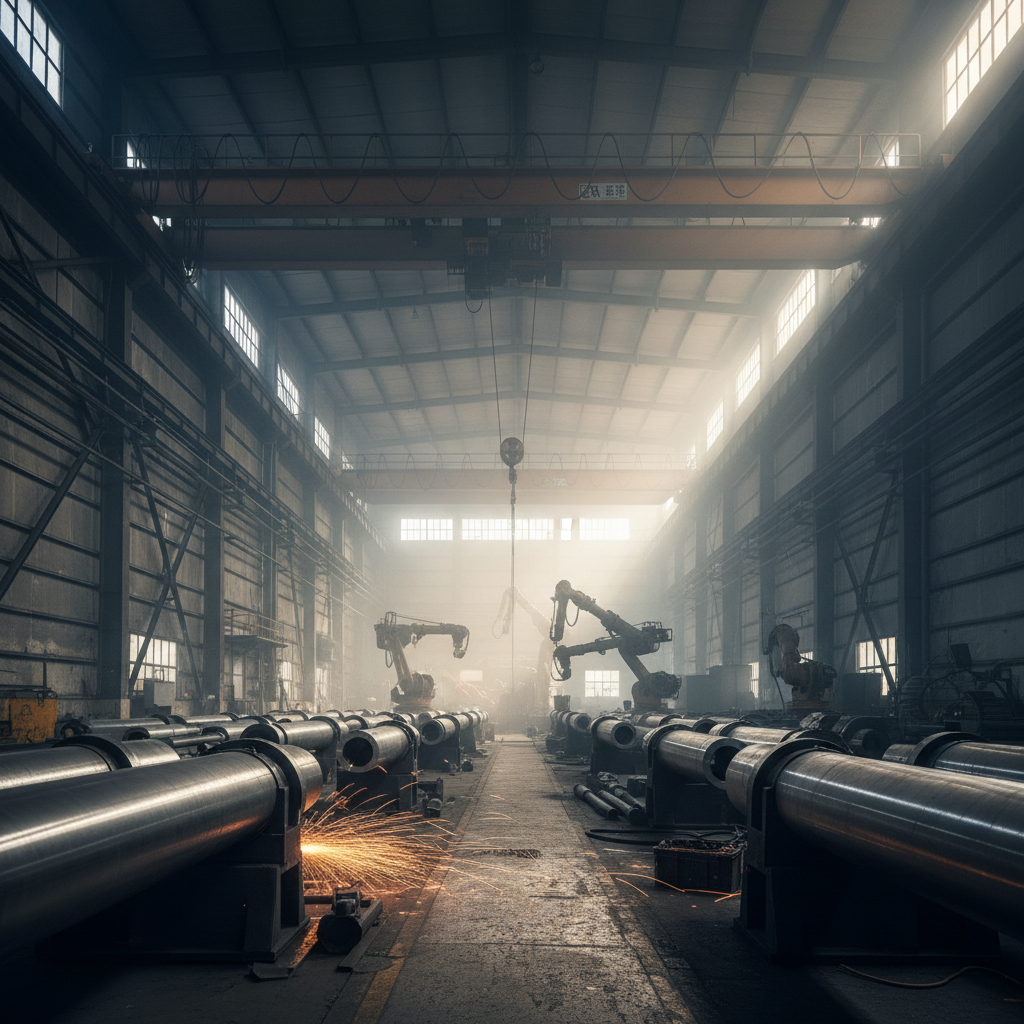
I encountered this at a factory in Tianjin last time, they were making casing for a new subway line. The quality control was… questionable. Lots of surface imperfections. And that's just the start of the problems.
Design Pitfalls and Common Mistakes
Strangely enough, one of the biggest mistakes I see is over-engineering. They try to make everything too strong, which drives up the cost and adds unnecessary weight. Sometimes, a simpler design, with a well-chosen material, is more than enough. Another thing is neglecting corrosion. Especially in marine environments, you need to think about galvanic corrosion, pitting… all sorts of nasty stuff. It's not glamorous, but it's critical.
And don't even get me started on threading. Incorrect thread profiles, insufficient thread engagement… it's a recipe for disaster. I've seen joints fail under relatively low pressure just because of sloppy threading.
There’s also the whole issue of sealing. A tiny leak can cause massive problems, especially with hazardous materials. They always try to cut corners on sealing materials.
Material Science: What's Holding it All Together
Now, the materials. You've got your standard carbon steel, of course. Reliable, relatively cheap. But it rusts. Then you have stainless steel – different grades, different alloys. 316 is a good all-rounder, but you need higher alloys for really corrosive environments. I remember the smell of the machining oil clinging to the stainless steel casing on a project in Dubai – that acrid, metallic tang. You know it’s good stuff when it smells like that.
Then there’s the exotic stuff: titanium, duplex stainless steel, even some nickel alloys. These are expensive, but they can handle extreme conditions. I saw a titanium casing used for a deep-sea sensor – it was incredibly lightweight and corrosion-resistant. Felt strange in the hand, almost… plastic-like, despite being metal. And, of course, there's plastic – high-density polyethylene (HDPE) is common for lower-pressure applications, but it’s not suitable for everything.
Anyway, I think the biggest trend is moving towards lighter, stronger, more corrosion-resistant alloys. They’re always trying to find the sweet spot between performance and cost.
Real-World Testing and Performance
Lab tests are fine, but they don’t tell the whole story. I’ve seen casing pass every lab test imaginable, and then fail spectacularly on site. That’s why we do hydrostatic testing, pressure cycling, and impact testing. But even that’s not enough. You need to see how it performs under real-world conditions. We once submerged a section of coupling casing in seawater for six months to assess its corrosion resistance. It wasn't pretty.
The best test, in my opinion, is simply time. If it's still holding up after five, ten years, you know you've got a good product.
Performance Metrics for Coupling Casing Materials
User Behavior and Unexpected Applications
You know, people always use things in ways you don’t expect. I’ve seen coupling casing repurposed as scaffolding supports, as makeshift handrails… even as part of art installations. One time, someone tried to use it as a base for a barbeque. I mean, really?
But seriously, a lot of our customers are using it for non-traditional applications, like geothermal drilling, or even for creating temporary shelters. It’s pretty versatile, if you think outside the box.
Benefits and Drawbacks: A Pragmatic View
The benefits are obvious: strength, reliability, corrosion resistance. But it's not all sunshine and roses. It can be expensive, especially the high-end materials. Installation can be tricky, and it requires skilled labor. And if you get the wrong type of coupling casing for the application, you're in trouble. I mean, serious trouble.
It’s a trade-off. You pay more upfront for quality, but you save money in the long run by avoiding failures and downtime. That's the way I see it.
Customization and Specialized Solutions
People always want something tailored to their specific needs. Last month, that small boss in Shenzhen who makes smart home devices insisted on changing the interface to , and the result was a delay of almost two weeks because we had to retool everything. It’s always something!
But we can do it. We can customize the dimensions, the materials, the threading, even the coatings. We can also offer specialized solutions for harsh environments, like high-temperature or high-pressure applications. It's just a matter of cost and lead time.
We once made a batch of casing with a unique internal coating to prevent static buildup in a sensitive electronic assembly facility. It was a pain to manufacture, but the customer was thrilled.
Summary of Coupling Casing Customization Options
| Customization Parameter |
Feasibility |
Cost Impact |
Typical Lead Time |
| Material Grade |
High |
Moderate to High |
4-8 weeks |
| Dimensions & Length |
High |
Low to Moderate |
2-4 weeks |
| Thread Type & Profile |
Moderate |
Moderate |
3-6 weeks |
| Internal Coating |
Moderate |
Moderate to High |
6-10 weeks |
| External Finish |
High |
Low |
2-4 weeks |
| Pressure Rating |
Low |
Moderate |
4-6 weeks |
FAQS
Honestly, it’s not understanding the environment. They’ll specify a carbon steel casing for a saltwater application and then wonder why it corrodes. You've got to think about the long game. A little extra upfront for corrosion resistance can save you a fortune in repairs and downtime later on. Also, people often underestimate the importance of proper thread sealant – it's not just about tightening it enough.
That depends entirely on the application, but with proper maintenance, a good quality stainless steel or titanium casing can easily last 20-30 years, even in harsh environments. We’ve seen some installations that are pushing 50 years. The key is regular inspection, cleaning, and replacing any worn-out seals or gaskets. It's like anything else: you get what you pay for, and a little preventative care goes a long way.
If you’re dealing with highly corrosive environments, absolutely. Duplex stainless steel offers significantly better resistance to pitting and crevice corrosion. It's more expensive upfront, but it will save you money in the long run by reducing the risk of failures and downtime. You really need to analyze the total cost of ownership – not just the initial price tag.
Usually it's down to improper installation: insufficient tightening, damaged threads, or the wrong type of sealant. Also, thermal expansion and contraction can cause joints to loosen over time, especially in fluctuating temperatures. Regular inspection and retightening are crucial. Don't just assume it's holding – check it!
It's generally not recommended unless you have a qualified welder and the correct welding procedures. Welding can alter the material properties and create stress concentrations, potentially weakening the joint. It’s best to replace the damaged section entirely. Plus, you need to be careful about introducing contaminants into the system during welding.
We do hydrostatic testing to ensure there are no leaks, visual inspections for surface defects, and dimensional checks to verify that everything meets specifications. We also do non-destructive testing, like dye penetrant inspection, to detect any hidden cracks or flaws. It's a pretty rigorous process. But it’s all necessary to ensure quality and reliability.
Conclusion
Ultimately, coupling casing is a critical component in a wide range of industries. From pipelines to offshore structures, it's the unsung hero that keeps things running smoothly. Choosing the right material, ensuring proper installation, and implementing a regular maintenance program are all essential for long-term reliability. The trends are towards lighter, stronger, more corrosion-resistant materials and customized solutions tailored to specific applications.
And here’s the thing: all the engineering, all the testing, all the specifications… in the end, whether this thing works or not, the worker will know the moment he tightens the screw. That's all that matters.