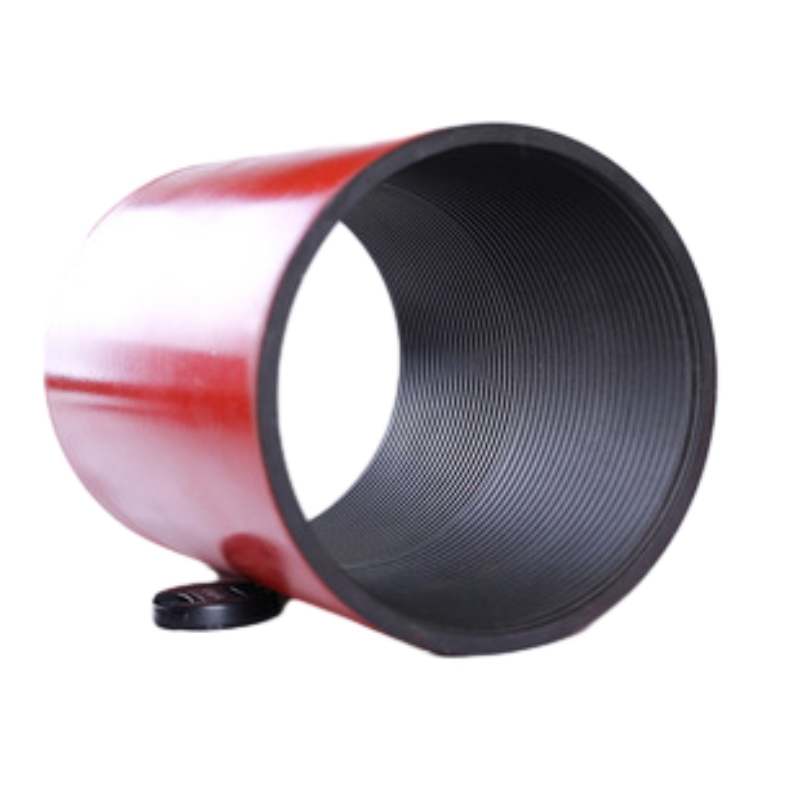


Everything You Need to Know About Bull Plug Pétrole et Gaz | Safety & Performance in Oil & Gas
Understanding Bull Plug Pétrole et Gaz: A Small Component with Global Impact
When you hear the term bull plug pétrole et gaz, it might not immediately spark fascination like upstream drilling or giant oil rigs do. Yet, this modest component is pivotal behind the scenes of the oil and gas industry worldwide. Simply put, a bull plug is a type of pipe fitting used to securely seal the ends of pipelines or equipment, ensuring operational safety and integrity. Across continents — from Arctic rigs to Middle Eastern deserts — understanding what makes a reliable bull plug matters a lot. It’s not just about shutting off flow; it’s about preventing disasters, improving efficiency, and enabling complex operations to run smoothly.
Why Bull Plugs Matter in the Global Oil and Gas Industry
The oil and gas sector is a backbone of the global energy economy, accounting for roughly 33% of worldwide energy supply according to the International Energy Agency (IEA). That’s a staggering dependency considering the complexities of exploration, production, and transportation. Within this ecosystem, every joint, valve, and fitting plays a part — and bull plugs are essential for capping off pipes safely during maintenance, testing, or expansion phases.
Globally, pipeline incidents cost billions annually, from loss of product to environmental disasters. Properly manufactured and applied bull plugs are a small but critical defense. They help reduce leaks, avoid downtime, and protect workers and communities near installations. Given rising environmental regulations and rising production complexities, the demand for high-quality, durable bull plugs is stronger than ever.
Mini takeaway: Bull plugs may be small hardware, but their global significance in oil and gas safety and efficiency is huge — speak to any pipeline engineer and they'll tell you their peace of mind starts here.
What Exactly Is a Bull Plug in Pétrole et Gaz?
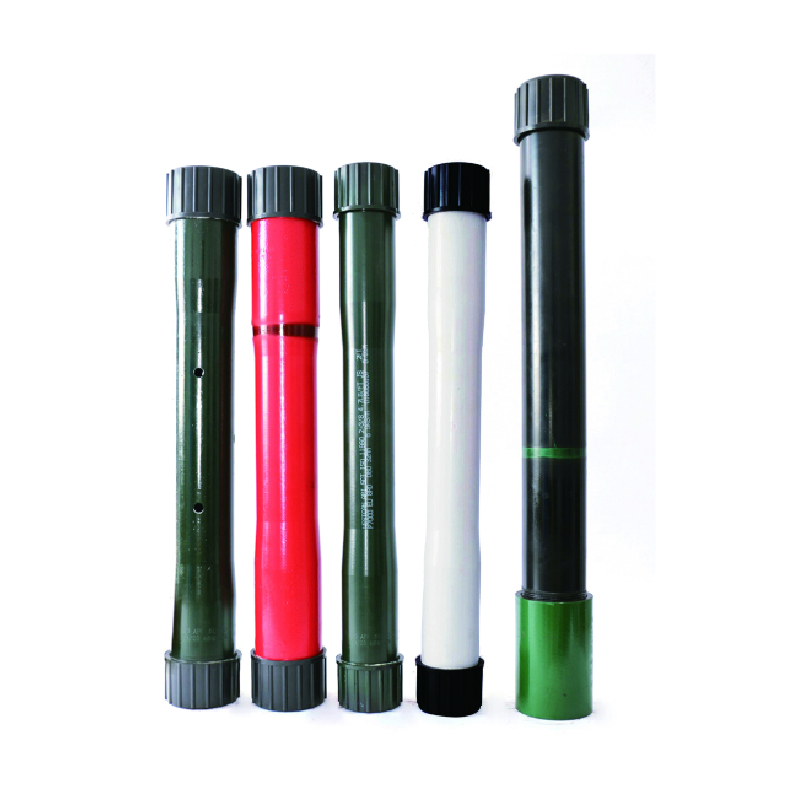
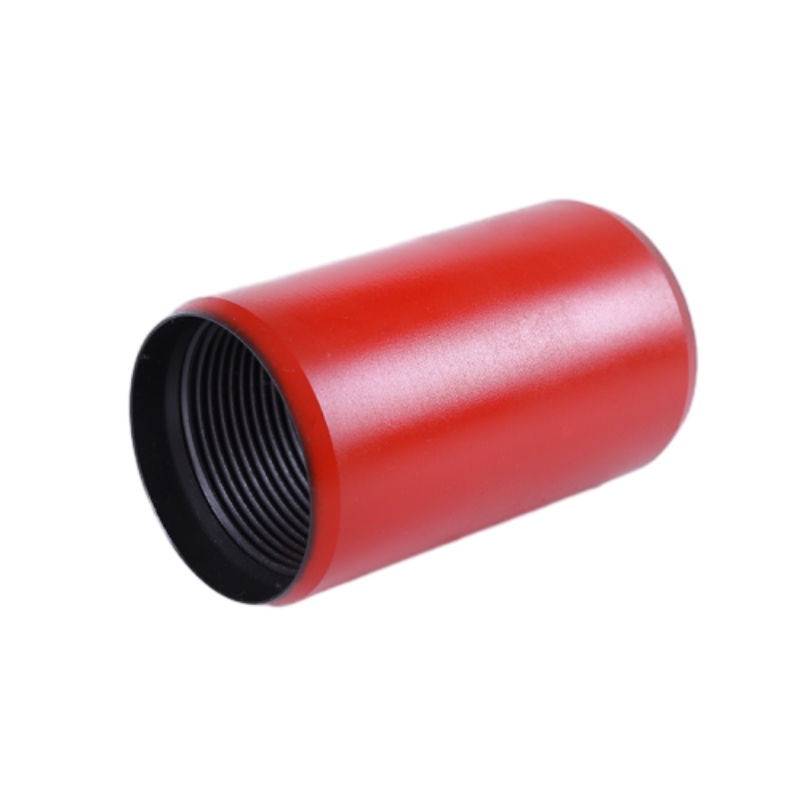
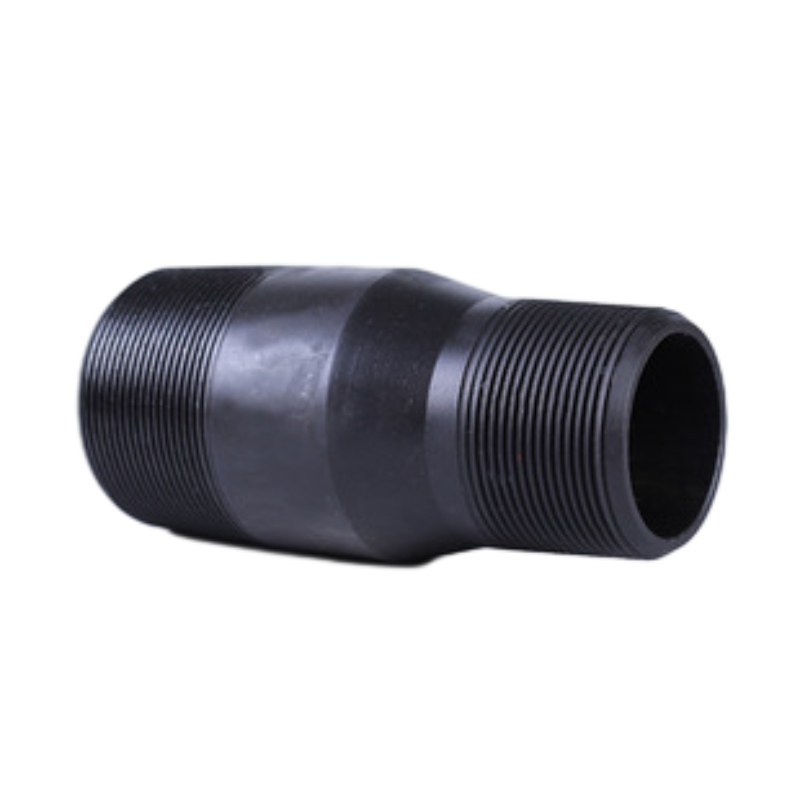
At its core, a bull plug pétrole et gaz is a heavy-duty threaded cap used to close off the end of a pipe or vessel. Unlike a simple plug that might just partially seal, bull plugs are designed to withstand high pressures and harsh environments typical of petroleum and gas operations. They are made from robust materials such as forged steel or stainless steel, ensuring resistance to corrosion, high temperature, and mechanical stresses.
You’ll find bull plugs used during pipeline testing to isolate sections, during repair works, and also in downtime phases to prevent product loss. Think of the bull plug as the secure “doorstop” that holds back immense pressure — safely, reliably, every time.
bull plug pétrole et gaz manufacturers often must meet stringent ISO standards (like ISO 9001 or API specifications), reflecting the critical nature of these fittings in modern infrastructure.
Core Components That Define a Good Bull Plug
1. Durability
Durability is paramount: these plugs must endure extreme pressure fluctuations, corrosive fluids, and even mechanical shocks. Materials like alloy steel or duplex stainless steel are common choices.
2. Pressure Rating & Dimensions
Pressure ratings (measured in PSI or bar) and matching thread sizes vary depending on the pipeline specs. A mismatch risks leaks or inability to seal properly.
3. Compatibility with Pipe Systems
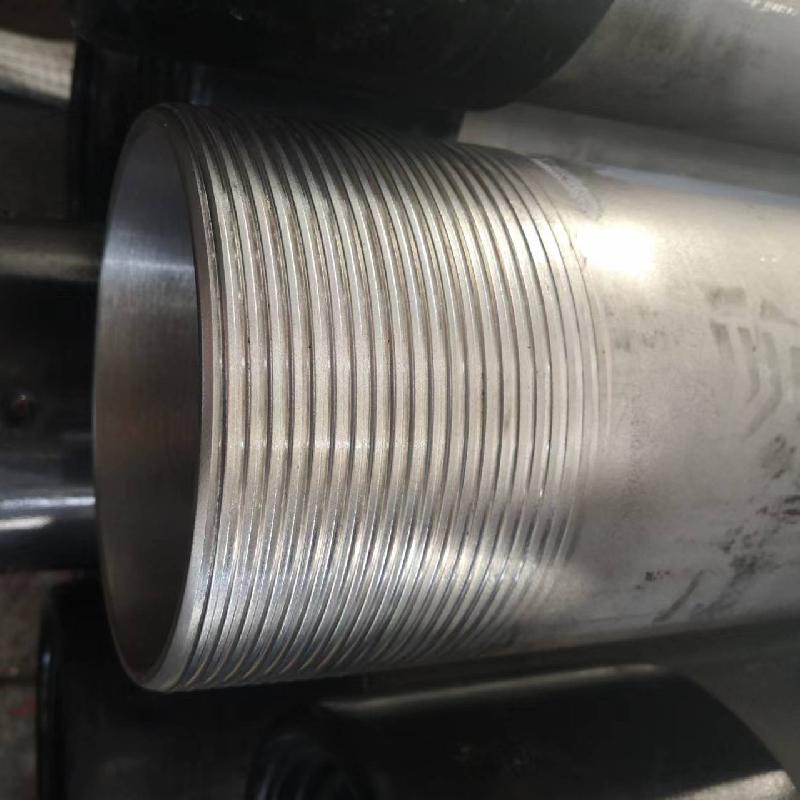
Ensuring the bull plug fits the pipeline threading standards (e.g., NPT, BSP, or API types) is critical to seamless integration and avoiding costly downtime.
4. Corrosion Resistance
Given the harsh chemical environment inside pipelines — sometimes highly acidic or salty — corrosion resistance keeps the equipment lasting longer without failure.
5. Ease of Installation and Removal
Operators value plugs that can be installed or removed safely with standard tools, helping reduce labor time and risks in hazardous zones.
| Feature | Details |
|---|---|
| Material | A105 Forged Carbon Steel / Stainless Steel |
| Pressure Rating | Class 150 - 2500 (2,500 - 37,500 PSI) |
| Threading | NPT, BSP, API, or Custom |
| Sizes | ½" up to 24"+ diameters |
| Operating Temperature | -50°C to +400°C (-58°F to 752°F) |
Real-World Applications That Rely on Bull Plugs
From giant offshore oil platforms in the North Sea to refinery maintenance yards in Houston, bull plugs play versatile roles:
- Pipeline Testing: During hydrostatic tests to check integrity before commissioning.
- Temporary Sealing: Enables safe isolation of sections for repair or upgrades.
- Emergency Shutdowns: Bull plugs can seal leaks swiftly during unexpected failures.
- Storage Tank Connections: Used to cap off inactive piping to prevent contamination or spills.
Oddly enough, even in remote drilling sites like Siberia’s frozen tundra or offshore gas fields off Qatar, operators trust these fundamental fittings for critical safety measures.
Mini takeaway: Bull plugs quietly provide operational agility — whether you’re a multinational operator or a smaller refinery — enabling safer and more flexible workflows.
The Long-Term Advantages of Choosing Quality Bull Plugs
The benefits are not just about preventing accidents or headaches on the jobsite:
- Cost Savings: Reducing downtime and costly leaks saves millions.
- Sustainability: Less product loss means lower environmental footprint.
- Worker Safety: Secure fittings minimize hazardous exposure risks.
- Trust & Reputation: Reliable equipment builds stakeholder confidence.
From an emotional standpoint, many engineers express a quiet satisfaction when all fittings, bull plugs included, hold perfectly under pressure — it feels like a small victory against Mother Nature’s unpredictabilities.
What the Future Holds: Innovations in Bull Plug Technology
Interestingly, the bull plug market is evolving alongside oil and gas’s broader digital and green transformation:
- Smart Materials: Advances in alloys and coatings improve corrosion resistance and lifespan.
- Automation Compatibility: Designs now consider robotic installation and monitoring tools.
- Eco-Friendly Manufacturing: Reduced carbon footprint in production and recycling initiatives.
- Digital Tracking: Embedded RFID tags for inventory and maintenance tracking are becoming common.
These trends hint at a future where bull plugs are smarter, greener, and integrated tightly into complex pipeline networks.
Common Challenges and How Industry Leaders Are Addressing Them
One persistent challenge is balancing cost pressures with the demand for higher quality and certifications. Lower-cost imports may tempt smaller operators, but many engineers caution that “you get what you pay for” here — potentially risking safety.
Another issue is the variety of standards worldwide; ensuring compatibility for international projects means manufacturers must invest in flexible designs and thorough testing. Innovative manufacturers are tackling this by collaborating with bodies like ISO and API, accelerating certification processes.
Finally, supply chain disruptions — something we saw dramatically during the pandemic — have driven operators to stock up on essentials like bull plugs or work closely with reliable vendors.
| Vendor | Product Range | Certifications | Price Range | Lead Time |
|---|---|---|---|---|
| Alpha Pipes Inc. | Carbon Steel, Stainless | API 6A, ISO 9001 | Mid-Range | 2-4 weeks |
| Global Seal Solutions | High-Alloy, Custom Threads | ISO 14001, API | Premium | 3-6 weeks |
| Eastern Pipeline Parts | Standard Sizes, Steel | ISO 9001 | Budget | 1-2 weeks |
FAQ: Your Questions About Bull Plug Pétrole et Gaz
Q1: How do I know which bull plug pressure rating I need?
A: The correct pressure rating depends on your pipeline’s operating pressure plus safety margins. Always check the maximum allowable operating pressure (MAOP) for your system and select a bull plug rated accordingly — consult API or ISO tables for guidance or your equipment supplier.
Q2: Can bull plugs be reused after removal?
A: Generally, yes, if inspected carefully for damage or corrosion. Forged steel plugs meant for multiple uses can be reused provided the threads are intact and sealing surfaces undamaged. However, critical safety checks should always be done before reuse.
Q3: Are bull plugs suitable for corrosive fluid pipelines?
A: Yes, but special materials like duplex stainless steel or special coatings are recommended to resist corrosion from chemicals, sour gas, or seawater exposure. Discuss your application conditions with your supplier to match materials properly.
Q4: How do bull plugs differ from pipe caps?
A: Pipe caps slip over the pipe’s outside end and are mainly used for protection, while bull plugs thread into the pipe’s internal threads, providing a secure, pressure-tight seal capable of handling higher pressures.
Final Thoughts and Moving Forward
So, while it might seem like an overshadowed part of the oil and gas puzzle, the bull plug pétrole et gaz quietly ensures safer, more efficient, and environmentally responsible operations worldwide. As the world’s energy players grapple with evolving challenges from sustainability to digitalization, even components this “small” are innovating in surprising ways.
Whether you’re an engineer specifying parts for a new pipeline or a procurement officer seeking trustworthy vendors, understanding these plugs and their nuances pays dividends. Curious to explore quality suppliers or the latest product specs? Feel free to visit our site: bull plug pétrole et gaz — it’s a good next step.
References
-
The Ultimate Industrial Guide to using مفصل الجرو Swivel JointsNewsApr.16,2026
-
Comprehensive Guide to api الجرو المشترك in Industrial ApplicationsNewsApr.09,2026
-
Comprehensive Guide to Puppy Joint Health with غلاف مفصل الجرو SupplementsNewsApr.07,2026
-
Optimizing Oilfield Performance with تمرير المفاصل الجرو and WJ Petroleum ExpertiseNewsApr.04,2026
-
Understanding Puppy Mills ¿qué es un porro de cachorros? Responsible Breeding PracticesNewsMar.31,2026
-
Comprehensive Guide to Perforated Puppy Joints and Long Term Canine HealthNewsMar.28,2026