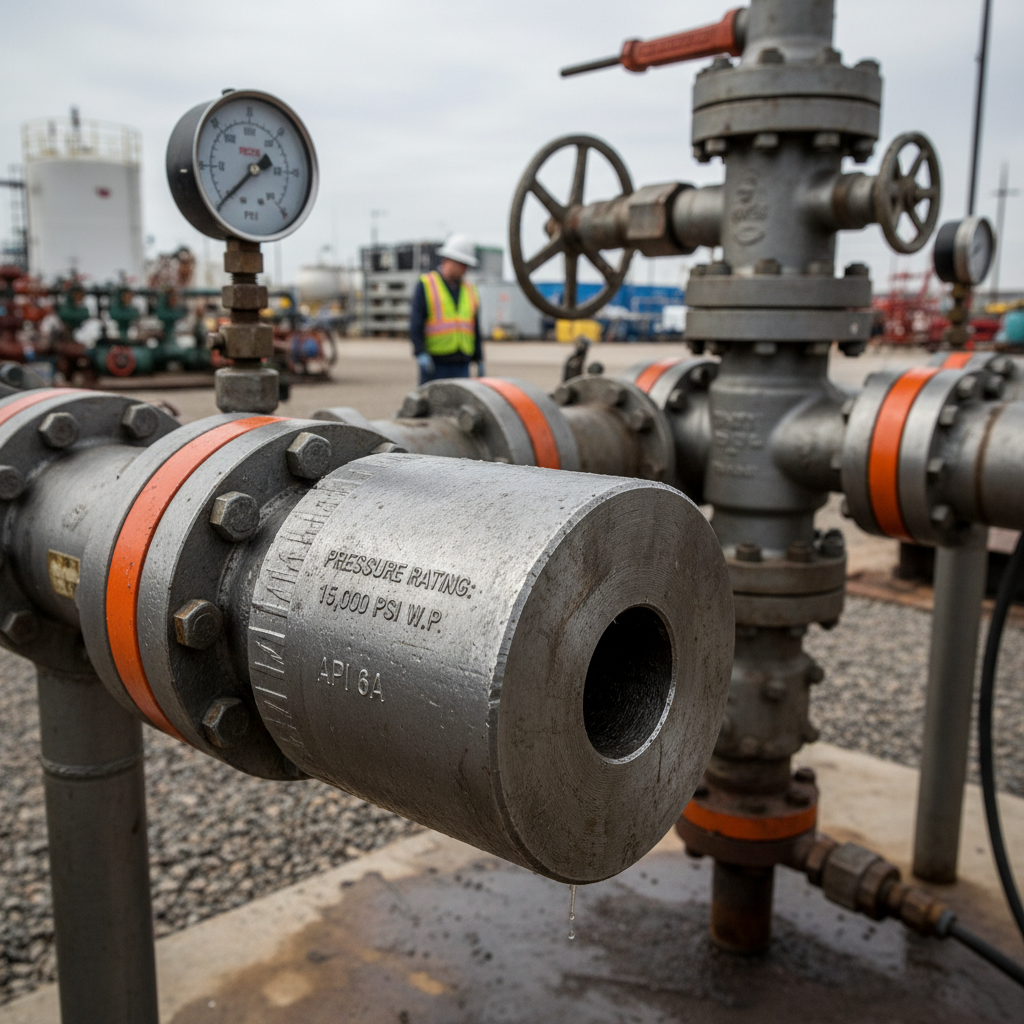
In the high-pressure environment of oil and gas extraction, the integrity of every connection can mean the difference between a successful operation and a catastrophic failure. Many engineers and procurement specialists often ask, what is a bull plug, as it serves as a critical yet often overlooked component in piping systems. Essentially, it is a heavy-duty sealing device used to close the end of a pipe or fitting, ensuring that no fluids or gases escape the system during various stages of production.
Understanding the nuances of this component is vital for maintaining safety standards and operational efficiency across global drilling sites. Whether dealing with high-temperature wells or corrosive offshore environments, knowing how to correctly specify and install these plugs prevents costly downtime and environmental hazards. It is not merely a "cap" but a precision-engineered piece of hardware designed to withstand extreme axial and radial loads.
By exploring the technical specifications, material grades, and application scenarios, operators can optimize their pipeline architecture. This guide provides a comprehensive deep dive into the mechanics of sealing, the difference between plugs and caps, and why choosing the right grade of steel is non-negotiable when asking what is a bull plug in a professional industrial context.
Global Industry Context of Bull Plugs
Across the global energy landscape, the demand for secure piping components has escalated as extraction moves toward ultra-deepwater and high-pressure, high-temperature (HPHT) reservoirs. Following ISO and API standards, the industry relies on components that can guarantee zero-leakage. The question of what is a bull plug becomes critical when managing thousands of miles of pipeline infrastructure where a single point of failure can lead to environmental disaster.
In regions like the Permian Basin or the North Sea, the scale of operations requires standardized hardware that can be deployed rapidly. Statistics from global safety audits indicate that a significant percentage of pipeline leaks occur at termination points or temporary closures, highlighting the need for high-grade bull plugs over improvised sealing methods.
Defining the Bull Plug and Its Meaning
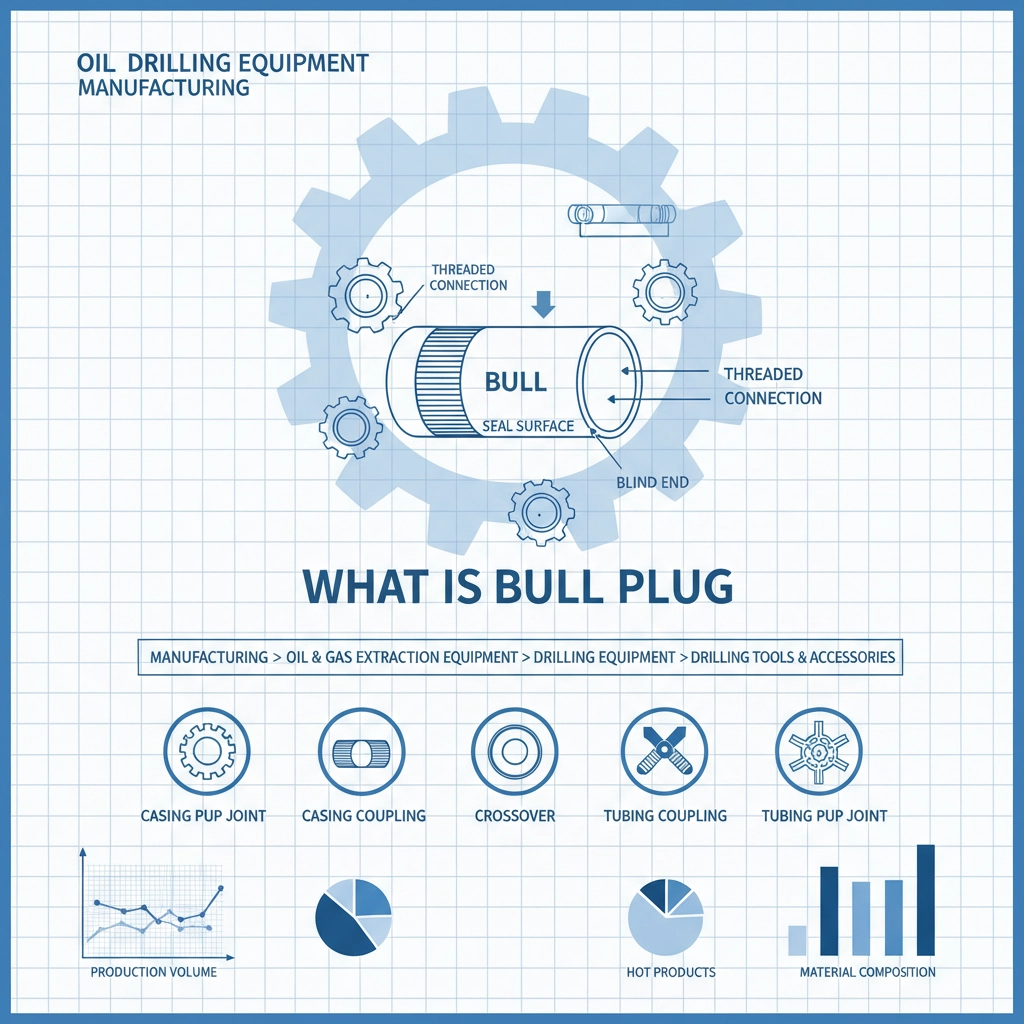
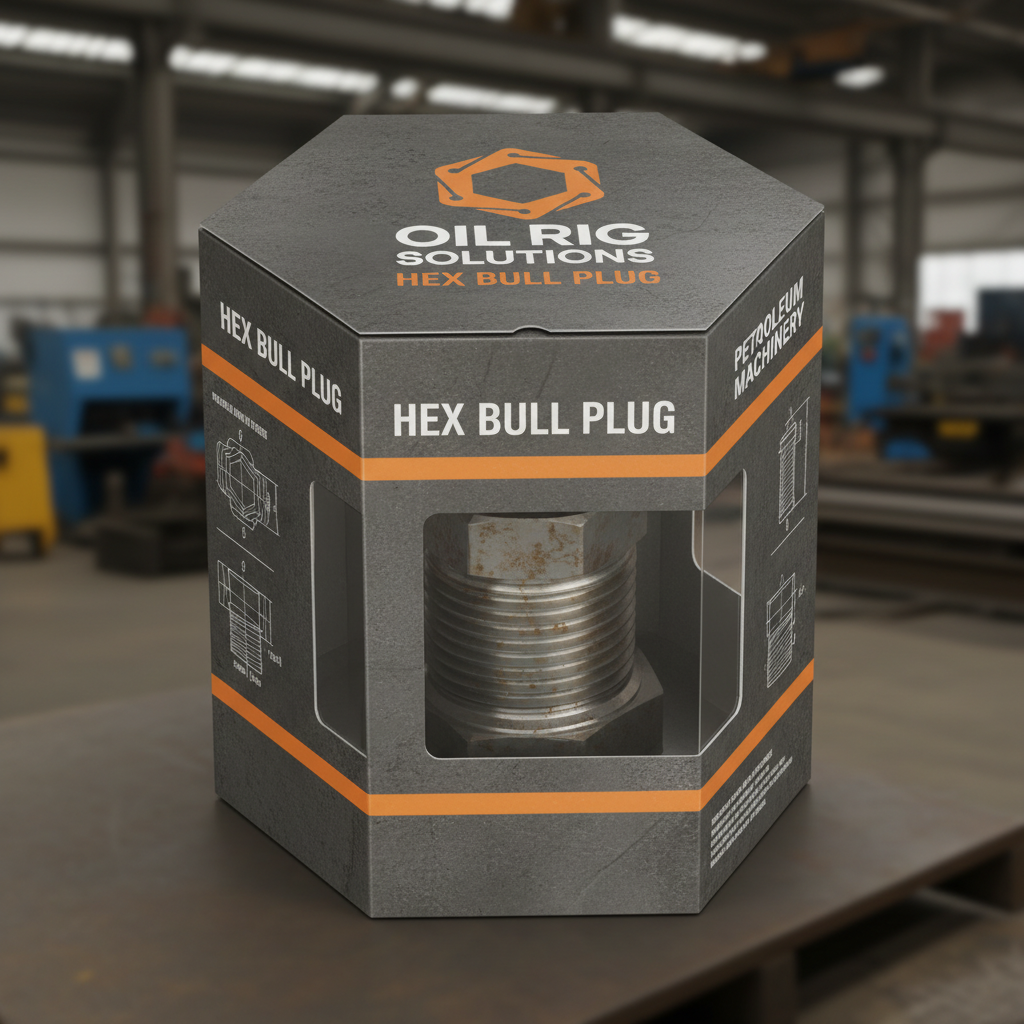
To put it simply, when asking what is a bull plug, you are referring to a piping component that features external threads on one end and a solid, closed end. Unlike a cap, which fits over the outside of a pipe, a bull plug is screwed into a fitting or a female-threaded pipe end to create a permanent or semi-permanent seal.
In modern industrial contexts, the "bull" prefix denotes the strength and robustness of the part. These are typically forged from high-carbon steel or alloy steel to ensure they do not deform under the massive internal pressures typical of oil and gas wellheads. They serve as the ultimate "stop" for a fluid line.
Beyond just closing a hole, these plugs are essential for pressure testing. By installing a bull plug at the end of a manifold, technicians can pressurize a system to its maximum rated capacity to check for leaks in other joints, making it a fundamental tool for safety validation in any drilling operation.
Key Factors in Bull Plug Design
One of the primary considerations when analyzing what is a bull plug is material durability. Most high-end plugs are manufactured from AISI 4140 or similar alloy steels, which are heat-treated to achieve a balance of hardness and toughness, preventing the plug from cracking under sudden pressure spikes.
Precision threading is another critical factor. Whether using API 5B or NPT standards, the thread geometry must be perfect to ensure a metal-to-metal seal. Any deviation in the thread pitch or angle can lead to "galling" or micro-leaks, which are unacceptable in hydrocarbon transport.
Finally, corrosion resistance is paramount. In the presence of H2S (sour gas) or CO2, standard steel would degrade rapidly. Therefore, many bull plugs are coated with zinc or manufactured from stainless steel/Inconel to ensure the seal remains intact for decades without needing replacement.
Global Applications and Use Cases
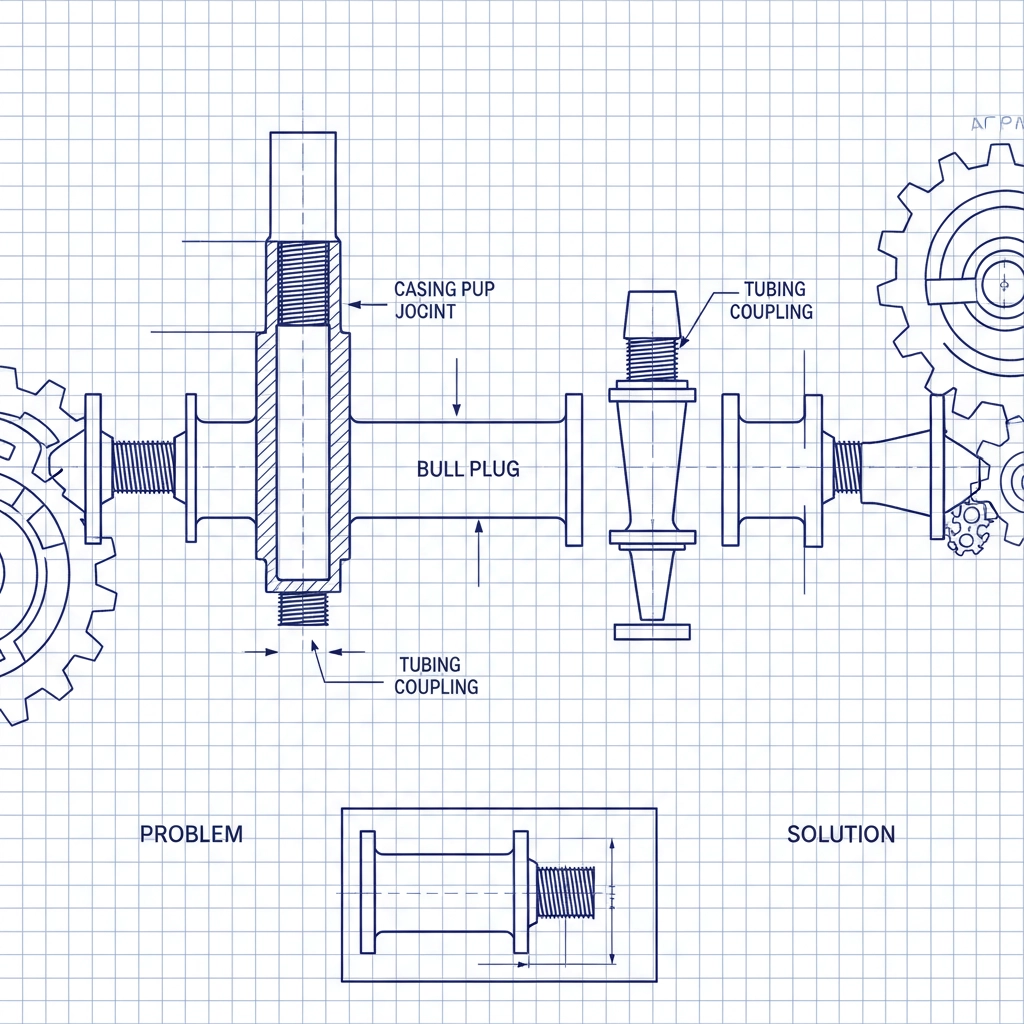
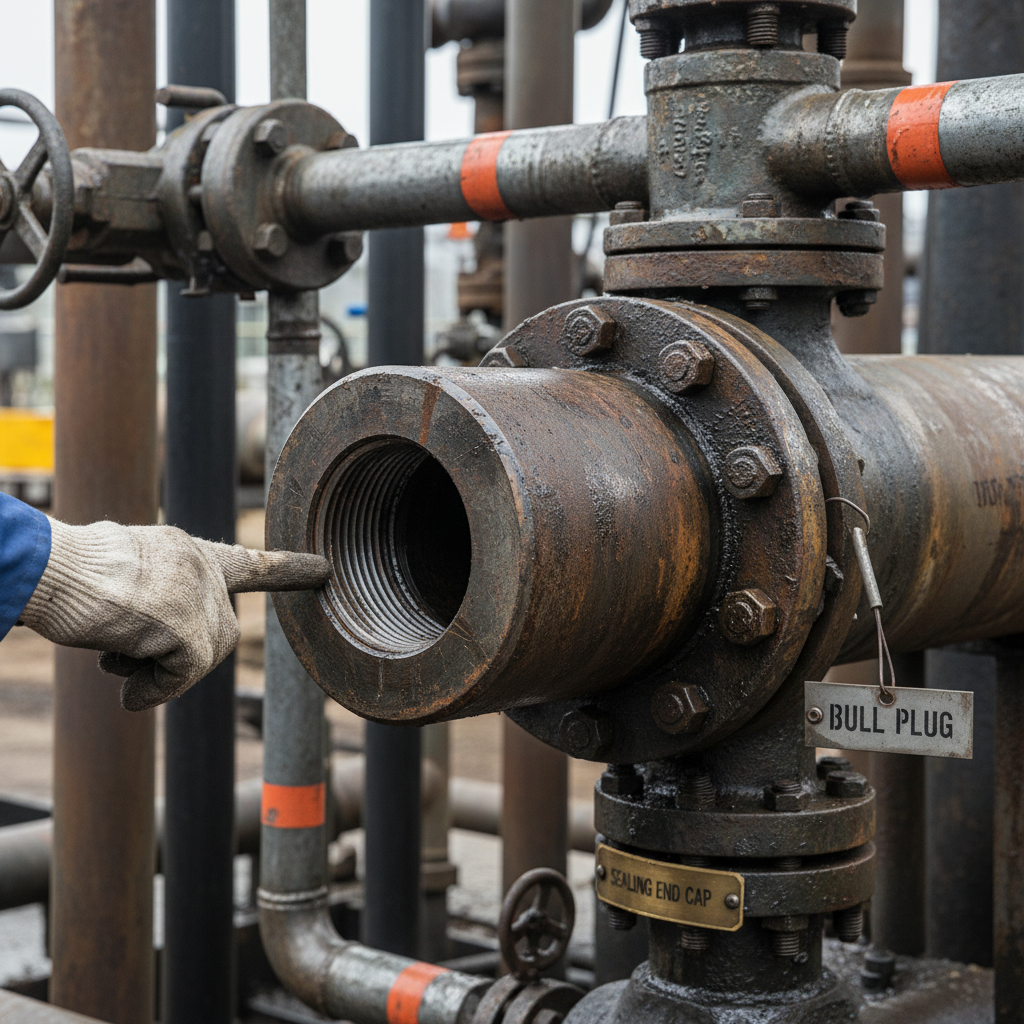
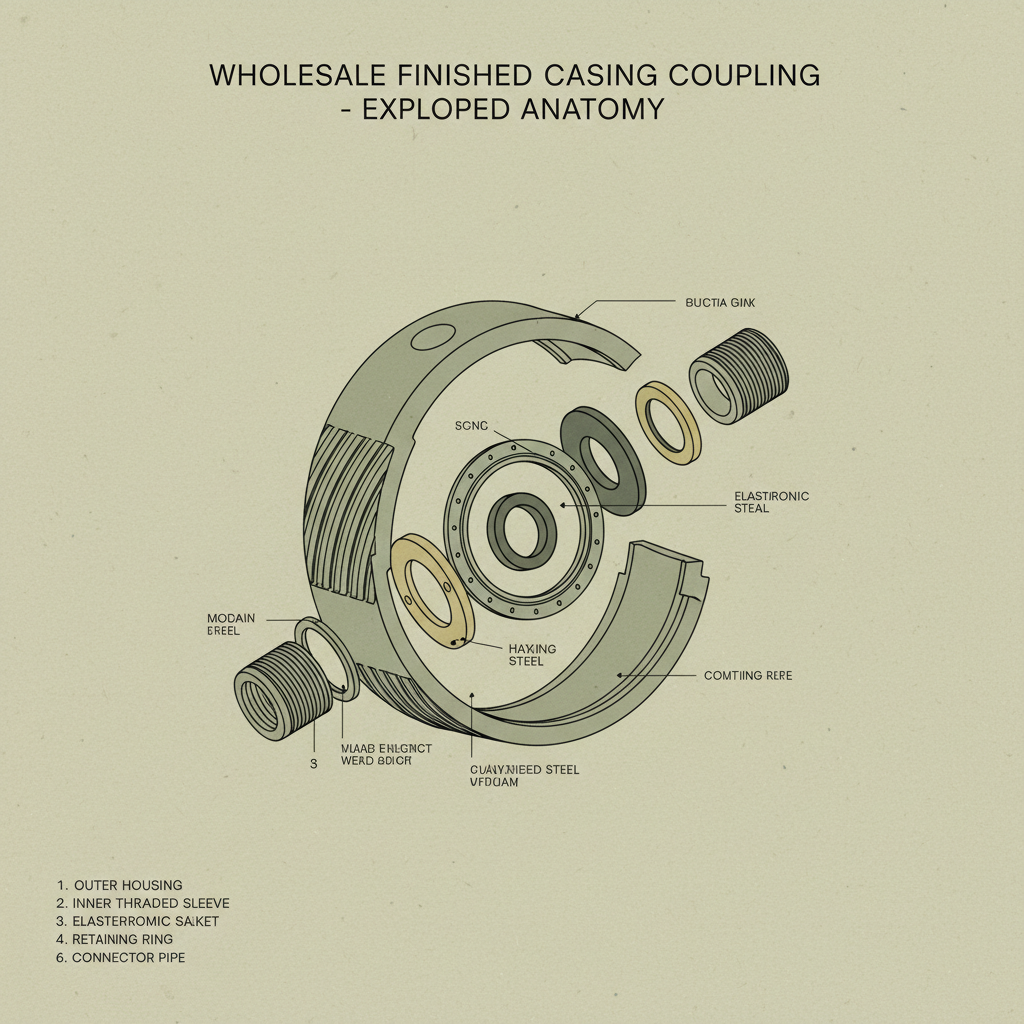
The practical application of what is a bull plug spans from onshore refineries to remote offshore platforms. In the context of Casing Pup Joints and Tubing Couplings, these plugs are often used to isolate sections of the string during maintenance or to seal off unused ports in a Christmas tree assembly.
In remote industrial zones, such as the Siberian tundra or the Australian Outback, the reliability of these seals is vital because maintenance crews may be days away. A failed plug in a remote pumping station can lead to massive production losses, making the selection of heavy-duty, certified bull plugs a logistical priority.
Performance Rating of Sealing Methods
Advantages and Long-Term Value
The primary advantage of using a bull plug over other closure methods is the combination of strength and accessibility. While a welded cap is permanent, a bull plug can be removed with the right tooling, allowing for future system expansion or inspection without destroying the pipeline architecture.
From a logical and emotional standpoint, these components provide "peace of mind" to the operator. The trust placed in a high-quality seal ensures that workers on a rig can focus on extraction rather than worrying about sudden leaks. This reliability translates directly into lower insurance premiums and better safety records for the company.
Future Trends and Innovations
As the industry pivots toward "Green Oil" and carbon capture and storage (CCS), the requirements for what is a bull plug are evolving. We are seeing a shift toward "smart plugs" that may incorporate sensors to detect pressure drops or leakages in real-time, feeding data back to a centralized digital twin of the oil field.
Material science is also advancing. New nanocoatings are being applied to threaded surfaces to virtually eliminate galling and friction during installation. These innovations ensure that even in extreme Arctic or Desert conditions, the seal can be achieved quickly and securely.
Furthermore, automation is playing a role. Robotic installation systems are being developed for subsea environments, where a specialized tool can drive a bull plug into a manifold without the need for human divers, significantly reducing the risk to human life.
Challenges and Solutions in Sealing
One of the most common challenges in the field is "over-torquing." When workers try too hard to ensure a seal, they can strip the threads or cause a stress fracture in the plug body. The solution lies in the implementation of calibrated torque wrenches and standardized installation protocols that specify the exact foot-pounds required for a leak-proof seal.
Another issue is the mismatch of materials, which leads to galvanic corrosion. When a stainless steel plug is inserted into a carbon steel pipe, the two metals can react. Expert insight suggests using dielectric isolators or specific plating to prevent this chemical reaction from compromising the integrity of the joint.
Finally, the challenge of "stuck" plugs due to scale build-up is prevalent. By using specialized anti-seize compounds and choosing the correct alloy, operators can ensure that the plug can be removed years later during decommissioning without requiring the entire section of pipe to be cut out.
Analysis of Bull Plug Specifications by Application Environment
| Environment Type |
Recommended Material |
Pressure Rating |
Maintenance Cycle |
| Standard Onshore |
Carbon Steel (AISI 1045) |
Moderate (5,000 PSI) |
5 Years |
| Deepwater Offshore |
Super Duplex Steel |
Extreme (15,000+ PSI) |
2 Years |
| Sour Gas Wells |
Inconel 718 |
High (10,000 PSI) |
1 Year |
| Arctic Drilling |
Low-Temp Alloy Steel |
Moderate (8,000 PSI) |
3 Years |
| Refinery Piping |
316 Stainless Steel |
Low (2,000 PSI) |
10 Years |
| HPHT Reservoirs |
Custom Forged Alloy |
Critical (20,000 PSI) |
Annual |
FAQS
The primary difference lies in the threading. A bull plug has external (male) threads and is screwed into a female fitting. A pipe cap has internal (female) threads and fits over the end of a pipe. Because bull plugs are often forged as a single solid piece of metal, they are generally considered more robust for high-pressure sealing applications.
No, standard carbon steel is susceptible to sulfide stress cracking (SSC) in the presence of H2S. For sour gas environments, you must use materials that meet NACE MR0175 standards, such as specific grades of stainless steel or Inconel, to prevent catastrophic brittle failure.
Leak-proofing is achieved through a combination of correct thread engagement, the use of approved thread sealants (like PTFE tape or specialized pipe dope), and applying the manufacturer-specified torque. Over-tightening can damage the threads, while under-tightening will lead to leaks.
Yes, they are manufactured to various API and ASME pressure classes (e.g., 2000, 5000, 10,000, and 15,000 PSI). The rating depends on the wall thickness of the plug and the grade of the material used. Always verify the pressure rating is equal to or greater than the maximum system pressure.
First, attempt to use a penetrating oil and a heavy-duty pipe wrench. If that fails, induction heating can be used to expand the surrounding fitting slightly. As a last resort, the plug may need to be drilled out or the fitting cut, though this is costly and time-consuming.
Yes, especially in corrosive or high-vibration environments. Visual inspections for external corrosion and ultrasonic testing for internal wall thinning are recommended. In critical HPHT wells, these should be part of a scheduled preventive maintenance program.
Conclusion
In summary, understanding what is a bull plug is essential for anyone involved in the design, maintenance, or operation of oil and gas piping systems. From its basic definition as a male-threaded sealing device to its complex application in HPHT reservoirs, the bull plug represents the critical final line of defense against leaks and pressure failure. By prioritizing material grade, thread precision, and correct installation torque, operators can ensure maximum safety and operational longevity.
Looking forward, the integration of smart materials and digital monitoring will further elevate the role of these components from passive seals to active safety sensors. As the industry pushes further into extreme environments, the reliance on precision-engineered hardware will only grow. We recommend that all procurement teams audit their current sealing components to ensure they meet the latest ISO and API standards for safety. For high-quality drilling and piping solutions, visit our website: www.wjpetroleum.com.