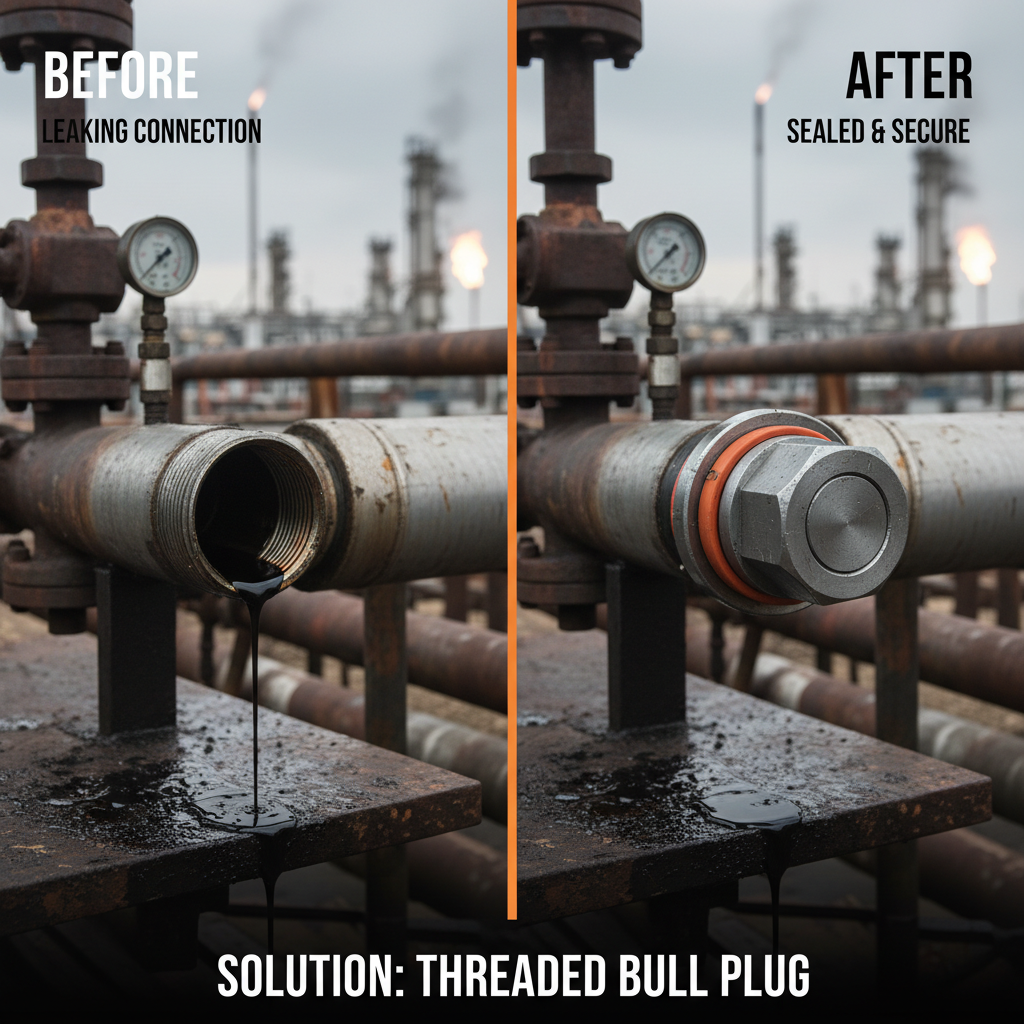
In the complex world of oil and gas drilling, ensuring the integrity of a piping system is paramount to safety and operational efficiency. When engineers and field technicians ask, what is bull plug, they are referring to a critical sealing component designed to close off the end of a pipe or a fitting. These heavy-duty plugs are not merely caps; they are precision-engineered stoppers that prevent leaks and protect internal systems from contamination during dormant phases or specific drilling operations.
Understanding the specifics of a bull plug is essential for maintaining high-pressure environments where any failure could lead to catastrophic blowouts or environmental hazards. By providing a secure, threaded seal, these components allow operators to isolate sections of the wellbore or surface equipment without needing to dismantle the entire assembly. This functionality is vital across various stages of the lifecycle of oil and gas extraction, from initial exploration to long-term production.
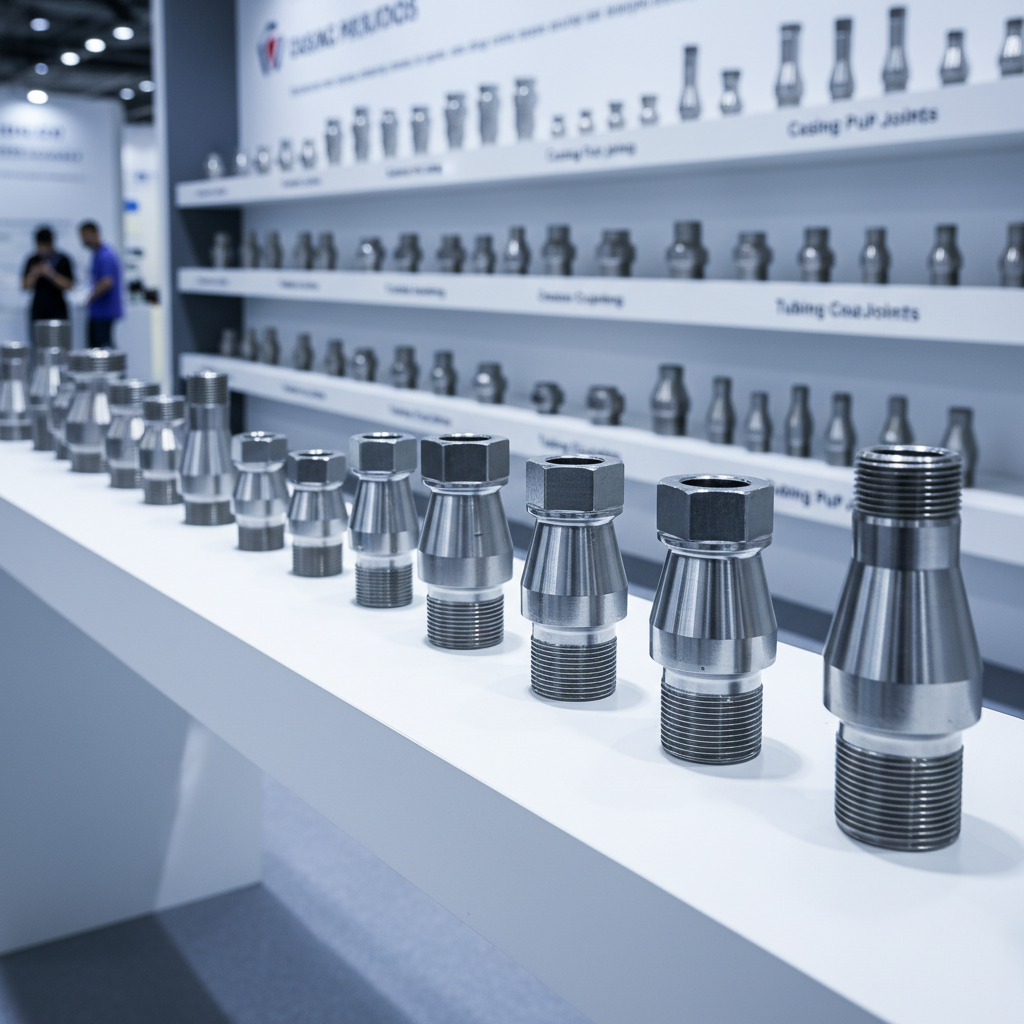
Globally, the demand for high-grade sealing solutions has surged as drilling moves into deeper and more hostile environments, such as ultra-deepwater or high-pressure high-temperature (HPHT) reservoirs. The bull plug serves as a fundamental safeguard in these scenarios, ensuring that the connection points of Casing Pup Joints, Crossover, and Tubing couplings remain airtight. Mastering the selection and application of these plugs is a hallmark of professional drilling engineering and rigorous safety compliance.
Global Industry Context of Bull Plugs
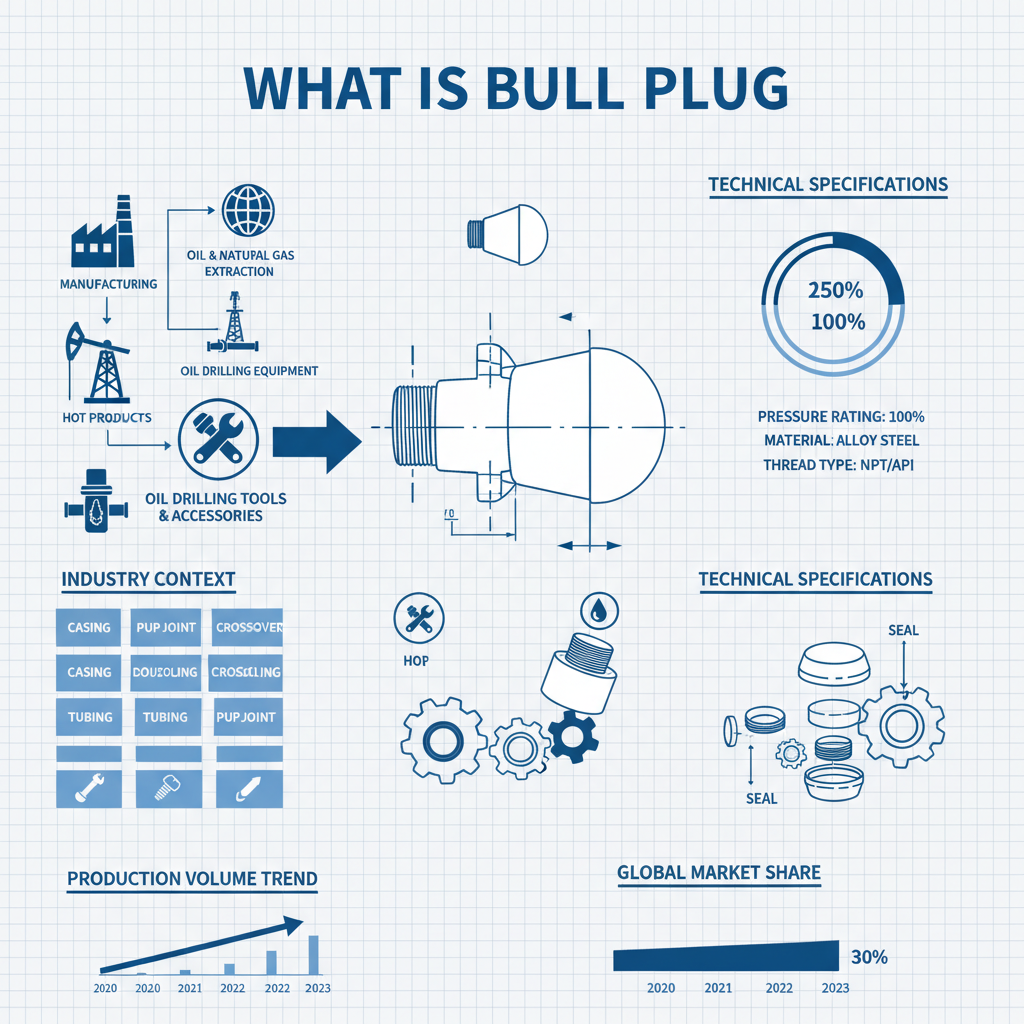
On a global scale, the oil and gas industry operates under stringent ISO and API (American Petroleum Institute) standards to mitigate the risks associated with high-pressure fluid transport. The question of what is bull plug becomes highly relevant when analyzing the failures of pressure-containing equipment. Statistics indicate that a significant percentage of leaks in surface manifolds occur at terminal points where sealing is inadequate, highlighting the need for robust plugging solutions.
In regions like the Permian Basin or the North Sea, where extreme temperature fluctuations and corrosive saltwater are present, the reliability of a bull plug can be the difference between a successful maintenance window and a costly unplanned shutdown. The industry faces a constant challenge: balancing the need for quick installation with the requirement for a permanent, leak-proof seal that can withstand thousands of PSI.
Detailed Definition and Meaning of Bull Plugs
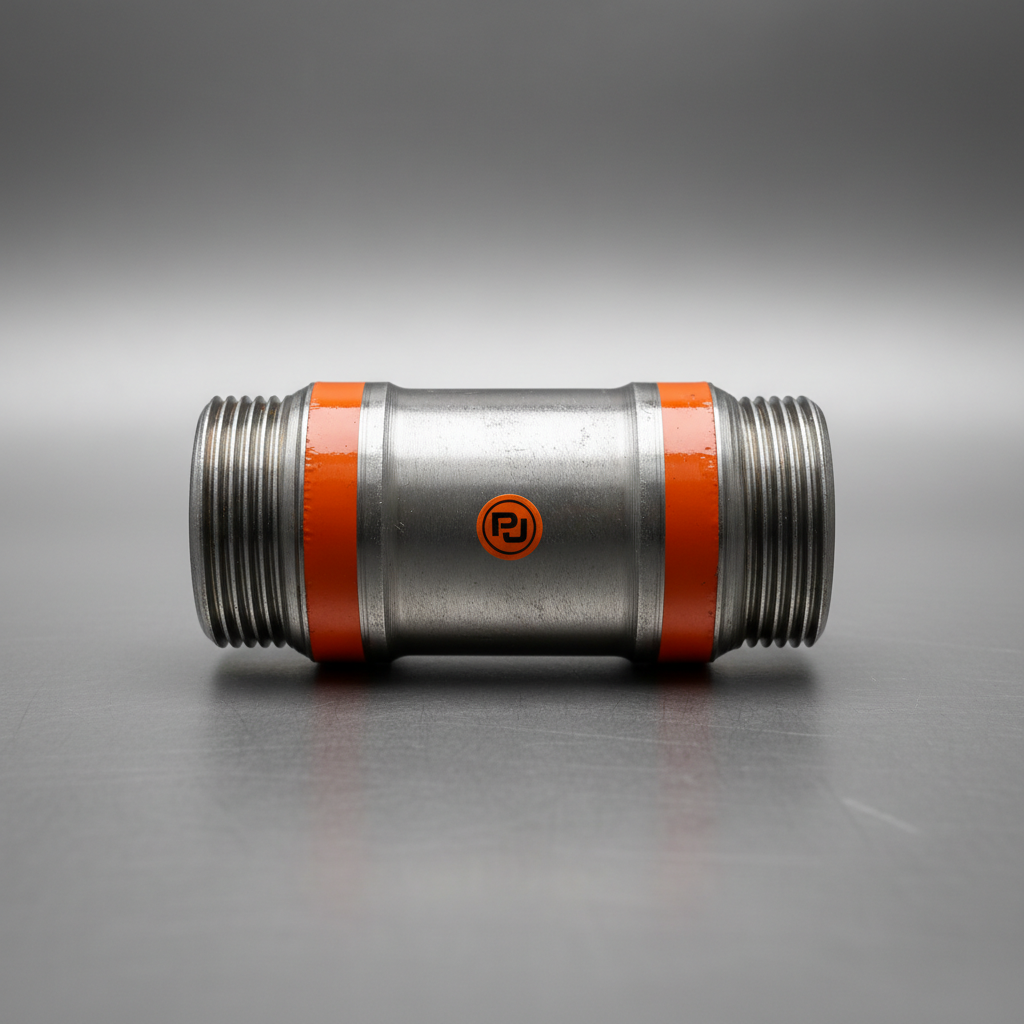
To put it simply, when asking what is bull plug, you are looking at a heavy-duty pipe fitting used to close the end of a pipe. Unlike a standard cap, which fits over the outside of a pipe, a bull plug is threaded into the female end of a fitting or a pipe. This design creates a more secure internal seal, making it the preferred choice for high-pressure applications where external caps might be knocked off or fail under tension.
In the context of modern petroleum manufacturing, bull plugs are inextricably linked to the integrity of the "string." Whether they are used in conjunction with Tubing Coupling or Casing Coupling, these plugs ensure that the system remains a closed loop. They are essentially the "dead-ends" of the industrial circulatory system, preventing the ingress of debris and the egress of hazardous hydrocarbons.
Beyond the technical definition, these components represent a critical safety layer in humanitarian and industrial zones. In remote drilling sites, the ability to quickly seal a line using a bull plug allows for rapid response during emergency shutdowns, ensuring that hazardous materials are contained and the surrounding environment is protected from spills.
Core Components and Engineering Factors
Durability is the foremost factor when analyzing what is bull plug composition. Most high-performance plugs are forged from carbon steel, stainless steel, or specialized alloys like Inconel to resist corrosion. The metallurgical properties must ensure that the plug does not deform under the immense axial loads common in oil well operations.
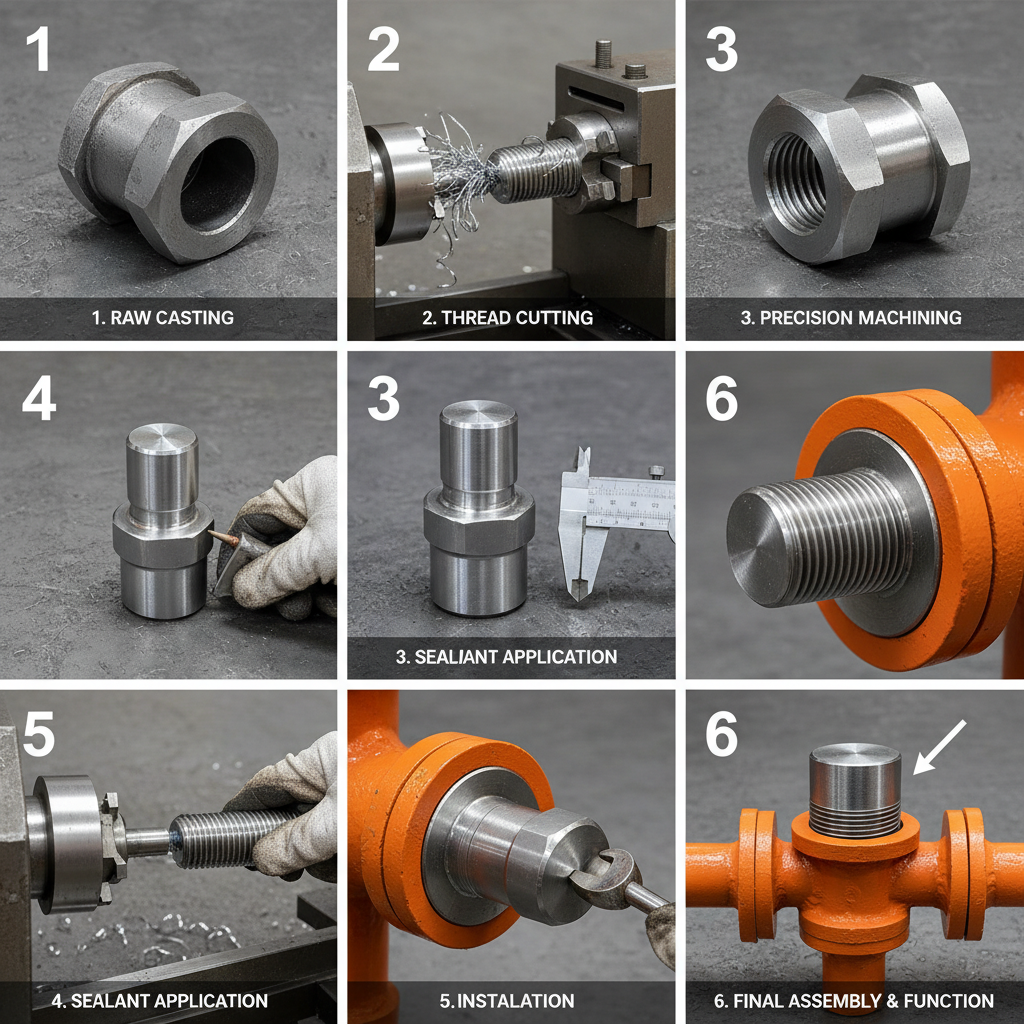
Thread Precision is another critical component. A bull plug must adhere to API thread standards to ensure a perfect match with the internal threads of a Crossover or Tubing Pup Joint. Any deviation in the pitch or angle of the threads can lead to "galling" or leak paths, which undermines the primary purpose of the plug.
Cost-Efficiency and Scalability are also considered. While a single plug is a small component, the sheer volume required for a global drilling project means that manufacturing processes must be optimized. Engineers look for solutions that provide maximum sealing reliability without adding unnecessary weight or cost to the overall assembly.
Global Applications and Field Use Cases
In real-world contexts, the application of bull plugs varies by region and operational need. In the Middle East's onshore fields, they are frequently used to seal off unused ports in manifold systems to prevent the accumulation of sand and dust, which could otherwise contaminate the fluid stream. In these remote industrial zones, the simplicity of the bull plug makes it an indispensable tool for field technicians.
Another critical use case is found in offshore platforms in the Gulf of Mexico. During the installation of Casing Pup Joints or the testing of Tubing Coupling, bull plugs are used to isolate specific segments for pressure testing. This allows engineers to verify the integrity of the seal at each joint before proceeding with the full completion of the well.
Performance Analysis of Bull Plug Sealing Methods
Long-term Value and Safety Advantages
The long-term value of utilizing high-quality bull plugs extends beyond simple leak prevention. From a financial perspective, the use of API-certified plugs reduces the risk of catastrophic failure, which can cost companies millions in fines and cleanup efforts. The reliability of these components fosters a culture of trust and safety among the rig crew, knowing that the "dead-ends" of their system are secure.
Moreover, the sustainability impact is significant. By preventing hydrocarbon leaks, bull plugs directly contribute to the reduction of greenhouse gas emissions and soil contamination. This aligns with the global shift toward "Green Drilling," where innovation is focused not just on extraction, but on the total containment of pollutants throughout the process.
Future Trends in Sealing Technology
Looking ahead, the evolution of the bull plug is being driven by digital transformation and material science. We are seeing the emergence of "Smart Plugs" embedded with sensors that can communicate the internal pressure and seal integrity to a remote control room via IoT protocols. This removes the need for manual inspection in hazardous areas, greatly enhancing operator safety.
Furthermore, the adoption of additive manufacturing (3D printing) is allowing for the creation of complex internal geometries within the plug to optimize flow redirection during installation or to create lighter, stronger components using titanium alloys. These innovations ensure that the answer to what is bull plug will soon include "intelligent containment device."
Automation is also playing a role, with robotic arms now capable of installing and removing these plugs during automated maintenance cycles. This reduces human exposure to high-pressure lines and ensures that the torque applied to the plug is consistent every time, eliminating the risk of human error in tightening.
Common Challenges and Technical Solutions
Despite their simplicity, bull plugs face several challenges in the field. One of the most common issues is "thread seizing," where the plug becomes permanently stuck due to corrosion or over-torquing. This often requires expensive cutting tools to remove, causing downtime. The solution lies in the application of specialized anti-seize compounds and the use of premium alloys that resist chemical bonding.
Another limitation is the potential for "micro-leaks" in ultra-high-pressure environments. Traditional tapered threads may not always provide a 100% hermetic seal. To overcome this, engineers are implementing hybrid designs that combine a threaded bull plug with an internal elastomeric O-ring or a metal-to-metal seal face, providing a dual barrier of protection.
Finally, the lack of standardization across legacy equipment can lead to compatibility issues. Many older wells use non-standard thread patterns, making it difficult to source a matching plug. The industry solution is the development of custom-engineered Crossover plugs that can bridge the gap between old and new standards, ensuring seamless integration.
Technical Comparison of Bull Plug Material Performance
| Material Type |
Corrosion Resistance |
Pressure Rating |
Cost Index |
| Carbon Steel |
Low (Requires Coating) |
High |
1-3 |
| Stainless Steel 316 |
Medium-High |
Medium |
4-6 |
| Duplex Steel |
High |
High |
7-8 |
| Inconel 718 |
Extreme |
Extreme |
9-10 |
| Titanium Alloy |
Extreme |
Medium-High |
10+ |
| Chrome-Plated Steel |
Medium |
High |
3-5 |
FAQS
The primary difference lies in how they seal the pipe. A pipe cap fits over the outside of the pipe (female connection), while a bull plug threads into the inside of a fitting or pipe (male connection). Bull plugs are generally preferred in high-pressure oil and gas applications because they provide a more secure, internal seal that is less likely to be dislodged by external forces.
Selection depends on the specific chemicals present (e.g., H2S or CO2). For mild environments, carbon steel with coating suffices. For saltwater or acidic conditions, Stainless Steel 316 or Duplex Steel is recommended. In extreme HPHT (High Pressure High Temperature) wells, Inconel is the industry standard due to its superior resistance to stress-corrosion cracking.
Typically, no. A bull plug is used for operational isolation or temporary sealing. For permanent well abandonment, specialized cement plugs or bridge plugs are used to create a permanent geological barrier. Bull plugs are designed for removal during maintenance or reconfiguration, whereas abandonment plugs are designed to stay forever.
Over-torquing can lead to "thread galling," where the metal surfaces weld together due to friction and pressure. This can permanently damage the threads of the expensive manifold or pipe fitting, making it impossible to remove the plug without cutting it out. Always use a calibrated torque wrench and API-approved thread lubricant.
Only if the thread specifications (size, pitch, and taper) match perfectly. Bull plugs are manufactured to specific API standards. If you are using a non-standard Tubing Coupling, you will need a custom-machined plug or a Crossover adapter to ensure a leak-proof seal. Always verify the thread gauge before installation.
Inspection intervals depend on the volatility of the environment. In highly corrosive offshore settings, visual inspections and ultrasonic thickness testing are recommended every 6-12 months. For onshore, stable environments, inspections can be part of the annual shutdown maintenance. Look for signs of pitting, oxidation, or thread deformation.
Conclusion
In summary, the answer to what is bull plug reveals a component that is small in size but monumental in importance. From its role as a high-pressure seal to its contribution to environmental safety and operational efficiency, the bull plug is a cornerstone of drilling engineering. By focusing on material quality, thread precision, and proper installation, operators can ensure the long-term integrity of their piping systems, from Casing Pup Joints to complex manifold assemblies.
As the industry evolves toward smarter, greener extraction methods, the bull plug will continue to adapt, integrating IoT sensors and advanced alloys to meet the challenges of the future. We recommend that all oil and gas operators prioritize API-certified sealing components to minimize risk and maximize uptime. For those seeking premium, precision-engineered drilling tools and accessories, visit our website: www.wjpetroleum.com.