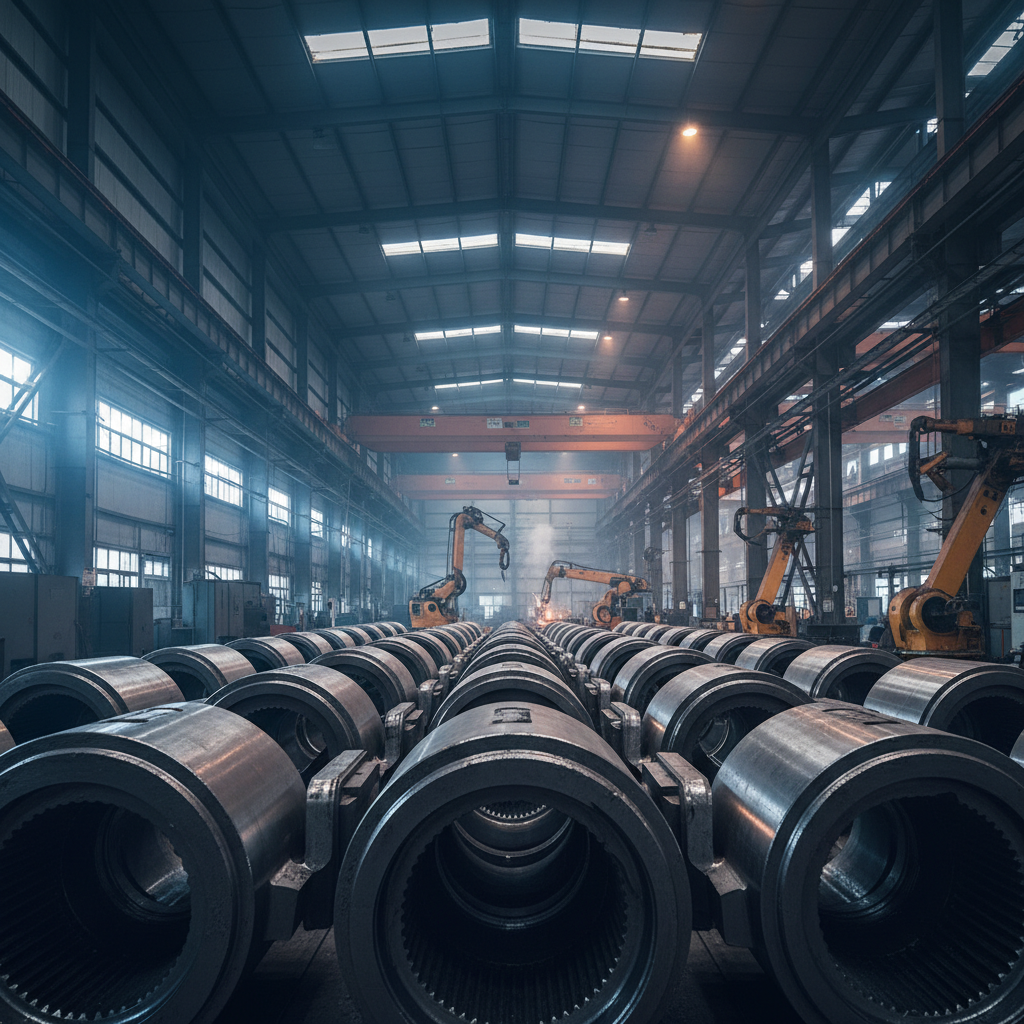
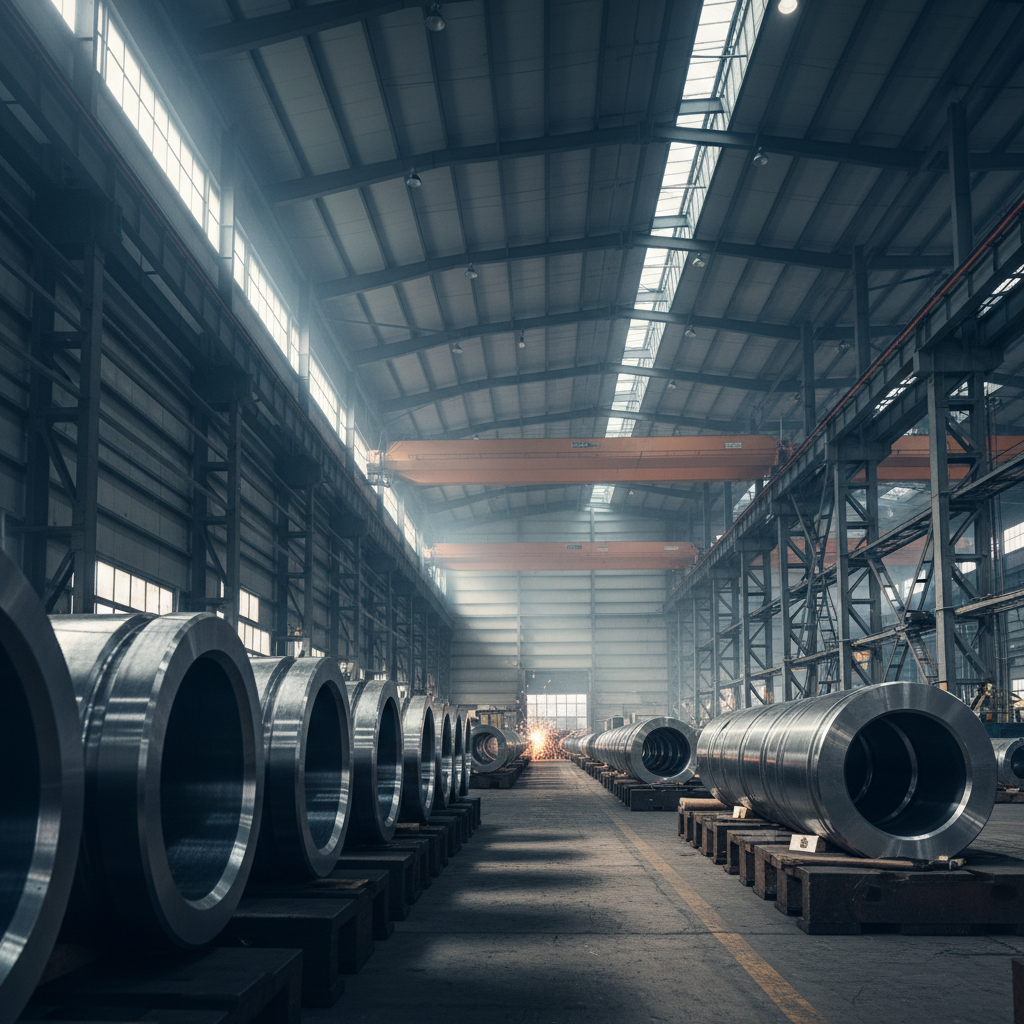
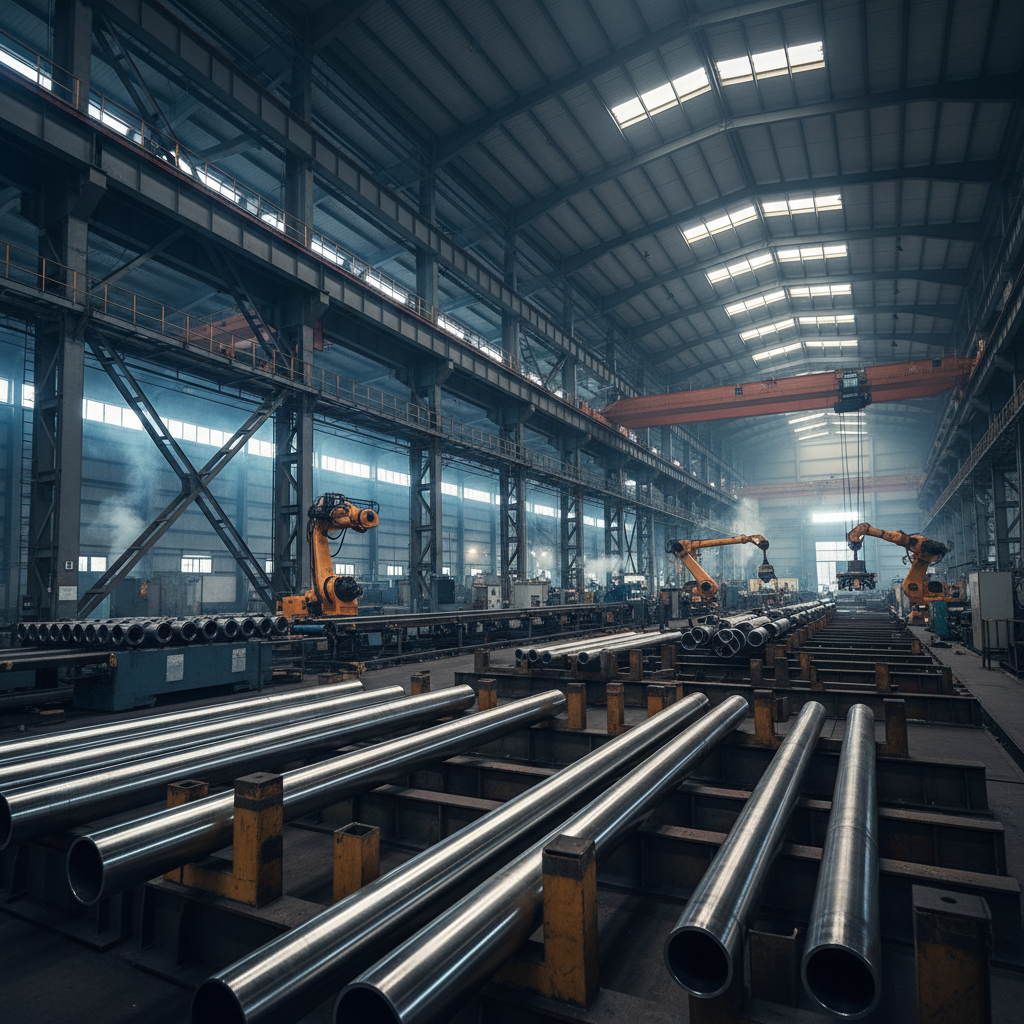
Casing threads and couplings are foundational components in well construction, critical for ensuring the integrity and safety of oil and gas operations, and increasingly, for geothermal and carbon capture projects. Their role extends beyond merely connecting pipe sections; they provide a pressure-tight seal that prevents fluid migration and maintains wellbore stability. Understanding the nuances of these connections—from thread form to material selection—is paramount for optimizing well performance and preventing costly failures. The global energy demand continues to rise, making the efficiency and reliability of these components more vital than ever.
Globally, the oil and gas industry spends billions annually on casing and associated components like threads and couplings. According to the IADC (International Association of Drilling Contractors), well integrity issues, often stemming from connection failures, contribute significantly to non-productive time (NPT) during drilling and completion, costing the industry an estimated $10-20 billion per year. ISO standards play a crucial role in setting quality benchmarks for these components, yet challenges remain in adapting these standards to new materials and complex well designs. The ongoing energy transition is also influencing demand, with increased focus on materials compatible with hydrogen and carbon capture applications.
The effective implementation of casing threads and couplings directly addresses these challenges by ensuring the long-term stability and safety of energy infrastructure. Investment in robust connection systems translates directly to reduced operational costs, minimized environmental risk, and increased energy production. The evolving landscape demands continuous innovation in this field to meet the challenges of deeper wells, harsher environments, and the demands of a diversifying energy portfolio.
Introduction to casing threads and couplings
Casing threads and couplings represent a critical juncture in the wellbore construction process. They are not simply connectors; they are engineered systems responsible for maintaining well integrity under extreme pressure, temperature, and corrosive conditions. The selection and implementation of appropriate casing threads and couplings are inextricably linked to overall well safety and long-term production efficiency. casing threads and couplings quality directly impacts the ability to safely extract resources and protect the surrounding environment.
The industry continually evolves, pushing the boundaries of well design and operating conditions. This evolution demands increasingly sophisticated casing threads and couplings capable of withstanding these challenges. New materials, advanced manufacturing techniques, and rigorous testing protocols are constantly being developed to enhance performance and reliability. The ability to effectively manage the stress and strain on these connections is essential for preventing catastrophic failures and ensuring the sustainability of oil and gas operations.
Defining casing threads and couplings
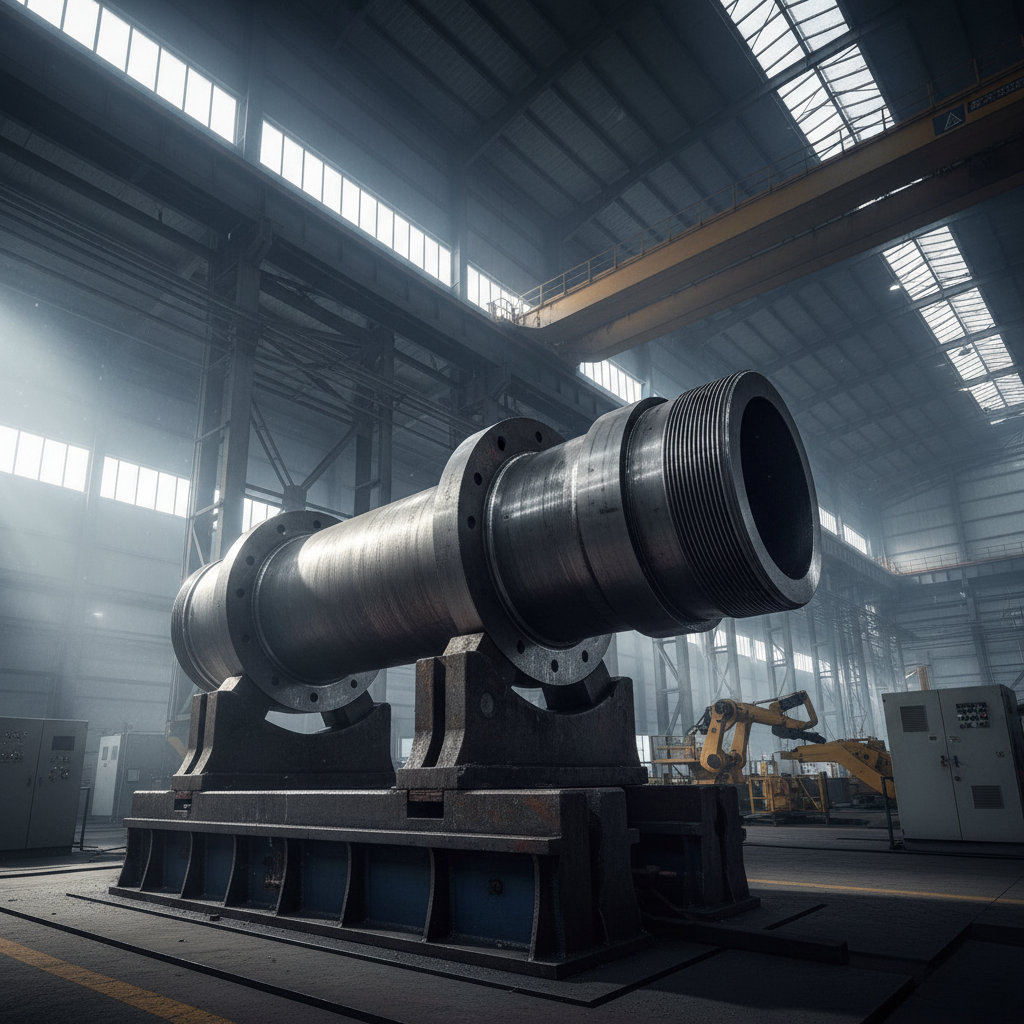
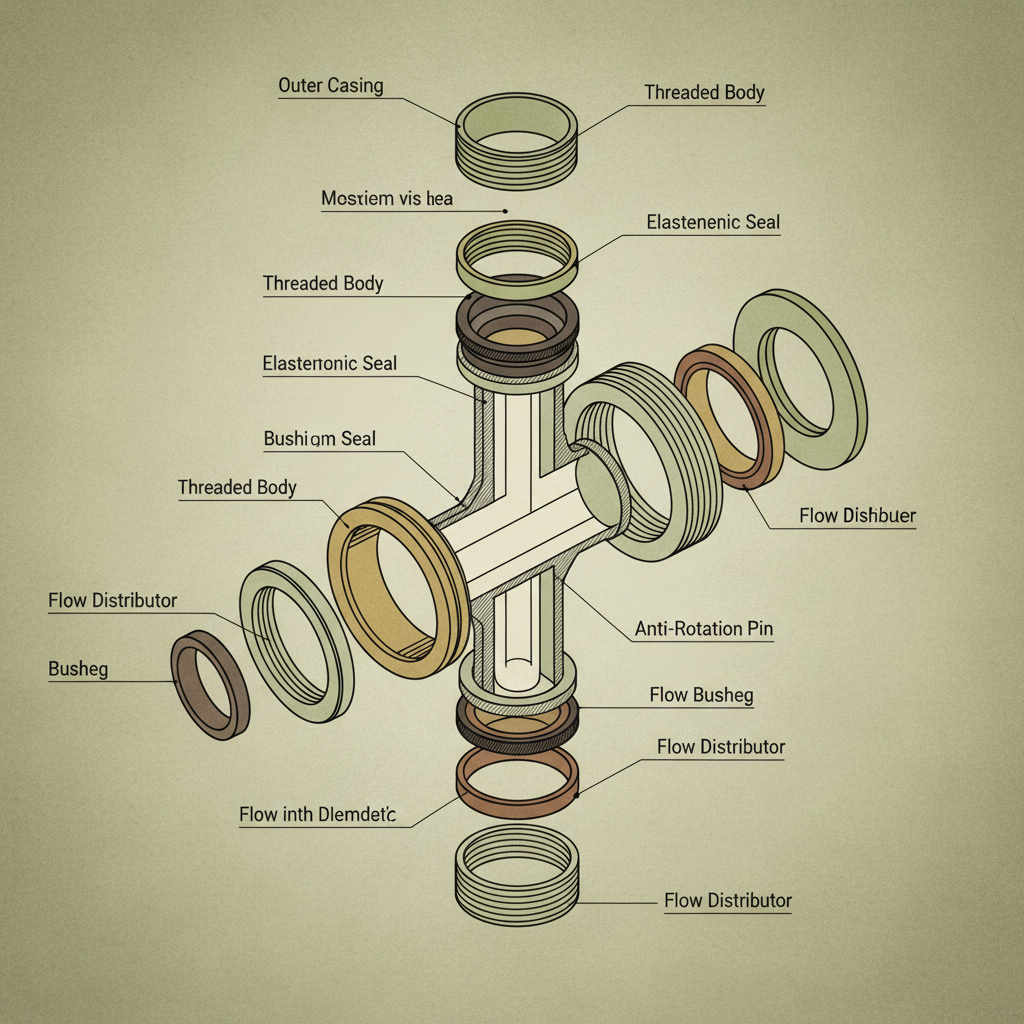
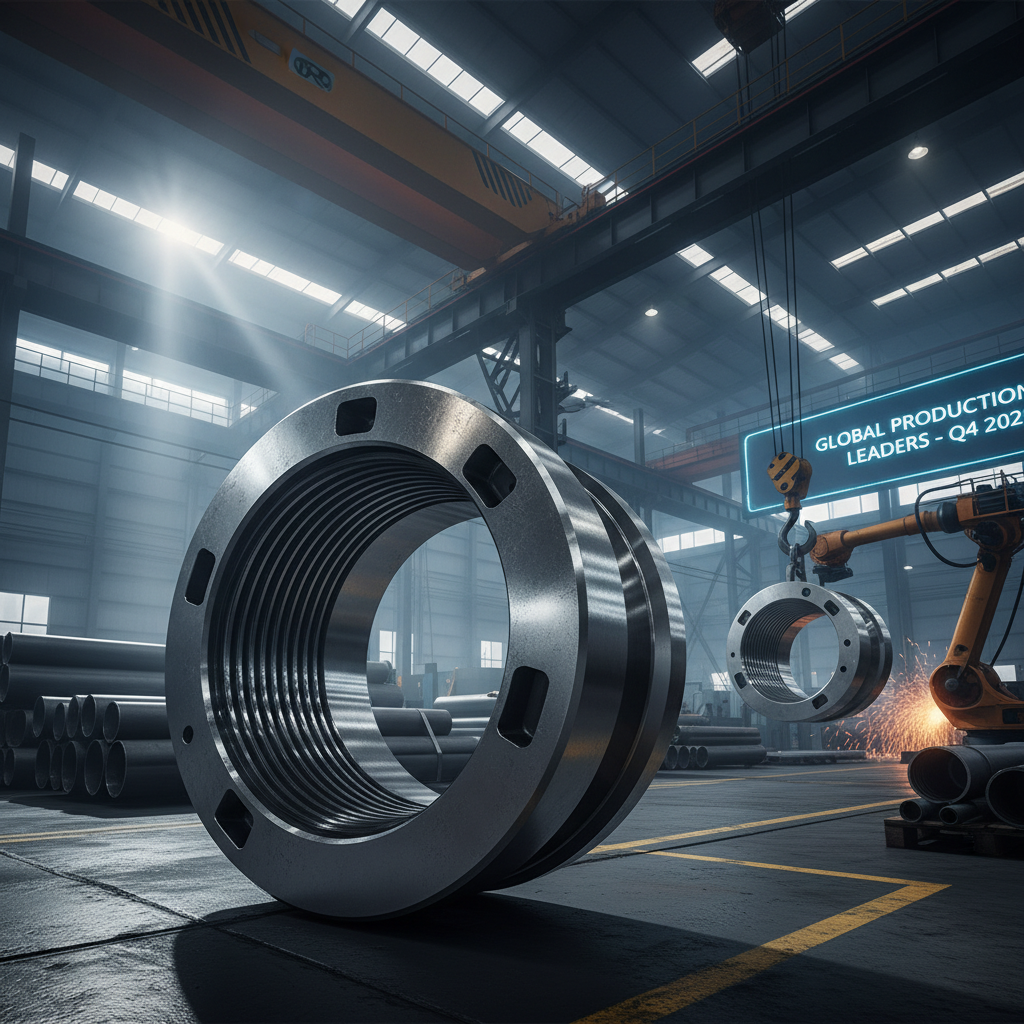
Casing threads are the helical ridges cut into the ends of casing pipes, designed to interlock with corresponding threads on couplings. Couplings, in turn, are cylindrical connectors that join sections of casing together to achieve the required well depth. Together, they create a pressure-tight seal that isolates zones within the wellbore and prevents fluid migration. This system is fundamental to maintaining wellbore stability and controlling formation pressures.
The connection between the casing and coupling relies on precise machining and tight tolerances. Thread form, pitch, lead, and root profiles all contribute to the connection’s strength and sealing capacity. Different thread designs are optimized for specific applications, considering factors like pipe diameter, material grade, and anticipated loads. Proper thread dope application is also crucial to ensure optimal sealing and prevent galling or corrosion.
In the broader context of modern industry, casing threads and couplings embody the principles of precision engineering and robust design. Their relevance extends beyond the oil and gas sector, finding applications in geothermal energy extraction, carbon capture and storage, and even large-diameter pipeline construction. They represent a vital link in infrastructure projects worldwide, contributing to global energy security and environmental protection.
Key Factors in casing threads and couplings Design
Durability: The ability of casing threads and couplings to withstand corrosive environments, high pressures, and cyclical loading is paramount. Material selection – often high-alloy steels – plays a crucial role, alongside protective coatings and surface treatments. Ensuring long-term reliability minimizes the risk of failures and reduces the need for costly workovers. casing threads and couplings are tested rigorously to ensure this durability.
Pressure Integrity: Maintaining a pressure-tight seal is the primary function of casing threads and couplings. This requires precise thread geometry, proper torque application, and the use of appropriate sealing compounds. The connection must be capable of withstanding the maximum anticipated wellbore pressure without leakage or deformation.
Load Capacity: Casing threads and couplings must be able to bear substantial tensile, compressive, and torsional loads encountered during drilling, completion, and production. This is especially critical in deviated and horizontal wells, where lateral forces can be significant. Thread design and material strength are key determinants of load-carrying capacity.
Corrosion Resistance: Downhole environments are often highly corrosive, containing substances like hydrogen sulfide, carbon dioxide, and chlorides. Selecting corrosion-resistant materials and applying appropriate coatings are essential for preventing thread degradation and maintaining connection integrity.
Ease of Make-up and Break-out: While strength is vital, casing threads and couplings must also be relatively easy to install and disassemble. This minimizes rig time and reduces the risk of damage during make-up and break-out operations. Proper lubrication and thread geometry contribute to efficient operation.
Compliance with Standards: Adherence to industry standards, such as API specifications, ensures consistent quality and interchangeability. This reduces the risk of compatibility issues and simplifies logistics.
Global Applications of casing threads and couplings
Casing threads and couplings are essential across the global oil and gas industry, supporting operations in diverse environments, from the shallow waters of the Gulf of Mexico to the deepwater fields off the coast of Brazil and the challenging Arctic regions. They are also critical in shale gas development in North America and conventional oil production in the Middle East. The application adapts to local geological conditions and regulatory requirements.
Beyond oil and gas, there’s a growing demand for robust casing connections in geothermal energy projects. Utilizing casing threads and couplings in these projects involves handling high-temperature fluids and corrosive geothermal brines, requiring specialized materials and designs. Carbon capture and storage initiatives are also increasingly reliant on reliable casing systems to securely isolate CO2 reservoirs.
In post-disaster relief operations, rapid deployment of water wells using pre-threaded casing sections is becoming increasingly common, providing access to clean drinking water in emergency situations. Similarly, in remote industrial zones lacking developed infrastructure, pre-assembled casing strings with pre-applied couplings can significantly reduce installation time and costs.
casing threads and couplings Performance Comparison
Advantages and Value of casing threads and couplings
The use of high-quality casing threads and couplings delivers substantial benefits across the lifecycle of a well. Reduced NPT (Non-Productive Time) during drilling and completion translates directly into cost savings, often reaching millions of dollars per well. Enhanced well integrity minimizes the risk of blowouts and environmental damage, protecting both human life and the ecosystem. The long-term reliability of these connections contributes to sustained production and increased revenue.
From a sustainability perspective, robust casing threads and couplings reduce the frequency of well interventions and workovers, lowering the carbon footprint associated with these operations. Investing in durable, corrosion-resistant connections reduces the need for premature replacements, conserving resources and minimizing waste. Moreover, reliable well integrity is paramount for responsible resource management and environmental stewardship.
Future Trends in casing threads and couplings
The future of casing threads and couplings is inextricably linked to advancements in materials science, digital technologies, and sustainable practices. Research into novel alloys, including high-strength, corrosion-resistant superalloys, is paving the way for connections capable of withstanding increasingly demanding conditions. Digital twins and predictive maintenance algorithms are being deployed to monitor connection health and optimize torque application.
Automation and robotics are also playing a growing role in the make-up and break-out of casing connections, improving efficiency, reducing human error, and enhancing safety. Furthermore, the development of biodegradable or recyclable casing materials is gaining traction, aligning with the industry's commitment to environmental responsibility.
The integration of AI-powered inspection systems promises to revolutionize quality control, enabling the detection of microscopic defects that could compromise connection integrity. These technologies will be crucial for ensuring the reliability of casing systems in the context of emerging energy applications like hydrogen storage and carbon sequestration.
Challenges and Solutions in casing threads and couplings
Despite significant advancements, several challenges remain in the realm of casing threads and couplings. Galling and corrosion remain persistent threats, particularly in harsh downhole environments. The increasing complexity of well designs, including extended-reach drilling and multi-lateral wells, places greater stress on connections. The need for faster installation and more efficient operation continues to drive innovation.
Addressing these challenges requires a multi-faceted approach. Advanced coatings and surface treatments can enhance corrosion resistance and reduce friction. Optimized thread designs can improve load capacity and sealing performance. The adoption of automated make-up and break-out systems can minimize human error and accelerate operations. Furthermore, collaboration between manufacturers, operators, and research institutions is essential for developing innovative solutions.
Leveraging digital technologies, such as finite element analysis and computational fluid dynamics, allows for more accurate modeling and optimization of connection behavior. Implementing robust quality control procedures and utilizing non-destructive testing methods are crucial for identifying potential defects and ensuring long-term reliability.
Overview of Casing Thread & Coupling Performance Metrics
| Thread Type |
Tensile Strength (PSI) |
Corrosion Resistance (1-10) |
Make-up Torque (ft-lbs) |
| API Regular |
650,000 |
5 |
15,000 |
| Premium Buttress |
800,000 |
7 |
25,000 |
| Semi-Premium NC |
720,000 |
6 |
20,000 |
| VAM Top |
950,000 |
8 |
30,000 |
| Tenaris Hydrolok |
850,000 |
9 |
28,000 |
| Grant Premium |
780,000 |
7 |
22,000 |
FAQS
API casing threads and couplings are standardized connections meeting minimum industry requirements, suitable for general applications. Premium connections, on the other hand, offer enhanced performance – higher tensile strength, improved sealing, and greater corrosion resistance – making them ideal for challenging environments like deepwater or sour gas wells. The increased cost of premium connections is justified by their enhanced reliability and reduced risk of failure.
Thread dope serves as a lubricant and sealant, reducing friction during make-up and preventing galling. It also helps create a pressure-tight seal by filling microscopic imperfections in the thread surfaces. The correct type of thread dope must be selected based on the pipe material, operating temperature, and potential exposure to corrosive fluids. Improper dope application can lead to connection failures.
Accurate torque control is crucial for achieving the optimal preload in the casing connection, ensuring a proper seal and maximizing load-carrying capacity. Under-torquing can result in leakage, while over-torquing can damage the threads. Computerized torque monitoring systems are commonly used to ensure consistent and accurate torque application.
Casing connections undergo rigorous inspection throughout the manufacturing process and after installation. Non-destructive testing (NDT) methods, such as magnetic particle inspection (MPI), ultrasonic testing (UT), and visual inspection, are used to detect surface and subsurface defects. Regular inspection during well operations can also identify potential issues before they escalate.
Recent advancements include the development of duplex stainless steels, super duplex stainless steels, and nickel-based alloys offering significantly enhanced corrosion resistance compared to traditional carbon steels. Coatings, such as ceramic coatings and polymer linings, are also used to protect casing from corrosive environments. Research continues to explore new materials and coatings for even greater durability.
High wellbore temperatures can significantly affect the mechanical properties of casing materials and can accelerate corrosion rates. Casing threads and couplings must be designed to maintain their strength and sealing capacity at elevated temperatures. Thermal expansion and contraction can also induce stresses in the connection, requiring careful consideration during design and installation.
Conclusion
In conclusion, casing threads and couplings are integral to the safety, efficiency, and sustainability of energy operations worldwide. Their role extends beyond simply connecting pipe sections, encompassing well integrity, environmental protection, and long-term resource management. Understanding the key factors influencing their design, application, and performance is critical for optimizing well construction and maximizing production. Continuous innovation in materials, manufacturing, and inspection techniques is essential to address the evolving challenges of the industry.
Looking ahead, the integration of digital technologies, the adoption of sustainable materials, and a commitment to rigorous quality control will be paramount for ensuring the reliability and longevity of casing connections. Investing in robust casing thread and coupling systems is not merely a cost of doing business, but rather a strategic investment in a secure and sustainable energy future. Visit our website at www.wjpetroleum.com to learn more about our comprehensive range of casing threads and couplings.