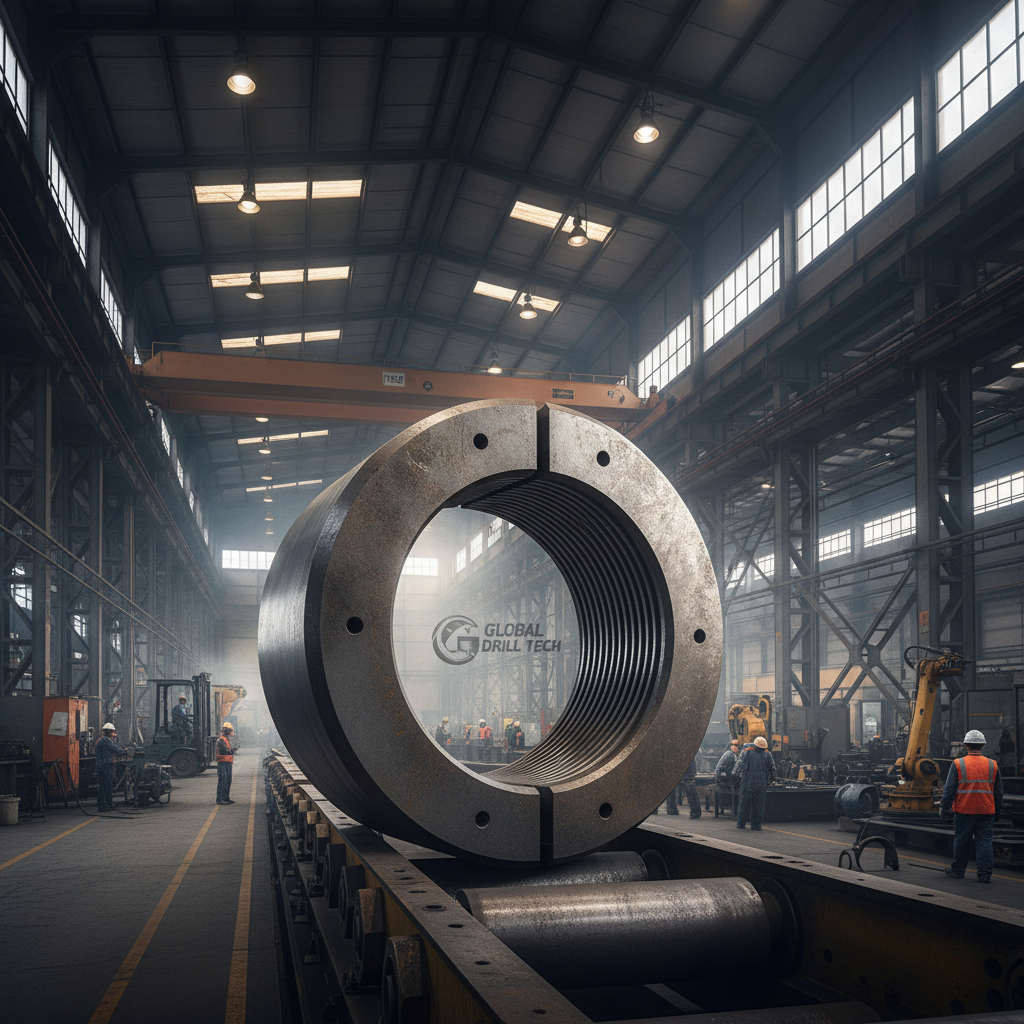
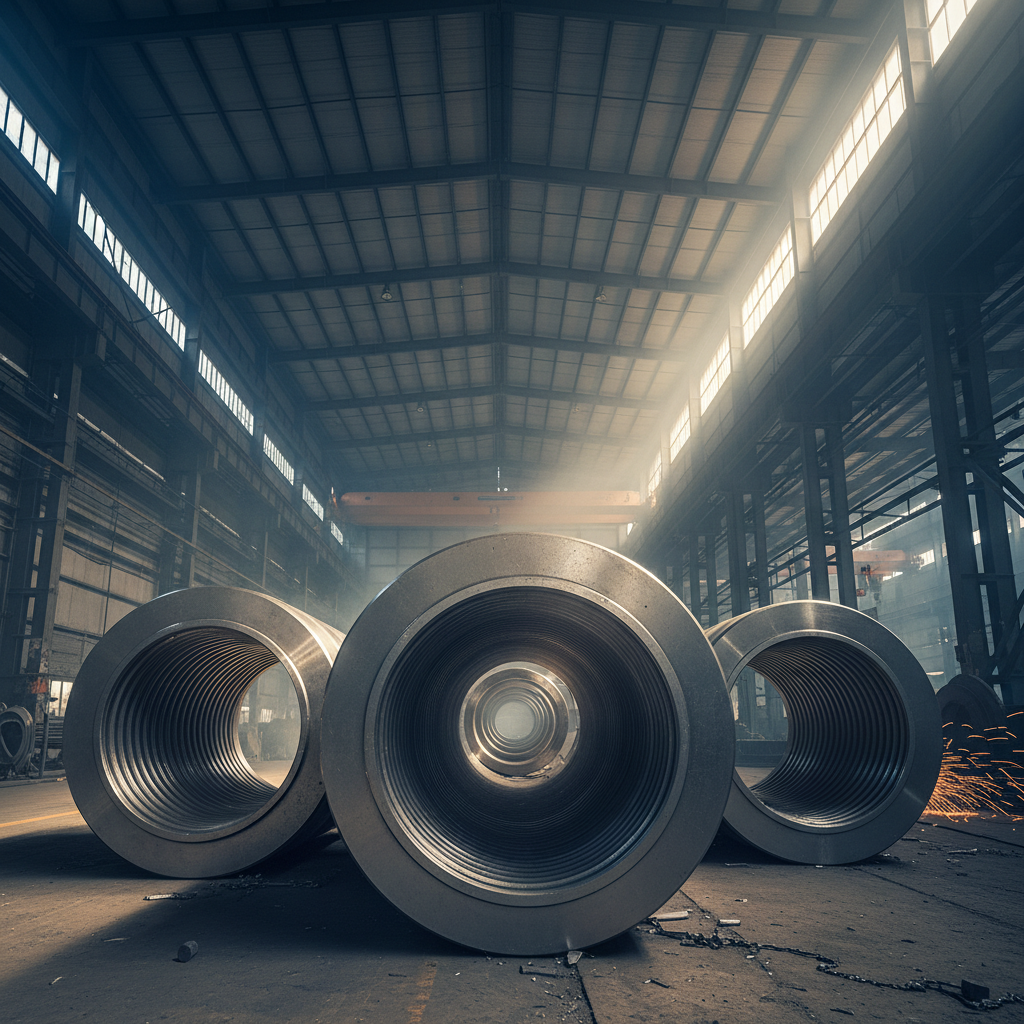
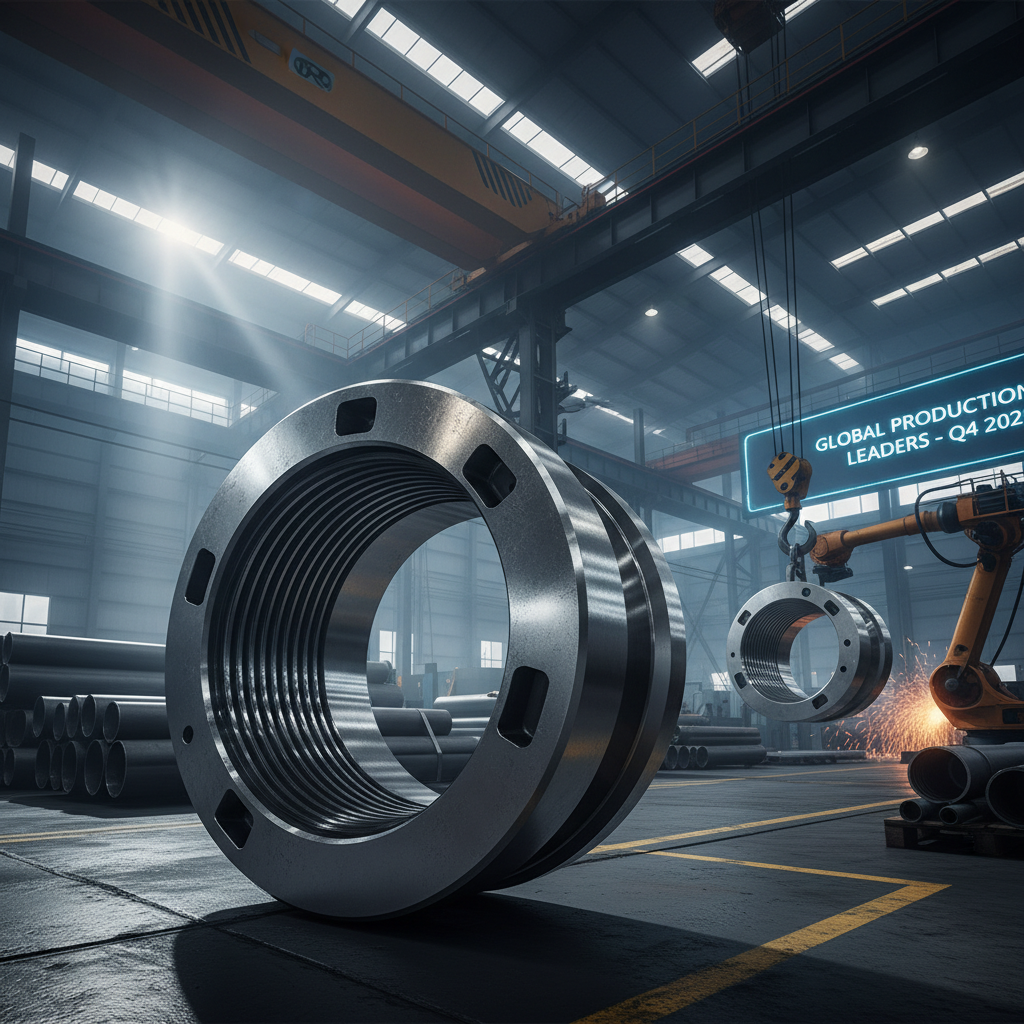
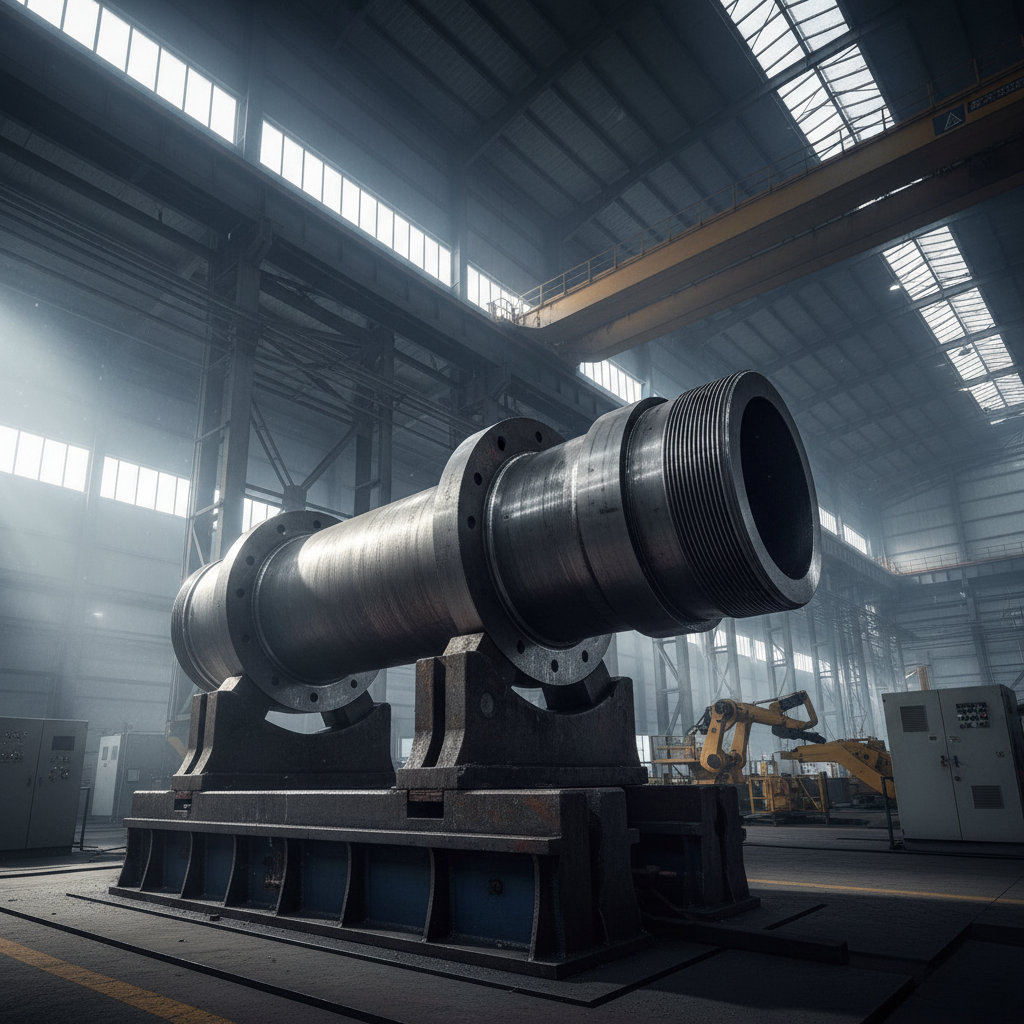
6 inch well casing coupling plays a crucial role in the safe and efficient extraction of oil, gas, and water resources. These couplings are essential components, ensuring a robust and leak-proof connection between sections of well casing, which protects the wellbore from collapse and prevents contamination of surrounding groundwater. Their importance extends beyond resource extraction, impacting industries like geothermal energy and water well construction globally. Understanding the nuances of these couplings – their materials, manufacturing processes, and installation techniques – is paramount for maintaining well integrity and environmental safety.
The global demand for energy and clean water continues to rise, driving increased drilling activity and, consequently, a higher demand for reliable well casing accessories like 6 inch well casing coupling. The market is influenced by factors like fluctuating oil prices, evolving environmental regulations, and technological advancements in drilling techniques. Organizations like the American Petroleum Institute (API) and the International Organization for Standardization (ISO) set stringent standards that govern the quality and performance of these couplings, ensuring consistency and safety across the industry. Failure to adhere to these standards can lead to costly repairs, environmental damage, and potential safety hazards.
This detailed exploration of 6 inch well casing coupling will delve into its definition, key characteristics, global applications, advantages, future trends, and challenges. We’ll explore how advancements in materials science and manufacturing are driving innovation and enhancing the reliability of these vital components, ultimately contributing to more sustainable and efficient resource management. Understanding these components is not just for engineers; it is relevant to anyone involved in the broader energy and water sectors.
Introduction to 6 inch well casing coupling
6 inch well casing coupling is a critical component in well construction, designed to connect sections of 6-inch diameter casing pipe. These couplings ensure structural integrity, preventing wellbore collapse and maintaining pressure control during drilling and production. The demand for reliable couplings has risen with the increasing complexity of drilling operations, particularly in unconventional reservoirs.
The selection of appropriate 6 inch well casing coupling materials and designs is crucial for the longevity and safety of a well. Factors like corrosion resistance, tensile strength, and pressure rating all contribute to the overall performance of the coupling. Advances in metallurgy and manufacturing techniques are continually improving the performance and lifespan of these critical components, reducing downtime and maintenance costs.
Defining 6 inch well casing coupling
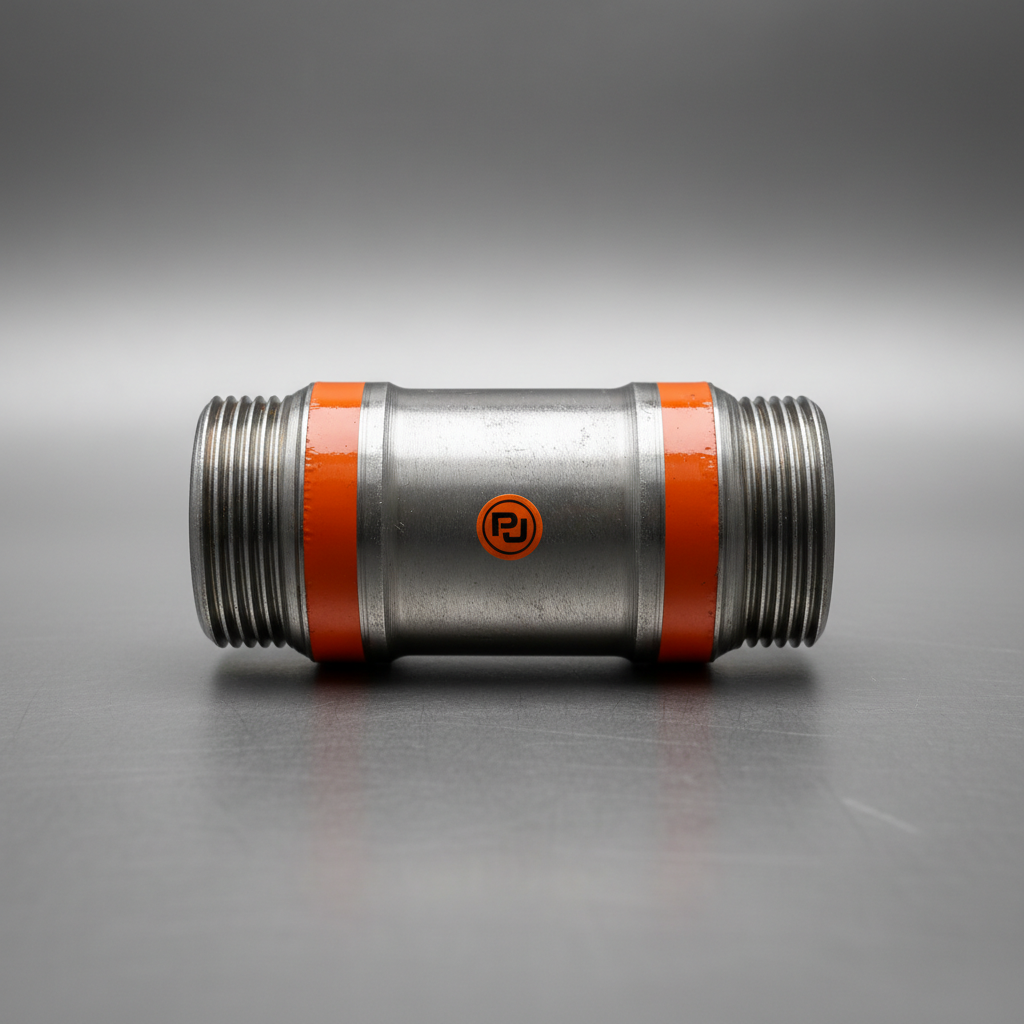
A 6 inch well casing coupling is a short, cylindrical component used to join two sections of 6-inch diameter well casing pipe together. It is typically threaded on both ends, allowing it to be screwed onto the casing pipes, creating a secure and pressure-tight connection. These couplings are designed to maintain the wellbore’s integrity and prevent fluid migration between different geological formations.
The fundamental purpose of the 6 inch well casing coupling is to transfer loads – tensile, compressive, and torsional – between the connected casing sections. Different coupling designs exist, including standard couplings, flush-joint couplings, and premium connections, each offering varying levels of performance and suitability for specific well conditions. These couplings act as a foundational element in the overall stability of the well.
Its connection to modern industry and humanitarian needs stems from its necessity in accessing vital resources like oil, gas, and groundwater. Without reliable couplings, the safe and efficient extraction of these resources would be impossible, impacting energy production, water supply, and economic stability globally.
Core Characteristics of 6 inch well casing coupling
Durability is paramount for 6 inch well casing coupling, as they are subjected to harsh downhole environments characterized by high pressures, extreme temperatures, and corrosive fluids. High-strength steel alloys, often with specialized coatings, are used to resist corrosion and maintain structural integrity over the well’s lifespan. Regular inspections and maintenance are crucial to ensure continued durability.
Scalability refers to the ability of couplings to accommodate varying well depths and configurations. Manufacturers offer a range of coupling sizes and thread types to suit different casing pipe specifications. The ability to scale the coupling system to meet project requirements is essential for cost-effectiveness and efficient installation. This adaptability is key in diverse geological settings.
Cost efficiency is a significant consideration for oil and gas operators. While premium couplings offer superior performance, standard couplings provide a cost-effective solution for less demanding applications. Balancing performance requirements with budgetary constraints is essential for maximizing return on investment. The overall cost, including installation and long-term maintenance, must be carefully evaluated.
Global Applications of 6 inch well casing coupling
6 inch well casing coupling finds widespread application in the oil and gas industry, particularly in conventional and unconventional drilling operations. They are used in the construction of production wells, injection wells, and observation wells. The specific coupling design is often tailored to the unique geological characteristics and operational requirements of each well.
Beyond oil and gas, these couplings are essential in water well construction, providing a secure and sanitary connection between casing sections. They are also used in geothermal energy projects, where they are exposed to high temperatures and corrosive fluids. In post-disaster relief operations, rapid well drilling for potable water relies heavily on the availability of reliable 6 inch well casing coupling.
Regions with significant oil and gas reserves, such as the Middle East, North America, and Russia, represent major markets for 6 inch well casing coupling. Developing countries with growing energy demands are also investing heavily in drilling infrastructure, driving increased demand for these components. Remote industrial zones, often lacking robust infrastructure, also rely on the durability and reliability of these couplings.
6 inch well casing coupling Performance Comparison
Advantages and Long-Term Value
The use of high-quality 6 inch well casing coupling translates directly into reduced operational costs over the well’s lifespan. Minimizing the risk of leaks, failures, and downtime reduces maintenance requirements and prevents costly well interventions. This cost saving is particularly significant in offshore or remote drilling locations.
From a sustainability perspective, durable couplings contribute to responsible resource management by preventing groundwater contamination and minimizing environmental impact. Choosing corrosion-resistant materials and employing rigorous quality control measures further enhances the environmental benefits. These factors contribute to a positive public image and demonstrate a commitment to responsible operations.
Future Trends and Innovation
The development of advanced materials, such as composite couplings, is a key trend shaping the future of well casing connections. These materials offer superior corrosion resistance, lighter weight, and improved mechanical properties compared to traditional steel alloys. Digital twins and predictive maintenance technologies are also being integrated to monitor coupling performance and optimize maintenance schedules.
Automation in the manufacturing and installation of 6 inch well casing coupling is increasing efficiency and reducing human error. Robotic systems are being used for thread cutting, inspection, and assembly, ensuring consistent quality and faster turnaround times. This digital transformation is poised to revolutionize the industry.
Challenges and Solutions
A common challenge in the use of 6 inch well casing coupling is the risk of galling – a form of adhesive wear that can occur during make-up and break-out of threaded connections. This can lead to difficulty in disassembly and potential damage to the coupling threads. Applying anti-galling compounds and using properly lubricated threads can mitigate this risk.
Corrosion remains a persistent challenge, particularly in wells containing corrosive fluids like hydrogen sulfide or carbon dioxide. Selecting corrosion-resistant alloy steels and applying protective coatings are essential for prolonging the lifespan of couplings in these environments. Continuous monitoring and preventative maintenance programs are also crucial.
Another significant issue is ensuring compatibility between different casing and coupling materials. Proper material selection and adherence to industry standards are critical to avoid galvanic corrosion and maintain the integrity of the wellbore.
Summary of Key Challenges and Solutions for 6 inch well casing coupling
| Challenge |
Impact on Well Integrity |
Recommended Solution |
Implementation Cost (1-10) |
| Galling of Threads |
Difficulty in disassembly, potential thread damage |
Apply anti-galling compounds, ensure proper lubrication |
2 |
| Corrosion |
Weakening of coupling material, potential leaks |
Use corrosion-resistant alloys, apply protective coatings |
6 |
| Material Incompatibility |
Galvanic corrosion, accelerated degradation |
Careful material selection, adhere to industry standards |
4 |
| High Pressure/Temperature |
Structural failure, leaks |
Utilize high-strength couplings with appropriate pressure ratings |
7 |
| Installation Errors |
Compromised seal, premature failure |
Proper training of installation personnel, quality control checks |
3 |
| Thread Damage During Transport |
Compromised seal, potential leaks |
Secure packaging and handling procedures |
1 |
FAQS
The lifespan of a 6 inch well casing coupling varies significantly based on several factors, including the corrosivity of the well fluids, the operating pressure and temperature, and the quality of the materials used. However, with proper selection and installation, a coupling can typically last between 20 to 30 years in a standard oil well environment. Regular inspections and maintenance are critical for maximizing lifespan.
Standard couplings are typically lower in cost and are suitable for less demanding applications. Premium couplings, on the other hand, offer enhanced features like metal-to-metal seals, enhanced thread profiles, and higher tensile strength. These features provide superior leak resistance, increased connection reliability, and improved performance in extreme conditions. The higher upfront cost of premium couplings is often offset by reduced maintenance and downtime.
High temperatures can significantly impact the performance of 6 inch well casing couplings. Elevated temperatures can reduce the yield strength of the coupling material, making it more susceptible to deformation and failure. Thermal expansion and contraction can also create stresses in the connection, potentially leading to leaks. Selecting materials designed for high-temperature applications and implementing thermal stress management techniques are crucial.
Common causes of corrosion include exposure to hydrogen sulfide (H2S), carbon dioxide (CO2), chlorides, and oxygenated water. These corrosive agents can attack the coupling material, leading to pitting, cracking, and ultimately, failure. Selecting corrosion-resistant alloys, applying protective coatings, and implementing corrosion monitoring programs are essential for mitigating these risks.
Thread sealant plays a vital role in filling microscopic imperfections in the threaded connection, creating a pressure-tight seal. It prevents fluid migration between the casing sections and protects the threads from corrosion. The selection of an appropriate thread sealant depends on the well fluids, temperature, and pressure. Proper application of the sealant is crucial for ensuring optimal performance.
Several industry standards govern the manufacturing and testing of 6 inch well casing couplings, including those set by the American Petroleum Institute (API) and the International Organization for Standardization (ISO). API Specification 5CT outlines the requirements for casing and tubing, while ISO 13679 covers the design, manufacture, and testing of threaded connections. Adherence to these standards ensures consistent quality and safety.
Conclusion
In conclusion, 6 inch well casing coupling represents a foundational component in the oil, gas, and water industries. Its ability to ensure wellbore integrity, withstand harsh downhole conditions, and facilitate efficient resource extraction is paramount to global energy and water security. Understanding the core characteristics, applications, and future trends surrounding these couplings is essential for professionals across the energy spectrum.
Looking ahead, continued innovation in materials science, manufacturing techniques, and digital technologies will further enhance the performance, reliability, and sustainability of 6 inch well casing coupling. Investing in research and development, promoting adherence to industry standards, and prioritizing preventative maintenance will be crucial for maximizing the long-term value of these critical components. Visit our website at https://www.wjpetroleum.com to learn more about our range of high-quality well casing couplings.