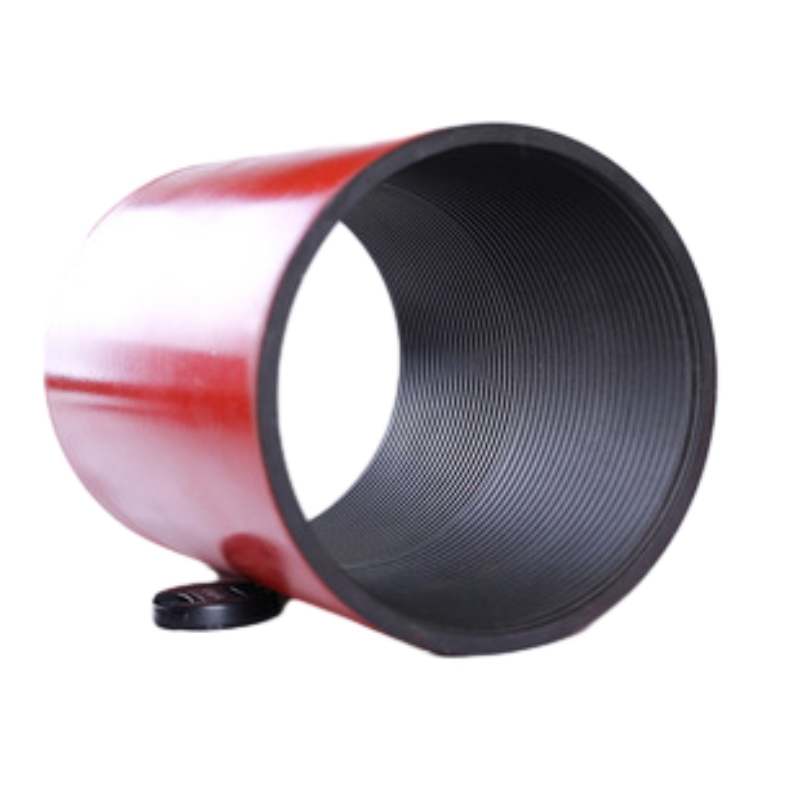


Seating Nipple in Tubing: Essential Guide & Supplier Comparison
Understanding the seating nipple in tubing - What you need to know
Having spent over a decade working in the industrial equipment sector — particularly the oil and gas side — I’ve had my fair share of encounters with tubing components. One element that might not always get top billing but definitely deserves respect is the seating nipple in tubing. If you’re scratching your head about what makes it tick or why it’s essential, you’re in the right place.
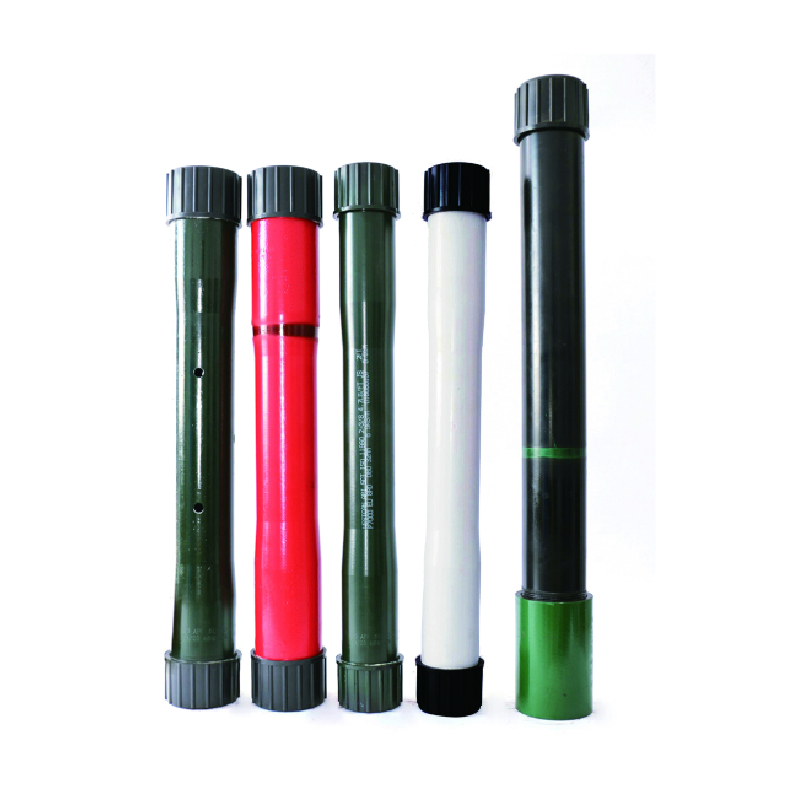
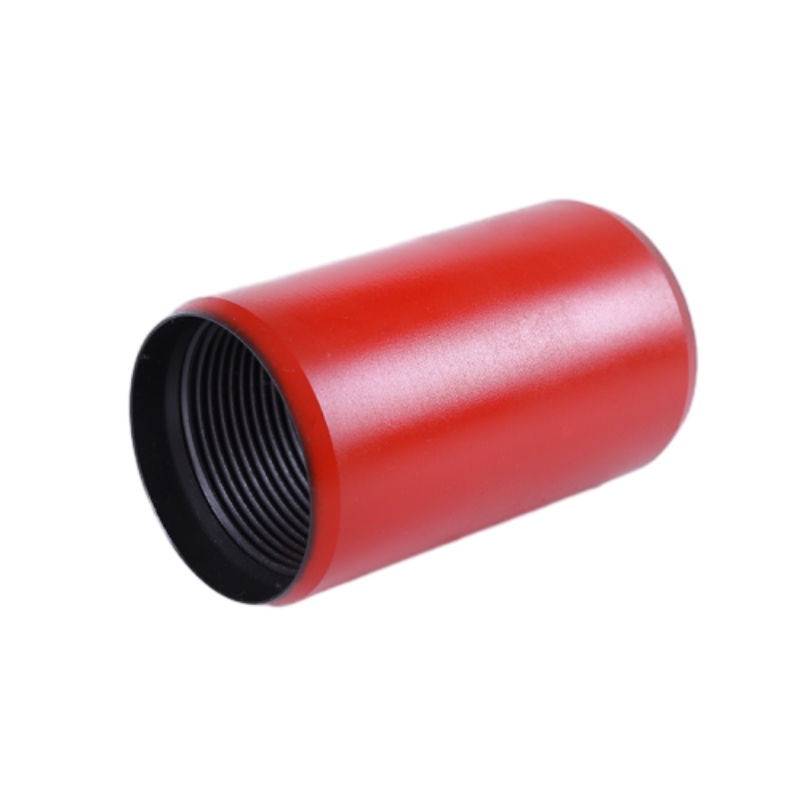
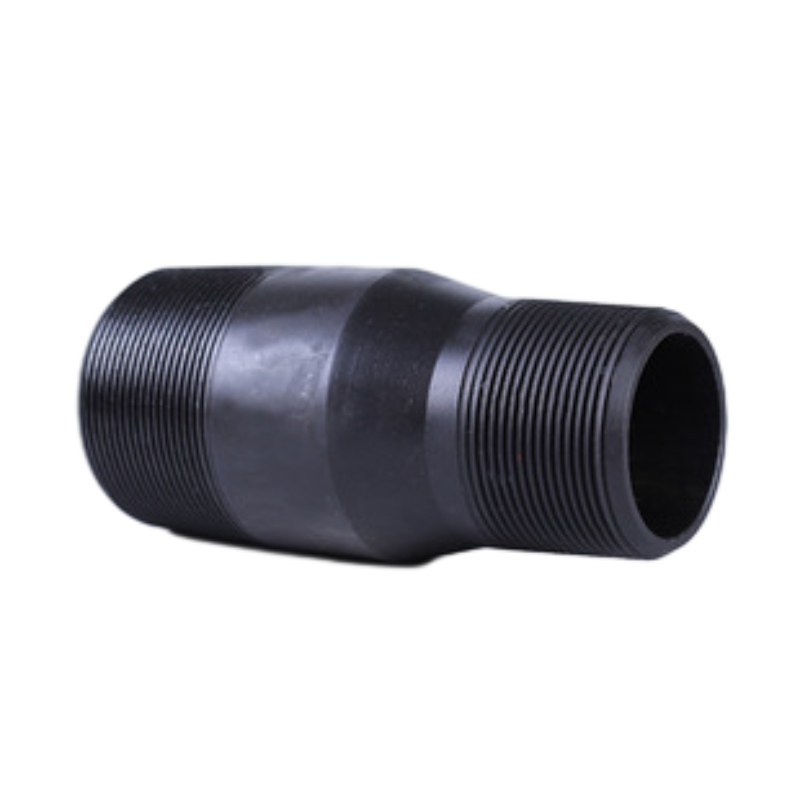
In real terms, a seating nipple acts as a precise locking point inside the tubing string. Picture it as a sort of "anchor" where downhole tools or equipment latch on. It’s essential for holding parts like packers or plugs firmly in place, which ensures no unwanted movement during operations. Without a well-designed seating nipple, you risk misalignments, potential leaks, or worse – costly downtime.
Now, you might think, “It’s just a steel ring,” but oddly enough, the design, materials, and manufacturing tolerances are a big deal. Many engineers I’ve talked to emphasize that the quality of the seating nipple can make or break the efficiency of whole well interventions.
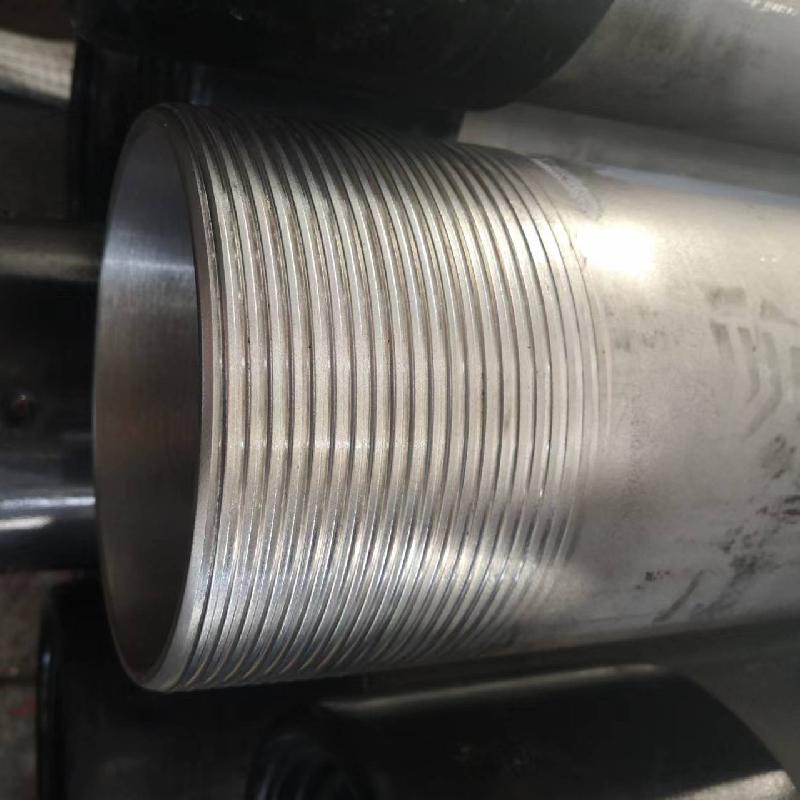
Let’s talk materials for a moment. Generally, seating nipples are made from high-grade steels—think chromium-molybdenum alloys or stainless steel blends—to withstand extreme pressures and corrosive environments. The finished product needs to balance toughness with resistance against wear and impacts. I once saw a batch of seating nipples fail early because the metallurgy was cut short—lesson learned, right?
Speaking of design, seating nipples come in various styles depending on the application. Some have multiple internal profiles, while others focus on a single locking mechanism. Customization is often the name of the game because every well environment is different. For example, a deepwater well will have different stressors than a shale formation, affecting how the seating nipple should be designed.
To give you a clearer sense, here’s a rough overview of typical seating nipple specs I’ve worked with:
| Specification | Typical Range | Notes |
|---|---|---|
| Outer Diameter | 2 7/8" to 4 1/2" | Corresponds with tubing size |
| Material | Chromium-molybdenum, Stainless steel | Resists corrosion & wear |
| Pressure Rating | Up to 15,000 psi | Depends on design & environment |
| Length | 6" to 12" | Varies by tool compatibility |
Now, in terms of brands, there’s no shortage of suppliers claiming to offer the “best” seating nipples. I’ve tested and compared several over the years. Here's a quick vendor breakdown to keep in mind:
| Vendor | Material Quality | Customization Options | Lead Time | Price Range |
|---|---|---|---|---|
| WJ Petroleum | Excellent – ASTM certified steels | Wide variety, adjustable specs | 4-6 weeks | Mid to premium |
| Alpha Tubular | Good but less corrosion resistance | Limited sizes | 3-5 weeks | Budget-friendly |
| Omega Drilling | Superior metallurgy, high durability | Highly customizable | 6-8 weeks | Premium |
I admit, when I first started, I underestimated how important choosing the right seating nipple was. But a memorable job out in the Permian Basin taught me otherwise. A client’s job stalled because their seating nipples didn’t hold the packer properly. We swapped in a batch from WJ Petroleum, tailored specifically for their pressure and chemical environment—and suddenly, everything ran smoothly. That kind of reliability is gold in the field.
Before you buy, always check for compliance with industry standards, such as API specs, and ask vendors about material traceability and testing rigor. It’s so tempting to go for the lowest cost option, but frankly, in this line of work, that often costs more later.
So, what’s the takeaway? Whether you’re setting up a new well or maintaining an existing one, don’t overlook the humble seating nipple. It’s the unsung hero of tubing assemblies and a key to smooth operations.
References:
- API Specification 5CT: Specification for Casing and Tubing
- Industry talks and vendor catalogs, 2023-2024
- Field experiences and testing notes from Permian Basin operations
-
The Ultimate Industrial Guide to using مفصل الجرو Swivel JointsNewsApr.16,2026
-
Comprehensive Guide to api الجرو المشترك in Industrial ApplicationsNewsApr.09,2026
-
Comprehensive Guide to Puppy Joint Health with غلاف مفصل الجرو SupplementsNewsApr.07,2026
-
Optimizing Oilfield Performance with تمرير المفاصل الجرو and WJ Petroleum ExpertiseNewsApr.04,2026
-
Understanding Puppy Mills ¿qué es un porro de cachorros? Responsible Breeding PracticesNewsMar.31,2026
-
Comprehensive Guide to Perforated Puppy Joints and Long Term Canine HealthNewsMar.28,2026