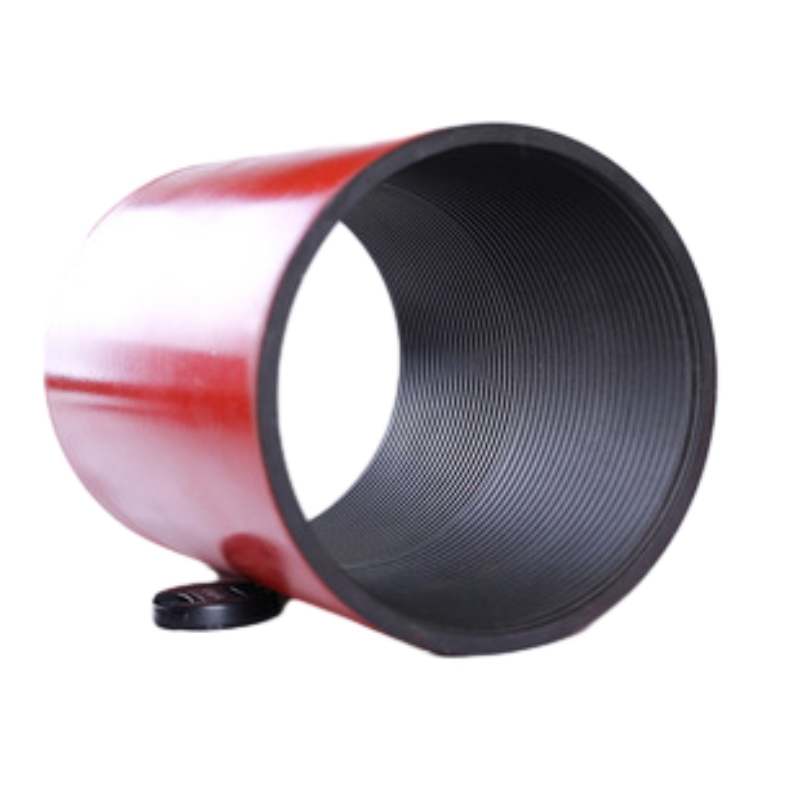


Stainless Steel Coupling 3 4: Durable Piping Solutions for Industrial Use | WJ Petroleum
Stainless Steel Coupling 3 4 is a key solution in the industry, specifically within plumbing, oil, and gas sectors. This article explores how https://www.wjpetroleum.com supports professionals with durable, high-performance products, and explains why this product is an ideal choice for businesses in these sectors.
Table of Contents
- Stainless Steel Coupling 3 4 Overview
- Benefits & Use Cases of Stainless Steel Coupling 3 4
- Cost, Maintenance & User Experience
- Sustainability & Market Trends
- Frequently Asked Questions
- Conclusion on Stainless Steel Coupling 3 4 from China
Stainless Steel Coupling 3 4 Overview
At its core, a Stainless Steel Coupling 3 4 is a mechanical device used to connect two pipes, tubes, or shafts securely, ensuring leak-proof, corrosion-resistant joints in a system. The ’3 4’ designation refers to the nominal pipe size of 3/4 inch, widely common in both light and heavy industry pipelines. Stainless steel as a material is prized for its toughness, resistance to oxidation, and strength at high temperatures—critical factors for industrial applications, especially in harsh environments.
Technically speaking, these couplings often conform to ASTM A182 standard for stainless steel fittings. For instance, WJ Petroleum’s range includes specifications tailored to withstand pressures up to 6000 psi and temperatures soaring beyond 800°F, making them versatile for oil and gas extraction as well as chemical processing. Their coupling precision even supports applications requiring minimal tolerance for leakage or contamination—a big plus in regulated industries.
| Specification | Detail |
|---|---|
| Material Grade | 304 / 316 Stainless Steel |
| Pipe Size | 3/4 inch (Nominal) |
| Pressure Rating | Up to 6000 PSI |
| Temperature Limits | -200°F to 800°F |
| Standards | ASTM A182, ASME B16.11 |
Benefits & Use Cases of Stainless Steel Coupling 3 4
Many engineers, frankly, prefer stainless steel couplings for their combination of strength and corrosion resistance. For industries like petroleum extraction or chemical plants, where exposure to corrosive agents is a daily reality, this product is almost indispensable. It effectively bridges pipes in systems transporting oil, gas, and aggressive chemicals without fear of rust or leaks causing costly downtime.
Beyond durability, the ease of installation is something users talk about quite a bit. These couplings often feature precise threading or butt-weld designs that don’t just improve system integrity but save tons of labor hours during setup or repair. Compared with older fittings—some still made of brass or carbon steel—the stainless steel 3/4 inch coupling offers much better temperature tolerance and longevity.
WJ Petroleum customers report significant uptime improvements by switching to these couplings. A chemical plant in Texas, for example, saw a 15% reduction in maintenance intervals after integrating stainless steel couplings into their pipeline network. That’s not just a number; it translates into real savings and smoother operations.
Cost, Maintenance & User Experience
Initially, stainless steel couplings aren’t exactly the cheapest option on the market. However, if you think in terms of total cost of ownership, the story changes quite a lot. Their resistance to corrosion and physical stress means fewer replacements down the line—and frankly, fewer emergency repairs that disrupt production. ROI, in this case, is often faster than many expect.
From maintenance reports shared by WJ Petroleum clients, these fittings require far less routine intervention compared to carbon steel or PVC alternatives. That’s a big win when safety and reliability come first. Users often note the material’s smooth finish reduces sediment buildup, which can be a quiet system killer in certain applications.
One manager at a Midwest oil rig mentioned how the consistency of the coupling quality helped shorten installation cycles significantly. It’s the sort of thing that doesn’t always get written in spec sheets but matters profoundly during field work.
Sustainability & Market Trends
The industry's leaning more and more towards sustainable materials, pushing manufacturers to improve environmentally friendly production and recycling options. Stainless steel itself is highly recyclable, often made with a large percentage of recycled content, making it a better choice over plastics or non-recyclable composites. Regulations in Europe and North America are tightening around chemical handling equipment, and products like the Stainless Steel Coupling 3 4 are well-placed to meet these new demands.
Market trends reveal increased demand in renewable energy sectors too, where corrosion-resistant parts could mean longer life for hydrogen piping or biofuel transport systems. All in all, the environmental profile of stainless steel plus the proven industrial strength means it’s oddly one of the more future-proof product choices.
| Vendor | Material Grades | Pressure Rating | Price Range | Lead Time |
|---|---|---|---|---|
| WJ Petroleum | 304, 316 | Up to 6000 PSI | Mid-range | 2-3 weeks |
| Generic Supplier A | 304 only | Up to 4000 PSI | Lower | 4-6 weeks |
| Premium Supplier B | 316L only | Up to 7000 PSI | High | 1-2 weeks |
Frequently Asked Questions about Stainless Steel Coupling 3 4
- What is Stainless Steel Coupling 3 4 and how does it work?
- Basically, it’s a fitting used to join two pipes or tubes of 3/4 inch diameter, made from stainless steel to resist corrosion and maintain strength. It works by threading or welding them together, ensuring a tight, leak-free connection.
- What are the main benefits of using Stainless Steel Coupling 3 4 in industrial applications?
- Benefits include high corrosion resistance, durability under high pressure and temperature, and relatively low maintenance, which altogether improve reliability and long-term cost savings.
- How does Stainless Steel Coupling 3 4 compare to traditional alternatives?
- Compared to older materials like carbon steel or brass, stainless steel couplings offer better chemical resistance, longer lifespan, and better temperature handling. This often means less downtime and fewer replacements.
- What industries can benefit most from Stainless Steel Coupling 3 4 implementation?
- Primary sectors include oil and gas, chemical processing, food and beverage, and water treatment plants—essentially anywhere pipelines face harsh environments or stringent hygiene standards.
Conclusion on Stainless Steel Coupling 3 4 from china
In sum, the Stainless Steel Coupling 3 4 stands out as a reliable, durable, and cost-effective component that meets the rigorous demands of modern industrial sectors. Whether it’s about managing corrosive fluids or high pressures, these couplings make a consistent difference in operational efficiency. For B2B decision makers considering pipeline upgrades or new installations, this product balances quality and price quite neatly.
- Recap the value of Stainless Steel Coupling 3 4.
- Visit our website: https://www.wjpetroleum.com
Oddly enough, it’s often the smallest fitting that makes the biggest difference in your system’s reliability.
References:
1. ASTM International - A182 Standard Specification for Forged or Rolled Alloy and Stainless Steel Pipes, Flanges, and Fittings
2. Oil & Gas Journal - Pipeline Component Reliability Studies (2023)
3. Industry Insider Report on Chemical Processing Plant Maintenance, 2022
-
The Ultimate Industrial Guide to using مفصل الجرو Swivel JointsNewsApr.16,2026
-
Comprehensive Guide to api الجرو المشترك in Industrial ApplicationsNewsApr.09,2026
-
Comprehensive Guide to Puppy Joint Health with غلاف مفصل الجرو SupplementsNewsApr.07,2026
-
Optimizing Oilfield Performance with تمرير المفاصل الجرو and WJ Petroleum ExpertiseNewsApr.04,2026
-
Understanding Puppy Mills ¿qué es un porro de cachorros? Responsible Breeding PracticesNewsMar.31,2026
-
Comprehensive Guide to Perforated Puppy Joints and Long Term Canine HealthNewsMar.28,2026