

Tata Letak Pipa Bull Plug: Optimizing Pipeline Layouts for Safety and Efficiency
Understanding Tata Letak Pipa Bull Plug: A Key Component in Pipe Layouts
Tata letak pipa bull plug — if you haven't encountered this phrase before, you're in for a technical yet surprisingly practical exploration. This term, loosely translated from Indonesian as "bull plug pipe layout," refers to a specific configuration and placement of bull plugs within piping systems, primarily in oil, gas, and water industries. Globally, efficient pipe layout, including strategic bull plug placement, is critical for operational safety, maintenance, and cost reduction. Why? Because these small but mighty components seal pipe ends, prevent leaks, and facilitate system modifications without significant downtime.
Understanding tata letak pipa bull plug isn’t just jargon for industry insiders; it’s foundational for engineers, technicians, and project managers worldwide who rely on durable, efficient infrastructure. The benefits are tangible — from reducing environmental hazards to extending pipeline lifespans — and the stakes are increasingly high as infrastructure ages and energy demands grow.
Global Context: Why Tata Letak Pipa Bull Plug Matters
Pipelines form the arteries of the modern world — transporting water, oil, and gas across vast distances. According to the International Energy Agency (IEA), about 60% of global energy transportation occurs through pipelines. Ensuring these pipelines are sealed and maintained through proper components like bull plugs is paramount. Problems such as pipeline leaks contribute to environmental degradation and economic loss. The World Bank notes that infrastructure inefficiencies cost billions annually — a large portion due to corrosion and poor maintenance.
Oddly enough, despite the critical nature of pipeline integrity, many projects globally suffer setbacks because of improper component layout — tata letak pipa bull plug could be described as a silent hero in this context. Applied well, it mitigates system failures, and when combined with proper materials and technology, gives resilience against harsh environments and aging.
What Exactly Is Tata Letak Pipa Bull Plug?
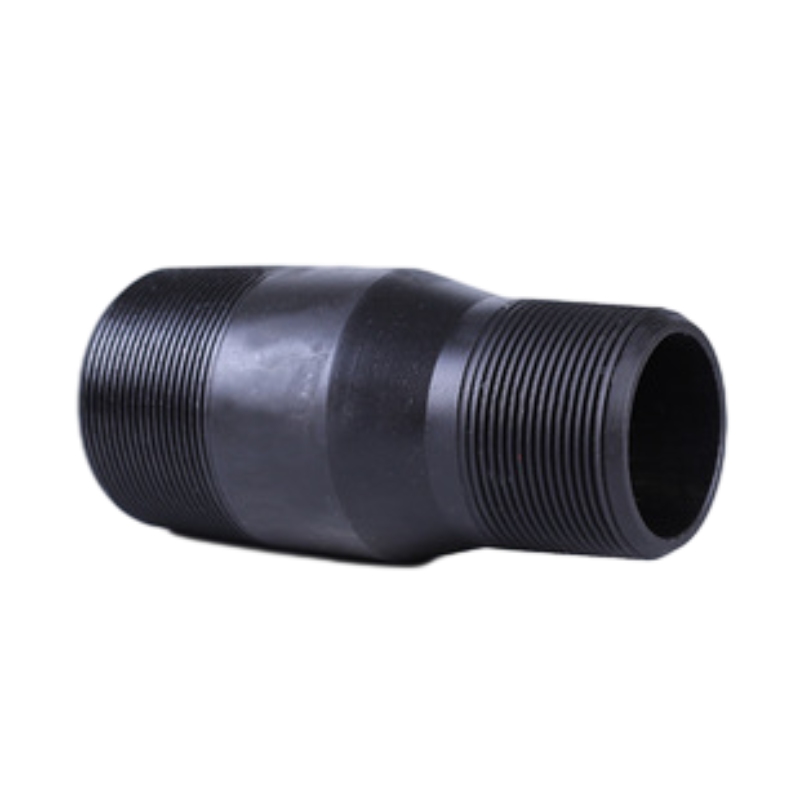
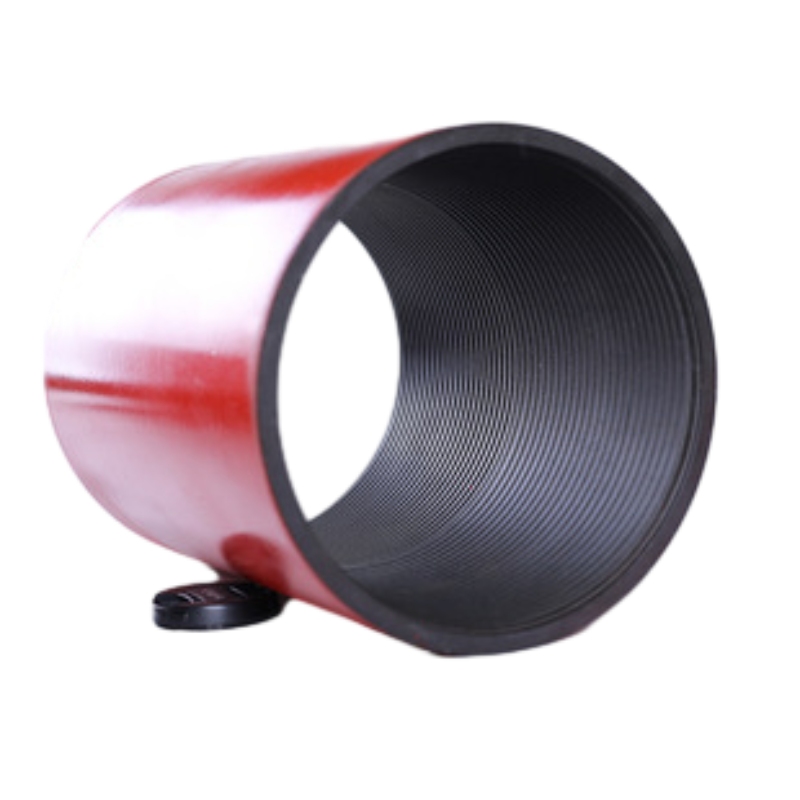
Simply put, tata letak pipa bull plug refers to the strategic arrangement and positioning of bull plugs within a piping system. A bull plug is a solid piece installed at the end of a pipe to seal it off, preventing leaks or protecting open-end pipe sections. Unlike threaded plugs or caps, bull plugs are typically welded or flanged in place, creating a robust seal.
This concept ties intricately with industrial design and site needs. For instance, in refining plants or oil fields, precisely laid-out bull plugs allow for sections of pipe to be isolated or tested without disrupting operations. In humanitarian contexts, such as temporary water supply installations post-disaster, bull plug layouts optimize the speed and safety of pipe system set-ups.
Key Components of Effective Tata Letak Pipa Bull Plug
1. Durability and Material Selection
Bull plugs must withstand high pressure, corrosive fluids, and temperature extremes. Common materials include stainless steel, carbon steel with protective coatings, or exotic alloys for corrosive settings. Choosing the right material affects both safety and lifespan.
2. Scalability and Modularity
The layout should allow easy addition or removal of pipe sections. A thoughtful tata letak permits system expansion without complex rework—saving time and cost in the long run.
3. Cost Efficiency
While quality materials and careful design increase upfront costs, they drastically cut maintenance expenses and leak-related damages. It’s a balance many engineers continue to optimize.
4. Ease of Maintenance
Strategic bull plug placement ensures sections can be isolated, inspected, and repaired without dismantling large parts of the pipeline—minimizing downtime and risk.
5. Compliance with Standards
Global standards like ISO 3183 and ASTM guide material and construction specifications ensuring safety and interoperability, key factors when engineering these layouts.
Product Specifications of Common Bull Plugs
| Specification | Typical Value |
|---|---|
| Material | Carbon Steel (A105), Stainless Steel (304, 316) |
| Size Range | 1/2" to 48" diameter |
| Pressure Rating | Class 150 to 2500 according to ASME |
| Connection Type | Butt weld, Threaded, Flanged |
| Surface Treatment | Galvanized, Painted, Epoxy Coated |
Vendor Comparison: Leading Suppliers of Bull Plugs
| Vendor | Material Options | Delivery Time | Price Range | Customization |
|---|---|---|---|---|
| Apex Engineering | Carbon Steel, Stainless Steel | 2-4 weeks | $$ | Available on request |
| Global Pipe Solutions | Mostly Carbon Steel | 3-5 weeks | $ | Limited |
| SteelPro | Full Alloy Range | 1-3 weeks | $$$ | Highly flexible |
Real-World Applications of Tata Letak Pipa Bull Plug
- Oil and Gas Industry: Bull plugs are standard in pipeline networks for oil fields, where sections are frequently tested or isolated during maintenance.
- Water Supply Systems: Municipal water lines incorporate bull plugs for emergency shut-offs and infrastructure expansions.
- Post-Disaster Relief: In emergency water delivery setups after natural disasters, rapid pipe sealing via bull plugs helps maintain hygiene and safety.
- Remote Industrial Zones: Mining operations in remote locations use modular piping designs with bull plugs to ease transport and installation.
One interesting example comes from Indonesia’s geothermal plants where robust tata letak pipa bull plug reduces downtime caused by corrosion in high-temperature steam lines. This approach allows quick isolation of affected sections without interrupting overall plant performance.
Advantages and Long-Term Value
Frankly, the biggest payoff of a well-executed tata letak pipa bull plug is reliability. Operational safety improves when leaks and failures are minimized. This safeguards not only costly equipment but also protects workers and nearby communities.
Cost wise, upfront investment in quality plugs and intelligent layout reduces emergency repair expenses and environmental fines later. Emotionally, it fosters trust among stakeholders — investors, operators, and regulators — who know the infrastructure is sound.
Plus, given global pushes for sustainability, these components contribute indirectly by reducing waste from pipeline failures and enabling longer-lasting, more resilient systems.
Emerging Trends and Innovations
Moving forward, the tata letak pipa bull plug landscape is evolving. New materials like composite alloys and coatings resistant to biofouling and corrosion are becoming standard. Digital twin technology enables engineers to simulate pipeline behavior, optimizing bull plug placement before actual construction.
Automation is another buzzword — remote monitoring systems integrated into the pipeline can alert teams to pressure anomalies, allowing preemptive maintenance and plug testing.
Concerns about carbon footprints push manufacturers to innovate greener production techniques, aligning with ISO 14001 environmental standards.
Challenges and Expert Solutions
Of course, tata letak pipa bull plug isn’t immune to challenges. Varied terrain, extreme weather, and supply chain delays can disrupt installation plans. Finding materials that balance cost and durability also remains tricky.
Experts suggest modular design principles and flexible project management as ways to mitigate these challenges. For example, working with vendors who offer customizable bull plugs helps tailor solutions for unique project demands.
FAQ: Frequently Asked Questions About Tata Letak Pipa Bull Plug
- Q: What is the difference between a bull plug and a regular pipe cap?
A: A bull plug is typically heavier, designed to be welded or flanged for a secure seal, often used for high-pressure pipelines, whereas a regular cap might be threaded or slip-on primarily for low-pressure applications. - Q: How often should bull plugs be inspected or replaced?
A: Inspection frequency depends on operating conditions but generally every 6-12 months is recommended. Replacement depends on wear signs such as corrosion, leaks, or mechanical damage. - Q: Can bull plugs be reused after removal?
A: Usually, bull plugs that are welded in place are not reused as removal can damage sealing surfaces. Flanged plugs, however, may be reused depending on inspection results. - Q: Are there standards guiding tata letak pipa bull plug designs?
A: Yes, international standards such as ASME B16.9 for fittings and ISO 3183 for steel pipe manufacturing provide guidelines related to design, material, and installation.
Conclusion: Why Tata Letak Pipa Bull Plug Matters Now More Than Ever
Summing up, the strategic layout of bull plugs in piping systems is more than a technical detail — it’s a pillar of safety, efficiency, and sustainability. As infrastructure ages and demand grows, understanding tata letak pipa bull plug offers clear advantages that ripple beyond the steel pipes themselves.
If you’re looking for detailed insights or supplier options to enhance your pipeline projects, visit our website: tata letak pipa bull plug.
It feels like a small part with big impact — both in the industry and, frankly, on the environment and society overall.
Mini Takeaway: Thoughtful bull plug layout saves money, boosts safety, and future-proofs pipelines in diverse industries worldwide.
References:
1. Wikipedia - Pipeline Transport
2. International Energy Agency
3. ISO 3183: Petroleum and natural gas industries — Steel pipe for pipeline transportation systems
-
Guide to High Quality 2 inch stainless steel coupling for Oil GasNewsJul.01,2026
-
High Performance 2 inch steel coupling for Oil and Gas OperationsNewsJun.29,2026
-
High Precision 3 8 od copper coupling for Oil and Gas ConnectivityNewsJun.27,2026
-
High Quality 3 inch steel pipe coupling for Oil and Gas ProductionNewsJun.26,2026
-
High Performance 4 Stainless Steel Coupling for Oil and GasNewsJun.25,2026
-
Exploring the Excellence of Kedai Pub for Modern Quality HubsNewsJun.23,2026