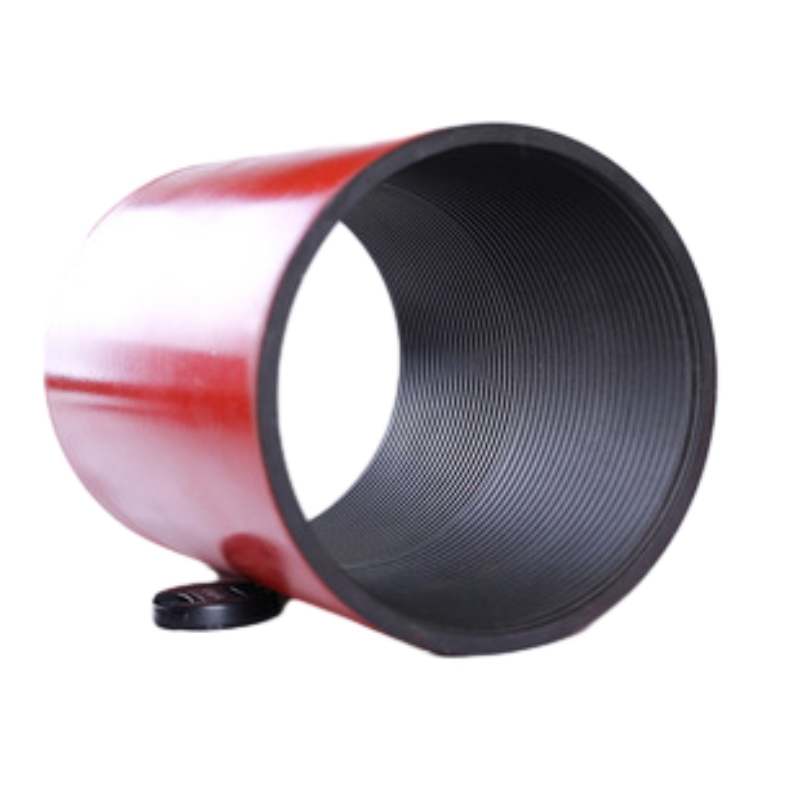


What is a Bull Plug? Heavy-Duty Industrial Pipe Sealing Explained
What is a Bull Plug? Understanding This Essential Industrial Component
After spending a good chunk of my career around the oil & gas and industrial piping world, I've come across plenty of components that at first felt a bit mundane but soon proved critical. A bull plug is one such piece. You might not know it by name, but if you’ve ever worked with pipeline systems or high-pressure vessels, you’ve likely encountered it in some form.
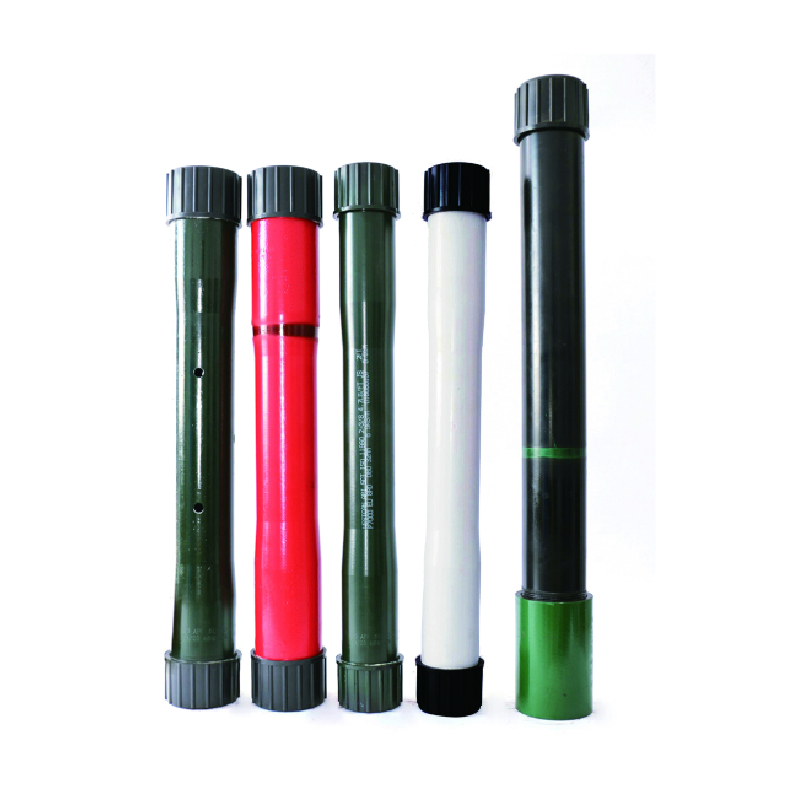
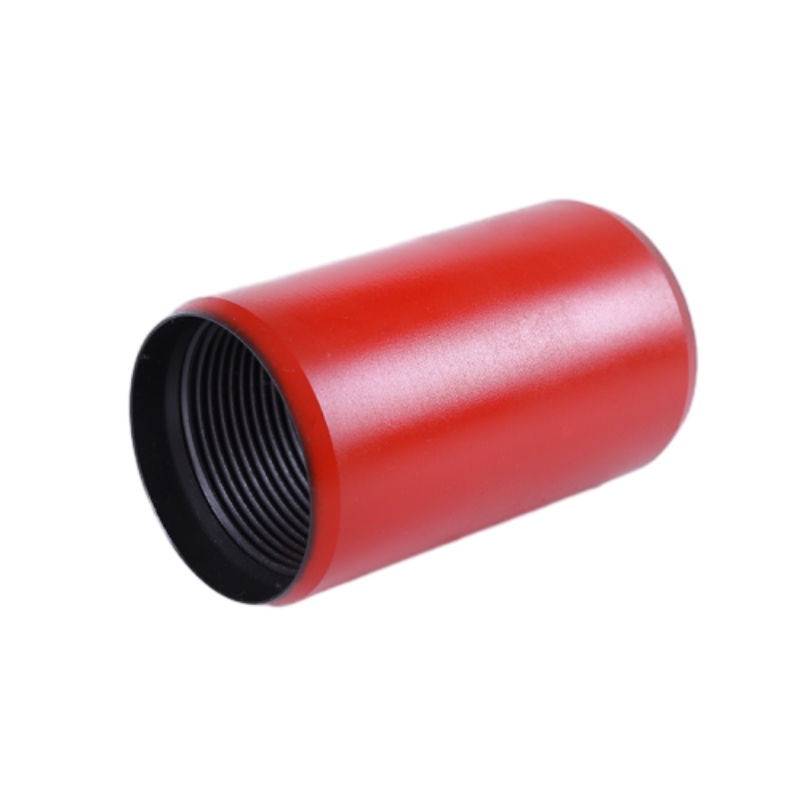
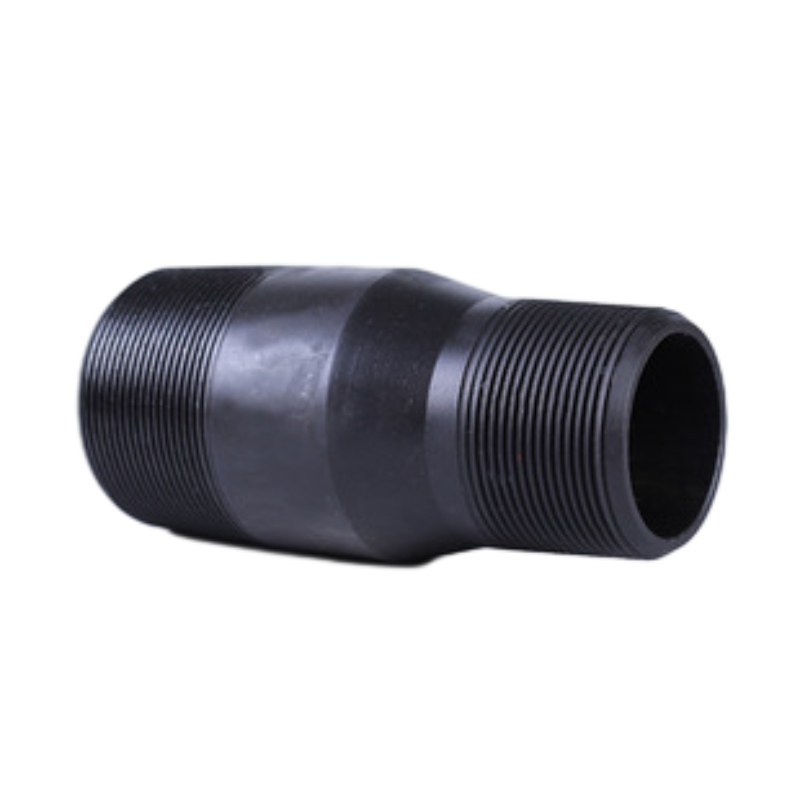
So, what exactly is a bull plug? In simple terms, it’s a kind of heavy-duty pipe fitting designed to close off the end of a pipe or a pressure vessel. Think of it as a robust cap, but made to withstand the demanding conditions of industrial applications—high pressure, extreme temperatures, and often corrosive environments. Frankly, it’s a staple when you need to temporarily or permanently seal a pipeline section.
From my experience, bull plugs are usually forged from carbon steel, stainless steel, or alloy steel, depending on the application. The forging process makes them tougher and more reliable compared to cast or welded plugs. This kind of durability is what engineers count on when they design systems that can’t afford leaks or failures.
Here’s a quick glance at some of the typical product specs (no two bull plugs are exactly the same, but this table covers the usual range):
| Specification | Details |
|---|---|
| Material | Carbon Steel, Stainless Steel, Alloy Steel |
| Pressure Rating | Class 150 to 2500 (ASME B16.5) |
| Size Range | 1/2" to 48" NPT or Butt Weld ends |
| End Connections | NPT, Threaded, Butt Weld, Socket Weld |
| Testing | Hydrostatic & Nondestructive Testing |
One thing I noticed early on when working with bull plugs is how customization can make or break your project. Vendors often offer various pressure ratings, materials, and connection types to match specific needs. For instance, when a customer once needed a plug robust enough for sour gas service—highly corrosive stuff—we recommended an alloy steel bull plug with special heat treatment and anti-corrosive coatings. It’s a reminder that these fittings aren’t just “off-the-shelf” parts; the right specification can prevent costly downtime later.
Speaking of vendors, I’ve seen some notable differences in product lines and quality. To give you a rough idea, here’s a vendor comparison of several popular industrial bull plug suppliers I’ve worked with:
| Vendor | Material Options | Pressure Range | Customization | Typical Lead Time |
|---|---|---|---|---|
| Vendor A | Carbon & Alloy Steel | 150-1500 PSI | Standard plus minor customizations | 3-4 weeks |
| Vendor B | Stainless & Alloy Steel | 150-2500 PSI | Wide range of custom alloys & heat treatments | 4-6 weeks |
| Vendor C | Carbon Steel only | 150-900 PSI | Limited options, off-the-shelf focus | 2-3 weeks |
Now, why bother using a bull plug? In real terms, it’s often about safety and operational flexibility. When pressure testing a pipeline or temporarily shutting off a system section during maintenance, bull plugs are invaluable. Many engineers I worked with agree that quality matters—a small failure could cause leaks or worse, downtime and safety hazards.
Oddly enough, bull plugs sometimes get overshadowed by fancier valves or instrumentation, but they quietly do a huge part in keeping things secure and functional. Also, the variety in connection types—threaded, socket weld, butt weld—makes them quite versatile, pretty much matching any pipeline setup.
In summary, a bull plug is that trustworthy industrial workhorse: simple in concept but engineered to meet tough specs. Whether you’re capping off a pipe last minute or designing a complex system, it’s worth understanding what goes into one, how to pick the right kind, and who makes the best ones.
If you ever need to dive deeper into choosing quality bull plugs or find specific products suited for your project, check out this resource—they’ve got solid options and expert insights.
All in all, there’s something oddly satisfying about a well-made bull plug that does its job perfectly—no drama, no leaks, just quiet reliability.
Takeaway: In industrial piping and pressure applications, bull plugs are essential, and choosing the right type and vendor can make all the difference.
- ASME B16.5 – Pipe Flanges and Flanged Fittings Standard
- Industry knowledge from decades in oil & gas equipment supply
- Vendor catalogs and product testing documentation
-
The Ultimate Industrial Guide to using مفصل الجرو Swivel JointsNewsApr.16,2026
-
Comprehensive Guide to api الجرو المشترك in Industrial ApplicationsNewsApr.09,2026
-
Comprehensive Guide to Puppy Joint Health with غلاف مفصل الجرو SupplementsNewsApr.07,2026
-
Optimizing Oilfield Performance with تمرير المفاصل الجرو and WJ Petroleum ExpertiseNewsApr.04,2026
-
Understanding Puppy Mills ¿qué es un porro de cachorros? Responsible Breeding PracticesNewsMar.31,2026
-
Comprehensive Guide to Perforated Puppy Joints and Long Term Canine HealthNewsMar.28,2026