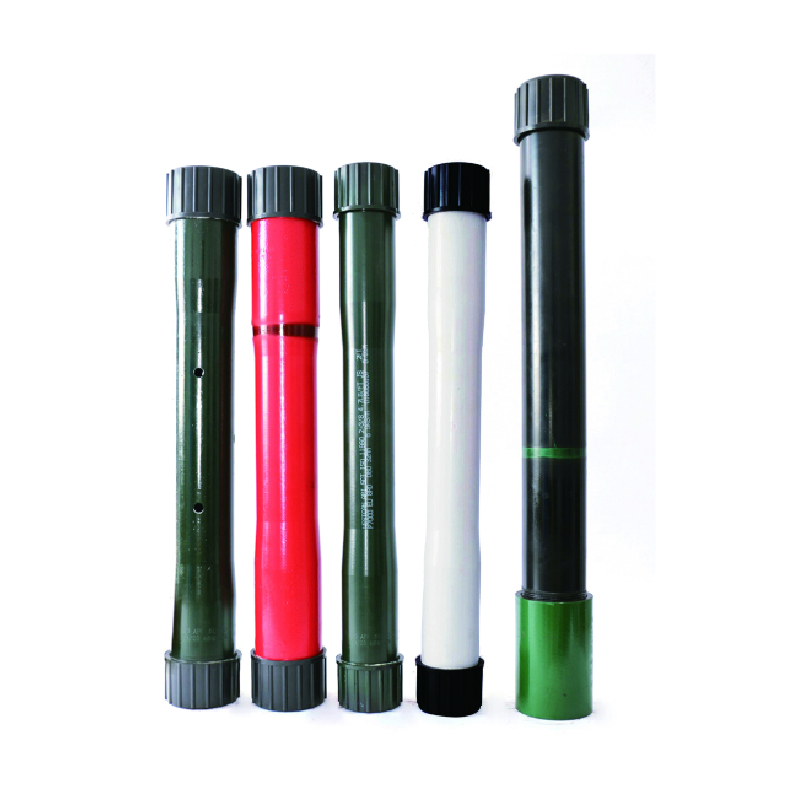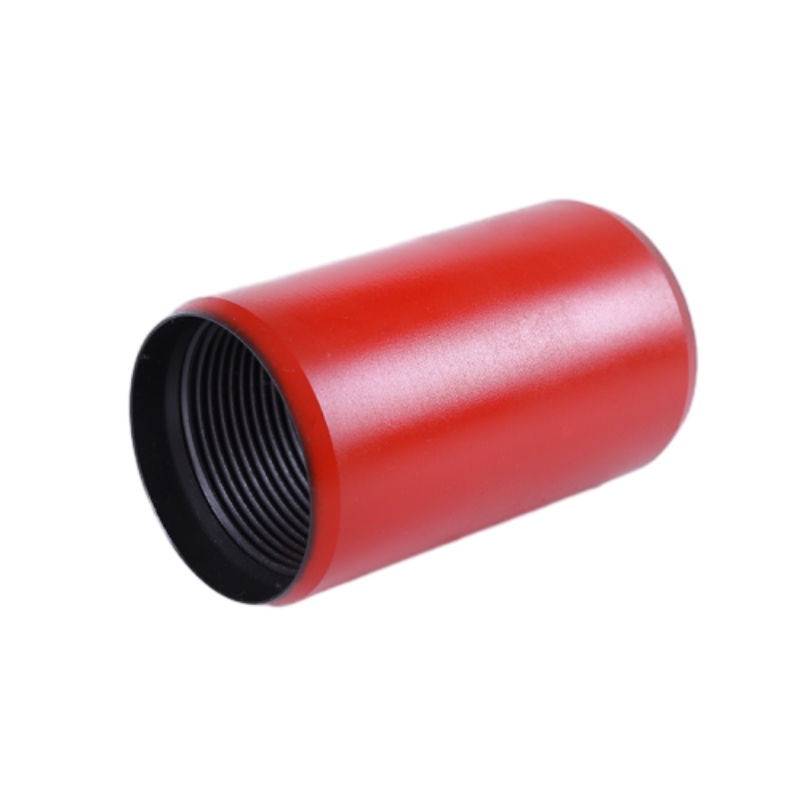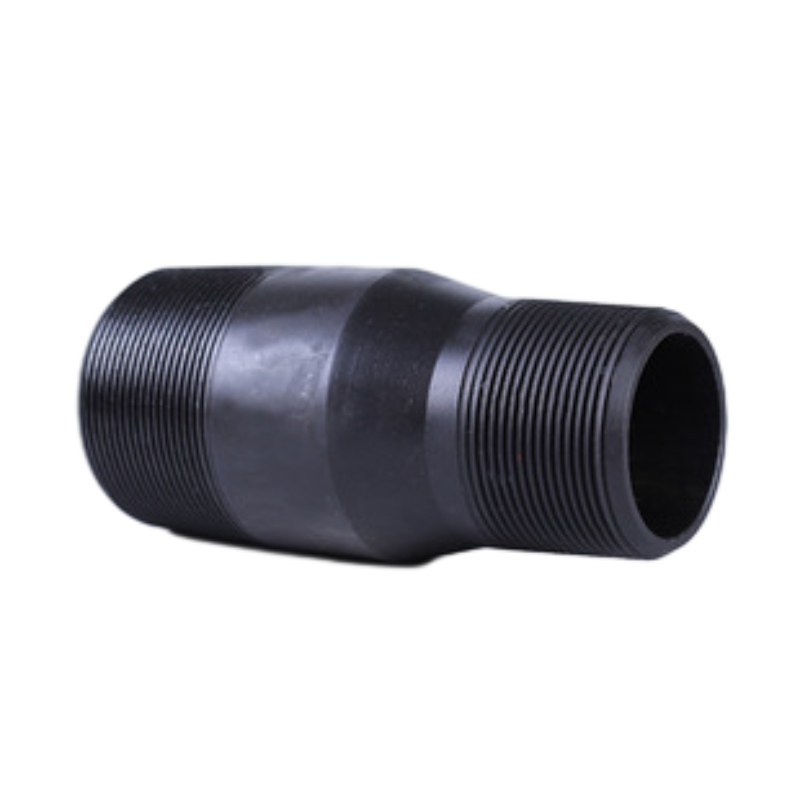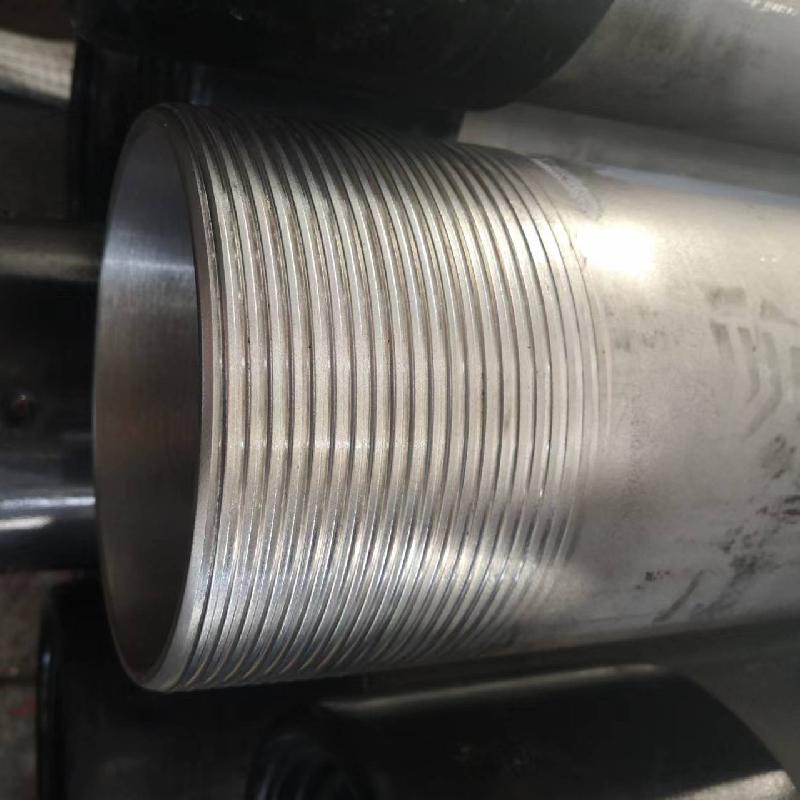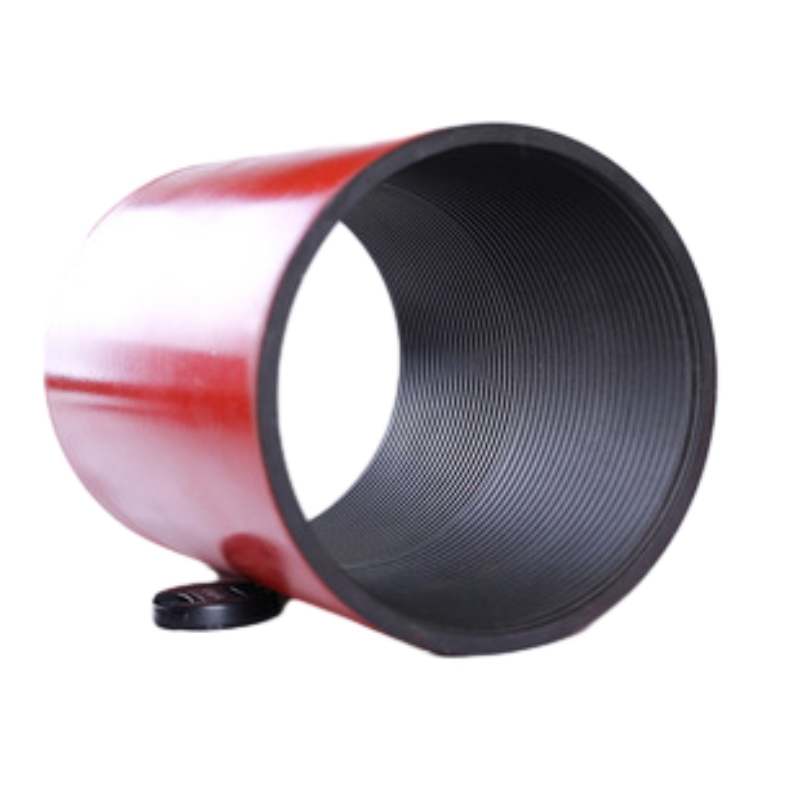


What Is a Compression Tubing Coupler? Global Uses, Benefits & Trends
Understanding the Compression Tubing Coupler: A Key Component in Modern Industry
Compression tubing couplers, these humble yet vital connectors, might not grab headlines, but globally, they hold together some of the most critical piping systems. Whether in oil and gas operations, water supply networks, or industrial automation, understanding the role of a compression tubing coupler is essential for engineers and businesses aiming for reliability and efficiency.
Why Compression Tubing Couplers Matter Worldwide
Consider this: globally, the pipeline infrastructure for energy and water distribution exceeds millions of miles. According to the International Energy Agency, millions of barrels of oil and cubic meters of gas travel daily through vast networks where secure, leak-proof connections are non-negotiable. Compression tubing couplers deliver exactly that — a pressure-tight joint without the fuss of welding or adhesives. This not only speeds up assembly but also reduces failure points, critical in remote or hazardous environments.
Without these couplers, industries would struggle to maintain uptime, safety, and cost-effectiveness, impacting everything from global energy markets to basic human needs like clean water supply.
Defining the Compression Tubing Coupler
At its heart, a compression tubing coupler is a mechanical fitting that joins two sections of tubing or pipe using compressive force. Unlike threaded or welded joints, these couplers work by compressing a ferrule—or sometimes multiple ferrules—around the tubing surface when tightened, creating a robust, leak-resistant seal.
This simple yet brilliant design is why the coupler finds applications across industrial sectors and even humanitarian aid. For instance, in emergency water distribution where fast deployment is critical, compression couplers allow quick assembly without specialized tools or skills.
Core Components and Key Factors
Durability and Material Selection
Made typically from stainless steel, brass, or other corrosion-resistant alloys, these couplers must endure extreme temperatures, pressures, and chemical exposure. I’ve noticed many engineers swear by 316 stainless steel for its strength and corrosion resistance, especially in marine or chemical processing environments.
Compatibility and Size Range
Compression tubing couplers cater to a wide variety of tubing diameters—from tiny instrumentation lines to large industrial pipes. Compatibility isn’t just about size; it’s about matching material types to prevent galvanic corrosion and ensuring ferrule designs fit tube wall thicknesses.
Ease of Installation
One huge practical benefit is the minimal equipment needed. Unlike welding setups, many compression couplers require just a wrench to tighten—making field repairs and installations simpler and faster. In remote areas or disaster zones, this can literally save time and lives.
Pressure Ratings and Leak Resistance
Reliable sealing under high pressure is non-negotiable. Depending on the design, couplers withstand pressures from a few hundred PSI to thousands, suiting everything from fluid sampling to high-pressure gas lines.
Global Applications & Real-World Use Cases
In practical terms, compression tubing couplers find homes worldwide:
- Oil & Gas Fields: Harsh environments demand quick repairs and reliable joints. Couplers often replace weld points for flexibility.
- Water Utilities: Ensuring leak-free potable water distribution especially in developing regions.
- Pharmaceutical & Food Industries: Clean, non-contaminating connections for precision fluid handling.
- Disaster Relief Operations: Rapid pipe assembly for water and fuel supplies without heavy infrastructure.
- Remote Industrial Sites: Simplified maintenance even when skilled welders aren’t available.
Oddly enough, some NGOs have started using compression tubing couplers for modular water systems, especially in areas hit by natural disasters, where fast, reliable setup can provide safe water in days rather than months.
Advantages & Long-Term Value
Beyond simply "joining pipes," these couplers carry measurable benefits:
- Cost Savings: Reduced labor and downtime with tool-free installation options.
- Sustainability: Reusable components minimize waste and support circular economy goals.
- Safety & Trust: Leak-proof systems reduce environmental risk and enhance operational safety.
- Innovation & Flexibility: They enable system modifications without extensive rework, important in evolving industrial processes.
There’s something reassuring about a well-designed compression coupler — it embodies practical innovation where you least expect it.
Compression Tubing Coupler Typical Specifications
| Specification | Details |
|---|---|
| Material | Stainless Steel 316, Brass |
| Compatible Tube Outer Diameter | 1/8" to 2" |
| Pressure Rating | Up to 6000 PSI (varies by size) |
| Temperature Range | -40°C to +150°C |
| Installation | Hand or wrench tightening |
Vendor Comparison: Top Compression Tubing Coupler Providers
| Vendor | Material Options | Pressure Range (PSI) | Unique Selling Point |
|---|---|---|---|
| Alpha Fittings Co. | Stainless Steel, Brass | Up to 5000 | Field-install kits with tool-less options |
| Beta Precision | 316 Stainless Steel Only | 6000 | Highest corrosion resistance, ideal for marine use |
| Gamma Solutions | Brass & Aluminum | 3500 | Lightweight options for aerospace applications |
Future Trends & Innovations in Tubing Couplers
Looking ahead, the industry is nudging towards greener materials and enhanced digital tracking. Smart compression couplers embedded with sensors to detect leaks before they worsen are no longer just sci-fi. The rise of additive manufacturing or 3D printing is allowing rapid prototyping of custom fittings adapted precisely to complex geometries. Sustainability drives efforts to develop bio-based or recycled alloys without compromising strength.
Challenges & How Experts Are Addressing Them
Despite their versatility, compression tubing couplers face challenges such as limited applicability for very large pipe diameters or in extremely corrosive environments that require specialized coatings. Some users report installation errors leading to leaks. Experts recommend rigorous training for installers, standardized torque tools, and enhanced ferrule design improvements to address these.
FAQs About Compression Tubing Coupler
- Q: How do I select the right size compression tubing coupler?
A: Measure the outside diameter of your tubing precisely and choose a coupler rated for that size and pressure. Check material compatibility for your application fluid. - Q: Can compression tubing couplers be reused after disassembly?
A: Generally, reusable if inspected for wear and damage, but ferrules may deform and should often be replaced to maintain seal integrity. - Q: Are these couplers suitable for high-pressure gas lines?
A: Yes, many compression couplers are rated up to thousands of PSI, but confirm the pressure rating and certification before critical applications. - Q: What tools are needed for installation?
A: Normally just a wrench or hand tightening; some brands offer tool-less or quick-connect systems for field ease.
Conclusion
Compression tubing couplers may be low-profile, but their impact is huge—connecting demanding industrial operations worldwide with simplicity, trust, and performance. For anyone involved in piping systems, understanding their capabilities and limitations is invaluable. Interested in exploring reliable, high-quality compression tubing couplers? Visit our website: compression tubing coupler.
Mini takeaway: The compression tubing coupler is the quiet hero of piping networks—where durability meets ease, helping keep the world’s fluid systems safely connected.
References:
-
The Ultimate Industrial Guide to using مفصل الجرو Swivel JointsNewsApr.16,2026
-
Comprehensive Guide to api الجرو المشترك in Industrial ApplicationsNewsApr.09,2026
-
Comprehensive Guide to Puppy Joint Health with غلاف مفصل الجرو SupplementsNewsApr.07,2026
-
Optimizing Oilfield Performance with تمرير المفاصل الجرو and WJ Petroleum ExpertiseNewsApr.04,2026
-
Understanding Puppy Mills ¿qué es un porro de cachorros? Responsible Breeding PracticesNewsMar.31,2026
-
Comprehensive Guide to Perforated Puppy Joints and Long Term Canine HealthNewsMar.28,2026