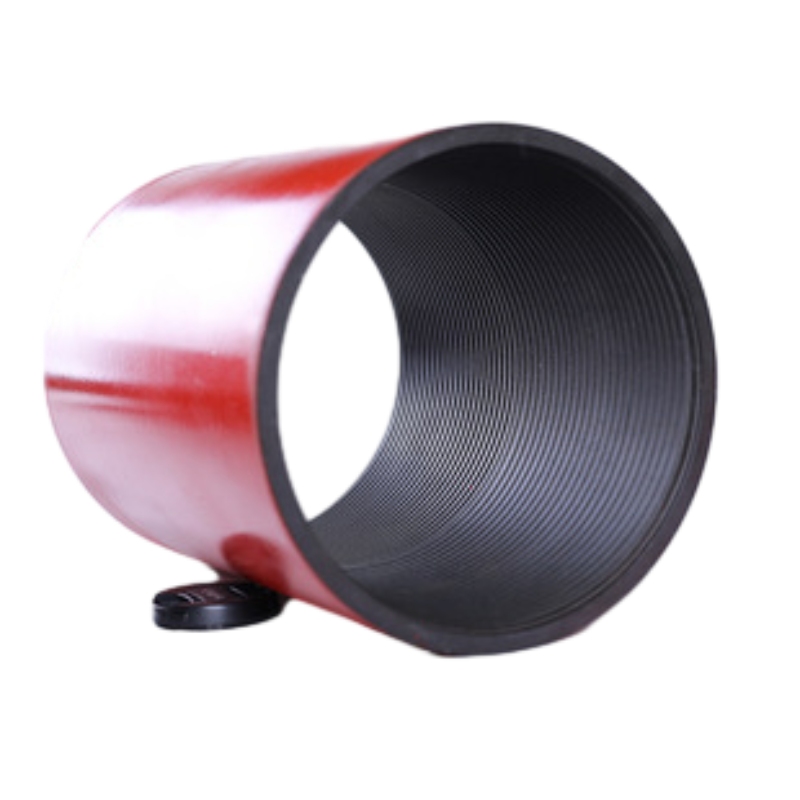


Comprehensive Guide to Tapón de Toro Petróleo y Gas: Features, Applications & Trends
What is Tapón de Toro in Petroleum and Gas, and Why Does It Matter?
Before we dive too deep, let’s get clear on what tapón de toro petróleo y gas really means. At its core, it’s a specialized type of wellhead or sealing device used in the oil and gas industry — sort of a pressure containment plug, designed to safely cap wells during maintenance or emergencies. You might wonder why it’s suddenly so important globally. Well, with the oil and gas sector underpinning much of today’s energy landscape, ensuring safe, efficient sealing during drilling or shut-ins isn’t just technical—it’s environmental and economic. Faulty or outdated sealing can lead to disastrous leaks, costly downtime, and environmental damage.
Understanding this component helps operators better control well integrity, reduce risks, and comply with stringent regulations. Plus, its applications go beyond traditional drilling, impacting remediation efforts and preventing blowouts worldwide. It’s a small but mighty piece in a really complicated puzzle.
Quick takeaway: The tapón de toro is crucial for maintaining safety and operational integrity in oil and gas wells globally—something that benefits everyone from companies to communities.
Global Context: Why Tapón de Toro is a Hot Topic
The oil and gas industry is a massive global beast, accounting for roughly 31% of the world’s energy consumption according to the International Energy Agency. With increasing energy demands and stricter environmental controls, the gear used during drilling operations is under continuous scrutiny. Tapones de toro are part of this. Worldwide, from the shale fields of the U.S. to offshore rigs in the North Sea, operators face challenges that require reliable sealing solutions to prevent catastrophic leaks and spills.
Interestingly, regions hit by geopolitical tension or natural disasters rely heavily on robust containment systems. For example, post-hurricane operations in the Gulf of Mexico highlighted the vital role of reliable plugs—which are essentially tapones de toro—in securing compromised wells quickly and safely.
Problems like well integrity loss can cost billions, not to mention the damage to corporate reputations and environmental impact. So the emphasis on durable, adaptable, and efficient sealing technologies is greater than ever.
Mini summary: The oil and gas industry’s global pressures and incidents underscore why better tapón de toro solutions are in high demand, making this more than just specialized equipment—it’s critical infrastructure.
Defining Tapón de Toro in Petroleum and Gas
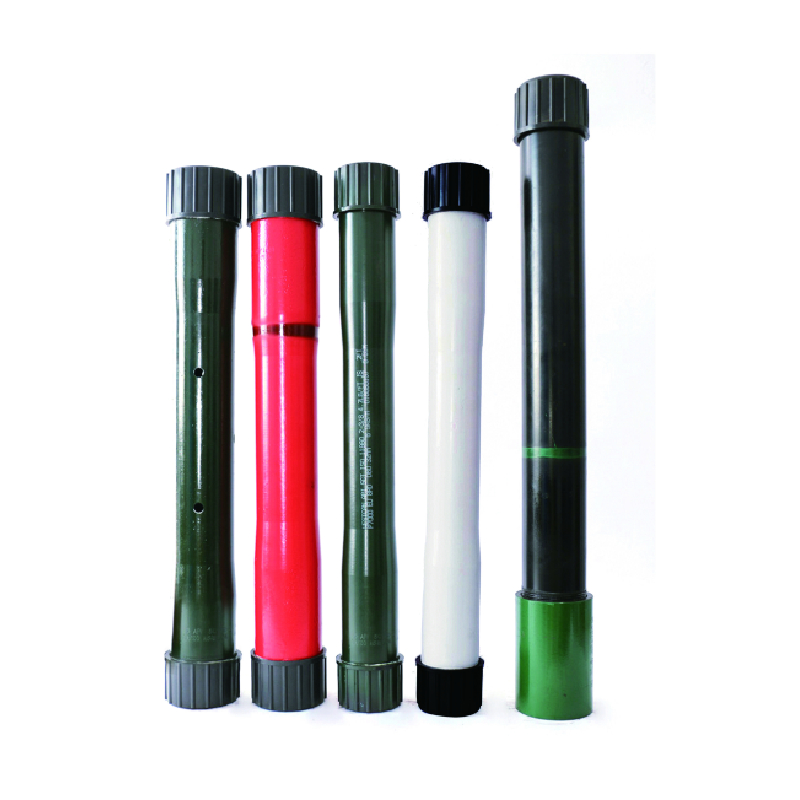
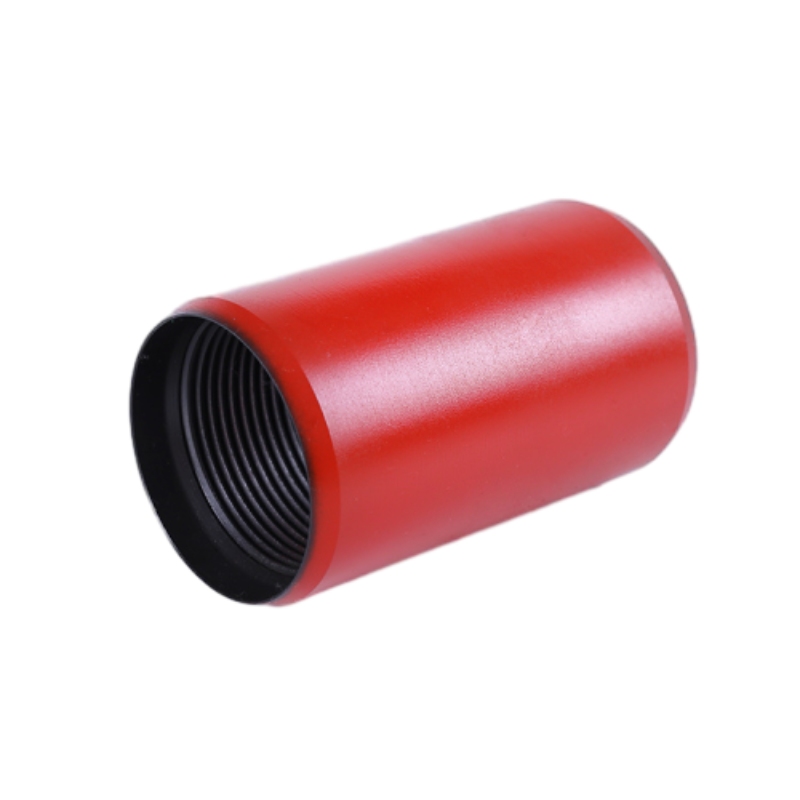
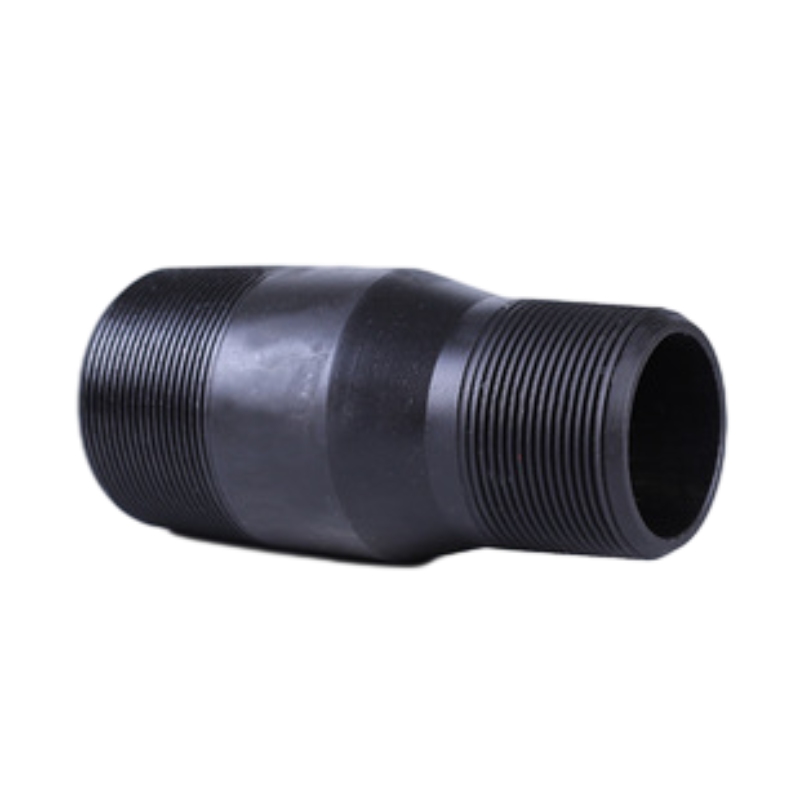
Put simply, a tapón de toro is a sort of screw-in or slip-fit plug used inside casing strings or open wells to create a pressure-tight seal. It’s often made of heavy-duty metals like steel alloys, designed to withstand extreme pressures and corrosive substances. The “toro” part—meaning “bull” in Spanish—suggests strength and ruggedness, which is no exaggeration considering the operational conditions.
It's a safeguard during well suspension, blowout prevention, or certain testing phases. Without it, crews would be at higher risk drilling into unstable formations or dealing with unexpected pressure surges. Beyond drilling, it's a key player in pipeline maintenance and temporary sealing when transferring fluids or decommissioning wells.
The role it plays ties directly to rough operational realities: dirt, saltwater, methane gas, and tons of underground pressure converge on these devices. Hence the demand for near-perfect sealing technology.
In short: Tapón de toro is a critical safety and operational device in oil and gas well management—functioning like a steadfast guardian in some intense underground battles.
Core Components and Features of Tapón de Toro
1. Durability and Material Quality
These plugs are often fabricated with high tensile-strength steels (like API 5CT grades or stainless alloys) that resist corrosion and erosion. Many engineers I've talked to swear by these alloys because a well failure due to metal fatigue isn’t just a headache—it’s a disaster.
2. Pressure Resistance
Tapones de toro are designed to withstand thousands of psi—sometimes upward of 10,000 psi. This means they can endure unexpected pressurization without failure, which is key for offshore environments or deep wells.
3. Seal Integrity
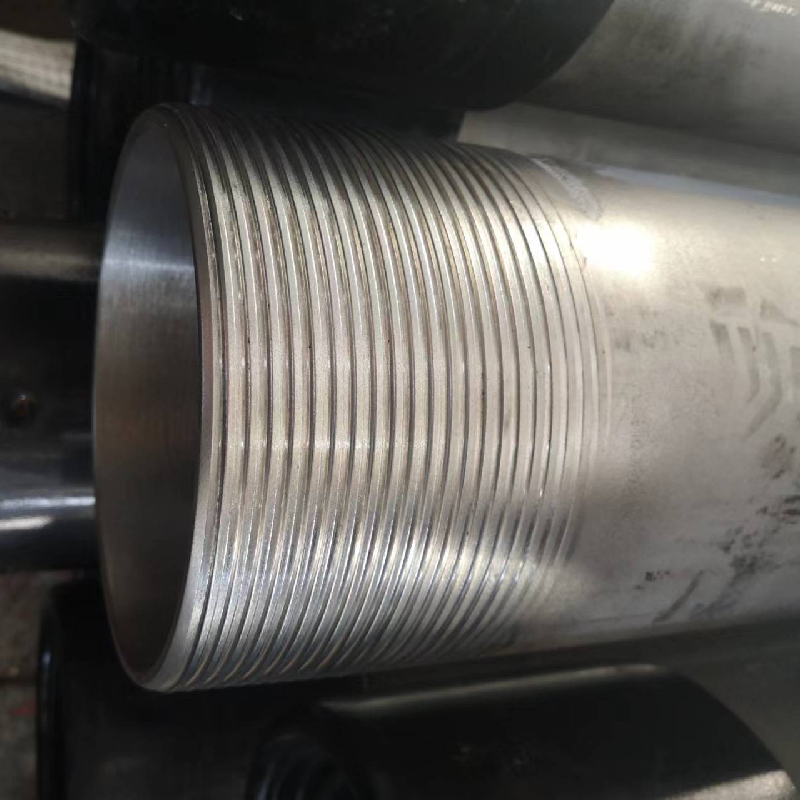
The seal itself typically involves precision-machined metal-to-metal contacts or resilient elastomeric rings, depending on the design. The balance needs to be just right: tight enough to prevent leakage but flexible enough to handle thermal expansion and contraction.
4. Ease of Installation and Removal
Since these plugs may need frequent removal or replacement during an operation, their design usually supports fast engagement on threaded connections or slips. Quick deployment saves rig time, which, frankly, saves a lot of money.
5. Compatibility with Well Infrastructure
From coiled tubing units to drill strings, tapones de toro come in various sizes and specifications to fit seamlessly into existing setups without causing stress points.
In essence: From metal alloy choice to sealing precision, these factors make tapones de toro reliable and indispensable in oil and gas operations.
Specification Table: Typical Tapón de Toro Features
| Feature | Specification | Notes |
|---|---|---|
| Material | API 5CT L80 / Stainless Steel 316L | Corrosion resistant, high tensile strength |
| Pressure Rating | Up to 10,000 psi | Suitable for HPHT wells |
| Seal Type | Metal-to-metal / Elastomeric | Depends on operational requirements |
| Connection | API threads / Slip-fit | For rapid engagement/removal |
| Size Range | 2 7/8" to 13 3/8" | Fits common wellbore diameters |
Global Applications & Use Cases
In real terms, tapones de toro are found everywhere—from towering rigs in the North Sea to sprawling shale fields in Texas, and even remote offshore sites in West Africa. Each location throws different challenges at these plugs. In post-disaster relief operations, such as after oil spills or well blowouts, rapid sealing with tapones de toro can prevent environmental degradation and loss of life.
For instance, in Arctic drilling, where cold temperatures affect metal flexibility, specially treated plugs ensure operational stability. Meanwhile, many emerging markets—think Latin America or Southeast Asia—rely heavily on these for smaller, mobile rigs that require flexible equipment setups.
Many multinational oil companies and service vendors now include them as part of their standard well control kits, especially given their proven role in minimizing downtime and losses during well interventions.
Short takeaway: The tapón de toro isn’t just a piece of hardware—it’s a practical solution sharply tailored to diverse global oilfield needs.
Advantages & Long-Term Value of Tapón de Toro
Advantages? Plenty. First, there’s cost efficiency. Robust plugs reduce downtime from blowouts or leaks, saving millions during marginal well operations. Then comes sustainability. By preventing unplanned gas releases, these plugs reduce greenhouse gas emissions—a serious win given global climate goals.
Socially, safer wells mean fewer accidents and environmental damage—something local communities deeply appreciate. There’s also a very human element here: workers on rigs feel more secure knowing the equipment is dependable, boosting morale and productivity.
Innovation in materials and machining also means that lifespan and reliability keep improving. It’s reassuring to see equipment that can last decades rather than years, requiring less frequent replacements or inspections.
What Sets Leading Vendors Apart?
| Vendor | Material Options | Pressure Ratings | Lead Time | Customization |
|---|---|---|---|---|
| Alpha Petro Supplies | Standard & premium steel alloys | Up to 12,000 psi | 4-6 weeks | Moderate options |
| Global Well Tech | Advanced corrosion-resistant alloys | Up to 15,000 psi | 6-8 weeks | Highly customizable |
| PetroSeal Systems | Standard alloys with elastomer seals | Up to 10,000 psi | 3-5 weeks | Basic customization |
Future Trends & Innovations
Just when you think tapones de toro are a mature technology, new stuff shows up. Industry insiders are excited about composites designed to reduce weight but retain strength. This can improve handling and reduce rig wear. The integration of real-time sensor tech inside plugs for pressure and temperature monitoring is gaining traction, enabling proactive maintenance.
And of course, sustainability trends push manufacturers to explore greener production methods and recyclable materials, aligning with global climate commitments.
Automation during installation using robotic arms, or remotely operated vehicles, is another frontier—helpful when wells are in challenging environments like subsea fields.
Challenges & Practical Solutions
Nothing’s perfect. Tapones de toro still face issues like elastomer degradation at extreme temperatures or mismatches in threading tolerances causing leaks. Some wells have unconventional diameters making standard plugs unsuitable. Plus, logistics for custom orders can be slow.
Experts recommend close collaboration between suppliers, engineers, and operators early in the project. Testing plugs under simulated real-well conditions also reduces surprises. Innovations in material science often address temperature and corrosion problems.
Ultimately, customizing plug design and ensuring quality control yields the best results.
Frequently Asked Questions About Tapón de Toro Petróleo y Gas
- Q: What is the typical lifespan of a tapón de toro in field conditions?
A: Lifespans vary but typically range from 5 to 15 years depending on the well environment and maintenance. Regular inspections help identify wear early and extend usable life. - Q: Can these plugs be used in both onshore and offshore wells?
A: Absolutely. Designs range from rugged offshore-grade versions handling high pressure and marine corrosion to simpler onshore models for less extreme environments. - Q: Are tapones de toro compatible with all casing sizes?
A: They come in a broad range of sizes, but it’s essential to specify casing dimensions to get a properly fitted plug. Custom sizing is common for non-standard wells. - Q: How fast can a tapón de toro be deployed during an emergency?
A: Most models are designed for quick installation—often within minutes—provided the crew is trained and equipped. This speed can be crucial in blowout prevention. - Q: Is it possible to source tapones de toro internationally for specialized projects?
A: Yes, many vendors ship globally. It’s recommended to plan logistics ahead and confirm certifications meet local standards.
Wrapping Up: Why Tapón de Toro is a Must-Have in Oil & Gas
To sum up, the humble tapón de toro may seem like just another piece of drilling paraphernalia, but its role in safety, efficiency, and environmental protection is huge. With ongoing innovation, increased awareness, and growing demand worldwide, these devices are set to play an even bigger role as the energy industry navigates the future. If you want to explore options or learn more about specialized sealing solutions, tapón de toro petróleo y gas vendors and experts like those at WJ Petroleum have useful info and products tailored for your needs.
Remember, every reliable well operation starts with solid foundations—a plug that won’t let you down.
References
-
Tubing Coupling Questions: Uses, Materials and API CompatibilityNewsNov.02,2026
-
Casing Pup Joint Options Compared: Specifications, Materials and Supplier DocumentationNewsOct.28,2026
-
Guide to High Quality 2 inch stainless steel coupling for Oil GasNewsJul.01,2026
-
High Performance 2 inch steel coupling for Oil and Gas OperationsNewsJun.29,2026
-
High Precision 3 8 od copper coupling for Oil and Gas ConnectivityNewsJun.27,2026
-
High Quality 3 inch steel pipe coupling for Oil and Gas ProductionNewsJun.26,2026