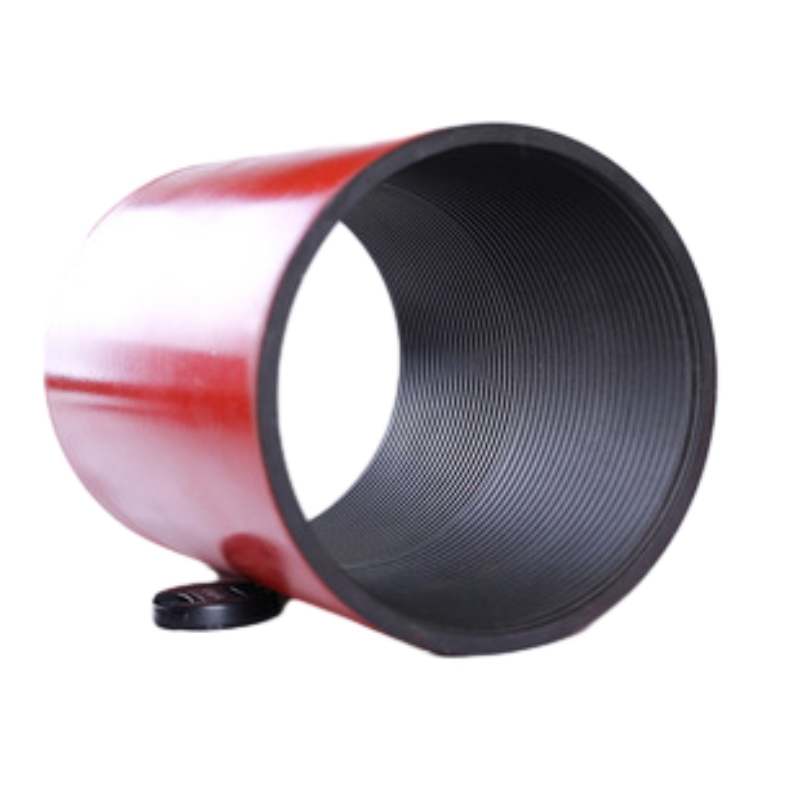


Coupling Stainless Steel Fitting: Durable, High-Performance Industrial Solutions | WJP Petroleum
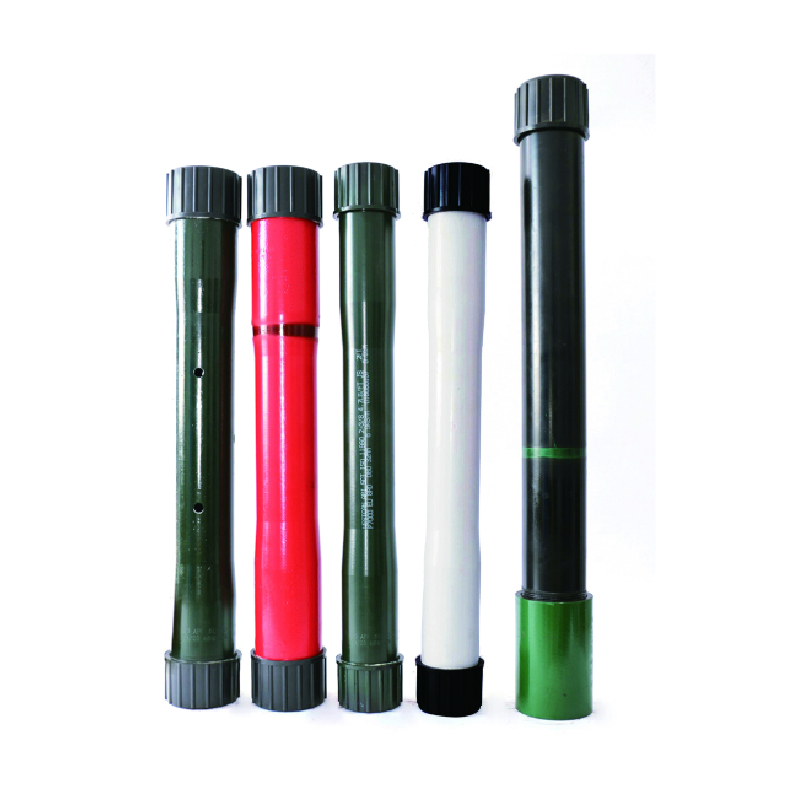
Coupling Stainless Steel Fitting is a key solution in the industry, specifically within the oil, gas, chemical processing, and high-pressure fluid transport sectors. This article explores how https://www.wjpetroleum.com supports professionals with durable, high-performance products, and explains why this product is an ideal choice for businesses in these sectors.
Table of Contents
- Coupling Stainless Steel Fitting Overview
- Benefits & Use Cases of Coupling Stainless Steel Fitting
- Cost, Maintenance & User Experience
- Sustainability & Market Trends
Coupling Stainless Steel Fitting Overview
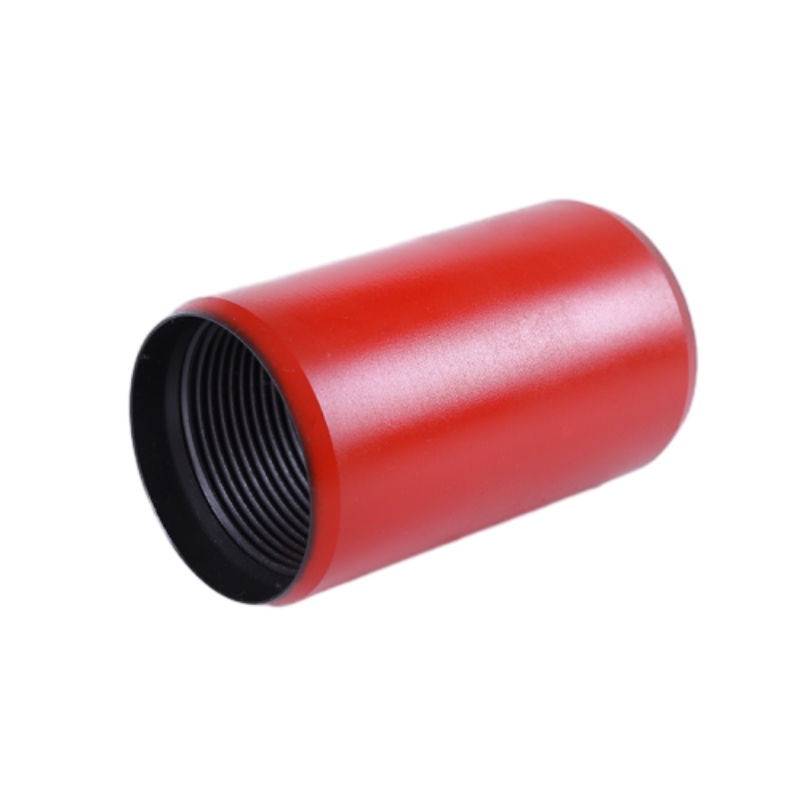
At its core, a Coupling Stainless Steel Fitting is a mechanical component designed to connect two pipes or tubes together in a secure, leak-proof union. Frankly, these fittings might seem like small players but they are absolutely critical in ensuring system integrity, especially in demanding environments. Stainless steel, known for its corrosion resistance and strength, is the material of choice here — it can withstand harsh chemicals, fluctuating temperatures, and high pressures where other metals would falter.
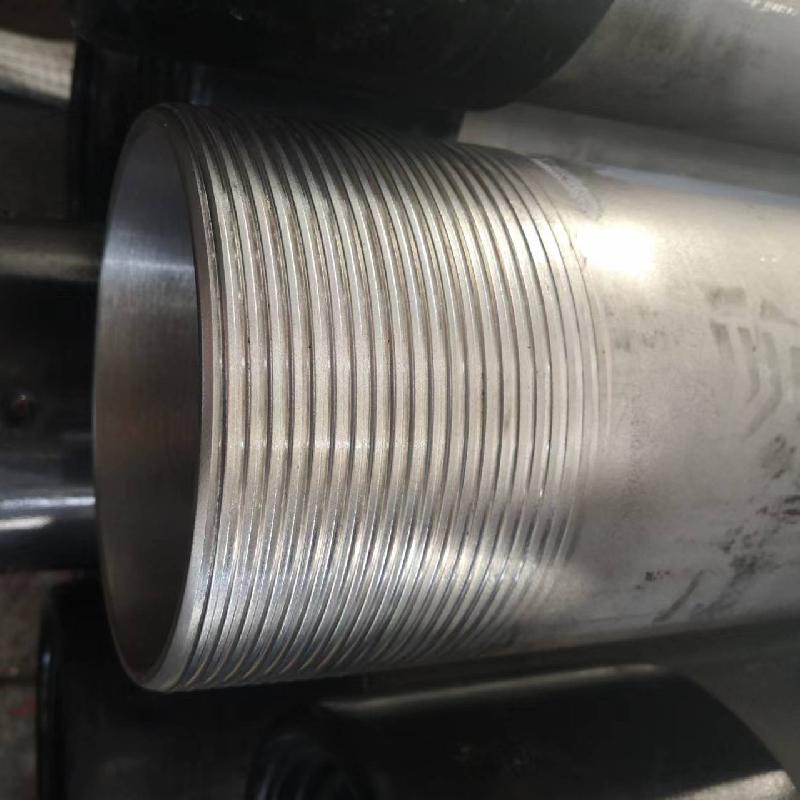
Technically speaking, these couplings come in various configurations—threaded, welded, or press-fit—to suit different installation requirements. For example, WJP’s line includes Grade 304 and 316 stainless steel fittings, the latter preferred for its enhanced resistance to chloride corrosion in marine and chemical applications. There’s some neat engineering behind the seamless finishes and precision threading that allows for quick installation, which is often a game-changer when downtime means serious money lost.
| Specification | Details |
|---|---|
| Material Grades | 304, 316 Stainless Steel |
| Pressure Rating | Up to 6000 PSI (depending on size) |
| Size Range | 1/8 inch to 4 inch diameter |
| Connection Types | Threaded, Welded, Flanged |
| Operating Temperature | -50 °C to 400 °C |
Benefits & Use Cases of Coupling Stainless Steel Fitting
If you’re wondering why so many sectors leverage Stainless Steel Couplings, the answer largely boils down to reliability under tough conditions. In oil and gas installations, these fittings ensure the safe transport of fluids under high pressure—no small thing when leaks could cause costly shutdowns or worse. Chemical plants likewise benefit from their resistance to harsh substances, reducing replacement frequency and service disruptions.
Oddly enough, you also find these fittings in food and beverage processing, where hygiene and cleanliness are paramount. Stainless steel smoothly resists microbial growth and is easy to sterilize. There’s also an untold story of installation speed: many engineers mention how the precise threading and uniform finishing from quality suppliers like WJP make connections faster, saving valuable field time.
Overall, the competitive advantages revolve around corrosion resistance, mechanical strength, and versatility across scales and industries. Plus, stainless steel fittings effectively minimize downtime and maintenance — a huge plus in any business where operational continuity is king.
Cost, Maintenance & User Experience
When it comes to total cost of ownership, stainless steel fittings might seem pricier upfront compared to alternatives like carbon steel or plastic couplings. But in real terms, the ROI is almost always better. Their durability means fewer replacements and lower labor costs over the product lifecycle.
Users from petrochemical companies report that although initial expenses are higher, the almost negligible corrosion, fewer leak incidents, and ease of maintenance make these couplings cost-effective over time. One client noted that switching to WJP’s stainless steel fittings reduced pipeline downtime by 15% annually — that kind of figure resonates deeply with procurement managers wanting tangible value.
Maintenance routines are simpler too—because stainless steel doesn't oxidize or degrade easily, regular inspection intervals can be extended, and cleaning typically requires just standard procedures without aggressive chemicals or abrasive tools.
Vendor Comparison Table: WJP vs. Others
| Feature | WJP Petroleum | Competitor A | Competitor B |
|---|---|---|---|
| Material Grade Options | 304, 316L, Duplex | 304 only | 316 and lower grades |
| Pressure Rating | Up to 6000 PSI | Up to 4000 PSI | Up to 5000 PSI |
| Customization Services | Available | Limited | None |
| Lead Time | 2-4 weeks | 4-6 weeks | 3-5 weeks |
| After-Sales Support | Comprehensive | Basic | Uncertain |
Sustainability & Market Trends
Sustainability is something you just don’t ignore these days—especially for B2B decision makers looking to future-proof infrastructure. Stainless steel fittings contribute positively here because of their long lifespan and recyclability. In fact, stainless steel contains a significant percentage of recycled material and can be recycled indefinitely without loss of properties.
Market trends indicate growing demand driven by stricter environmental regulations and the push for greener, more efficient industrial processes. We see wider adoption not only in traditional energy sectors but also in emerging ones like hydrogen transport and renewable energy installations.
Moreover, smart manufacturing and precision engineering are making custom solutions more accessible than ever, allowing companies to deploy stainless steel fittings that maximize efficiency and reduce waste. The industry is evolving — embracing quality, sustainability, and tech innovation - and products from WJP Petroleum reflect that trend nicely.
Frequently Asked Questions about Coupling Stainless Steel Fitting
- What is Coupling Stainless Steel Fitting and how does it work?
- It’s a connector essentially—used to join two pipes or tubes firmly, ensuring no leakage or pressure loss. They rely on threaded joints, welding, or flanges, depending on the setup, to create a sealed system that stands up to the environment it’s in.
- What are the main benefits of using Coupling Stainless Steel Fitting in industrial applications?
- Key advantages include corrosion resistance, mechanical strength, resistance to high temperatures and pressures, and low maintenance requirements, all of which lead to longer service life and cost savings.
- How does Coupling Stainless Steel Fitting compare to traditional alternatives?
- Compared to carbon steel or non-metallic options, stainless steel fittings offer superior durability and corrosion resistance. They are less prone to leaks and failures, which translates into safer, more reliable operations overall.
- What industries can benefit most from Coupling Stainless Steel Fitting implementation?
- Oil & Gas, Chemical Processing, Petrochemicals, Food & Beverage, Pharmaceuticals, and even emerging sectors like renewable energy can all benefit because these fittings handle harsh environments elegantly.
Conclusion on Coupling Stainless Steel Fitting from china
In summary, investing in quality Coupling Stainless Steel Fitting makes a tangible difference in operational uptime, safety, and long-term maintenance budgets. Their resilience and versatility truly make them indispensable for modern industrial projects. Whether you’re upgrading existing pipelines or setting up new systems, it feels like this product offers a smart balance of quality and price, especially when sourced from specialized manufacturers in China who know their craft.
- Recap the value of Coupling Stainless Steel Fitting.
- - Visit our website: https://www.wjpetroleum.com
Reflecting on this, it’s clear that even the smallest parts in industrial setups carry big weight—and choosing the right coupling can make all the difference. For those interested, further reading includes manufacturer datasheets, industry standards, and case studies that WJP Petroleum gladly provides on request.
-
The Ultimate Industrial Guide to using مفصل الجرو Swivel JointsNewsApr.16,2026
-
Comprehensive Guide to api الجرو المشترك in Industrial ApplicationsNewsApr.09,2026
-
Comprehensive Guide to Puppy Joint Health with غلاف مفصل الجرو SupplementsNewsApr.07,2026
-
Optimizing Oilfield Performance with تمرير المفاصل الجرو and WJ Petroleum ExpertiseNewsApr.04,2026
-
Understanding Puppy Mills ¿qué es un porro de cachorros? Responsible Breeding PracticesNewsMar.31,2026
-
Comprehensive Guide to Perforated Puppy Joints and Long Term Canine HealthNewsMar.28,2026