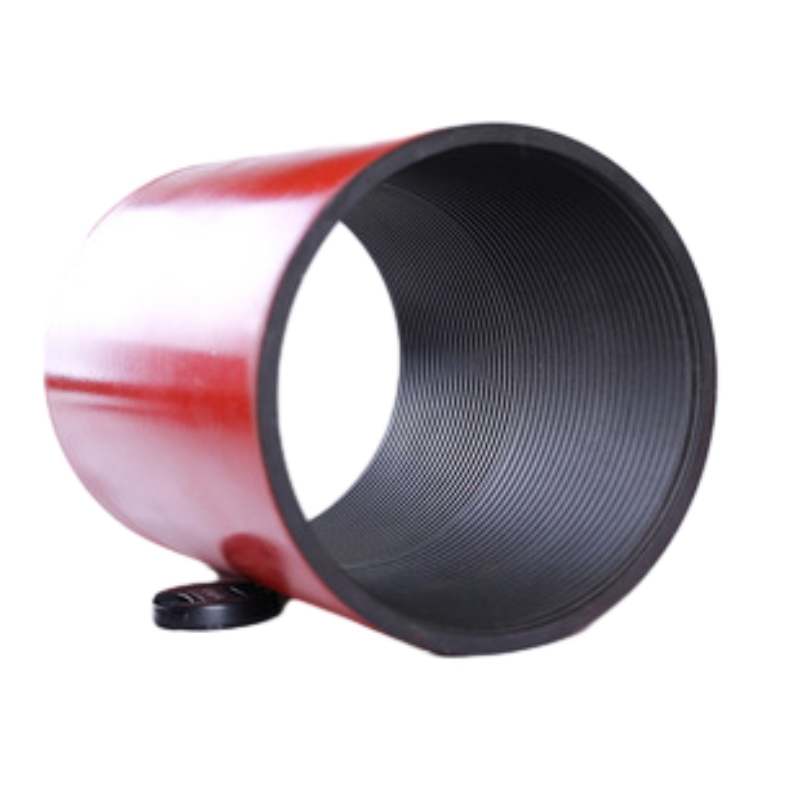


Reliable Coupling For Tubing Solutions – Durable & High-Performance Products | WJ Petroleum
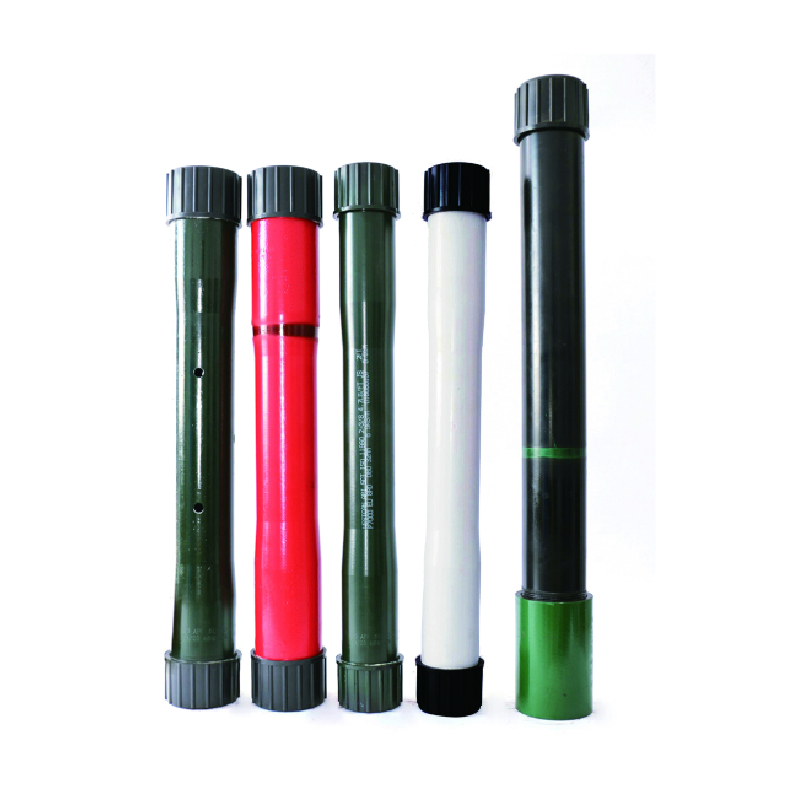
Coupling For Tubing is a key solution in the industry, specifically within sectors that demand strong, reliable connections for tubular components. Frankly, in industries like oil & gas, petrochemical, and pipeline construction, having robust couplings isn’t just a nice-to-have — it’s essential. This article explores how https://www.wjpetroleum.com supports professionals with durable, high-performance products, and explains why this product is an ideal choice for businesses in these sectors.
Table of Contents
- Coupling For Tubing Overview
- Benefits & Use Cases of Coupling For Tubing
- Cost, Maintenance & User Experience
- Sustainability & Market Trends
Coupling For Tubing Overview
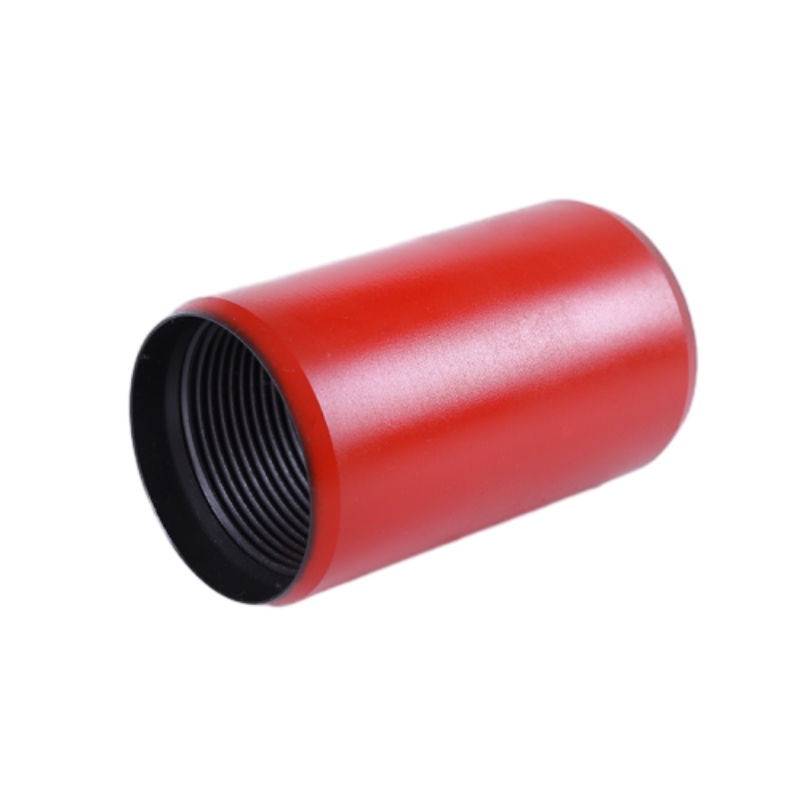
At its core, a Coupling For Tubing is a mechanical device used to connect two tubular sections securely, ensuring fluid-tight and pressure-resistant joints. This simple part plays a pivotal role in extending pipeline lifespans and preventing leaks — a fundamental concern when dealing with harsh industrial environments. Technically, these couplings are forged from high-grade alloy steels, often meeting strict API and ISO standards, and undergo rigorous testing including tensile, torque, and pressure tests.
- A coupling must adapt to various tubing diameters while maintaining structural integrity under high pressure, which WJ Petroleum’s products excel at.
- For example, in a recent offshore pipeline project, their couplings facilitated easier installation without compromising safety requirements.
| Specification | Details |
|---|---|
| Material | Alloy Steel (Grade L80, P110) |
| Size Range | 2-7/8" to 5-1/2" |
| Pressure Rating | Up to 15,000 psi |
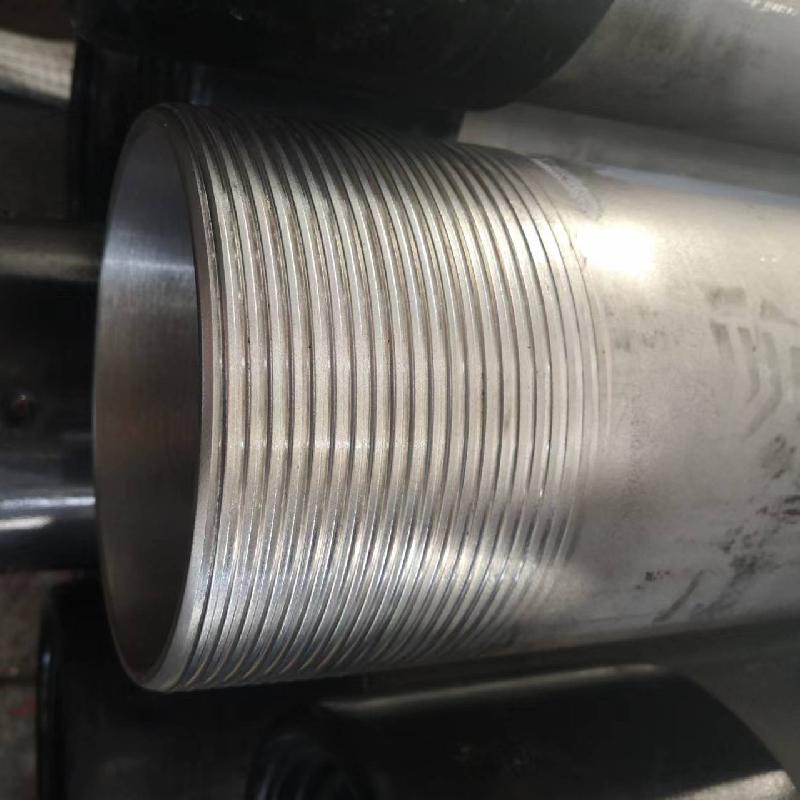
| Thread Type | API 8 Round, Buttress, or Custom |
Benefits & Use Cases of Coupling For Tubing
Oddly enough, these couplings often do the heavy lifting behind the scenes—quietly ensuring fluid integrity in pretty demanding environments. In oil drilling rigs, they facilitate rapid assembly and disassembly of drill strings, saving precious time during operations. Moreover, their design helps absorb shock and prevent damage to tubing threads, which prolongs equipment life and reduces costly downtime.
- Couplings from WJ Petroleum feature precision engineering that fits America's toughest specs, making them a trusted choice for upstream and downstream applications alike.
- Their corrosion-resistant coatings ensure durability in highly saline or corrosive environments, such as offshore platforms.
Cost, Maintenance & User Experience
When you tally it all together, the total cost of ownership for high-quality couplings like those from WJ Petroleum often comes out surprisingly favorable. It’s not just the upfront price — although competitive — but the reduced maintenance cycles and fewer failures that really tip the scales. Customers often remark on how easy the couplings are to install with standard tools and minimal training, leading to faster project turnaround.
- Long-term durability means fewer replacements and less downtime; one user on a Gulf Coast pipeline reported a 20% efficiency boost.
- WJ Petroleum’s customer service is known to be responsive and knowledgeable—always a plus when things get complicated.
| Feature | WJ Petroleum | Competitor A | Competitor B |
|---|---|---|---|
| Material Quality | Premium Alloy Steel | Standard Alloy | Standard Alloy |
| Pressure Rating | Up to 15,000 psi | Up to 12,000 psi | Up to 10,000 psi |
| Corrosion Resistance | Enhanced Coatings | Basic Coatings | Basic Coatings |
| Customer Support | Responsive, Technical Expertise | Moderate | Limited |
Sustainability & Market Trends
Sustainability isn’t just a buzzword in the industrial sector — it’s an evolving requirement that products like couplings must meet. Regulations around environmental impact, emissions, and material reuse are tightening, and companies like WJ Petroleum are stepping up with innovations, such as recyclable coatings and manufacturing processes that reduce waste. In real terms, this means choosing a coupling supplier is increasingly about more than specs and price; it’s about long-term ecological footprint and compliance.
- Growing demand for horizontal drilling and unconventional resources is spurring R&D for more adaptable coupling designs.
- Clients report an industry-wide shift toward partnerships with vendors able to demonstrate sustainability credentials alongside performance.
Frequently Asked Questions about Coupling For Tubing
- What is Coupling For Tubing and how does it work?
- Simply put, it’s a connector that joins two tubing segments to form a continuous flow path capable of withstanding high pressures. It works by threading or mechanically locking onto tubing ends, creating a leak-proof, strong bond.
- What are the main benefits of using Coupling For Tubing in industrial applications?
- They provide superior strength, reduce risks of leakage, simplify installation, and often extend equipment lifespan, delivering better ROI for companies.
- How does Coupling For Tubing compare to traditional alternatives?
- Compared to welds or flanged connections, couplings offer faster assembly and disassembly, less risk of heat-affected zone damage, and generally better flexibility for maintenance.
- What industries can benefit most from Coupling For Tubing implementation?
- Oil & gas, petrochemical, offshore drilling, water treatment, and pipeline construction are major users, with growing applications in renewable energies like geothermal plants.
Conclusion on Coupling For Tubing from china
To sum it up, investing in quality Coupling For Tubing can be quite transformative for businesses relying on tubular flowlines. Durable, reliable, and designed with today’s demanding environments in mind, these couplings offer long-term value beyond the immediate cost. If you’re searching for dependable tubing couplings that balance performance with sustainability, it certainly pays to look closer.
- Recap the value of Coupling For Tubing.
- - Visit our website: https://www.wjpetroleum.com
It feels like in industries where downtime is money lost, the right coupling choice is almost as good as gold—and WJ Petroleum seems to get that just right. For further info, check technical certification archives or reach out directly to their expert teams. Makes sense, right?
References:
1. API Standards for Tubular Couplings
2. WJ Petroleum Product Testing Reports
3. Industry Usage Case Studies, 2023
-
Comprehensive Guide to api الجرو المشترك in Industrial ApplicationsNewsApr.09,2026
-
Comprehensive Guide to Puppy Joint Health with غلاف مفصل الجرو SupplementsNewsApr.07,2026
-
Optimizing Oilfield Performance with تمرير المفاصل الجرو and WJ Petroleum ExpertiseNewsApr.04,2026
-
Understanding Puppy Mills ¿qué es un porro de cachorros? Responsible Breeding PracticesNewsMar.31,2026
-
Comprehensive Guide to Perforated Puppy Joints and Long Term Canine HealthNewsMar.28,2026
-
Understanding Articulación de Cachorros Cruzados and Optimizing Puppy Joint HealthNewsMar.26,2026