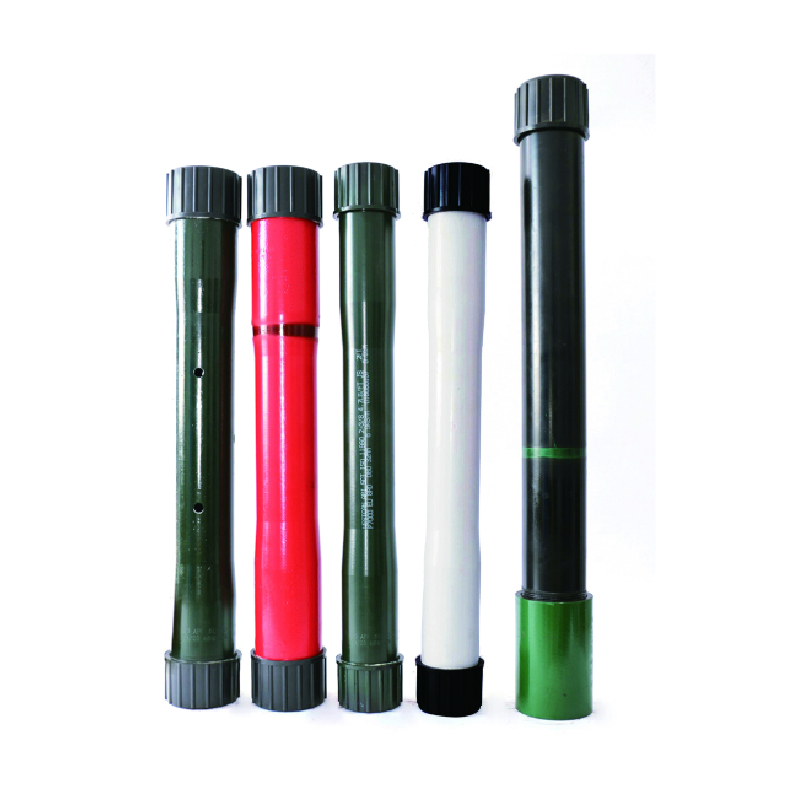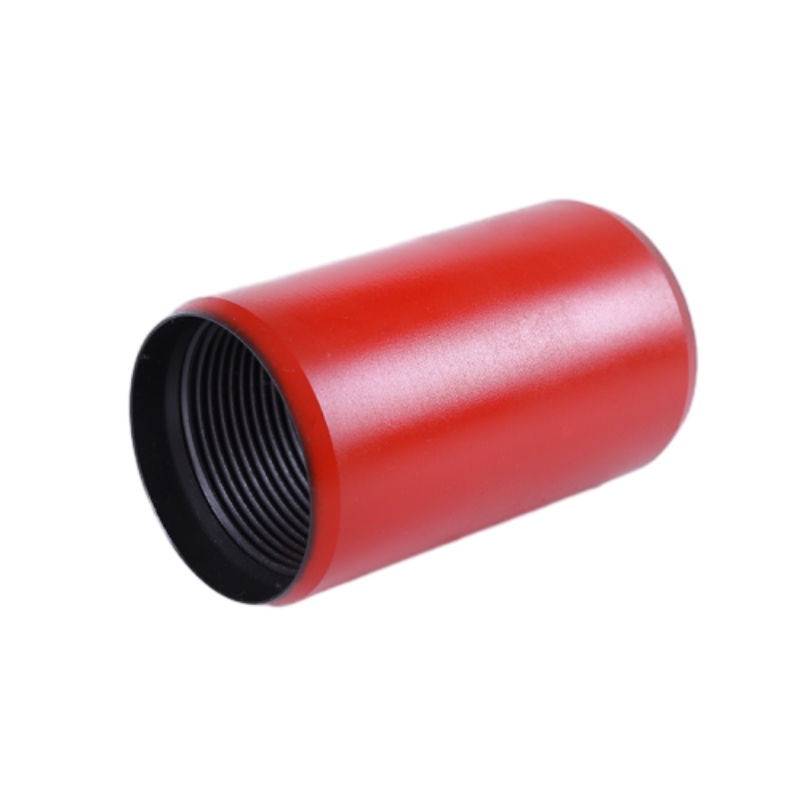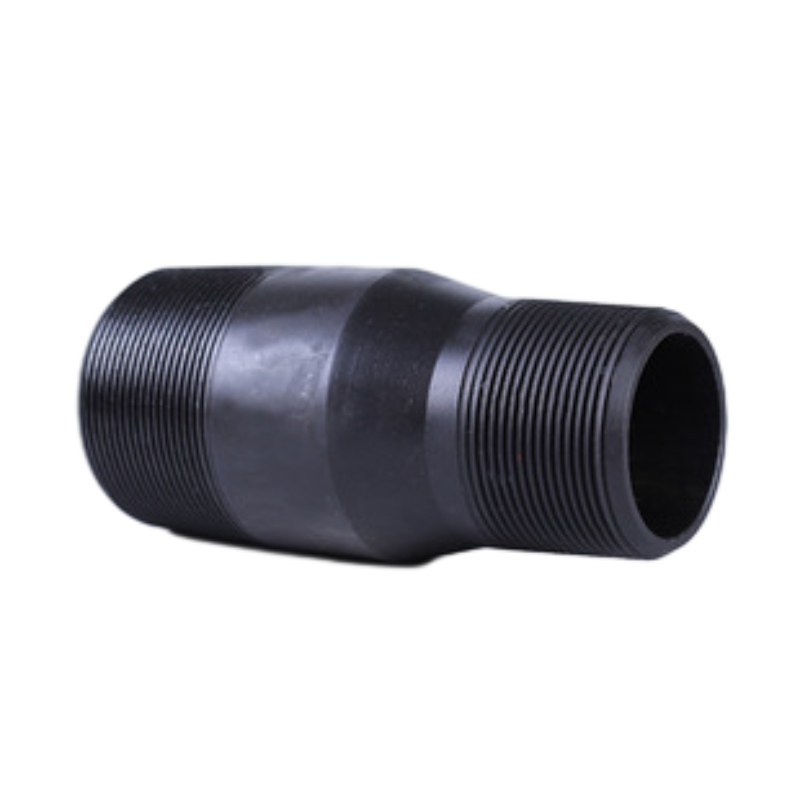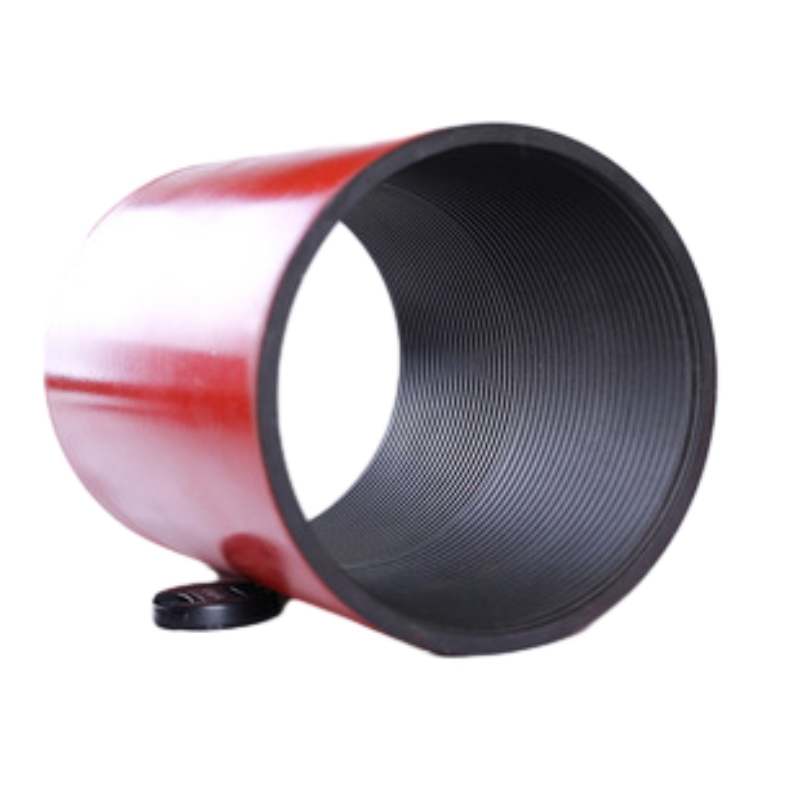


Crossover Drilling Tool – Essential Adapter for Efficient and Safe Drilling
Crossover Drilling Tool: What It Is and Why It Matters Globally
If you've ever wondered how the oil and gas industry manages to switch between different types of drill strings or pipe sizes seamlessly, the crossover drilling tool is often the unsung hero behind the scenes. This device helps engineers and drillers overcome the tricky challenge of connecting equipment that doesn't always match perfectly. Although it sounds like a niche gadget, understanding this tool reveals a lot about operational efficiency, safety, and cost savings — all critical factors in global energy production and infrastructure development.
Globally, the demand for energy continues to rise, and with it, the need for better drilling technologies. The crossover drilling tool plays a key role in adapting drilling rigs to varied geological formations and well architectures, helping companies maximize resource extraction while reducing downtime. So, why does it matter beyond just industry jargon? Because efficient drilling means cleaner energy delivery, less environmental disturbance, and, frankly, fewer workplace hazards.
Introduction: The Global Lens on the Crossover Drilling Tool
In 2023, the International Energy Agency noted that drilling operations contribute significantly — sometimes up to 20% — of a project’s overall costs. A seemingly small improvement in connecting drill components can translate to millions saved worldwide. According to ISO standards on drilling equipment, mismatches between drill parts are a common source of equipment wear and failure.
The challenge many operators face is how to maintain operational tempo while switching between different pipe sizes or threading types without causing leaks or damaging threads. That’s where a reliable crossover drilling tool shines—it bridges those gaps seamlessly.
What Is a Crossover Drilling Tool?
Put simply, a crossover drilling tool is a mechanical device used to connect two drill string components that have differing diameters or thread types. Think of it like an adapter for your plumbing at home but designed for the harsh and high-pressure environment deep underground.
These adapters ensure a secure, leak-proof connection, enabling drillers to transit from one pipe size or thread profile to another without having to stop operations to replace entire sections of the string. Beyond oil and gas, humanitarian drilling projects for groundwater extraction also rely on such versatile tools to adapt to varying regional pipe standards.
Core Components & Key Factors of Crossover Drilling Tools
Durability & Material Quality
Because drilling is tough business, these tools are crafted from heat-treated steel alloys or corrosion-resistant materials. Durability ensures that the crossover tools withstand extreme torque and pressure without failure—which can be dangerous and costly.
Compatibility & Thread Types
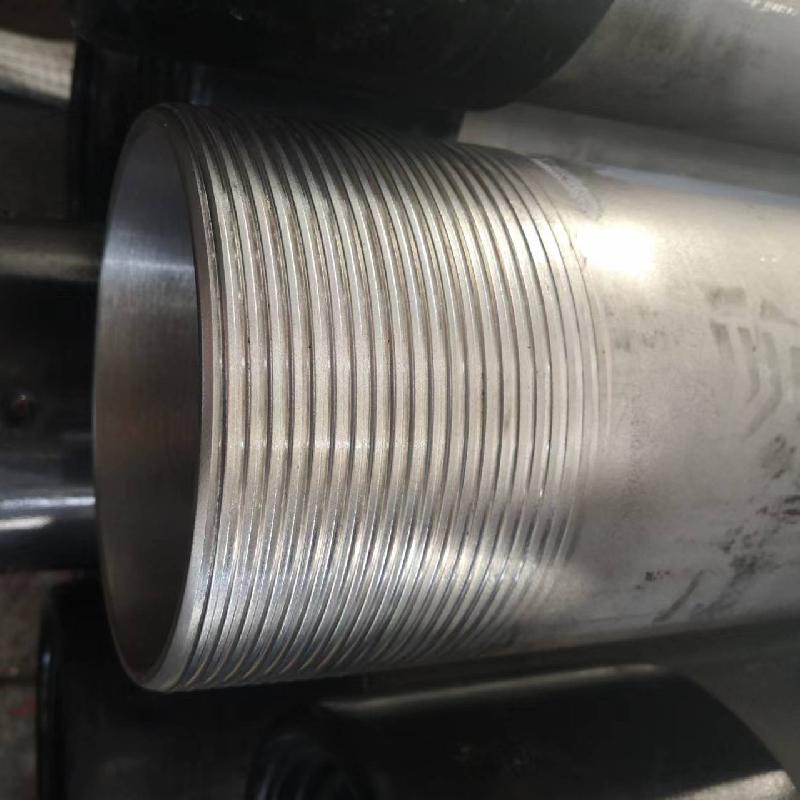
Whether you're connecting API to premium thread profiles or switching metric to imperial dimensions, the core utility of crossover tools lies in their thread compatibility. Custom fittings allow for a broad range of applications.
Pressure and Seal Integrity
Maintaining tight seals is vital to prevent fluid leaks, which can cause environmental harm or operational delays. The tool design often incorporates advanced sealing systems or coatings to handle pressures valued up to 15,000 psi.
Ease of Installation
In real-world drilling environments, speed is money. Tools with straightforward connections and ergonomic design reduce rig downtime during part changes.
Cost Efficiency
Compared to replacing entire drill strings, using one or two crossover tools is far more economical. This efficiency allows operators to adapt to different drilling conditions on-the-fly.
| Parameter | Specification |
|---|---|
| Material | Alloy Steel (Heat Treated) |
| Thread Types Supported | API, Premium, Metric |
| Max Operating Pressure | 15,000 psi |
| Temperature Range | -40°C to 150°C |
| Connection Sizes | Varies from 2-7/8" to 5-1/2" |
| Weight | Approx. 10-15 kg |
Global Applications & Real-World Use Cases
From the deepwater Gulf of Mexico rigs to the vast oil fields of the Middle East, the crossover drilling tool has earned a spot in nearly every drilling operation’s toolbox. In some African and South Asian regions, where imported drilling pipes may not match local thread standards, crossover tools enable international companies to work efficiently without costly custom orders.
During post-disaster relief, when rapid water well drilling is required, crossover tools help adapt drilling rigs to various locally sourced pipes, speeding up access to potable water. Oddly enough, these applications extend beyond hydrocarbons—they’re critical in geothermal energy projects and even in some mining operations.
Vendor Comparison Table: Leading Crossover Drilling Tool Manufacturers
| Vendor | Material Quality | Pressure Rating | Price Range | Customization Options |
|---|---|---|---|---|
| DrillTech Solutions | High-grade alloy steel | 15,000 psi | $$$ | Thread types & sizes |
| Global Pipe Adaptors | Corrosion resistant steel | 12,000 psi | $$ | Limited sizes |
| EnergyLink Components | Premium alloy + coatings | 16,000 psi | $$$$ | Full custom solutions |
Advantages & Long-Term Value of Using Crossover Drilling Tools
At their core, these tools slash delays brought on by incompatibility, making drilling projects safer and more predictable—something anyone who’s worked offshore or on a rig knows is no small feat. Cost savings come not just from avoiding material waste but also from less downtime, a win-win for operators and investors alike.
Socially, the ability to drill water wells in developing regions faster means improved community health and dignity. Sustainability-wise, minimizing waste and promoting reuse of existing drill strings align well with the industry's shift toward greener operations.
Future Trends: Where Is the Crossover Drilling Tool Headed?
With digital transformations hitting every corner of industry, smart crossover tools embedded with sensors that monitor stress, temperature, and integrity in real-time are fast becoming plausible. Imagine catching a slight thread failure before it causes a blowout—that’s the direction innovation seems headed.
Material science advances might bring in even lighter and stronger alloys or composites, reducing rig loads and carbon footprints. Plus, as the green energy sector grows, such tools will also be adapted for geothermal and hydrogen drilling applications.
Challenges and How Experts Are Tackling Them
That said, the biggest hang-up remains the variety of thread standards worldwide, which can create logistical headaches. Also, extreme downhole conditions still sometimes cause premature wear.
Experts suggest modular solution kits that allow drillers on-site to swap components easily, combined with rigorous ISO-based quality checks, help negate these issues. Continuous R&D in sealing technologies and coatings also promises to enhance durability.
FAQ: Frequently Asked Questions About Crossover Drilling Tools
-
Q: What thread types can a typical crossover drilling tool accommodate?
A: Most standard tools support API, premium, and metric thread types. Some vendors offer custom adaptations for less common profiles, ensuring compatibility with a wide variety of drill components. -
Q: How does using a crossover tool improve drilling safety?
A: By ensuring tight, leak-proof connections, crossover tools prevent hazardous blowouts and reduce mechanical failure risks, helping maintain rig safety standards. -
Q: Are these tools reusable or single-use?
A: Crossover drilling tools are designed for multiple uses, but they require regular inspection and maintenance to ensure they remain within safety and performance specs. -
Q: Can crossover tools be customized to unique project requirements?
A: Yes, many manufacturers offer bespoke designs tailored to specific thread sizes, pressure ratings, and materials to best fit project needs. -
Q: Where can I find reliable crossover drilling tools?
A: Trusted vendors include DrillTech Solutions, Global Pipe Adaptors, and EnergyLink Components, all providing various quality and pricing options. Visit our site to explore sourcing options: crossover drilling tool.
Conclusion: A Vital Tool for Modern Drilling
In summary, the crossover drilling tool is much more than just an adapter; it’s a key enabler of efficient, safe, and flexible drilling operations worldwide. Its ability to connect incompatible drill parts quickly saves money, time, and lives — which is why it deserves a spot on every rig’s inventory.
If you want to explore the latest models or get technical advice, don’t hesitate to visit our website. There’s a lot more to these tools than meets the eye, and frankly, I think they might just be one of the industry’s quiet revolutions.
Takeaway: While small in size, crossover drilling tools have outsized impact—bridging technical gaps and bringing worlds of drill strings together.
-
The Ultimate Industrial Guide to using مفصل الجرو Swivel JointsNewsApr.16,2026
-
Comprehensive Guide to api الجرو المشترك in Industrial ApplicationsNewsApr.09,2026
-
Comprehensive Guide to Puppy Joint Health with غلاف مفصل الجرو SupplementsNewsApr.07,2026
-
Optimizing Oilfield Performance with تمرير المفاصل الجرو and WJ Petroleum ExpertiseNewsApr.04,2026
-
Understanding Puppy Mills ¿qué es un porro de cachorros? Responsible Breeding PracticesNewsMar.31,2026
-
Comprehensive Guide to Perforated Puppy Joints and Long Term Canine HealthNewsMar.28,2026