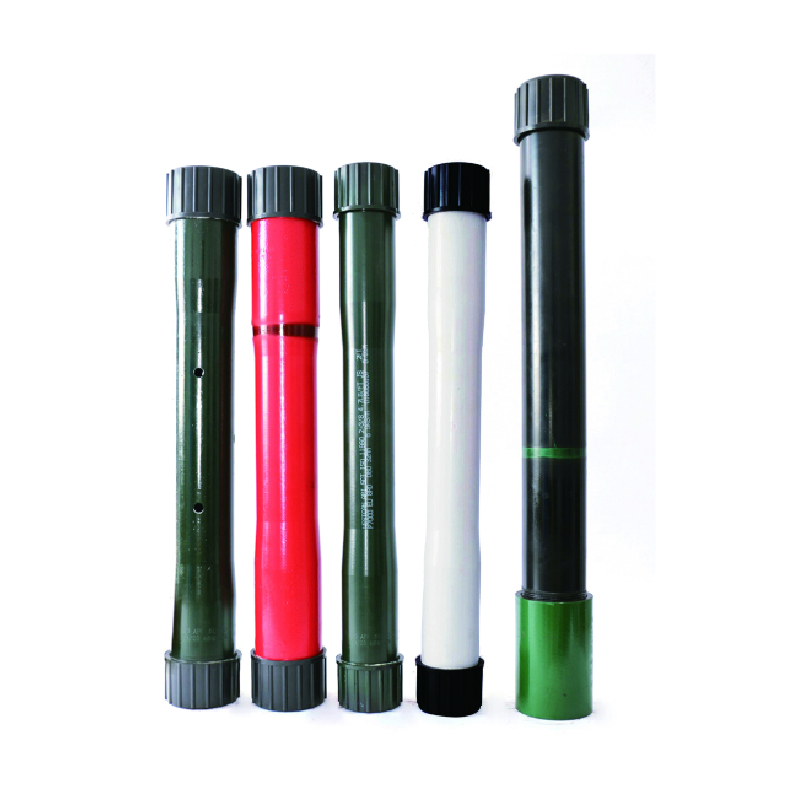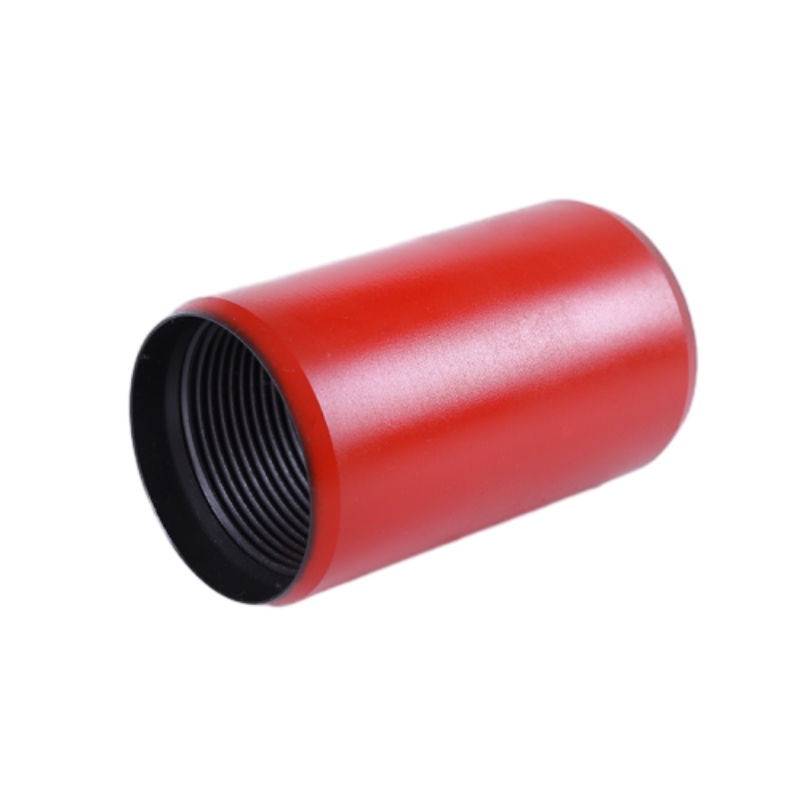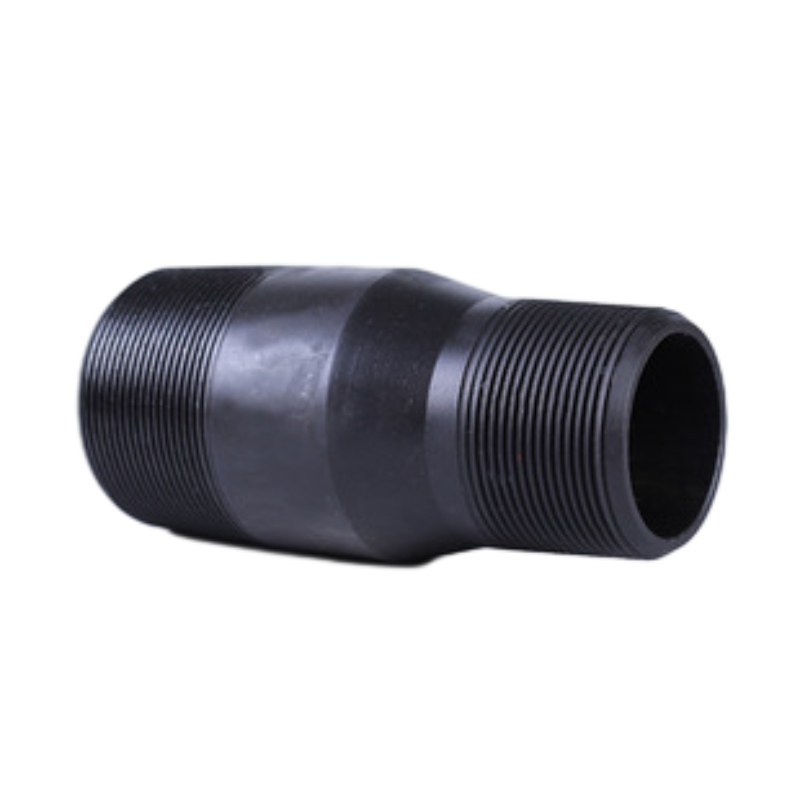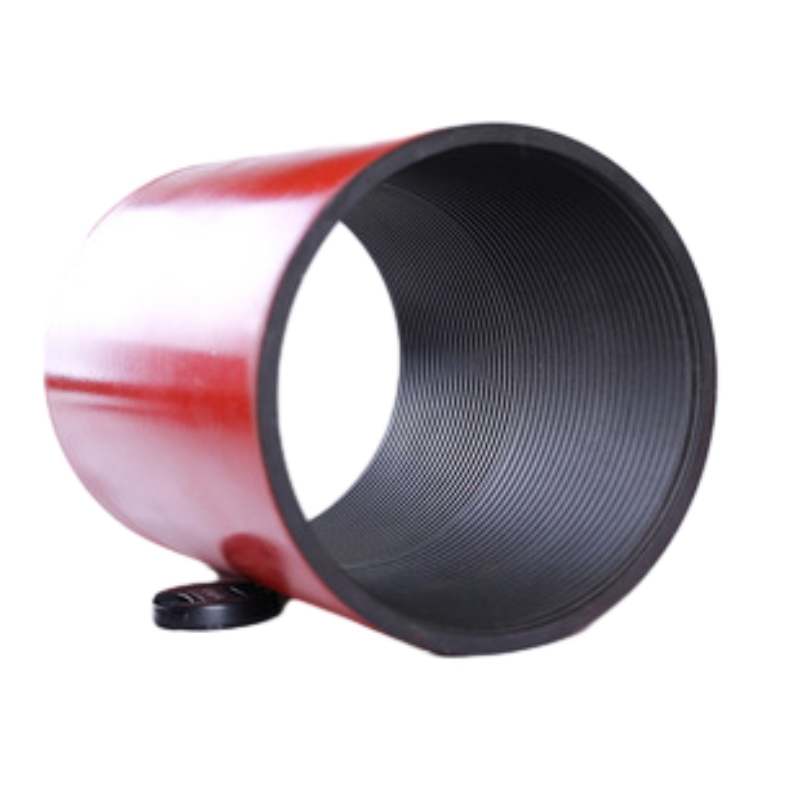


Understanding Crossover Sub Drilling: Key Benefits & Global Applications
Crossover Sub Drilling: A Key to Efficient Modern Drilling Operations
In the world of drilling technologies, crossover sub drilling has quietly become a cornerstone technique that underpins efficient operations across many industries. At its core, this specialized tool connects different drill pipe sizes or types, enabling smoother transitions and improved adaptability during drilling. But understanding why crossover sub drilling matters—globally and across sectors—helps us appreciate the subtle efficiency gains and operational reliability it offers. From oil fields in the Middle East to mineral exploration in Africa, it’s a simple yet vital link in the chain of modern resource extraction.
Introduction: Global Context of Crossover Sub Drilling
World demand for energy and raw materials has been staggering—according to the World Bank, global energy consumption has been rising steadily each year, with drilling playing an essential role in this supply. However, drilling projects often face challenges related to equipment compatibility, wear, and the harsh environments they operate in. This is where the role of crossover sub drilling becomes clear: it provides mechanical reliability and flexibility, helping crews adapt pipe sizes without costly downtime or equipment failure.
Without such adaptability, many drilling operations would be far less efficient, and frankly, more expensive. Considering that drilling rig downtime can cost thousands per hour, smooth transitions enabled by crossover subs reduce operational risk significantly.
What Is Crossover Sub Drilling?
Simply put, a crossover sub is a short tubular component used in drilling strings to join pipes or tools of different diameters or thread types. Imagine trying to connect two puzzle pieces that don’t quite fit — the crossover sub fills that gap. By adapting incompatible threads or sizes, it allows the drill string to maintain integrity as conditions or equipment needs change. This adaptability isn’t just about convenience; it’s critical to maintaining pressure seals and preventing costly failures deep beneath the earth’s surface.
In real terms, this means engineers can mix and match drill collars, drill pipes, and bottom hole assembly components without replacing entire sections — saving time and money. Beyond oil and gas, humanitarian and industrial drilling projects also rely on crossover subs for quick and stable rig setups.
Key Factors of Crossover Sub Drilling
1. Durability
Crossover subs must withstand tremendous mechanical stress—rotational torque, axial loads, and extreme pressures. Typically manufactured from high-strength alloy steels and treated with surface coatings, their durability ensures operational longevity and safety.
2. Thread Compatibility
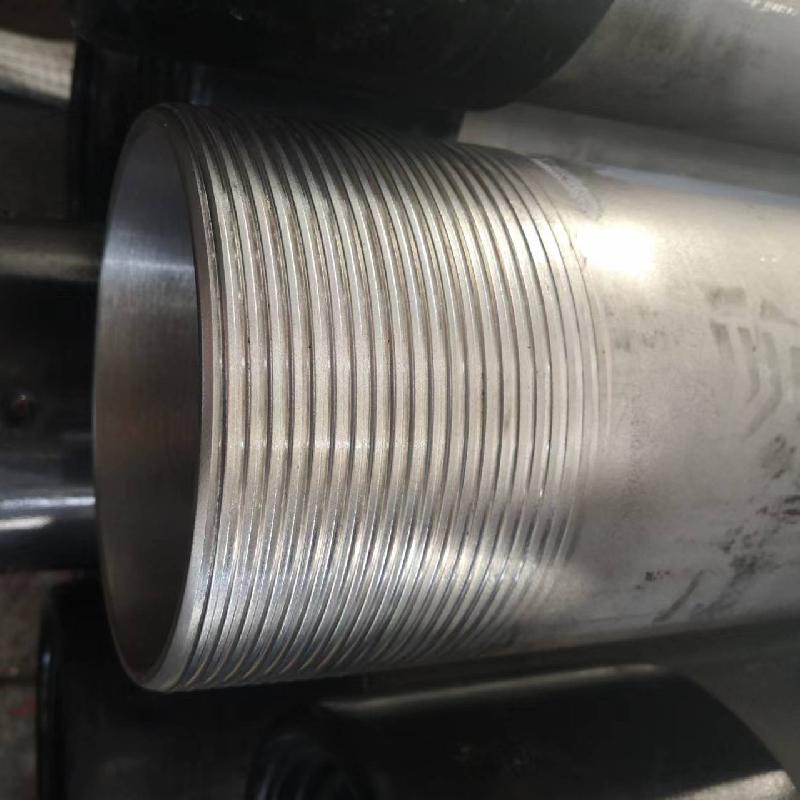
A core function is matching different thread standards—API, EUE, or premium connections, among others. The precision machining involved ensures a tight seal that prevents leaks and maintains pressure control vital during drilling.
3. Flexibility & Scalability
Crossover subs allow rigs to adapt on the fly by connecting various tool sizes or thread types. This flexibility is key for operations working across multiple formations or when customizing bottom hole assemblies.
4. Cost Efficiency
By minimizing downtime and eliminating the need for multiple rig modifications, crossover subs reduce overall project costs. This is perhaps the most tangible benefit companies appreciate.
5. Safety & Reliability
Reliable connections prevent catastrophic failures. Engineers stress that dependable crossover subs help maintain wellbore stability, which is central to worker safety and environmental protection.
Product Specifications: Typical Crossover Sub Characteristics
| Specification | Details |
|---|---|
| Material | Alloy Steel (e.g., 4145H MOD) |
| Thread Types | API, EUE, Premium Connections |
| Size Range | 1 1/2" to 6 5/8" OD |
| Length | 6" to 18" |
| Working Torque | Up to 50,000 ft-lb |
| Operating Temperature | -30°C to 150°C |
Global Applications & Use Cases
The flexibility of crossover sub drilling is leveraged worldwide. In the oil and gas fields of the North Sea, operators use them to switch between drill pipes and heavy drill collars seamlessly. In mineral exploration across Australian outbacks, these subs help engineer rugged drill strings able to handle unpredictable ground conditions.
Even in post-disaster infrastructure repairs, rapid drilling setups benefit from crossover subs to expedite ground stabilization.
One case comes from a Central Asian mining company that plugged incompatible thread types using crossover subs, avoiding delays that would have led to millions in lost productivity. This story highlights their practical, on-site value.
Vendor Comparison: Popular Crossover Sub Manufacturers
| Vendor | Product Range | Customization | Lead Time | Price Level |
|---|---|---|---|---|
| DrillTech Solutions | Extensive API & EUE subs | High | 4 weeks | Mid-range |
| Premium Drilling Inc. | Focus on premium connection subs | Medium | 6 weeks | High |
| Global Drill Components | Standard API range | Low | 3 weeks | Low-cost |
Advantages & Long-Term Value of Crossover Sub Drilling
- Cost savings: Less downtime and equipment failure translate to impressive budget efficiencies.
- Environmental stewardship: Reliable seals reduce leaks, limiting environmental risks.
- Operational safety: Maintaining pressure control enhances rig crew safety.
- Versatility: Ease of integration enables broader tool compatibility.
Ultimately, crossover subs facilitate innovation on the rig floor, giving engineers the confidence to customize assemblies in real time. There’s a kind of quiet reassurance knowing your connections aren’t the weakest link.
Future Trends & Innovations
Looking ahead, the industry is pushing towards lighter, stronger materials like advanced composites or heat-treated alloys for subs. Digital monitoring (with sensors embedded in subs) is also emerging, allowing real-time data on torque and wear — a nod to Industry 4.0’s role in drilling.
Sustainability matters ever more, so manufacturing processes are refining to reduce waste, and designs aim to extend tool life. Automation in rig operations is speeding up crossover sub deployment, minimizing human error.
Challenges & Solutions
Of course, challenges remain: compatibility across ever-changing thread standards can trip teams up, and misuse or poor maintenance can still lead to failures. That’s why industry consistency is crucial — standards set by API and ISO push manufacturers to maintain quality.
Training crews on proper assembly practices and investing in inspection tech help prevent headaches downhole. Custom-order subs mitigate mismatch issues but come with higher costs — a tradeoff worth considering.
FAQ: Your Questions About Crossover Sub Drilling Answered
- Q: What exactly does a crossover sub do in drilling?
A: It connects pipes or tools with different thread types or sizes, allowing seamless assembly of the drill string and maintaining pressure integrity. - Q: Can crossover subs be used in all types of drilling operations?
A: Generally yes. They are common in oil, gas, mineral exploration, and even geothermal drilling — anywhere tool or pipe size mismatch occurs. - Q: How long do crossover subs typically last?
A: With proper maintenance, quality materials, and usage, subs can last several drilling campaigns, but wear from torque and pressure will eventually require replacement. - Q: Are customized crossover subs available for unusual thread standards?
A: Yes. Many manufacturers provide made-to-order subs to fit exotic or legacy threads, though these take longer to produce. - Q: How do I ensure safe assembly and usage of crossover subs onsite?
A: Following manufacturer torque specs, regular inspections for cracks/wear, and training rig personnel on assembly procedures are key to safe operations.
Conclusion: Why Crossover Sub Drilling Deserves Your Attention
In the quiet moments between rig operations, crossover subs play a vital role in bridging gaps—literally and figuratively—in drilling logistics. Their ability to marry different pipe sizes and thread types keeps projects moving, budgets intact, and teams safe. For forward-thinking industry players, investing in high-quality crossover subs isn’t just an operational detail, it’s part of a bigger strategy towards sustainability and efficiency.
If you want to explore solutions or learn more about how crossover sub drilling can optimize your project, please visit crossover sub drilling.
Oddly enough, it’s these small unsung tools that often make the biggest impact underground.
Mini takeaway: Crossover sub drilling equips operators with flexibility and reliability, saving time and costs while enabling modern drilling’s complex demands.
References:
-
The Ultimate Industrial Guide to using مفصل الجرو Swivel JointsNewsApr.16,2026
-
Comprehensive Guide to api الجرو المشترك in Industrial ApplicationsNewsApr.09,2026
-
Comprehensive Guide to Puppy Joint Health with غلاف مفصل الجرو SupplementsNewsApr.07,2026
-
Optimizing Oilfield Performance with تمرير المفاصل الجرو and WJ Petroleum ExpertiseNewsApr.04,2026
-
Understanding Puppy Mills ¿qué es un porro de cachorros? Responsible Breeding PracticesNewsMar.31,2026
-
Comprehensive Guide to Perforated Puppy Joints and Long Term Canine HealthNewsMar.28,2026