

Dec . 03, 2025 19:40
Back to list
Vacuum Hose Coupling - Types, Benefits & Global Industrial Applications
Understanding Vacuum Hose Coupling: The Lifeline of Fluid Transfer Systems
Vacuum hose couplings might not be the topic of dinner-table conversations, but their role is surprisingly critical in industries worldwide. From manufacturing plants to disaster relief operations, these small yet sturdy devices enable the seamless connection of hoses under vacuum conditions, facilitating safe and efficient transport of liquids or gases. Grasping this technology isn't just for engineers; it matters globally because it supports infrastructure, environmental safety, and economic productivity — all key to modern life.Introduction: The Global Significance of Vacuum Hose Couplings
Across multiple sectors like oil & gas, pharmaceuticals, and environmental management, vacuum hose couplings serve a vital function. The World Bank reports that over 70% of global industries rely on continuous fluid transfer systems for operations, many of which integrate vacuum technology. Yet, challenges such as leakage, contamination risks, and non-standardized fittings persist, hampering efficiency and safety. This is where vacuum hose couplings come in—they are designed to maintain airtight seals under pressure variations, helping industries avoid costly downtime and environmental hazards. Oddly enough, something as small as a coupling can be a linchpin in large-scale infrastructure projects and humanitarian efforts alike.Mini takeaway: Vacuum hose couplings, though unassuming, enable diverse sectors to operate safely and effectively amid global challenges.
What is a Vacuum Hose Coupling?
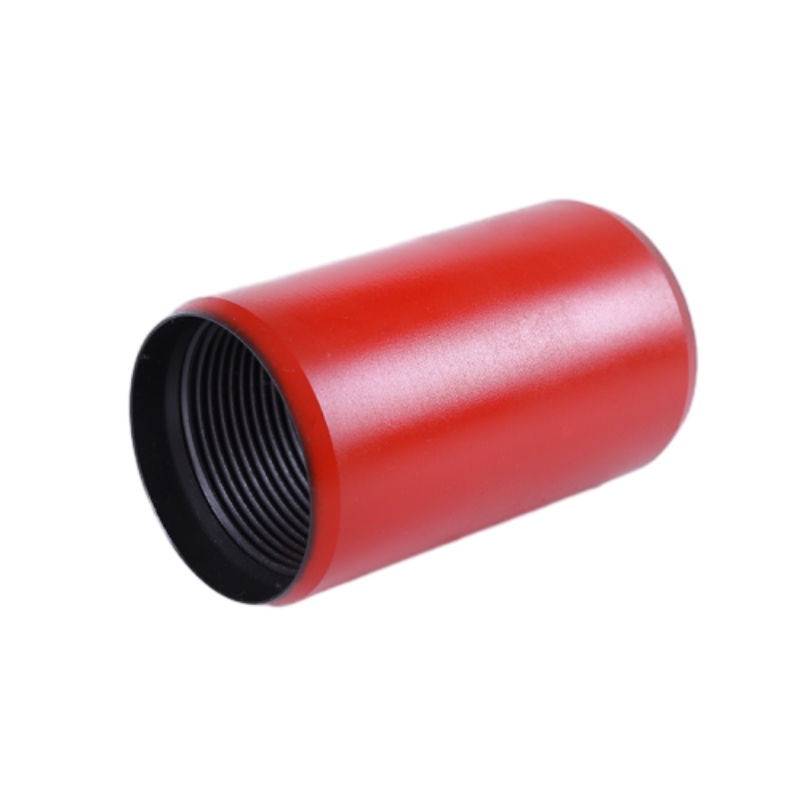
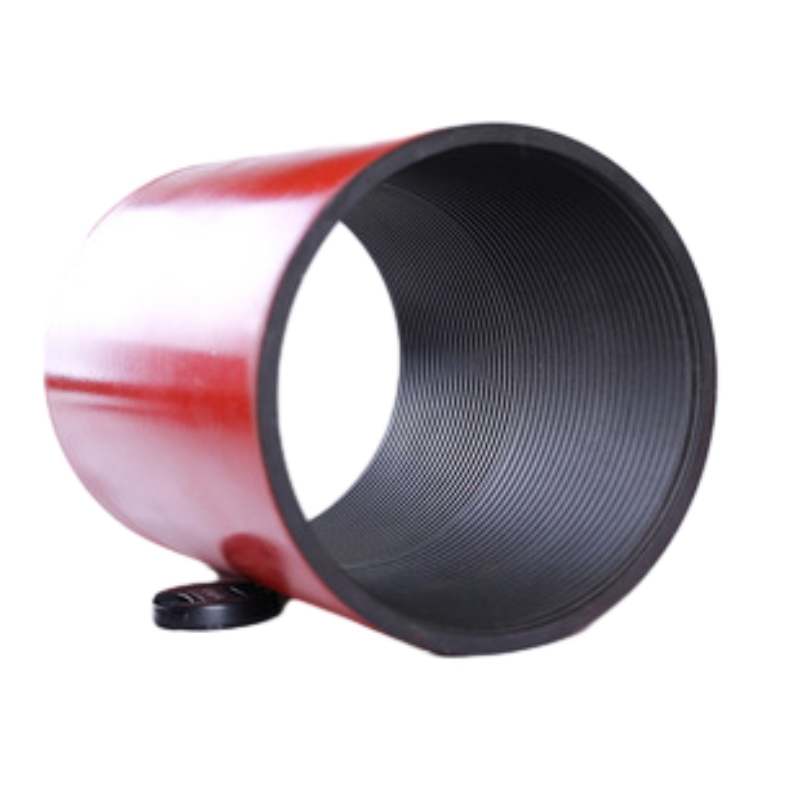
In simple terms, a vacuum hose coupling is a mechanical device that joins hoses securely to facilitate the transfer of fluids or air in conditions where vacuum pressure is involved. It's more than just a connector—it must prevent leaks, withstand pressure differentials, and be quick to engage or disengage. Their importance stretches beyond factories; for example, in emergency water extraction, vacuum hose couplings allow responders to connect equipment swiftly and avoid contamination. This blend of utility in industrial and humanitarian contexts shows their broad significance.Core Components of Vacuum Hose Couplings
Let’s break down the main ideas that make these couplings tick:- Durability: Constructed typically of stainless steel or reinforced plastics, these couplings endure harsh chemical exposure and mechanical stress. That means less frequent replacements.
- Leak-Proof Sealing: Vacuum environments demand airtight seals to maintain efficacy. Typically, O-rings or gaskets made from materials like Viton provide this crucial barrier.
- Ease of Use: Quick-connect or cam-lock designs enable rapid assembly or disassembly, an essential feature in time-sensitive operations.
- Compatibility & Standards: ISO and DIN standards often govern the dimensions and materials, making sure hoses and couplings fit perfectly, promoting interoperability.
- Scalability: Available in sizes from small laboratory setups to massive industrial rigs, allowing versatile application.
- Cost Efficiency: Quality couplings may have higher upfront costs but save money through longevity and lowered maintenance.
Mini takeaway: These six features collectively define what makes vacuum hose couplings reliable and indispensable.
Specifications of a Typical Vacuum Hose Coupling
| Feature | Specification |
|---|---|
| Material | Stainless steel 316L, or reinforced thermoplastics |
| Max Pressure | Up to 0.9 bar vacuum (negative pressure) / 10 bar positive pressure |
| Connection Type | Cam-lock, quick-connect, threaded |
| Seal Material | Viton, EPDM, Silicone (depending on fluid compatibility) |
| Temperature Range | -40°C to +150°C (-40°F to +302°F) |
| Size Range | From 1/2 inch to 6 inches diameter |
How Vacuum Hose Couplings Are Used Around the Globe
In practical terms, vacuum hose couplings are everywhere:- Oil and Gas Industry: They connect hoses for extraction and refining processes, often under vacuum to reduce vapor loss.
- Pharmaceutical Manufacturing: Sterile quick-release couplings ensure contamination-free transfer of fluids.
- Environmental Cleanup: Vacuum couplings allow rapid connection of equipment for oil spill recovery or hazardous waste removal.
- Humanitarian Aid: In disaster zones, where swift water extraction or fuel transfer is crucial, reliable vacuum couplings make emergency responses smoother.
- Aerospace and Research: Laboratory setups for vacuum chambers rely on precise couplings to maintain vacuums vital for testing.
Mini takeaway: Vacuum hose couplings are embedded in critical workflows worldwide, supporting health, safety, and industrial progress.
Advantages and Long-Term Value
Frankly, the importance goes beyond mere technical specs. Using dependable vacuum hose couplings means:- Safety: Proper seals reduce hazardous leaks, protecting workers and the environment.
- Cost Savings: Minimizing downtime and maintenance means fewer disruptions and better budget allocation.
- Sustainability: Durable designs prevent waste and align with eco-friendly manufacturing.
- Trust and Reliability: Industries from hospitals to oil fields count on these couplings not to fail under pressure.
Vendor Comparison: A Quick Look
| Vendor | Material Options | Sealing Types | Industry Focus | Typical Lead Time |
|---|---|---|---|---|
| Alpha Couplings | Stainless steel, Brass | Viton, EPDM | Oil & Gas, Pharma | 2–4 weeks |
| Beta FlowTech | Reinforced plastics, Aluminum | Silicone, EPDM | Environmental Cleanup, Research | 3–5 weeks |
| Gamma Connect | Stainless steel 316L | Viton, Silicone | Aerospace, Pharma | 4–6 weeks |
Future Trends and Emerging Innovations
Manufacturers are now eyeing greener materials—bio-based polymers and recyclable metals—to reduce environmental footprint. What’s more, IoT-enabled couplings embedded with sensors can monitor seal integrity in real time, alerting operators before failures occur. Automation also plays a role, allowing robotic assembly lines to swap hoses quickly without human intervention. These advancements align with global pushes for Industry 4.0 and sustainable development goals (SDGs). Still, adoption will take time, and not every plant or relief net is ready to invest in cutting-edge tech yet.Challenges and Expert Solutions
Some hurdles persist: inconsistencies in manufacturing quality, gasket wear over time, or compatibility issues across non-standardized parts. Industry experts recommend rigorous testing, adherence to ISO 4414 (pneumatic hoses) and other relevant standards, and ongoing training for technicians. Innovative coatings like PTFE and self-healing materials also show promise to extend coupling lifespan. Frankly, better user education and smarter inventory management can go a long way in preventing operational mishaps.FAQ: Frequently Asked Questions About Vacuum Hose Coupling
- Q: What materials should I choose for corrosive fluid applications? A: Stainless steel 316L with Viton seals is typically best for chemical resistance, but always check compatibility charts for specific fluids.
- Q: How often should vacuum hose couplings be inspected? A: Depending on use, inspect seals and connections every 3–6 months, especially in harsh environments, to avoid leaks or failures.
- Q: Can I use a standard coupling for vacuum conditions? A: Not necessarily. Vacuum hose couplings are designed with airtight seals and materials that withstand pressure drops; standard couplings may leak or fail under vacuum.
- Q: Are quick-connect couplings reliable for emergency setups? A: Yes, their ease of use and secure locking mechanisms make them preferred choices in rapid deployment scenarios.
- Q: Where can I purchase certified vacuum hose couplings? A: Trusted manufacturers like those reviewed here or distributors such as vacuum hose coupling suppliers provide certified options aligned with global standards.
Conclusion: Why Vacuum Hose Couplings Matter Long Term
So, here’s the deal: vacuum hose couplings may seem like a simple component, but their reliability, durability, and safety impact a huge array of industries globally. They reduce downtime, prevent environmental damage, and support humanitarian missions worldwide. Investing in quality couplings means building more resilient infrastructure and workflows. Want to dive deeper or source your vacuum hose coupling? Visit our site at https://www.wjpetroleum.com for detailed specs, expert advice, and trusted products.It’s always fascinating how often the seemingly small things turn up as unsung heroes in complex systems.
References
Latest news
-
The Ultimate Industrial Guide to using مفصل الجرو Swivel JointsNewsApr.16,2026
-
Comprehensive Guide to api الجرو المشترك in Industrial ApplicationsNewsApr.09,2026
-
Comprehensive Guide to Puppy Joint Health with غلاف مفصل الجرو SupplementsNewsApr.07,2026
-
Optimizing Oilfield Performance with تمرير المفاصل الجرو and WJ Petroleum ExpertiseNewsApr.04,2026
-
Understanding Puppy Mills ¿qué es un porro de cachorros? Responsible Breeding PracticesNewsMar.31,2026
-
Comprehensive Guide to Perforated Puppy Joints and Long Term Canine HealthNewsMar.28,2026
Related Products