

What Is a Crossover Sub? Reliable Industrial Equipment Connector Explained
What Is a crossover sub?
So, you’ve stumbled across the term crossover sub in industrial equipment, maybe during a maintenance job or while sourcing parts. Frankly, it’s one of those components that folks in the oilfield and mechanical industries often take for granted, yet it plays a pretty pivotal role beneath the surface. Having spent a chunk of my career amongst drill rigs and machinery, I’ve seen firsthand how the right crossover sub can save the day — or how the wrong one can slow everything down.
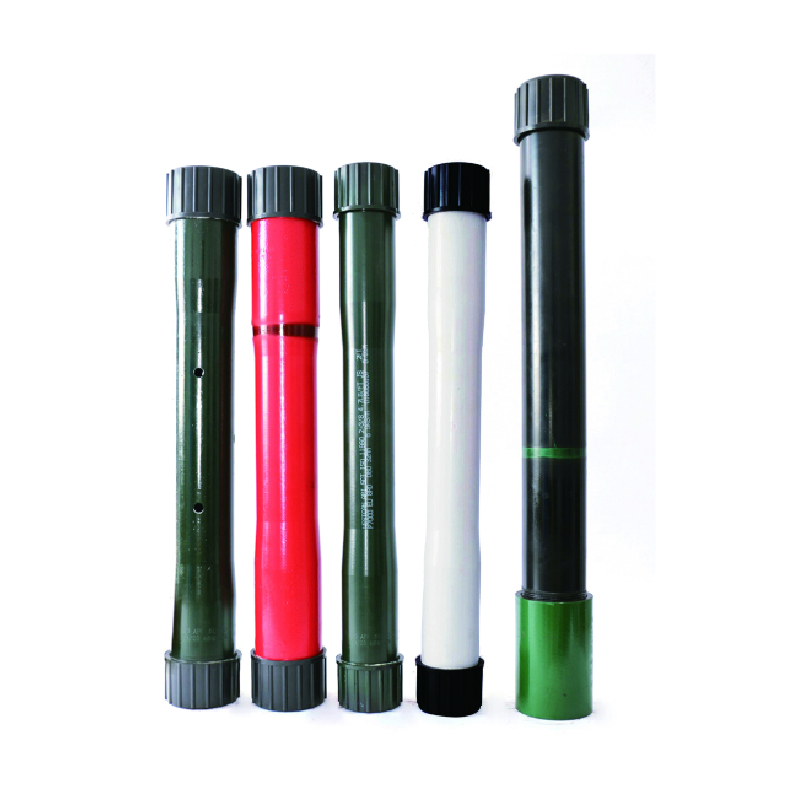
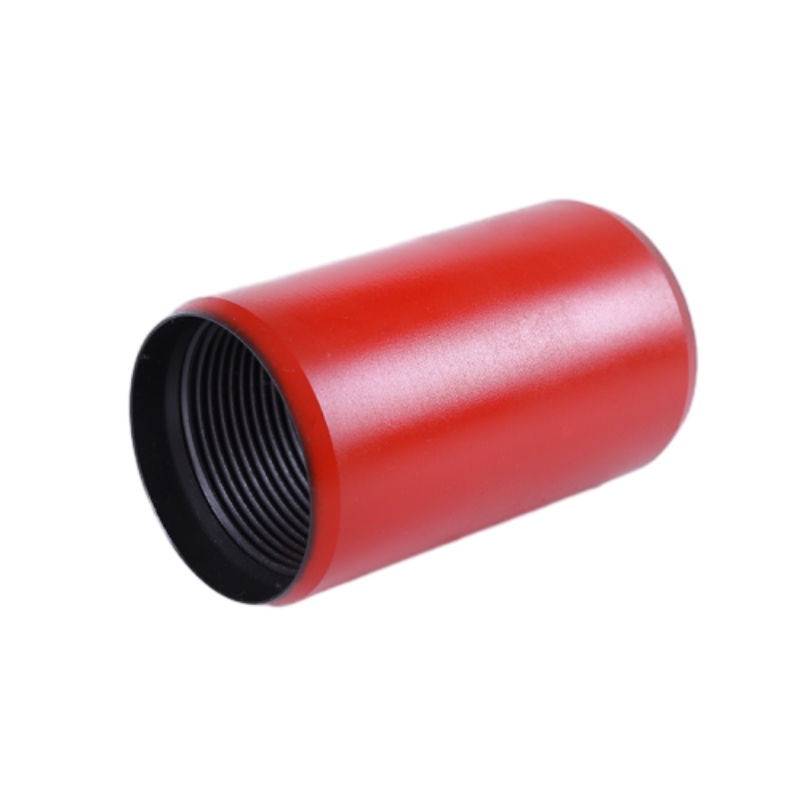
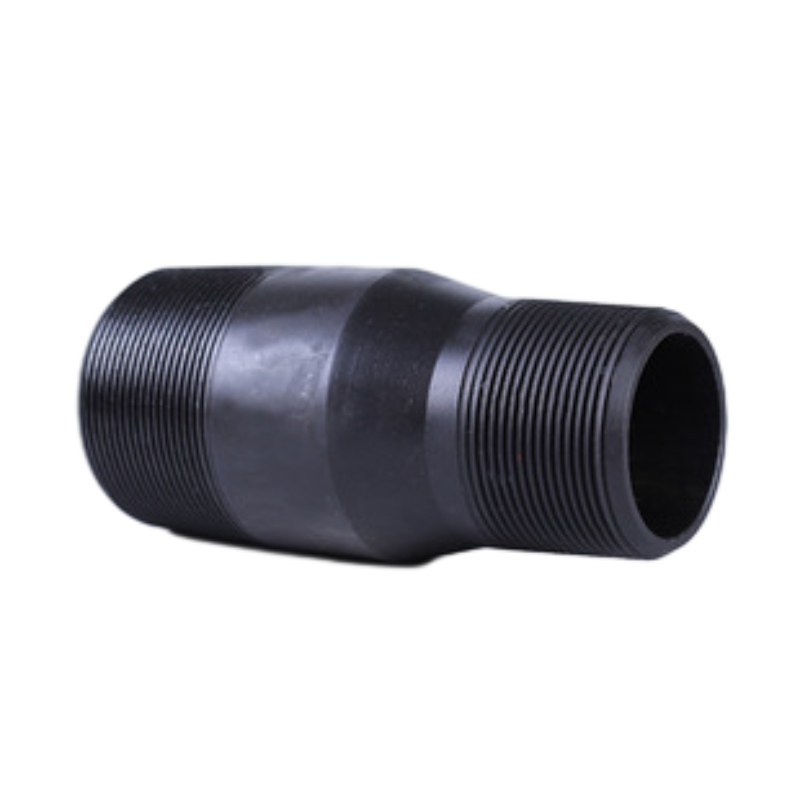
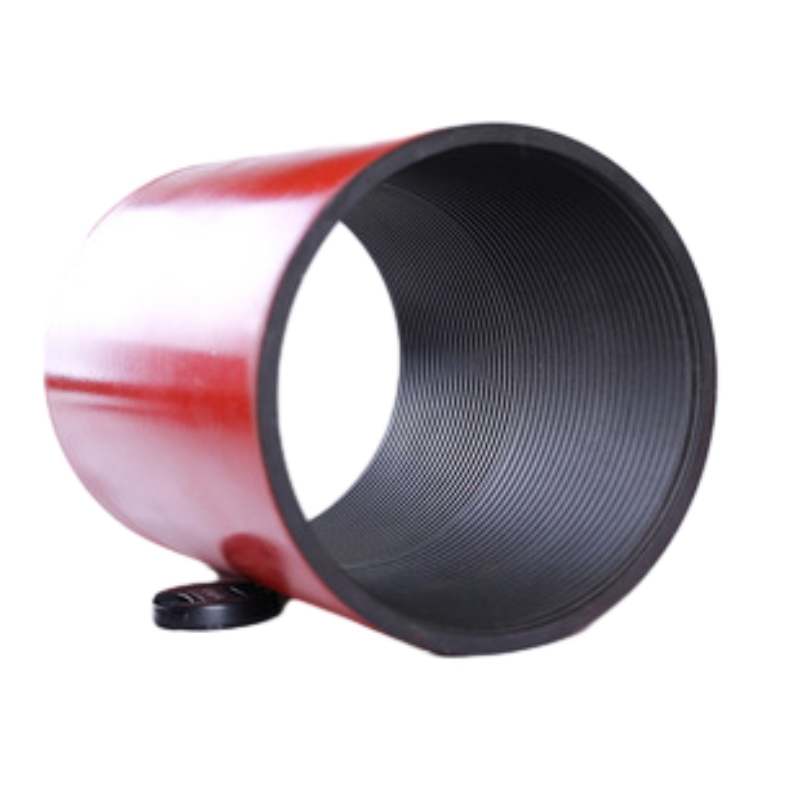
But what exactly is a crossover sub? Simply put, it’s a piece of tubular equipment used to connect two threaded pipes or tools that have different thread types or sizes. Think of it as a sort of adapter, but for rugged industrial applications where strength and reliability matter — and frankly, it often gets overlooked except when you desperately need one that fits just right.
Oddly enough, many engineers say the crossover sub is what keeps their assembly versatile. Instead of replacing an entire string of piping or waiting for matching threads, the crossover sub offers a fast, cost-effective solution. It's something you don’t notice unless it’s missing or improperly matched. Over the years, I’ve noticed that choosing the right material and manufacturing process is critical since these subs endure freakish stresses and harsh environments — downhole heat, pressure, and corrosive fluids, to name just a few.
Design and Material Considerations
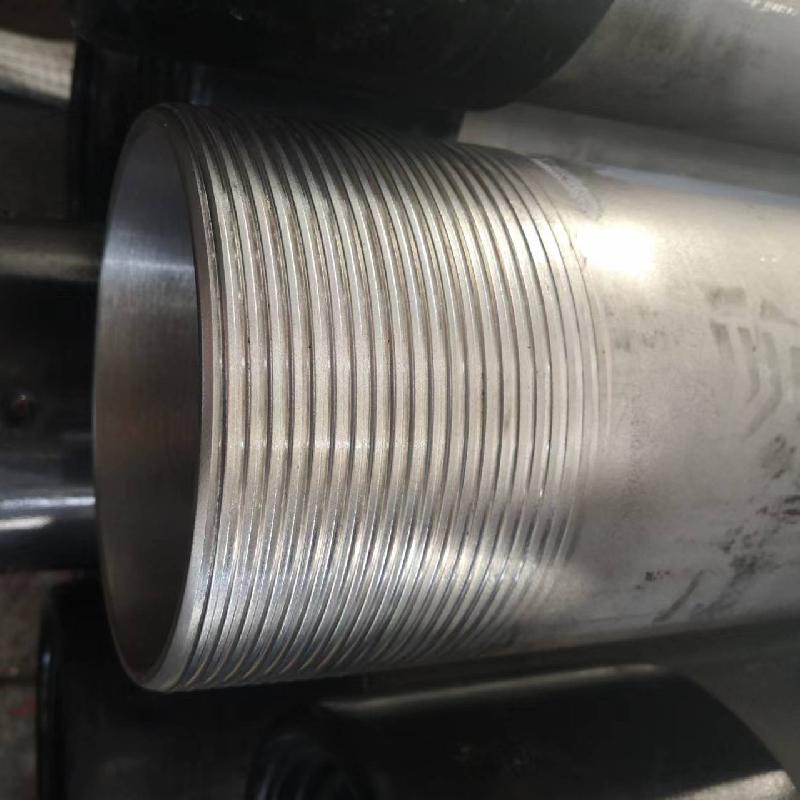
Most crossover subs are made from high-grade alloy steel, often subjected to heat treating and precise machining to withstand the torque and tension encountered during drilling operations. Depending on the application, they might be coated or plated to resist corrosion. Some vendors also offer customized threading to cater to niche requirements, making them quite flexible.
One thing I’ve come to appreciate over the years: thorough testing protocols. For instance, many manufacturers perform non-destructive testing like ultrasonic inspection or magnetic particle inspection to ensure there are no hidden cracks or flaws. This is not just a box-ticking exercise—these tiny defects could become catastrophic downhole.
The Advantages of Using a Crossover Sub
- Versatility: Connect different thread types/sizes without replacing larger assemblies.
- Cost-efficiency: Saves money by reducing the need for custom parts or replacements.
- Reduced Downtime: Quick fixes on site reduce delays and keep the operation moving smoothly.
- Safety: Properly matched threads prevent leaks and failures, protecting workers and the environment.
I remember one rig manager telling me how a properly sized crossover sub prevented a costly rig-down scenario. They needed to join a pipe with an uncommon thread type, and without that one sub, the whole job would've stalled for days. Situations like that underscore how these “small” parts punch way above their weight.
Typical Product Specifications
| Specification | Details |
|---|---|
| Material | Alloy Steel AISI 4145H Mod |
| Thread Types | API, IF, NC, PAC, or customized |
| Length | Typically 6” to 24” (custom available) |
| Heat Treatment | Quenched and tempered |
| Testing | Ultrasonic, magnetic-particle, visual inspection |
| Finish | Black oxide or phosphate coating |
Vendor Comparison: Choosing the Right Supplier
| Vendor | Product Range | Customization | Lead Time | Price Level |
|---|---|---|---|---|
| WJ Petroleum | Wide (standard & custom threads) | High (custom threading & sizes) | Typically 2-4 weeks | Mid-range |
| Alpha Tools | Standard only | Low | 1-2 weeks | Budget |
| Bravo Equipment | Wide range | Medium | 3-5 weeks | Premium |
In real terms, sourcing a reliable crossover sub comes down to trust — in the supplier, the manufacturing process, and your own team’s specs. Working with vendors like WJ Petroleum built on quality and customization gives you peace of mind. After all, a small part that seamlessly fits can mean the difference between smooth sailing and an expensive headache.
So next time you hear “crossover sub,” don’t let it slide as just another piece of pipework. It’s a quiet workhorse in the assembly — rugged, adaptable, and absolutely essential in an industry where every connection counts.
Takeaway: A well-chosen crossover sub isn’t just a connector; it’s a practical enabler of flexibility and efficiency beneath the surface.
References:
1. API Spec 5B – Threading, Gaging & Thread Inspection of Casing, Tubing & Line Pipe Threads
2. “Oilfield Equipment and Tools: Specifications and Use” by J. H. Keller (2018)
3. Vendor datasheets and testing protocols – WJ Petroleum (2023)
-
The Ultimate Industrial Guide to using مفصل الجرو Swivel JointsNewsApr.16,2026
-
Comprehensive Guide to api الجرو المشترك in Industrial ApplicationsNewsApr.09,2026
-
Comprehensive Guide to Puppy Joint Health with غلاف مفصل الجرو SupplementsNewsApr.07,2026
-
Optimizing Oilfield Performance with تمرير المفاصل الجرو and WJ Petroleum ExpertiseNewsApr.04,2026
-
Understanding Puppy Mills ¿qué es un porro de cachorros? Responsible Breeding PracticesNewsMar.31,2026
-
Comprehensive Guide to Perforated Puppy Joints and Long Term Canine HealthNewsMar.28,2026